#egg-aversion
#egg-aversion
[ follow ]
#nutrition #health-concerns #plant-based-protein #food-additives #vegetarian #veganism #vegan #plant-based #cooking
#plant-based
London food
fromwww.theguardian.com
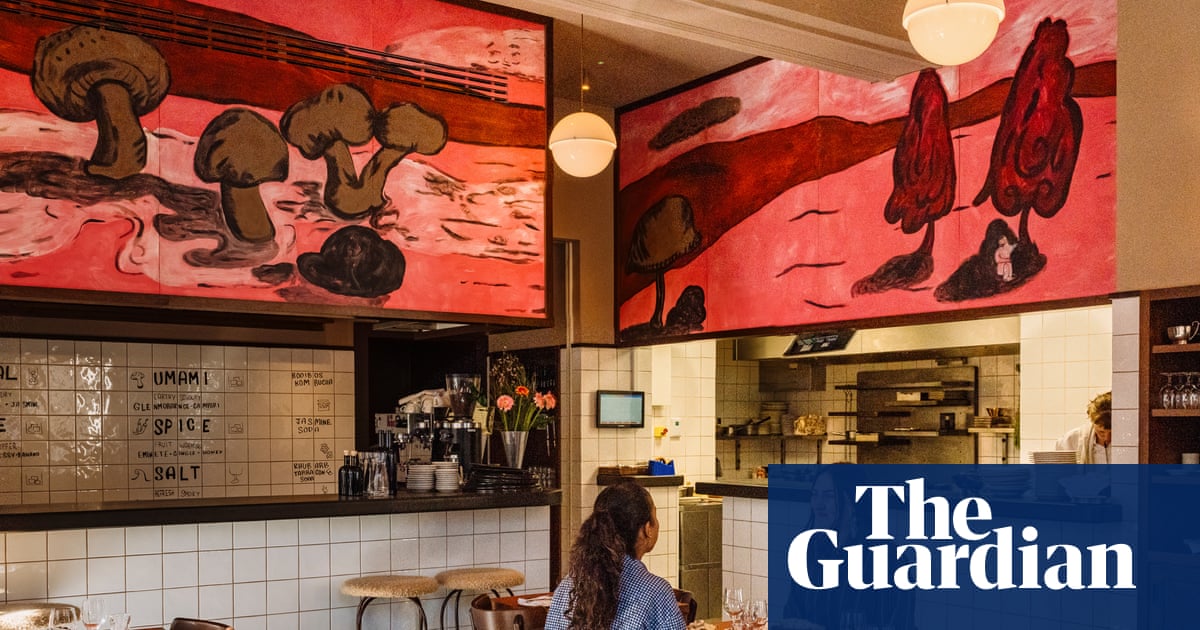
2 days agoHoly Carrot, London E1: As good as plant-based dining gets' restaurant review | Grace Dent on restaurants
Holy Carrot in Spitalfields offers imaginative plant-based dishes, expanding its menu to include vegetarian options while maintaining a modern culinary approach.
fromTasting Table
2 days agoExactly How Old Are Grocery Store Eggs, Anyway? - Tasting Table
In the United States, eggs are usually packed within a week of being laid, but they can legally be sold for 30 days after that packing date. This is called the Julian date, and it's shown by three numbers that represent consecutive days of the year - starting with 001 for January 1.
Everyday cooking
fromThe Nation
1 month agoIs Your Diet a Little Bit Fascist?
You may have heard that organic vegetables are right-wing now. That raw milk is the gateway to MAGA. That supplements are for fascists. You may be unsure just how this happened. It seems like only yesterday that vegetables were for hippies; that eco-communists-not MAHA momfluencers-were spreading the good word of pesticide-free potatoes.
Right-wing politics
Online Community Development
fromGluten Free & More
1 month agoInspiring Voices in the Gluten-Free World
Community support networks empower gluten-free and celiac individuals through shared experiences, practical resources, and representation that normalize the lifestyle and make diagnosis transitions manageable.
fromTasting Table
1 month agoGive Scotch Eggs A Vegetarian Spin With This Middle Eastern Swap - Tasting Table
Scotch eggs are a pub food delicacy - a soft-boiled egg wrapped in a thin layer of sausage, coated in breadcrumbs, and then deep fried until crisp and delicious, ideally with a yolk in the center that is still runny. They are as heavy in the hand as they sit in the belly, a classic British dish that sticks to the ribs and girds one against the cold grey drizzle.
Berlin food
fromThe Atlantic
1 month agoIt's Bean Time
These tiny packages pack a nutritional punch-so much so that the advisory committee for the 2025 U.S. Dietary Guidelines recommended upping the daily serving size of legumes and promoting them as a protein source over meat and seafood. Navy beans, for example, are especially fiber-dense, and lentils are protein powerhouses.
Food & drink
fromGrub Street
2 months agoMadeline Cash Is Avoiding Lamb
Madeline Cash's debut novel, Lost Lambs, tells the story of a modern American family: semi-estranged parents in an ill-fated open relationship and three teen daughters with internet boyfriends and dangerous connections to the tech billionaire up the road. The book made such a splash when it was published last month - "vivid, breezy prose alight with casual wit," said the New Yorker; "the comic novel we need right now," declared the Washington Post -
Books
fromwww.theguardian.com
2 months agoThe rise of beef days': why even meat lovers are cutting back
John did not want to give up beef entirely, but he feared the impact of the beef industry on the Paris agreement's limit of 1.5C of post-industrial global heating and the devastating effects of beef farming on deforestation. He compared the overconsumption of beef to the coolness of tobacco back in the day: Norms feel permanent, but norms can change and when they do it can be powerful, he said.
Environment
Humor
fromwww.theguardian.com
1 month agoThe vegan but bacon' principle is here. Could it help us achieve our goals? | Polly Hudson
Vegan but Bacon promotes incremental progress and harm reduction over perfectionism, allowing people to make partial changes toward goals rather than demanding all-or-nothing commitment.
fromwww.theguardian.com
2 months agoHumanity's favourite food': how to end the livestock industry but keep eating meat
For someone aiming to end the global livestock industry, Bruce Friedrich begins his new book called Meat in disarming fashion: I'm not here to tell anyone what to eat. You won't find vegetarian or vegan recipes in this book, and you won't find a single sentence attempting to convince you to eat differently. This book isn't about policing your plate.
Environment
fromLos Angeles Times
1 month agoBeyond Meat drops 'Meat' from name
We are not moving away from making plant-based meat. This is a strategic expansion of our portfolio into additional protein categories. We start at the farm with clean and simple, non-GMO ingredients like yellow peas, red lentils and faba beans. We love clean protein and fiber.
Silicon Valley food
fromPsychology Today
2 months agoWhat Is Meat? It's Probably Not What You Thought
I'm thrilled I did, and my learning curve was vertical in this page-turning work that "offers a hopeful and rigorously researched exploration of how science, policy, and industry can work together to satisfy the world's soaring demand for meat, while building a healthier and more sustainable world." There is nothing "radical" about what likely will become a classic, one that is already endorsed by experts in global hunger, global health, climate change, and food security.
Food & drink
Berlin food
fromwww.theguardian.com
1 month agoThe posh egg problem: how they became a status symbol and shoplifting target
Egg prices have surged due to feed costs, energy expenses, and bird flu restrictions, with premium varieties costing £4-£4.50 per six eggs despite minimal nutritional differences from regular eggs.
Food & drink
fromFast Company
1 month agoWhy are Europeans eating more plant-based meat than Americans? It's not why you think
Major European and UK supermarkets are deliberately shifting shoppers toward plant-based proteins, driving strong private-label sales and reducing food-related carbon footprints.


fromwww.theguardian.com
2 months agoMeera Sodha's vegan recipe for leek and tempeh manis | The new vegan
Tempeh is a gift to all home cooks from Indonesia. Made from fermented compressed soy beans, it's an intelligent ingredient equivalent to meat in terms of protein, subtle and nutty in flavour and chewy in texture. Happily, it is also now widely available in most large UK supermarkets. Here, the tempeh is cooked in a typical Indonesian way that is, fried until crisp, then coated in a sticky, spicy sweet soy sauce and liberally sprinkled with salted peanuts.
Cooking
fromTasting Table
2 months agoHow Arby's Instigated A Years-Long Feud With Vegetarians - Tasting Table
The term vegan was coined in 1944, but there have likely been vegetarians in the world for as long as there have been humans. More than one in five people on earth today are vegetarian either by choice or necessity. It's a way of eating that everyone is aware of, yet it is still the object of mockery by some, especially in the West.
Food & drink
fromTasting Table
2 months agoThe Best Plant-Based Bacon Contains More Protein Than The Real Deal - Tasting Table
Vegan meats are known to be a hit or miss. They're either a total surprise that makes you double-check whether you're not accidentally eating the real thing, or a massive disappointment that leaves a regretful dent in your wallet, given the average price of plant-based meat substitutes. In all fairness, certain types of meat are difficult to replicate, bacon being one of them. The thin texture and the smoky flavor are hard to make from plants alone.
Food & drink
fromTasting Table
2 months agoThis High-Protein Pasta Swap Won't Leave You Feeling Deprived - Tasting Table
Sometimes all you need is to curl up on the couch with a big bowl of pasta, wearing an old sweatshirt that can handle a little tomato-sauce splatter. After all, it's comfort food with a heavy emphasis on the comfort - all carbs and sauce and warm, full feelings. But what if you could get that same satisfaction with the added benefit of a little protein boost with just one easy swap? All you have to do is reach for a box of edamame pasta.
Food & drink
fromThe Drum
2 months agoOGGS vegan mince pies top iCrossing's annual taste test
OGGS' handmade mince pies have emerged victorious in a taste test conducted by digital marketing agency iCrossing, launched with the intention of determining the best mince pies this holiday season. The vegan delicacies were crowned the outright winner, beating competition from Tesco, Waitrose, M&S and Sainsbury's. They were praised for their homemade look and fullness of filling. The iCrossing taste test is now in its third year and has traditionally seen in-house team members taste Christmas sandwiches.
Food & drink
fromEpicurious
8 years ago31 Cashew Recipes That Go Beyond the Snack Bowl
Soaked and blended, cashews become a stand-in for heavy cream, keeping stuffed shells, soups, pasta sauces, and desserts luxuriously dairy-free. Toasted and roughly chopped, they add crunch to salads, curries, stir-fries, and more. There are so many reasons to love cooking with these seeds-that's right, "cashew nut" is technically a misnomer, since they grow outside the fruit rather than inside a hard shell like true nuts.
Food & drink
[ Load more ]