LA food
fromEater LA
1 week agoAmid Controversy, Noma Opens a Retail Store in Silver Lake
Noma Projects will open its first U.S. location in Los Angeles, offering fermentation-based products and exclusive local items.
The Big Brine, co-founded by Emma and Clarice, who have backgrounds in events and event catering, will bring together the worlds of food, wellness and sustainability by showcasing the craft and culture behind brining and fermenting.
Cho sees the New York event as part of a broader vision to bring the festival to cities across the country, sharing the creativity and excellence brewing in Oregon with new audiences. "We're not just expanding representation," she says. "We're helping redefine what wine culture can look like when it is an inclusive and rooted community."
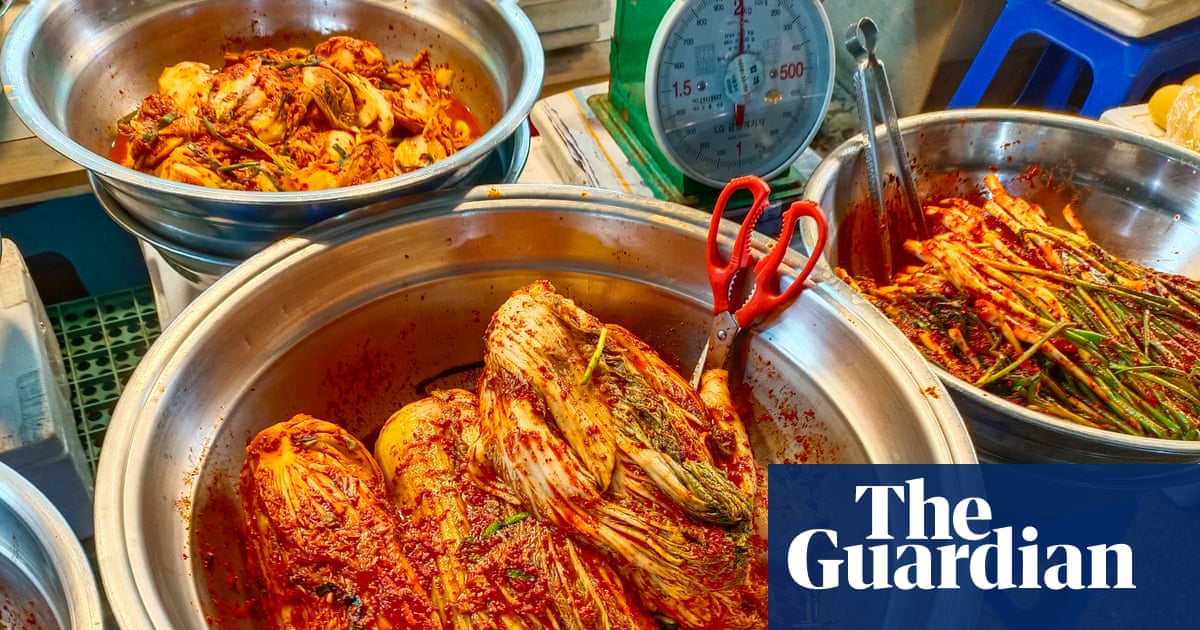
The reason cabbage (and beans, for that matter) is a "musical fruit" is a complex sugar known as raffinose. Raffinose is especially hard for the human gut to digest because the small intestine cannot process it. So, by the time it reaches the colon, the bacteria used to break it down release gas that leads to bloating and flatulence. Furthermore, as a cruciferous veggie, cabbage also contains high amounts of sulfuric compounds,
Tattoos and fermentation rarely appear in the same conversation, yet across the world, they share a quiet kinship. Both are practices of transformation, crafts that reshape raw material over time through care and relationships to the land, the spiritual, and the community. Tattooing inscribes identity and ancestry onto skin, while fermentation preserves, nourishes, and binds communities through shared taste and ritual. Both create change, brewing something more than themselves through embodied knowledge passed between generations.
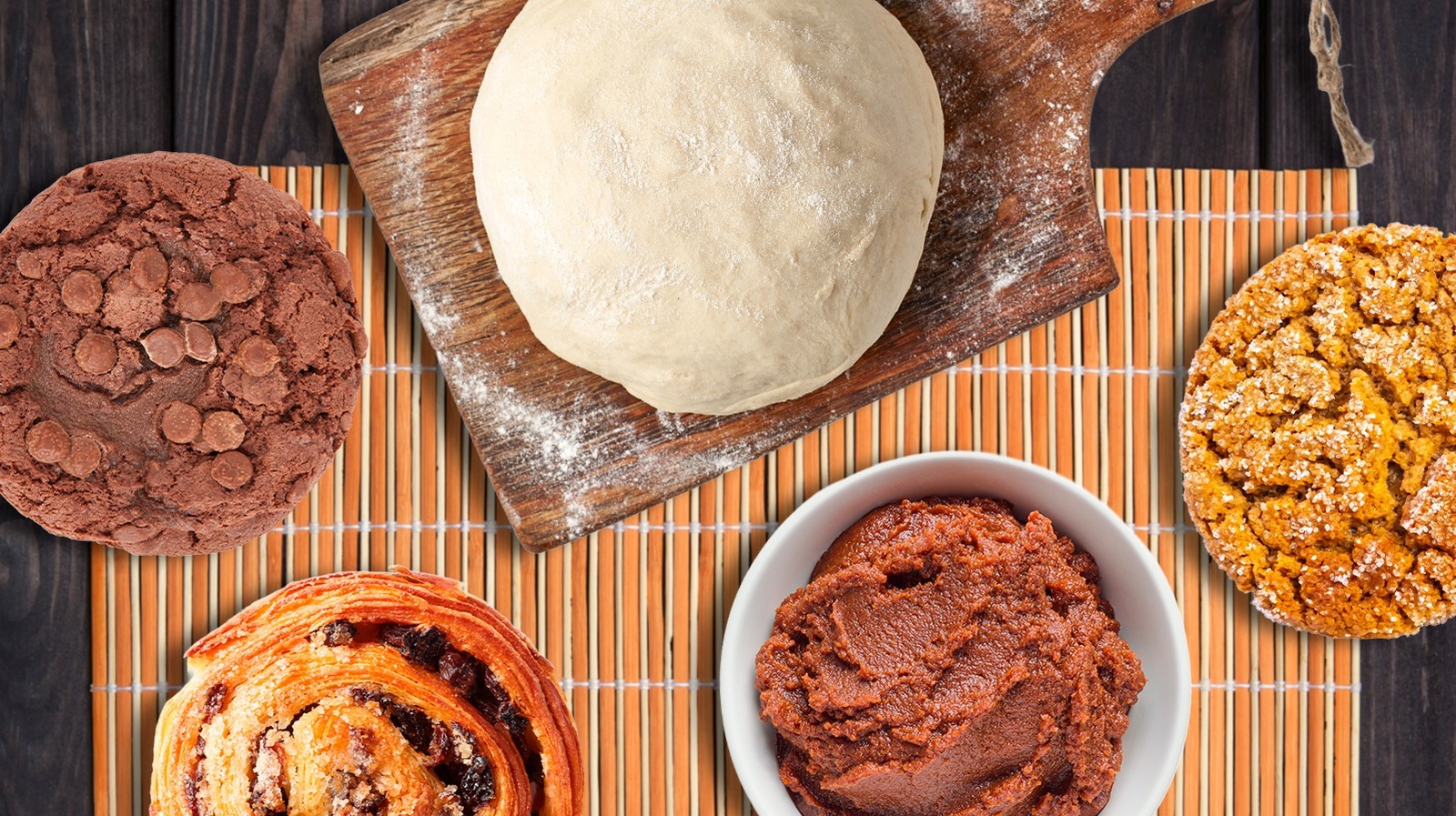
Neapolitan pizza is a masterclass in textural perfection. It strikes the perfect balance between fluffy and crisp, making us yearn for more with each bite. As the toppings are traditionally minimal, usually sticking only to tomatoes, mozzarella, and fresh basil, the quality of the dough is very much at the forefront and definitely requires some finesse. There are many steps to making the perfect Neapolitan pie at home, but the process surprisingly starts with a very specific choice of flour.
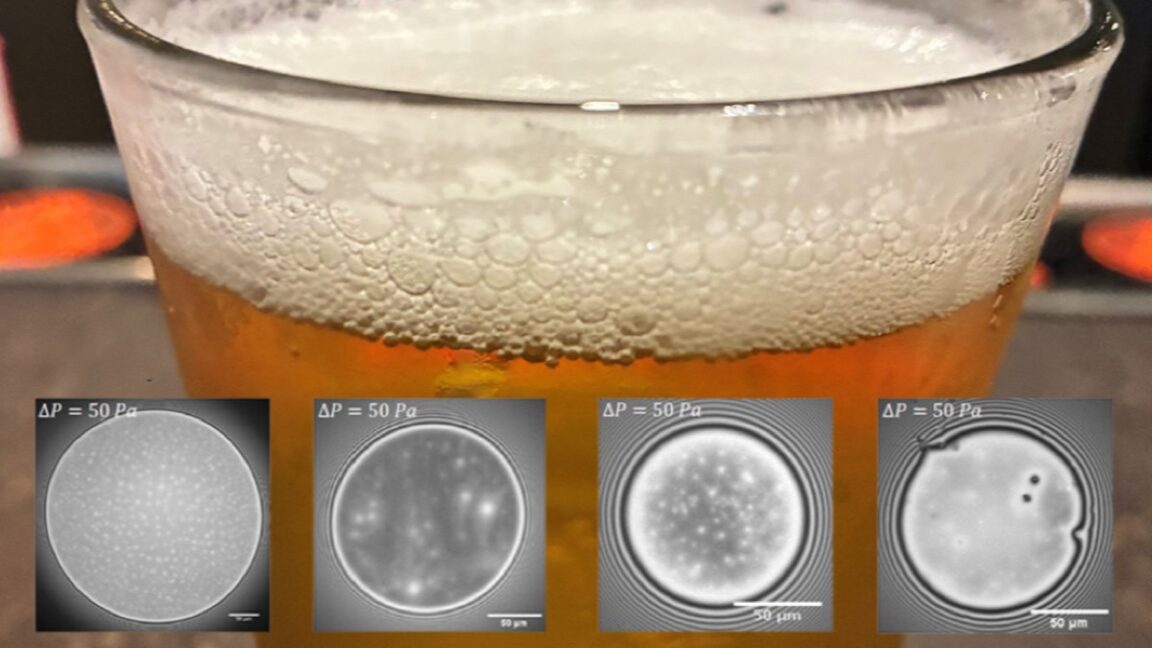
It might sound like an exaggeration, but it's not: beer played an indirect but crucial role in the birth of modern surgery. Not because it held the key to cures, nor because anyone drank it in an operating room, but because it was one of the first products in which science observed something previously invisible. That something germs would forever change how we understand fermentation, food and also human infections.
The project comes from a deep bench of hospitality heavyweights: Jimmy Rizvi, the restaurateur behind Bungalow, and Kanvar Singh, of Midtown's ever-popular Elsie Rooftop, lead the partnership along with beverage director Hirotomo Akutsu, formerly of Tokyo's Bar Trench (ranked 94th on the World's 50 Best Bars 2025) and creative director Rio Azmee of Shinka Ramen. Every detail, from the way a cocktail is built to the way the room feels, is deliberate.
The humble tortilla is an iconic food staple in Mexico. Everyone eats them, regardless of age or income. The ingredients for the tortilla I was frying in this photo have been fermented to include probiotics and prebiotics for gut health. My research focuses on developing such fermented nutraceuticals - nutritious products with pharmaceutical benefits - to help improve people's metabolic health and combat the malnutrition prevalent in some of Mexico's poorest communities.
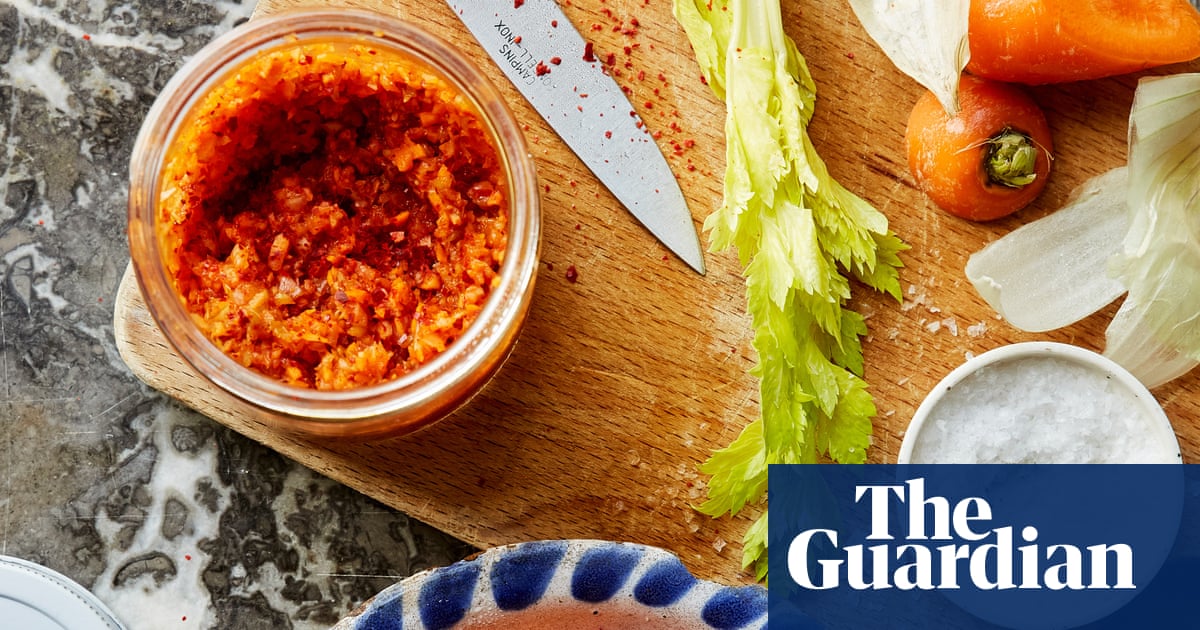
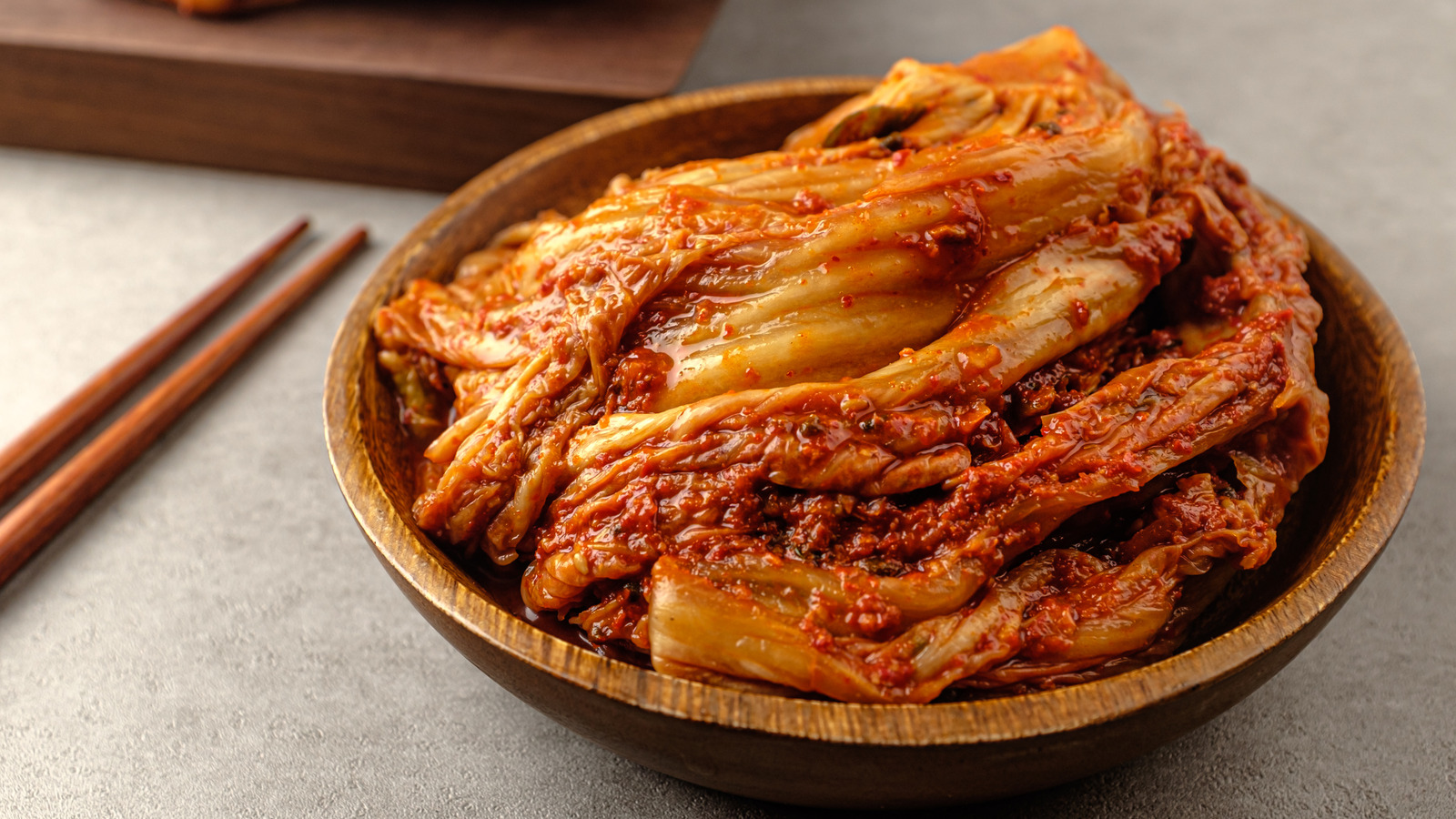
The dry-salting fermentation method used to make sauerkraut works brilliantly on almost any firm vegetable, so you can happily explore beyond the traditional cabbage. I had a couple of carrots and a piece of squash that needed saving, so I turned them into a golden kraut with ginger, turmeric and a little orange zest for brightness. Use whatever you have to hand and let the ingredients lead your creativity.
The space was once home to Soho's last surviving adult cinema, and it still hums with that energy: loud music, tightly packed tables and a sense of near chaos that nods to the buzz of its pop-up days. Sustainability also underpins the project. Khao Bird is B-Corp certified and committed to seasonal, local produce, working with Sussex suppliers including the 3,500-acre rewilding project Knepp Estate, alongside a network of small-scale London producers.
Imagine you're walking in the mountains of Bulgaria, enjoying the lush greenery, the clear streams. And the reason you're up there? To make yogurt the old-fashioned way - by dropping live red wood ants into fresh milk. VERONICA SINOTTE: We added four whole ants, dropped them into the top, covered it with a cheesecloth, hiked up the mountain and buried it inside of the ant colony.
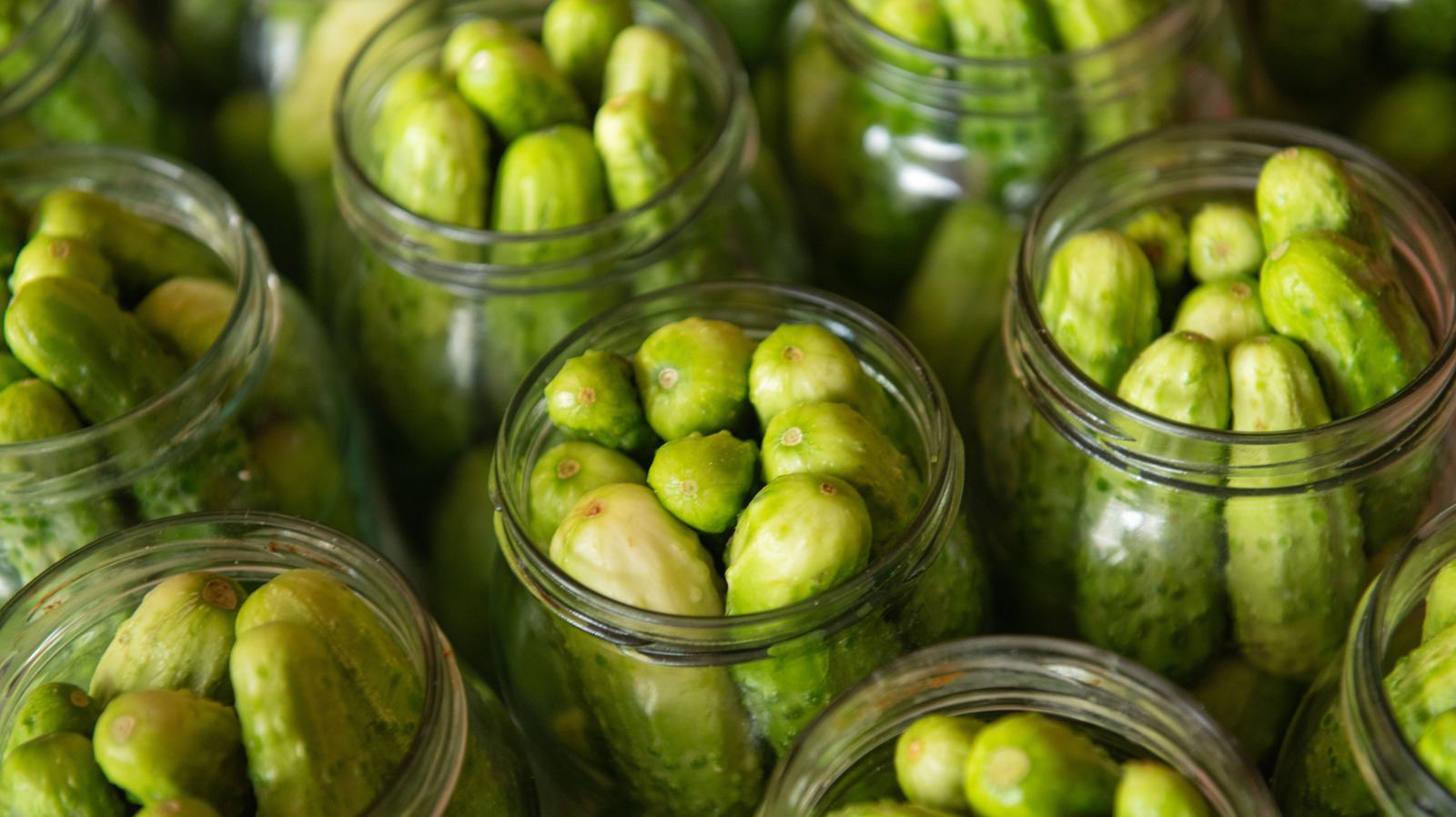
Start by slicing carrots (the thinner or smaller the pieces, the quicker they'll ferment), then make a brine by mixing 35g rock or sea salt (don't use table salt) with a litre of water (tap is fine, filtered is better), and making sure the salt dissolves. You can then go as fancy or simple as you like: Drop in some peppercorns, allspice berries, coriander seeds, fennel seeds or anything else you think might go, bring the brine mix up to a simmer, then take off the heat and leave to infuse and cool to room temperature.
Husband and wife team have brought traditional flavour of Romania to their Dublin cafe Stepping into Fairmental, it's impossible not to notice the vibrancy as bright jars of fermented vegetables, kombucha, kefir and hot sauces line the shelves like an edible rainbow to greet you. The aroma of coffee and breakfast fills the air, and two long shared tables are alive with chatter.
Whether it is kombucha, kefir, sauerkraut, kimchi, or sourdough, today's foodies are not short of fermented treats to tantalise their tastebuds. But for the adventurous, the menu may be about to get wilder. How about a spoonful of ant yoghurt? Making it does not involve milking any ants. Instead, the unfortunate insects are dropped into a jar of warm milk, which is tucked into an ant mound and left to ferment overnight.
Yet, in Hamburg, a burgeoning movement is bringing responsible eating to the masses, without compromising on the quality of the food it is serving. Klinker, a predominantly vegetarian restaurant featured in the Michelin guide, is one of those at the forefront of this movement. We caught up with chef Aaron Hasenpusch and his kitchen staff, who spend each day putting that ethos into practice, and they explained how they do it and how Hamburg is staking its claim as part of Germany's sustainable cuisine revolution.
Phelps, New York, known as the 'Sauerkraut Capital of the World,' was once the largest sauerkraut producer globally, thanks to its fermentation factories established in the early 1900s.