#gas-station-closure
#gas-station-closure
[ follow ]
#gas-prices #middle-east-conflict #oil-prices #fuel-prices #energy-crisis #strait-of-hormuz #remote-work
fromwww.bbc.com
1 day agoFuel rations and free buses: How countries have responded to rising oil prices
The International Energy Agency (IEA) says it is the 'largest supply disruption in history'. With the disruption expected to have a lasting impact on prices, governments around the world have introduced measures to limit the impact on consumers and the economy.
Europe news
UK news
fromLondon Business News | Londonlovesbusiness.com
18 hours agoPump pain sparks 100m fuel theft surge across Britain - London Business News | Londonlovesbusiness.com
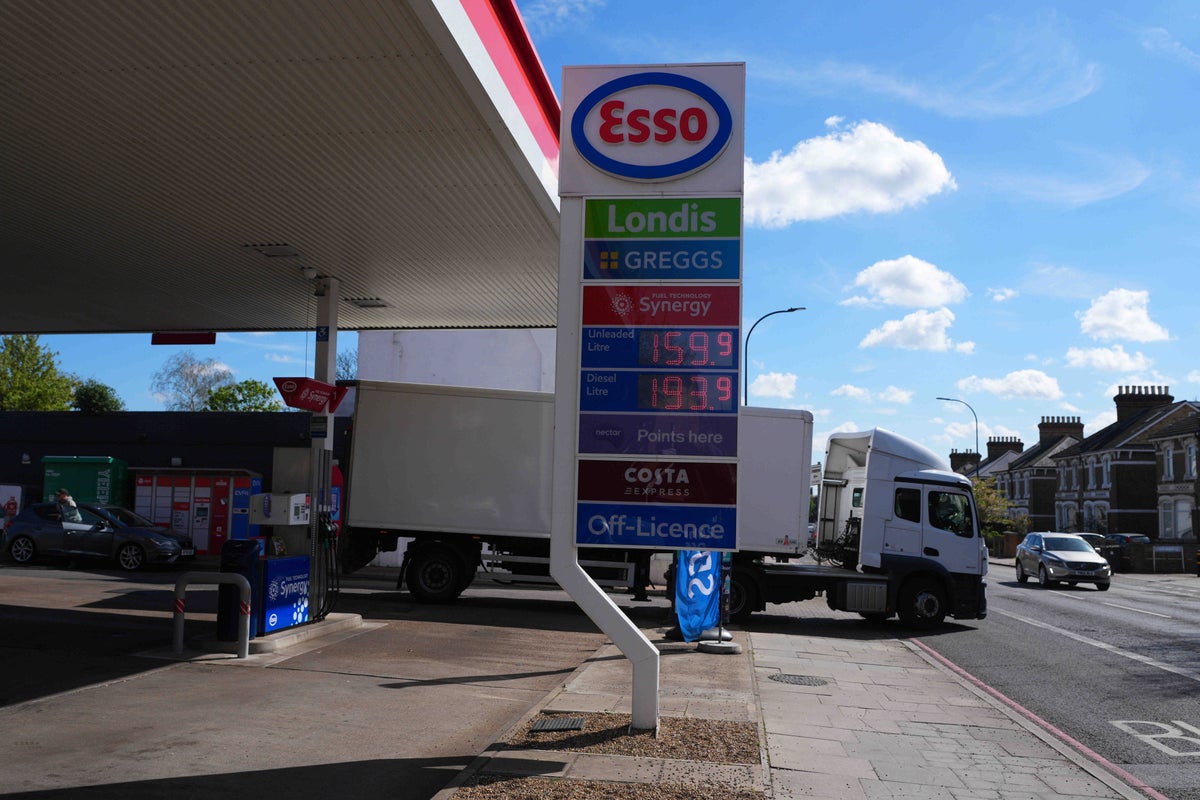
Fuel theft in Britain has surged, with losses exceeding £100 million annually due to rising pump prices and increased incidents of unpaid fuel.

#delivery-workers
New York City
fromwww.businessinsider.com
3 days agoNYC's first rest area for delivery workers isn't open 10 days after a flashy ribbon-cutting. I dug into why.
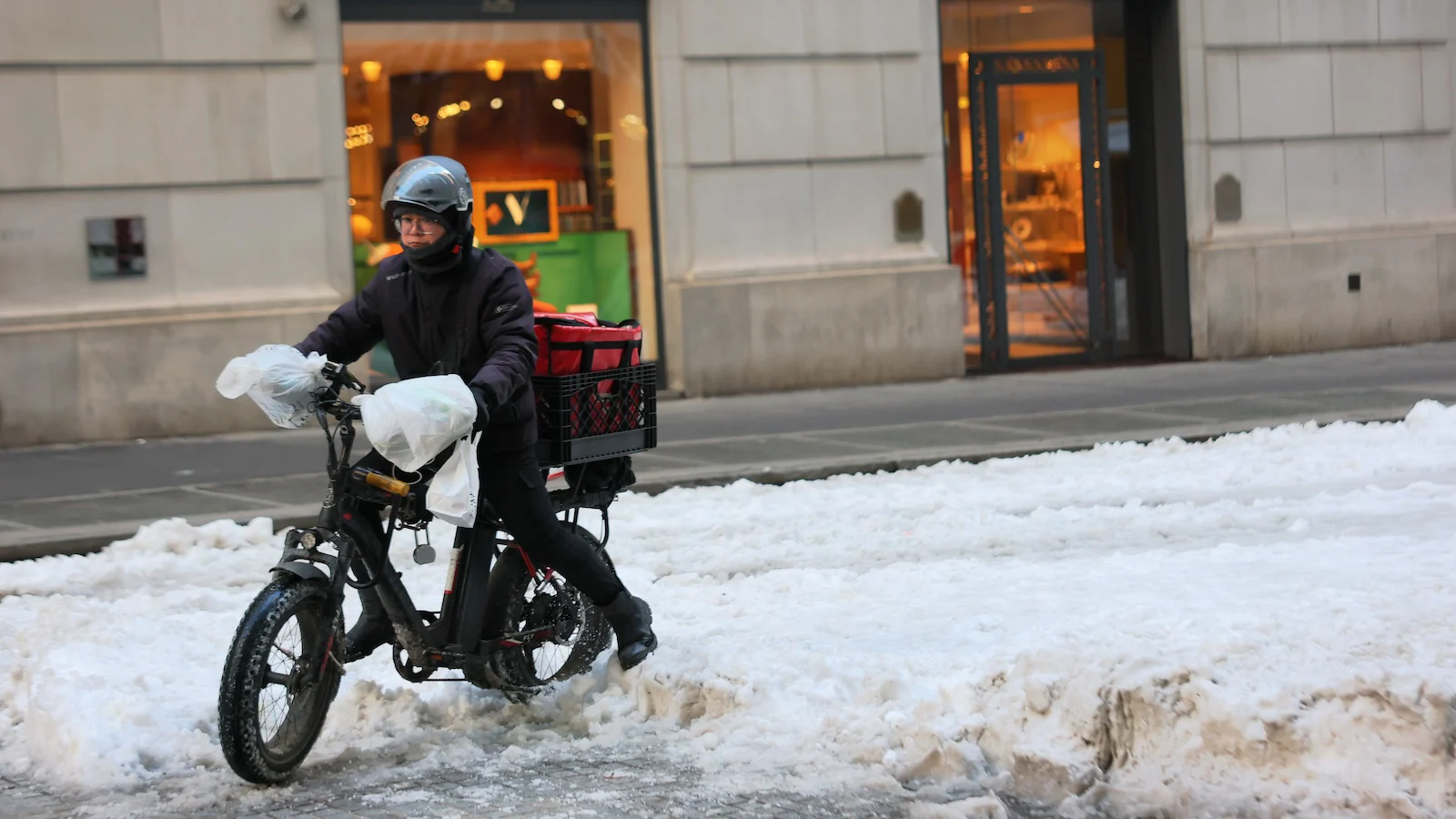
The City Hall Deliverista Hub is a new rest stop for NYC delivery workers, but it remains locked due to electrical issues since its unveiling.

fromThe Oaklandside
4 days agoTemescal residents describe waking up to the 'whooshing' sound of a gas leak
PG&E confirmed that a gas leak had occurred near that location. A spokesperson, Tamar Sarkissian, told us that a PG&E crew was on-site by 11:15 p.m. the night of April 9 and after working for about two hours, stopped the flow of gas as 'safely and as quickly as possible' - by 1:32 a.m. Friday morning.
East Bay (California)
NYC real estate
fromStreetsblog New York City
6 days agoAsk An Insurance Industry Insider: Safe Streets Are The Best Way To Bring Down Insurance Costs - Streetsblog New York City
Personal injury lawyers and insurance companies dominate advertising, reflecting a complex system of risk assessment and cost management in insurance.
fromwww.cbc.ca
3 days agoAir Canada suspends Toronto and Montreal flights to JFK over jet fuel cost crisis | CBC News
As jet fuel prices have doubled since the start of the Iran conflict and some lower profitability routes and flights are no longer economic, we are making schedule adjustments accordingly.
Canada news
Alternative transportation
fromStreetsblog USA
5 days agoFlorida Town Gives New Residents Free Golf Carts to Replace Their Cars - Streetsblog USA
Babcock Ranch incentivizes residents to drive less by offering free golf carts with new home purchases, promoting a community focused on alternative transportation.
fromCalifornia Post
3 weeks agoGas prices surge as LA council confronts fallout from Phillips 66 refinery shutdown
"With the long-term sustainability of our Los Angeles Refinery uncertain and affected by market dynamics, we are working with leading land development firms to evaluate the future use of our unique and strategically located properties near the Port of Los Angeles," Mark Lashier, chairman and CEO of Phillips 66, said at the time of announcing the closure.
Los Angeles
fromwww.npr.org
1 week agoDrive slower, go electric, don't drive at all? Americans weigh options for saving gas
The key to getting the most miles out of each gallon is driving efficiently. That means smooth acceleration, soft braking and slowing down. Cars tend to be the most fuel efficient when driven at about 50 miles per hour.
US news
fromwww.thelocal.it
3 days agoWizz Air reports problems with jet fuel supply in Italy
We had problems because of a shortage of jet fuel in three Italian airports -- Venice, Brindisi and Catania. It was all resolved within a day and in some cases within hours, without having to cancel flights.
Europe news
Europe news
fromLondon Business News | Londonlovesbusiness.com
4 days agoIEA warns Europe has 'maybe six weeks or so of jet fuel left' - London Business News | Londonlovesbusiness.com
Europe may face flight disruptions due to jet fuel shortages linked to ongoing conflicts, with only six weeks of supply remaining.
#energy-crisis
Alternative transportation
fromLos Angeles Times
1 month agoCommentary: The fuel shortages of the '70s were crazy. Will we be running on empty again?
Past energy crises from Middle Eastern conflicts drove Americans toward energy independence through electric vehicles and renewable energy, lessons applicable to modern supply chain vulnerabilities.
fromPadailypost
1 month agoMarket in East Palo Alto temporarily shut down
The Hispanic market at 1731 E Bayshore Road was closed by the San Mateo County Health Department on Tuesday, according to the county. The market failed inspection due to a rat infestation. The store will remain closed until a county inspector OKs reopening.
East Bay food
fromStreetsblog
1 month agoWhat If The Rising Costs of Car Dependency Were As Visible As Gas Prices? - Streetsblog USA
Because so many American cities are so heavily car-dependent, most U.S. residents have no choice but to pony up the cash and drive anyway. Indeed, even when gas prices climbed above $5 a gallon in 2022, driving did not plummet; a Time magazine analysis at the time found that 'the only time that fuel consumption really took a hit in the last 23 years was during the pandemic.'
Alternative transportation
[ Load more ]