#internet-tax-freedom-act-itfa
#internet-tax-freedom-act-itfa
[ follow ]
#legislation #fcc #national-security #digital-assets #cybersecurity #clarity-act #data-privacy #innovation




#intellectual-property

Intellectual property law
fromIPWatchdog.com | Patents & Intellectual Property Law
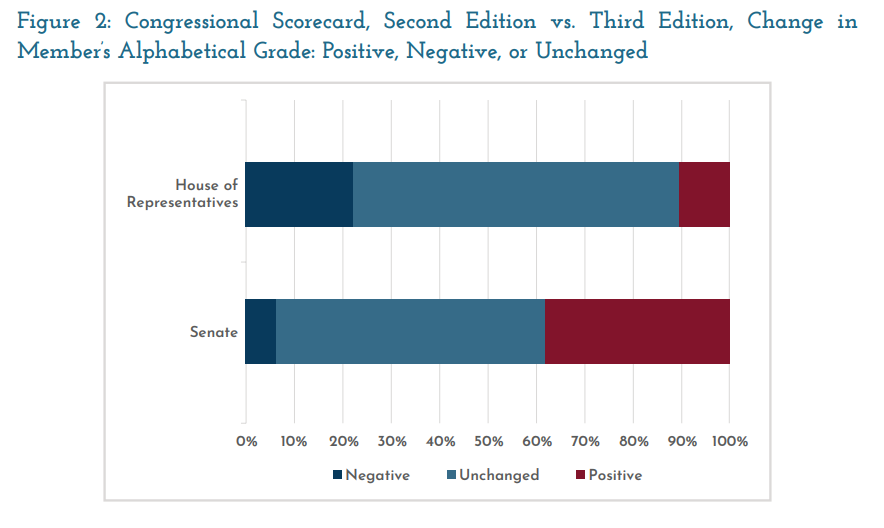
3 days agoDespite Growing Number of IP Advocates in Congress, C4IP Scorecard Finds Weak IP Engagement Overall
Patent legislation is perceived to have a more negative impact than proposed copyright legislation according to C4IP's Congressional Innovation Scorecard.
fromPractical Ecommerce
1 week agoBig Difference in E.U., U.S. Return Rules
In the European Union, consumers have a statutory right of withdrawal, allowing them to cancel an online purchase within 14 days of delivery without providing a reason, except for certain exceptions like personalized goods and perishables.
EU data protection
#ai-regulation

fromnews.bitcoin.com
2 days agoPACE Act Pushes Fed Payment Access for Nonbanks, Crypto Firms
Hardworking Americans shouldn't have to wait days to access their own money or pay extra just to move it. The current system is outdated. PACE Act modernizes our system to deliver faster payments, lower costs.
Cryptocurrency
fromElectronic Frontier Foundation
1 month agoDigital Hopes, Real Power: From Revolution to Regulation
66% of internet users live where political or social sites are blocked, and 78% are in countries where people have been arrested for online posts. New social media regulations have emerged in dozens of countries in the past year alone.
World politics
fromTelecompetitor
2 weeks agoDemocratic representatives ask NTIA's Roth not to change BEAD rules for SpaceX
The letter argues that SpaceX is asking the definition of 'standard installation' as shipping in a box - not a working connection - and allowing Starlink to 'falsely demonstrate compliance' with the program's 100 Mbps download/20 Mbps requirements.
SF politics
fromwww.dw.com
3 weeks agoWTO talks end in stalemate over e-commerce
"We worked hard," WTO Director-General Ngozi Okonjo-Iweala said, adding that the US and Brazil in particular "need more time" to work out their differences over the agreement to impose levies on cross-border online orders.
World politics

#copyright
Intellectual property law
fromIPWatchdog.com | Patents & Intellectual Property Law
3 weeks agoAs 'Pro Codes Act' is Reintroduced, Opponents Warn of Threats to Standards Development System
Effective copyright protections are essential for organizations to maintain high-quality codes and standards relied upon by the public and lawmakers.

Intellectual property law
fromIPWatchdog.com | Patents & Intellectual Property Law
3 weeks agoAs 'Pro Codes Act' is Reintroduced, Opponents Warn of Threats to Standards Development System
Effective copyright protections are essential for organizations to maintain high-quality codes and standards relied upon by the public and lawmakers.

fromwww.bbc.com
1 month agoUS bans new foreign-made consumer internet routers
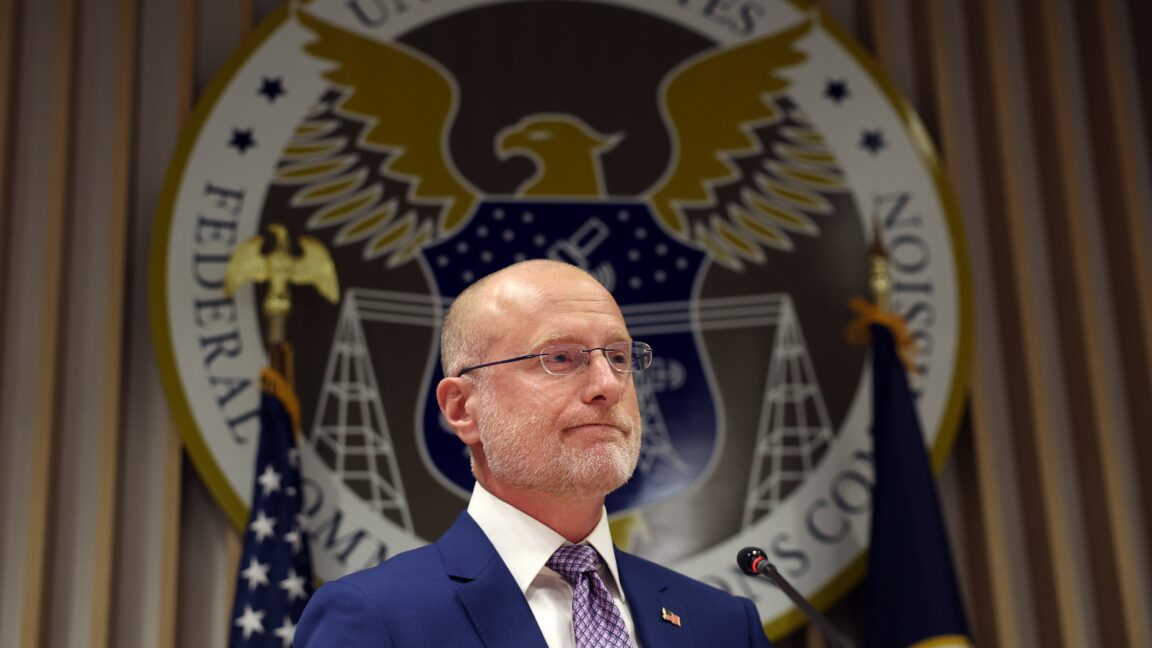
The Federal Communications Commission (FCC) added all consumer-grade routers made outside the US to a list of equipment seen as not secure enough for use, putting them on par with foreign-made drones, which were banned at the end of last year.
Privacy professionals
UK news
fromComputerWeekly.com
2 months agoBusinesses may be caught by government proposals to restrict VPN use | Computer Weekly
Limiting VPN use to under-16s risks disrupting legitimate business operations and weakening privacy and cybersecurity protections without clear carve-outs or implementation details.
Non-profit organizations
fromTelecompetitor
1 month agoNTIA's Roth addresses remaining BEAD funds
The BEAD Program achieved $21 billion in savings through Trump Administration reforms, with officials now determining how to allocate remaining funds while considering permitting improvements, workforce training, public safety communications, and addressing unserved locations.
Artificial intelligence
fromElectronic Frontier Foundation
1 month agoTech Companies Shouldn't Be Bullied Into Doing Surveillance
The Department of Defense threatened to label Anthropic a supply chain risk to coerce them into removing restrictions on military use of their AI technology, particularly for autonomous weapons and surveillance.
fromwww.dw.com
2 months agoUS and EU battle over online censorship
Recent revelations from news agency Reuters that the US is "developing an online portal that will enable people in Europe and elsewhere to see content banned by their governments including hate speech and terrorist propaganda," as a method to counter what it sees as excessive censorship in other parts of the world is troubling to the EU. Even if the plans appear to have been delayed and detail is thin, the US position is clear.
Miscellaneous
Privacy technologies
fromElectronic Frontier Foundation
1 month agoEFFecting Change: Privacy's Defender
EFF Executive Director Cindy Cohn discusses her book about three decades fighting digital surveillance through legal challenges against the Justice Department, NSA, and FBI to protect privacy rights online.
fromElectronic Frontier Foundation
1 month agoEFF Launches New Fight to Free the Law
Public Resource acquires and makes available online a wide variety of public documents such as tax filings, government-produced videos, and federal rules about safety and product designs. Those rules are initially created through private standards organizations and later incorporated into federal law. Such documents are often difficult to access otherwise, meaning the public cannot read, share, or comment on them.
Intellectual property law
fromThe Drum
2 months agoInternet service providers handed ad targeting treasure trove as congress scraps online privacy protections
President Trump is expected to sign the order this week, meaning companies who backed the repeal, such as Verizon, AT&T and Comcast, will now be free to share customer browsing habits, app usage history, financial information, location data, social security numbers and content of communications. The wealth of data will pave the way for more highly targeted ads and could step up competition with advertising behemoths such as Google and Facebook.
fromIPWatchdog.com | Patents & Intellectual Property Law
1 month agoOpinion: The ITC Has Lost Sight of the Public Interest
The U.S. International Trade Commission (ITC)-an agency with the extraordinary power to block imports and, in turn, influence the direction of American technology policy-has drifted out of that balance. To align with the Trump Administration's intellectual property priorities and pro-investment agenda, the ITC is in urgent need of reform.
Intellectual property law
US politics
fromTruthout
1 month agoOnce a Niche Topic in Federal Lobbying, AI Is Now a Major Area of Focus
Defense contractors and AI startups are dramatically escalating lobbying efforts around artificial intelligence, with AI-related lobbying clients increasing 423% and reports rising 505% from 2020 to 2025.
[ Load more ]