#joao-fonseca
#joao-fonseca
[ follow ]
#residential-architecture #architecture #brazilian-cinema #art #sao-paulo #landscape-integration #surrealism
#architecture

Design
fromdesignboom | architecture & design magazine
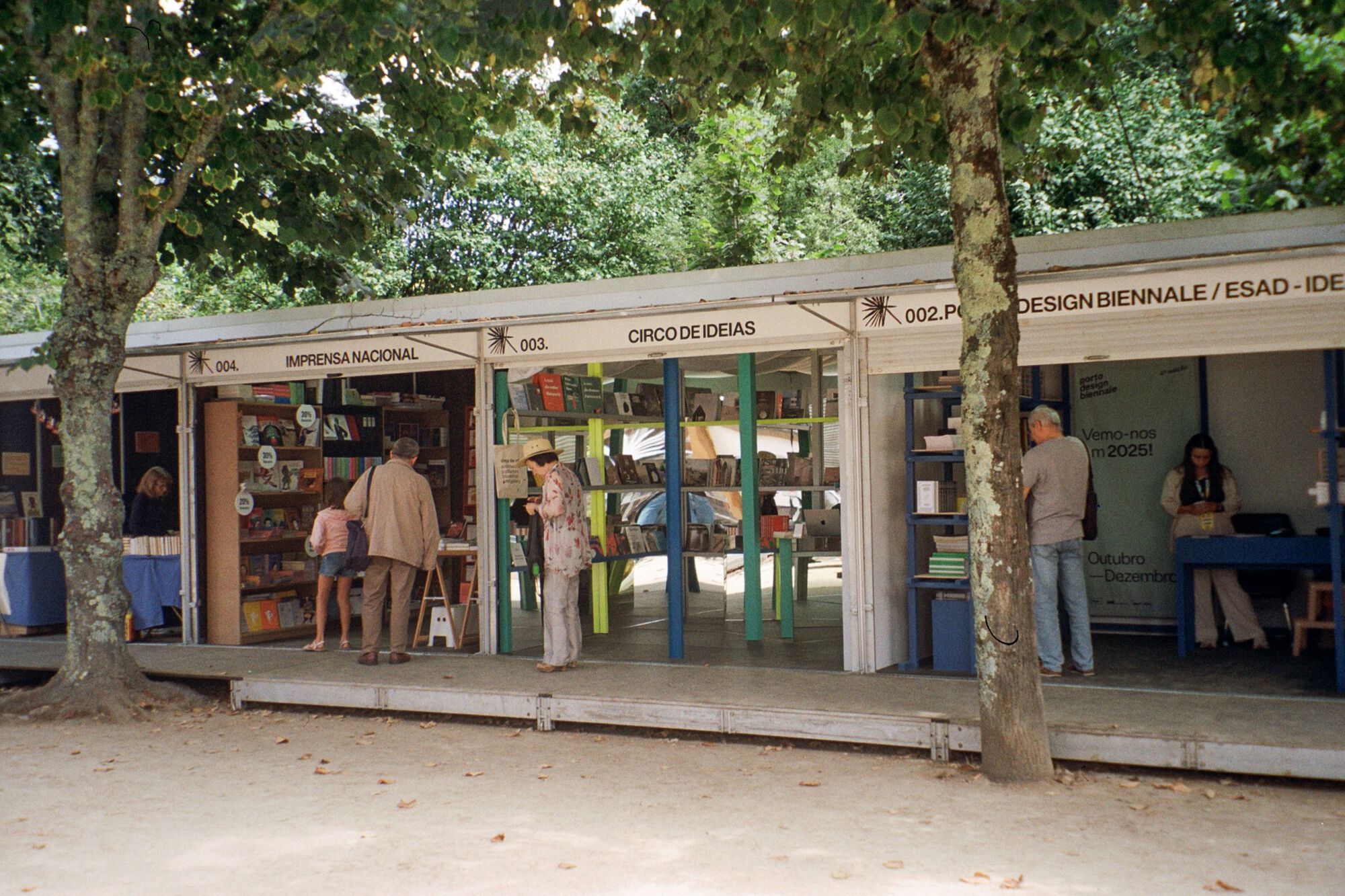
1 week agofala turns leftover metal into color-coded grid that multiplies itself through mirror in porto
Fala atelier creates a vibrant, mirrored pavilion for Porto's book fair, transforming a small space into an expansive, reflective installation.
fromArtnet News
3 days agoPainting Has Entered Its Performance Era | Artnet News
Much of Instagram's video content is organized around transformation-the virtual magic of the before-and-after and clips that show cause and effect. A person makes pasta from scratch in 20 seconds via edits that compress time-intensive labor.
Arts
fromAnOther
1 week agoYoung-jun Tak's Eyes Are Always on the Audience
"It's bizarre to watch people in this way - even in gay cruising areas you wouldn't stare at other bodies this intensely. Now, whenever I go to a concert, especially at the Berliner Philharmonie with its encircling seating, my gaze hovers over the audience as well as the stage."
Berlin
fromBOOOOOOOM!
4 weeks agoIllustrator Spotlight: Cezar Berje
Cezar Berje's visual approach is a mix of chaos-vibrant colours, symbols, and new age psychedelia. His illustrations often suggest universes within universes, with each part of the image telling its own story through symbols and references.
Graphic design


Graphic design
fromItsnicethat
1 month agoDiogo Potes' paintings take poetic licence to a whole new level
Diogo transitions from two decades of client-focused graphic design to liberated painting, abandoning narrative cohesion and readability constraints for experimental, textured, and visually transgressive work.
Arts
fromArtnet News
1 month agoInside the First Edition of Conductor: The Art Fair of the Global Majority
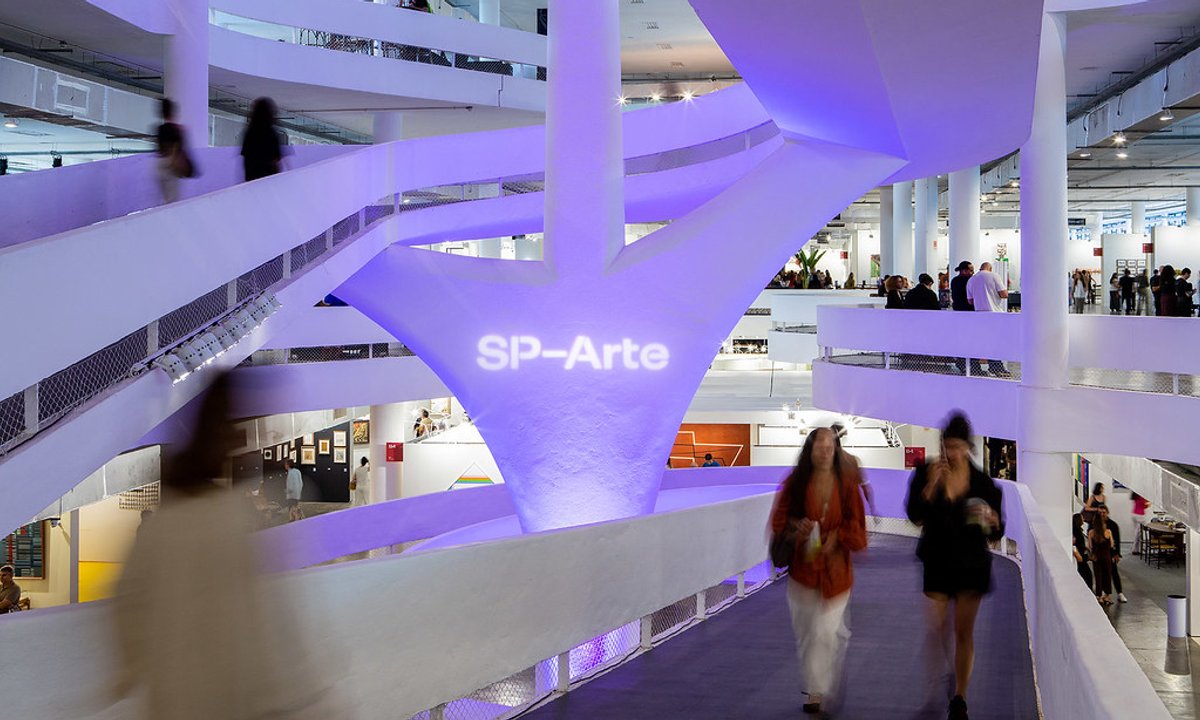
Conductor: Art Fair of the Global Majority debuts April 30-May 3, 2026, centering artists from Africa, Latin America, Asia, the Caribbean, the Middle East, Oceania, and Indigenous nations historically underrepresented in New York's art market.
Design
fromThe Art Newspaper - International art news and events
1 month agoSao Paulo pop-up exhibition spotlights spherical home by architect Eduardo Longo
The fifth edition of an annual art, architecture, and design exhibition opens in São Paulo, featuring six galleries, over 50 artists, and newly commissioned works across two landmarks including a spherical home designed by architect Eduardo Longo.
Film
fromThe Independent
1 month agoThis Brazilian Oscar contender has the best acting you'll see in 2026
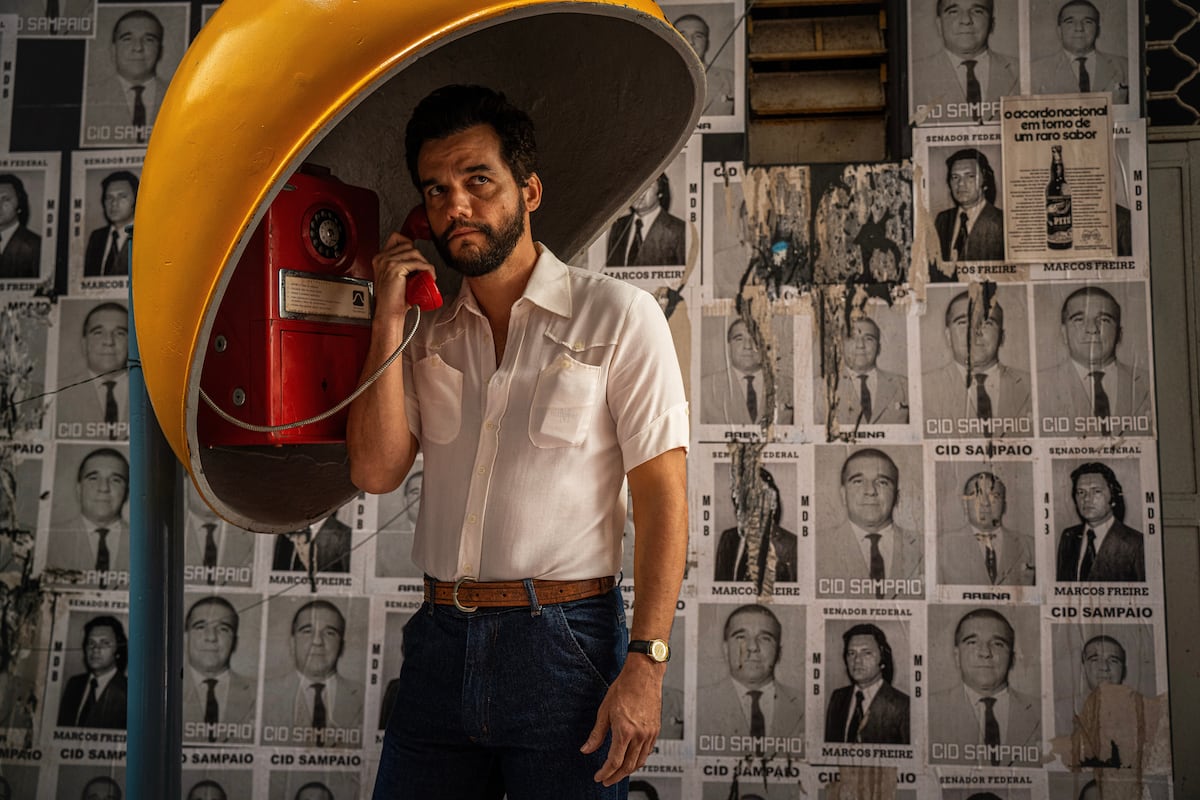
The Secret Agent portrays Brazil's 1977 military dictatorship through hallucinatory pulp-horror, blending political thriller, grotesque surrealism, and dark comedy centered on a vengeful disembodied limb.
fromwww.archdaily.com
3 months agoKoffiqa Coffee Shop / Lea Daniel
Courtesy of Lea Daniel + 13 Architects: Lea Daniel Area of this architecture project Area: 190 m Completion year of this architecture project Year: 2025 Brands with products used in this architecture project Manufacturers: Fabraca Studios, Frama, Hay Design, Slo Ceramics, The Bowery Company Lead Architects: Lea Daniel More SpecsLess Specs Courtesy of Lea Daniel Text description provided by the architects. Koffiqa reimagines an awkward plan as a spatial journey, using a continuous bar to
Coffee
Miscellaneous
fromThe Art Newspaper - International art news and events
1 month agoComment | Art is more than its original context
Understanding art's original context enriches appreciation, yet modern viewing conditions and lost contexts require adapting how we engage with artworks across different settings and time periods.
fromHyperallergic
1 month agoEmbracing Friction in the Art World
On Franklin Street in Brooklyn's Greenpoint neighborhood, one non-commercial gallery fosters 'a small, stubbornly human space for friction.' Friction—the ubiquitous buzzword that captures the simultaneous delight and discomfort of doing things the slow way—is at the heart of artists Pap Souleye Fall and Char Jeré's current show at Subtitled NYC. It also reflects the overall spirit of this little exhibition space and of a burgeoning movement to reject our culture of optimization in favor of a bumpier, more intimate, less alienating experience.
Arts
Music
fromwww.theguardian.com
2 months agoFabiano Do Nascimento & Vittor Santos Orquestra: Vila review | Ammar Kalia's global album of the month
Fabiano do Nascimento combines virtuosic fingerpicked guitar with Vittor Santos's 16-piece orchestral arrangements to create lush, percussive, bossa-influenced instrumental music on Vila.
fromwww.theguardian.com
2 months agoI've been advised not to say certain things': The Secret Agent makers on Oscars, dictators and death threats
Unusually for a political period drama that is not in the English language, runs nearly three hours and peppers its authentic portrayal of a military dictatorship with sight gags and gory shootouts, The Secret Agent has transpired to be quite the awards magnet. Best picture and best actor, for its star Wagner Moura (who recently won a Golden Globe), are two of the four categories in which it will compete at next month's Oscars.
Film
Arts
fromKALTBLUT Magazine
1 month agoCelebrate the Unconventional: Discover Fernando Carpaneda's Solo Exhibition at the Arkell Museum - KALTBLUT Magazine
Fernando Carpaneda's solo exhibition at the Arkell Museum showcases expressive portraiture celebrating LGBTQIA+ narratives and everyday urban life through vibrant acrylic paintings.
fromOpen Culture
2 months agoBrazilian Musician Seu Jorge Performs 15 Iconic Bowie Songs in Portuguese to Mark the 10th Anniversary of Bowie's Passing
In 2004, the Brazilian musician Seu Jorge recorded a series of Portuguese covers of David Bowie songs for Wes Anderson's film The Life Aquatic with Steve Zissou. The next year, he released a full album of 13 Bowie classics, and in 2016-2017, he even took the songs on tour. Now, in 2026, to mark the 10th anniversary of Bowie's passing, Jorge returns with the performance above.
Music
fromArchDaily
2 months agoHouse of Remarks / fala 171
The new structure enters the existing building on its own terms. A row of thin metal poles carries an I-beam stretching from front to back. When needed, beams are interrupted. These cuts are exposed and celebrated. The new elements are painted in bright red and blue. They occupy positions within the space that are deliberately disruptive, blocking doors, windows and passages. Because of that inconvenience the structure becomes visible. It is an active participant of the space.
Remodel
#mixed-media-sculpture

Arts
fromJuxtapoz
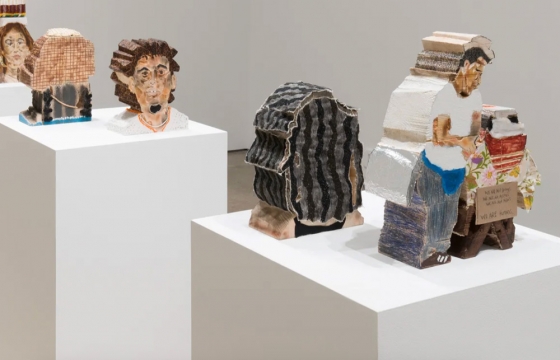
1 month agoJuxtapoz Magazine - Rise above it: John Rivas @ Francois Ghebaly New York
Salvadoran-American artist John Rivas expands his mixed-media practice into hand-carved wooden sculpture, exploring cultural identity, family labor, and personal memory through material resourcefulness and collaborative processes.
fromArchDaily
2 months agoAndre Fernandes Apartment / Joao Marujo + Orlando Naj
The renovation project for this apartment aimed to enhance the spaciousness of the original 1970s floor plan, overcoming certain shortcomings through minor interventions. The scarcity of natural light and the need to expand the living areas prompted a rearrangement of the kitchen, laundry, and living room programs, as well as the connections between them. In this shift, the laundry room was relocated to the apartment's private wing.
Renovation
fromDesign Milk
2 months agoInside Lee Broom's Latin American Exhibition at Diez Company
Now, he celebrates his first major presentation in Latin America, in congruence with Mexico City Art Week 2026 and ZSONAMACO, showcasing on an ideal stage inside one of the city's most architecturally layered interiors. Titled The Resident, the site-responsive installation, created during a residency at the Diez Company house, transforms the historic showroom into an immersive tableau where more than 50 works negotiate the boundaries between collectible design, contemporary art, and spatial theater.
Design


fromwww.archdaily.com
1 month agoBarao Geraldo House / Gil Mello Arquitetura
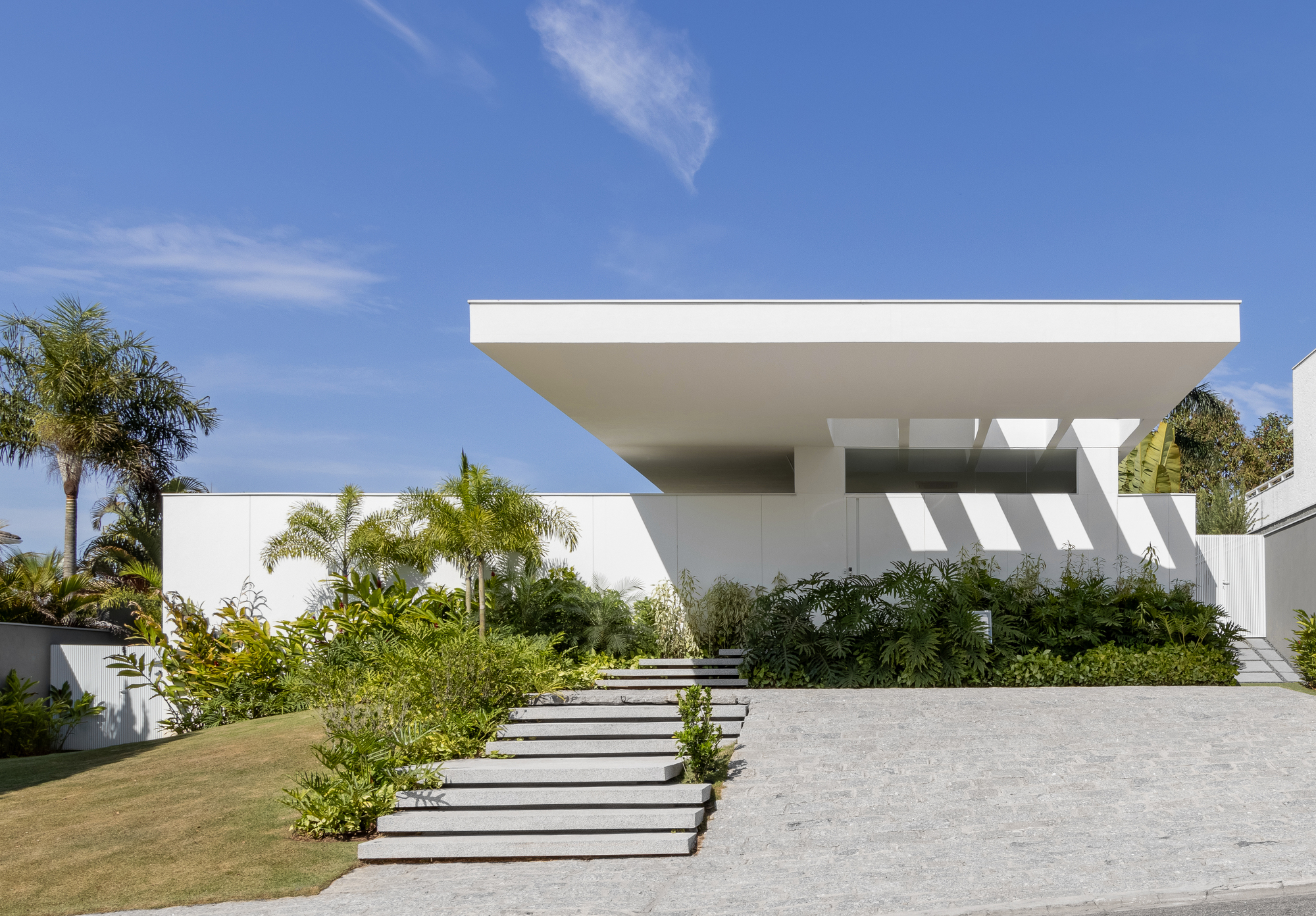
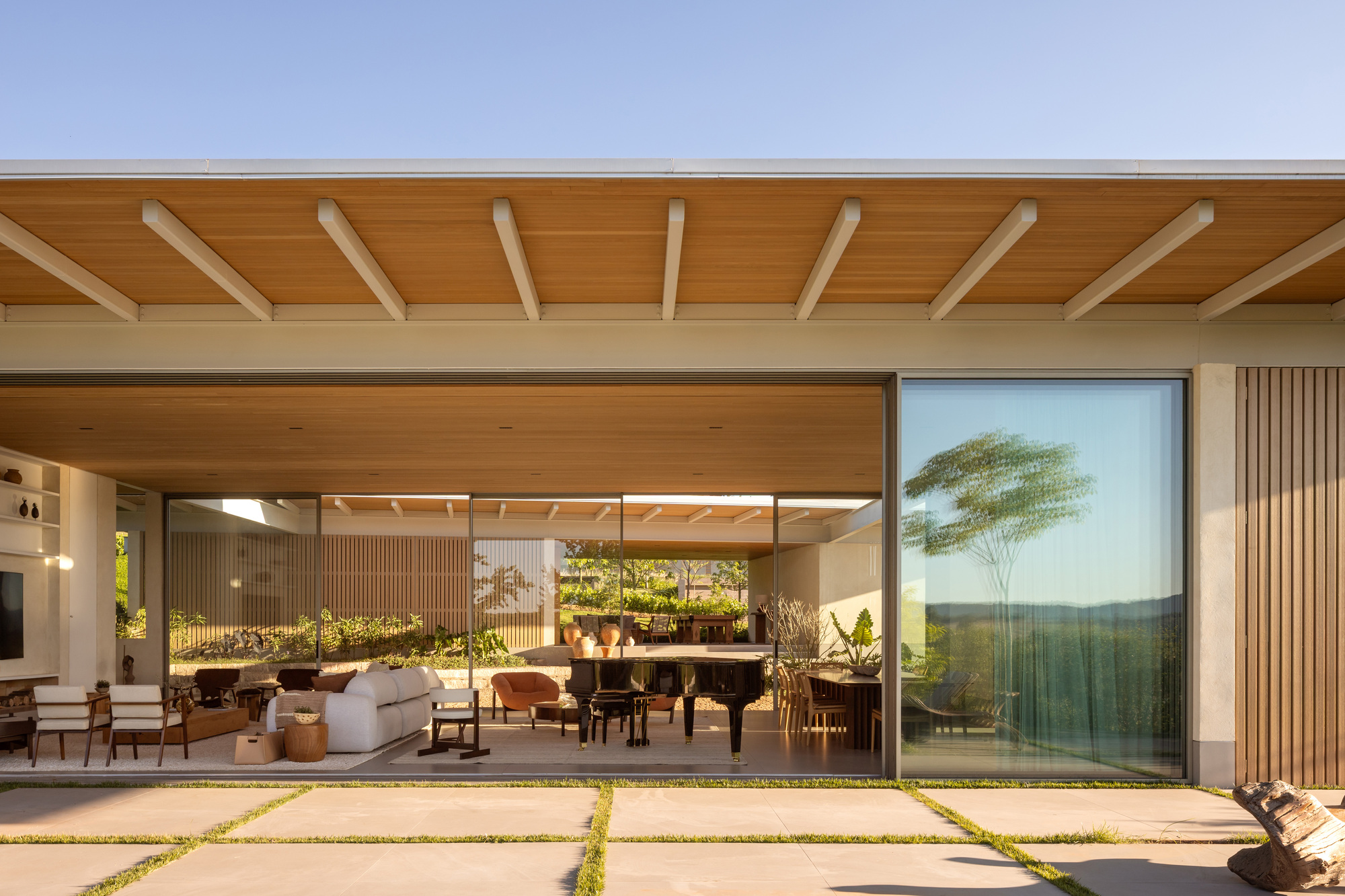
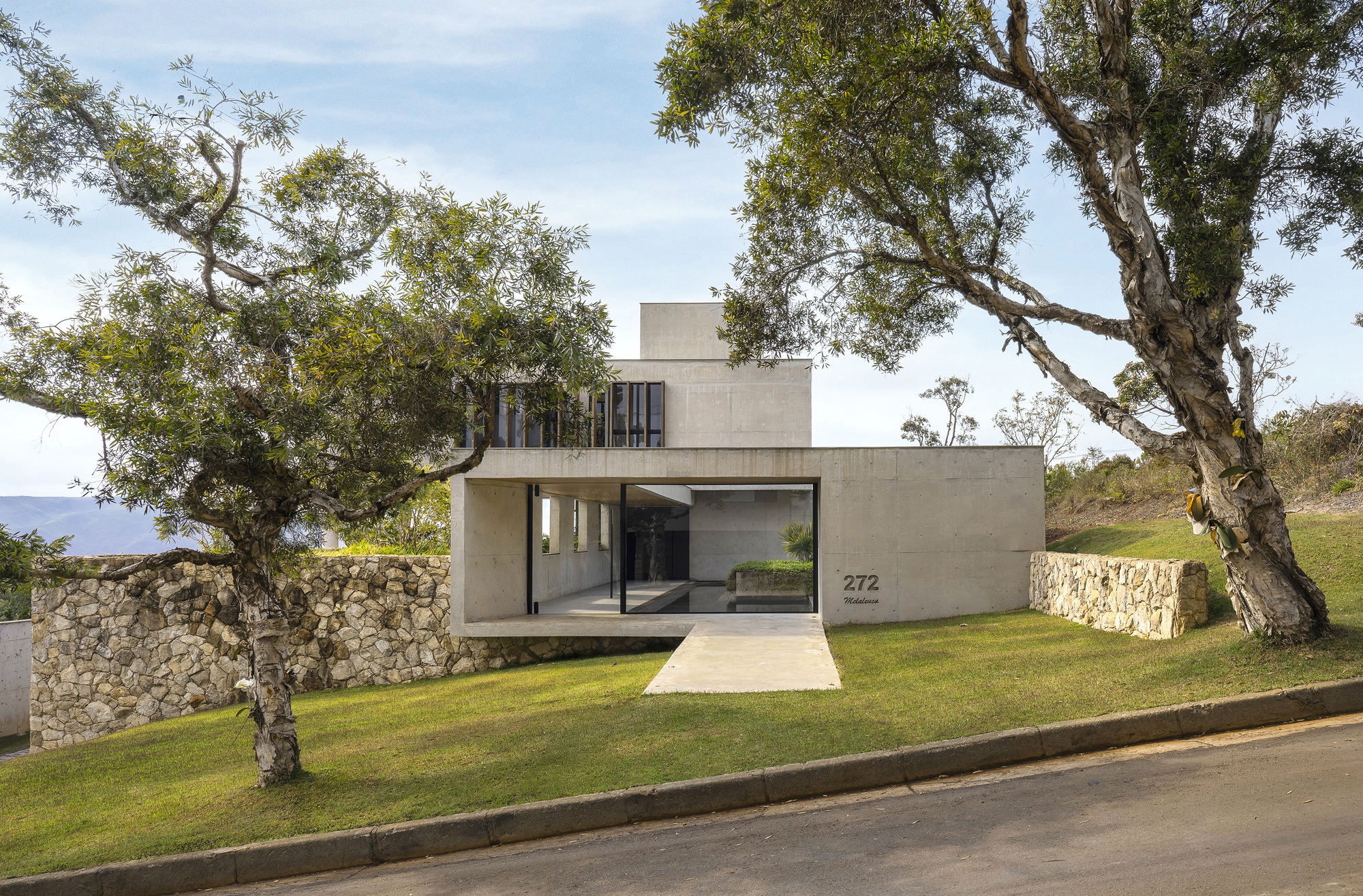
The expansion project of this residence was carried out with the acquisition of the neighboring lot adjacent to the existing residence, with its original profile and vegetation preserved. Two new buildings were proposed for this lot.
Renovation
Design
fromdesignboom | architecture & design magazine
2 months agoBUREAU assembles fragments of iconic institutions into scenography for garagem sul, lisbon
Exhibition design operates as architecture by exposing construction, reusing materials, and transforming institutional references into adaptable civic space.
fromColossal
2 months agoRegina Silveira Pieces Together an Evolving Narrative of Latin America
Regina Silveira has spent the better part of three decades considering the relationship between media and meaning, particularly as it relates to Latin America. First presented in 1997, "To Be Continued..." features 100 black-and-white reproductions of photos, newspaper clippings, propaganda, advertisements, and more. Silveira nests each image into an oversized puzzle piece, which cuts off faces and scenes to leave fragments of pop culture icons, flora and fauna, and even the occasional mugshot spliced next to one another.
Arts
Design
fromdesignboom | architecture & design magazine
2 months agoatelier yokyok sculpts sphere land installation out of black schist and granite in portugal
A hand-built, five-metre stone sphere in rural Portugal bridges local geology, cultural history, and low-tech construction while providing an inhabitable, nest-like shelter.
fromArtnet News
1 month agoHow Wifredo Lam Made Surrealism More Surreal Than the Surrealists | Artnet News
An exhibition of Wifredo Lam is about as safe a bet as the Museum of Modern Art can place and still plausibly say that it's a bet on expanding the canon. The Cuban artist is one of the most famous painters of the 20th century, featured in almost every single key show about Surrealism. MoMA acquired his famous painting The Jungle in 1946, a few years after he made it.
Arts
fromdesignboom | architecture & design magazine
2 months agoSO arquitetos builds coastal 'casa da rocha quebrada' as a grid of framed views
Casa da Rocha Quebrada by SO Arquitetos stands on the southern coast of São Miguel in the Azores, occupying the final open plot along a line of older houses facing the Atlantic. Set against lava rock and open water, the house addresses a landscape shaped by salt and wind, where buildings are designed to endure the coastal elements. The project was conceived for the parents of one of the studio's founders, a circumstance that allowed decisions to remain close to daily use and long-term inhabitation.
Design
fromdesignboom | architecture & design magazine
2 months agoradical and spherical 'casa bola' to host upcoming sao paulo exhibition ABERTO5
For ABERTO5, the itinerant exhibition series is set to open next month at Casa Bola, Eduardo Longo's spherical residence in São Paulo, opening the architect's private home to the public as the setting for its fifth edition. From March 7th to May 31st, 2026, ABERTO returns to Brazil after its Paris chapter at Le Corbusier's Maison La Roche (read more here) and shifts its attention to one of the city's most unique dwellings.
Arts
Arts
fromdesignyoutrust.com
2 months agoArtist Paints Smoky Lounges And Quiet Strangers, Letting Halffinished Details Turn Viewers Into Coauthors Of The Scene
A wide-ranging visual roundup showcases creative reinterpretations, vintage design, activist art, photography, illustration, and humorous cultural works spanning contemporary and historical styles.
fromColossal
2 months agoBruno Pontiroli Tests the Boundaries of Familiarity in His Uncanny Wildlife Paintings
The artist is known for his absurdist paintings of animals with overly long legs, contorted bodies, or myriad mutant-like heads or limbs. They're often set amid woodlands or meadows evocative of 18th- and 19th-century academic landscape paintings or depictions of formal hunts. Instead, both domesticated and wild animals graze as normally as they would without dozens of heads or udders attached in unnatural places around their bodies.
Arts
[ Load more ]