#nightlife-initiative
#nightlife-initiative
[ follow ]
#nightlife #san-francisco #live-music #community-events #new-york-city #travel #community #architecture
fromwww.amny.com
15 hours agoPacha New York brings global dance legacy to Brooklyn with star-studded opening weekend | amNewYork
Pacha New York aims to serve as a meeting point where global electronic artists, local creatives, and next-generation audiences can converge, fostering a vibrant dance culture.
NYC music
fromDesign Milk
19 hours agoSabah House NYC Pays Homage To Set + Setting
Sabahs are made entirely by hand from 100% leather in either Texas or Turkey—two regions with distinct yet deeply rooted relationships to the material. The result is a shoe that varies subtly from pair to pair, even within the same size.
Brooklyn

NYC LGBT
fromNew York Post
1 day agoExclusive | BK's hottest movie night is at a century-old, Italian-American social club - and hipsters can't get enough
A 138-year-old Italian-American social club in Brooklyn hosts a popular film night, attracting diverse crowds with classic movies and homecooked meals.
fromdesignboom | architecture & design magazine
2 days agolook back on olympus perspective playground: a traveling series of room-sized dreamworlds
The Olympus Perspective Playground operates as a fully built system, where walls, lighting rigs, circulation paths, and signage are developed together with each installation, creating a continuous spatial script.
Berlin
fromEater LA
3 days agoThe White-Hot Cannabis Scene in West Hollywood Has Dampened. Will Hawthorne Takes Its Place?
In 2019, the Original Cannabis Cafe, formerly Lowell Cafe, burst onto the scene. It was the nation's first legally permitted cannabis restaurant, with long lines snaking out of the venue and down La Brea Avenue.
Cannabis
fromOregon ArtsWatch * Arts & Culture News
2 days agoIntroducing ArtsLink, a hub for posting and finding essential information * Oregon ArtsWatch
ArtsLink is envisioned as an essential community resource that aims to increase visibility, spur audience engagement, and strengthen the local arts and culture ecosystem.
Portland
fromEast Bay Express | Oakland, Berkeley & Alameda
3 days agoThe Back Room lives!
The Great Recession, and then the pandemic, did in some of the last holdouts. But not Berkeley's Back Room, which celebrates its 10-year anniversary this month. The Back Room's survival is due to the passion of its founder, Sam Rudin, the musicians who love it and come back time after time to play there, and the commitment of audience members who know the experiences they have there are truly memorable.
Berlin music
fromIndependent
1 day agoNoise experts carry out inspections in row between Hoxton hotel and Yamamori Izakaya nightclub
The Hoxton, formerly the Central Hotel in Exchequer Street, claims it has had to close 31 bedrooms because of complaints from guests about noise from the Yamamori Izakaya restaurant and nightclub/late night bar.
London
fromTasting Table
3 days ago6 Benefits Beer Brings To Your Garden - Tasting Table
A beer trap is another brilliant way to protect your plants. It may not completely rid your garden of these pests, but it does have benefits. For one, the beer trap traps and drowns slugs. The other is that, in the process, you are enticing them away from crops you want to protect.
Beer
fromIndependent
1 week agoThe Swedish social worker documenting Dublin pub culture: 'I usually have a Guinness in one hand and a camera in the other - and I talk to people'
Carina Hedlund has visited Ireland over 30 times since 2011, capturing the warmth of the people she meets in the capital's pubs with her camera.
Berlin


fromThe Art Newspaper - International art news and events
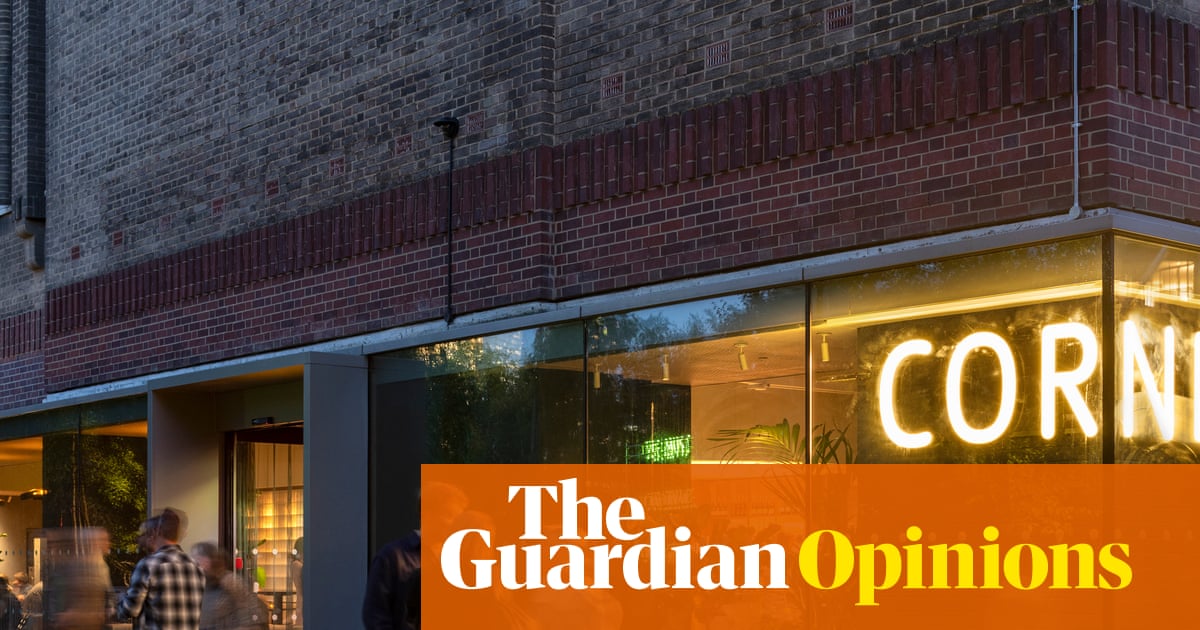
2 months agoClub for working class art professionals expands from London to Manchester
"Working Arts Club was always going to exist outside of London because class issues in the art world are systemic not geographic," founder Meg Molloy, who works in London as a freelance communications consultant for the art world. "The need for what our network can do is widespread and going to Northern England felt like a natural next step in our operations."
Arts
[ Load more ]