Exercise
fromBusiness Matters
1 day agoWhy Every Fitness-Related Business Needs a Fitness App
The fitness industry must adopt mobile solutions to remain competitive and meet the growing demand for personalized digital fitness experiences.
Peloton's stock traded at a magical $125 in mid-2021, when people were trapped in their homes and wanted the exercise experience they had in the gym. By October 2022, the stock dropped to $7. It was down to $4 shortly after that, and has not improved by much more than a dime.
Youth 4 Youth was built by players who are currently living the journey. We're taking the doors we've walked through and holding them open for the next generation.
I just make protein a priority. I try to get it in every meal and every snack. Research suggests these amounts are best for staying full and supporting muscle health.
After a tough workout, your body enters a state of stress: muscle fibers are damaged, energy stores are depleted, and hydration levels drop. This is a critical moment. If your body gets the right nutrients, it starts rebuilding immediately. If not, recovery slows down, and so does progress.
Tyburski was a professional adventurer, financing his pursuits via magazine articles and speaking gigs, and even making a documentary about his quest. His whole raison d'etre was to push past his limitations, showing what a person is capable of when their mindset is strong enough.
Food logging can be done in a few ways, including searching a database, scanning barcodes, or using AI-based camera analysis. Simpler items like eggs and fruit are identified well, but complex meals can be frustrating due to lighting and AI limitations.
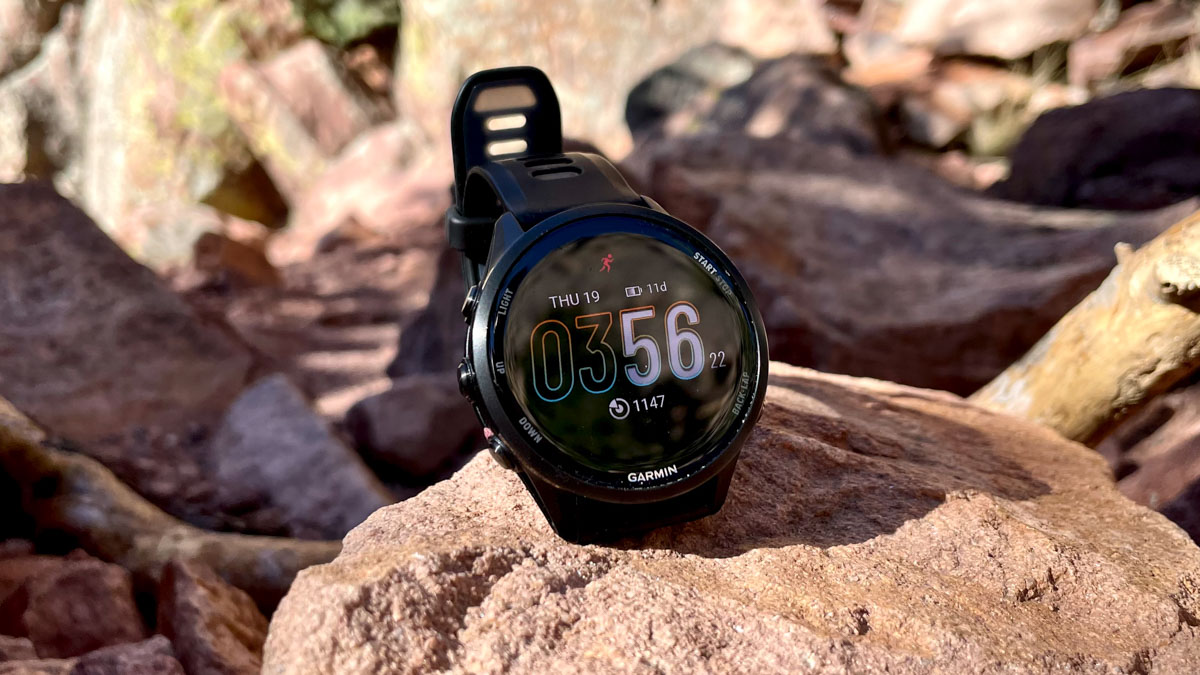
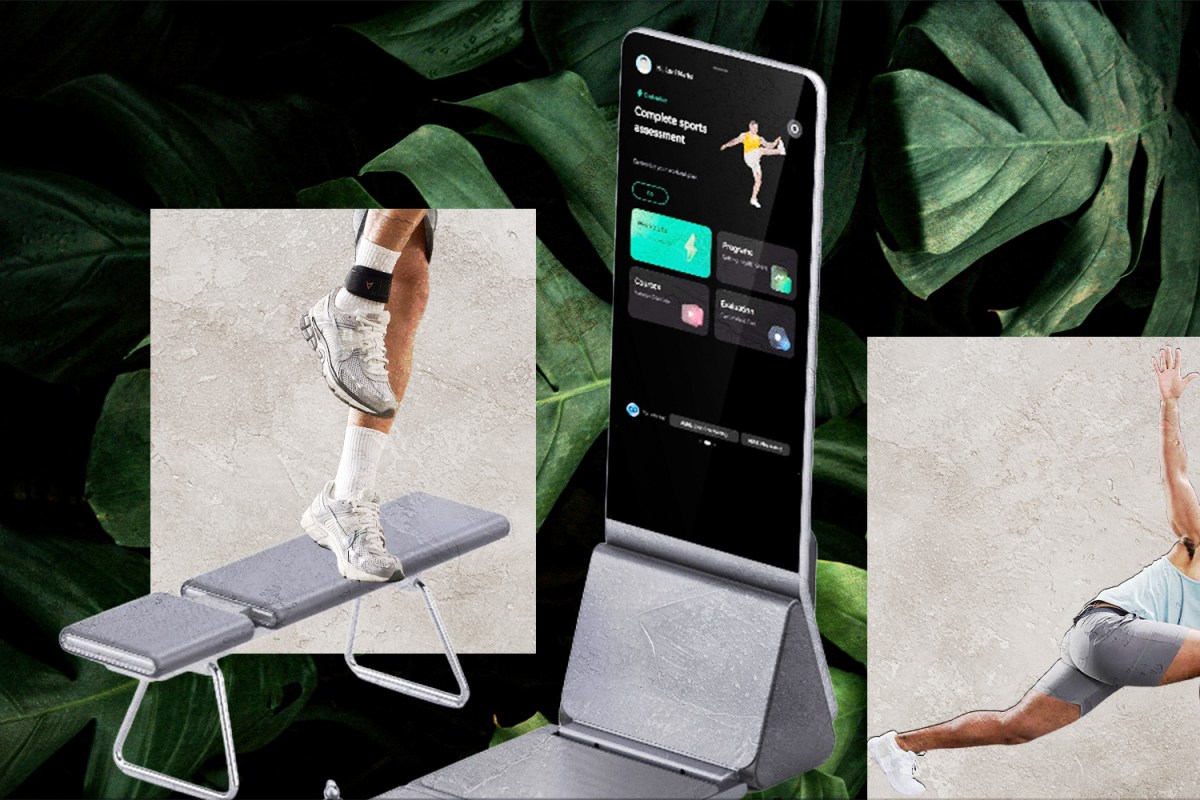
Body agency is a power returned after an incident took it away from the user's physical form, and some wearable devices and technologies have this exact goal in mind.
Super shoes and ultralight gear make a difference, but with new advancements in artificial intelligence (AI) that can look at our running form and compare it to the ideal, analyze our nutrition intake from a simple photo and help us plan our diets, and offer guidance on training and recovery, the interwovenness of technology and running is only set to increase.
In 2018, Sharples and his research lab, now at the Norwegian School of Sport Sciences in Oslo, were the first to show that exercise could change how our muscle-building genes work over the long term. The genes themselves don't change, but repeated periods of exertion turns certain genes on, spurring cells to build muscle mass more quickly than before. These epigenetic changes have a lasting effect: Your muscles remember these periods of strength and respond favorably in the future.
"It's not great, if I'm being honest. From amending my answer to the question "how ya doing Roth" at the very beginning of this week's episode of The Distraction, it is clear that things are not going great. But for the second straight week, we found a way to split our episode between the Not Great stuff and being stupid about sports, with the result being one of the most enjoyable hours of my week."
Cross training and running go together like peanut butter and jelly. If you build it into your schedule intentionally, strategically, and with a clear understanding of what you're trying to accomplish, you'll thrive. Megan makes the case that cross-training serves runners for several distinct reasons, and the right reason for you will shape how you approach it.
We use the IMU sensors to detect which exercise the user is performing and identify the period engaging in concentric, eccentric, or isometric hold. These are the three main types of lifting exercises; you might know them as contracting, lengthening, or static exercises. The Fort uses the wrist as a proxy for bar velocity, and the company is seeking FDA clearance and will also be pursuing large, third-party studies from independent labs.
In this episode of the On Coaching Podcast, Steve Magness and Jon Marcus discuss the concept of 'fit but flat,' exploring the phenomenon where athletes excel in metabolic fitness but fail to perform competitively due to a lack of neuromuscular coordination. Using examples like middle-distance runner Ingram Brion, the hosts delve into how metabolic training alone can lead to race failures.
You know those people who seem to radiate energy and look like they could run a marathon at a moment's notice? The ones who somehow maintain incredible fitness without posting gym selfies or talking about their deadlift PR? I used to think they had some secret genetic advantage. Turns out, after years of observing and experimenting myself, their secret isn't found in a gym membership or expensive equipment. It's woven into the fabric of their daily lives through simple, sustainable habits.
It's just what it looks like: I time my planks then file them away, determined to last a little longer tomorrow. And sometimes I do, for several days in a row, then one day I'll collapse nearly a minute short of my personal best. I'll pound the mat like Charlton Heston at the end of Planet of the Apes, then I'll get myself together - you've got to stay cool at Equinox - and move on with my day.