#psychotic-breaks
#psychotic-breaks
[ follow ]

Productivity
fromSilicon Canals
9 hours agoPsychology says people who need to finish the chapter before they can put the book down aren't obsessive - their brain treats an unfinished narrative the same way it treats an unresolved argument, as an open loop that will consume background processing power until it closes, and that inability to stop mid-chapter isn't about the book, it's about a mind that cannot rest inside something incomplete - Silicon Canals
The brain's need for closure drives the compulsion to finish reading or resolving incomplete tasks.
#mental-health


Psychology
fromSilicon Canals
3 days agoPsychology says people who replay conversations in their head didn't develop that habit by accident - most of them learned early that saying the wrong thing had real consequences, and now their brain replays every exchange searching for mistakes and misfires like a security system that was installed in childhood and has never once been turned off - Silicon Canals
Replaying conversations stems from early experiences where words had significant consequences, leading to a defense mechanism of constant analysis.
Psychology
fromSilicon Canals
3 days agoPsychology says people who replay conversations in their head didn't develop that habit by accident - most of them learned early that saying the wrong thing had real consequences, and now their brain replays every exchange searching for mistakes and misfires like a security system that was installed in childhood and has never once been turned off - Silicon Canals
Replaying conversations stems from early experiences where words had significant consequences, leading to a defense mechanism of constant analysis.

Psychology
fromSilicon Canals
5 days agoNeuroscience reveals that the calmest person in any crisis isn't naturally fearless - their brain learned to delay panic because their childhood required them to be functional before they were allowed to be afraid - Silicon Canals
Calmness under pressure is a learned response, not merely a personality trait or temperament.
Brooklyn
fromwww.theguardian.com
1 month agoI help people with psychosis off the streets. Sometimes, their minds won't let them leave
Mental health chaplains work with homeless individuals experiencing serious mental illness, navigating the complex intersection of psychiatric symptoms, delusions, and housing instability while maintaining compassion and patience.

fromPsychology Today
2 weeks agoPeople With Bipolar and BPD Struggle in Mental Healthcare
There is a unique kind of pain in losing your mind, not just once, but over and over. Losing your perception of reality, of your emotions, of your closest relationships-both across months and multiple times a day. Knowing deep down that something is wrong but being unable to stop it.
Mental health
Medicine
fromNews Center
4 weeks agoSchizophrenia Study Finds New Biomarker, Drug Candidate to Treat Cognitive Symptoms - News Center
Northwestern researchers identified a novel schizophrenia biomarker in cerebrospinal fluid that could enable new treatments for cognitive symptoms through a synthetic protein therapeutic approach.
fromPsychology Today
1 month agoThe Deception of Depression
Depression is insidious. For people suffering from depression, joy is elusive. Depression is not only a general feeling of sadness or being down and out. It is a serious condition and needs attention. People suffering from depression cannot just get over it and move on. They need support, healing, and to discover the epicenter of their pain.
Mental health
fromPsychology Today
1 month agoYou Want a Clinician Who Treats You as Person
Evidence Based Medicine was formalized in the 1990s, largely by Canadian physician David Sackett. Sackett described the goal of EBM is to replace hunches and habits with data and clinical trials. Clinical guidelines were developed involving protocols that tell doctors which drug to prescribe first, what dose to use, when to escalate treatment, and when to refer a patient to a specialist.
Medicine
fromwww.theguardian.com
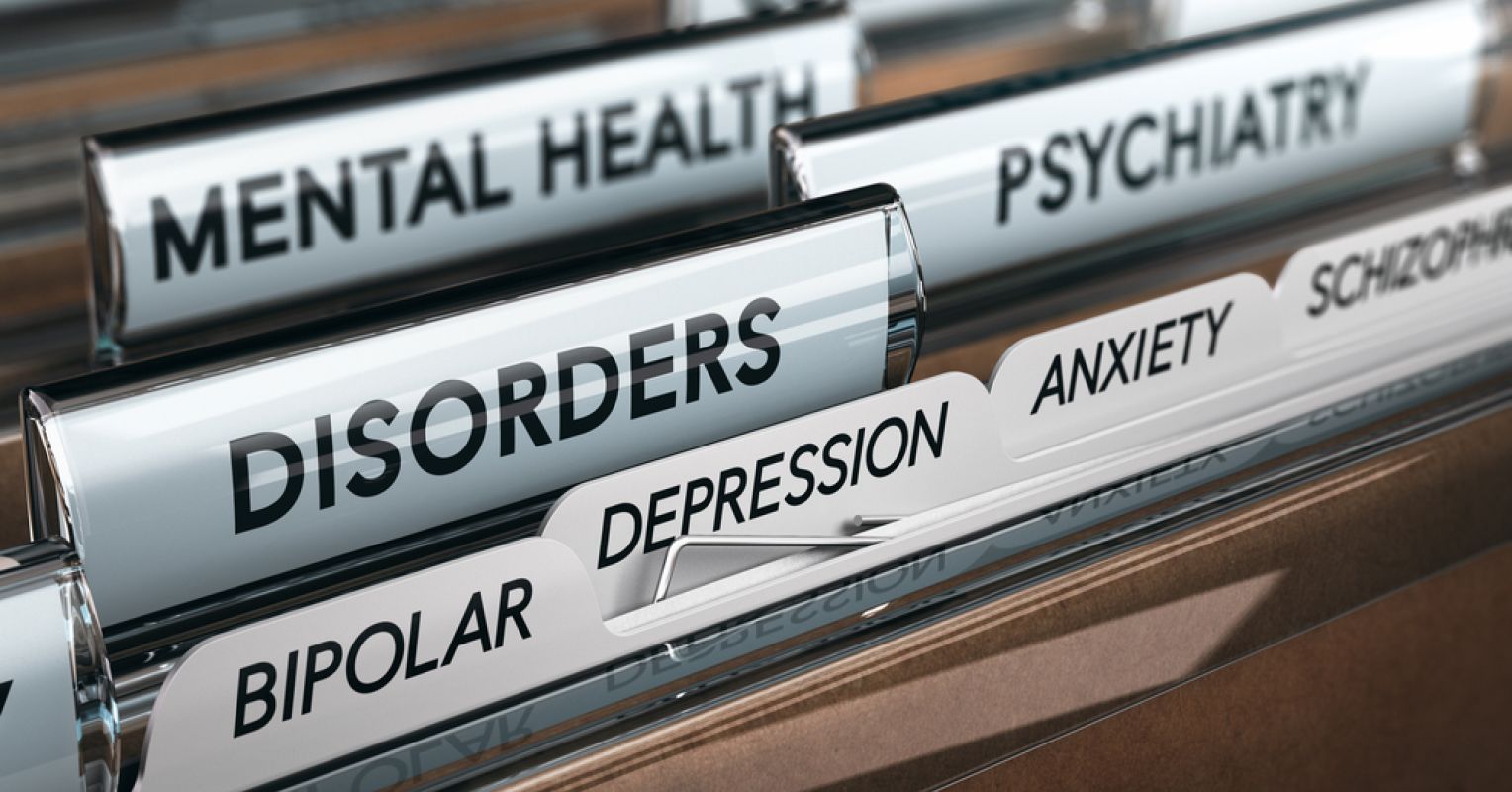
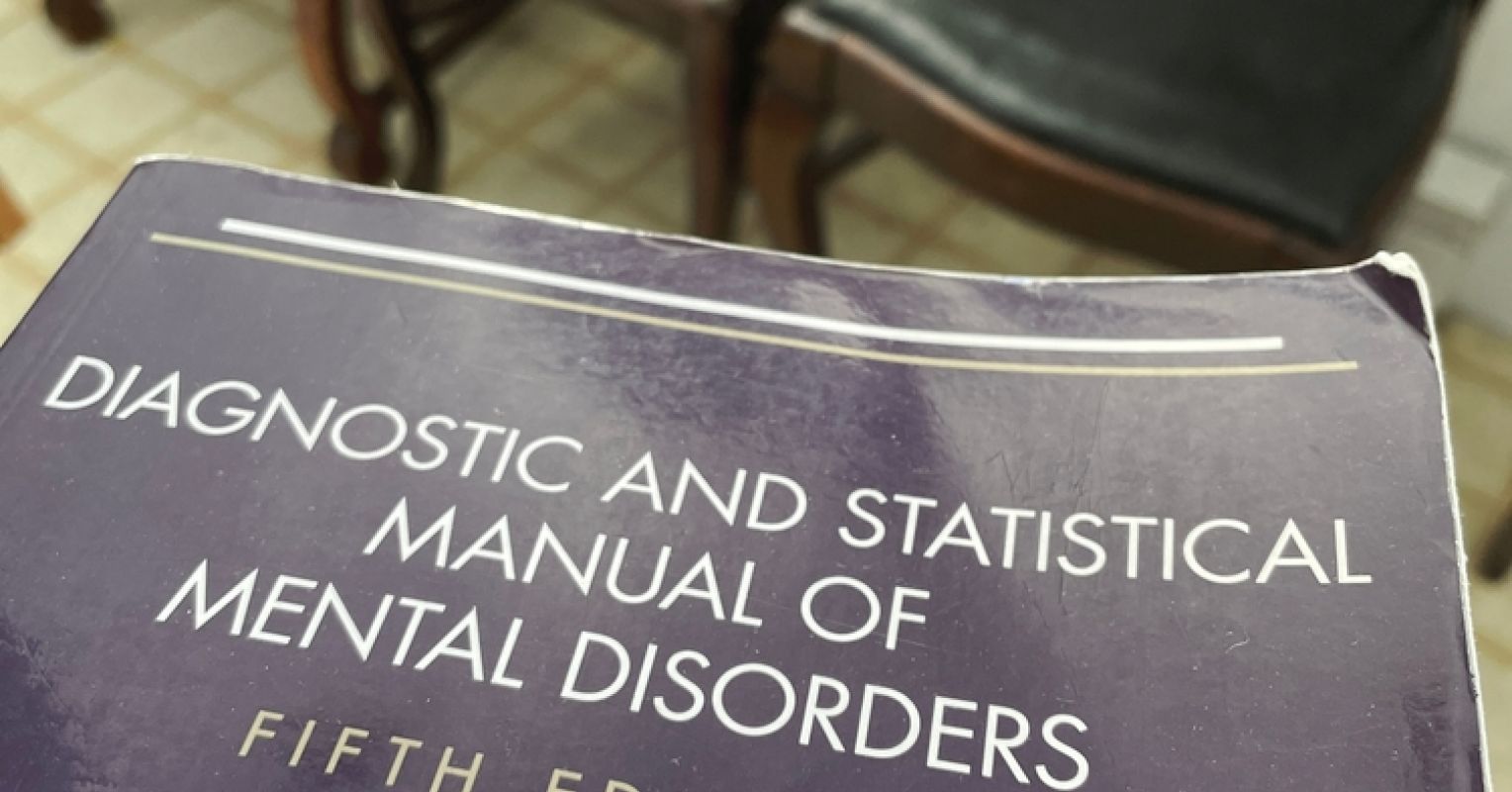
1 month agoDiagnosing mental health conditions need not be a case of yes/no | Letters
If we treat ADHD as binary (you have it or you do not), we are missing the possibility that we all lie somewhere on a continuum with diagnosed ADHD towards one end (and perhaps an ability to focus and concentrate at the other). A diagnosis of ADHD then depends on where the line is drawn. I suggest that this line has been moved in recent years, so that a large group of people have been caught up in the positive ADHD group, who would not have been previously.
Mental health
fromwww.theguardian.com
2 months agoPsychiatric drugs aren't always the answer | Letter
Yes, there has been a shocking lack of progress in developing transformative psychiatric medicine (We need new drugs for mental ill-health, 5 February), but this may be because in mental health, drugs are not always the answer (see, for example, Richard P Bentall's Doctoring the Mind). Huge progress has been made in the effectiveness of talking therapies for example, free effective treatment for post-traumatic stress disorder (PTSD) is available to all UK army veterans through the charity PTSD Resolution.
Mental health

[ Load more ]