#rice
#rice
[ follow ]
#cooking #cooking-tips #cooking-techniques #burrito #recipes #vegetarian #japanese-cuisine #yankees #grain-bowls

Design
fromdesignboom | architecture & design magazine
3 months agocan discarded rice become building material? examining a value cycle for wasted grain
Discarded rice can be reframed as a moldable, durable composite material through combining grains and binders, creating design value beyond consumption.
fromTasting Table
3 months agoDon't Serve Rice Right After Cooking - Here's Why - Tasting Table
"Even just a few minutes makes a difference," Daud explains. "Resting lets the excess steam escape and gives the starches time to settle, so the rice ends up fluffy instead of wet or clumpy." Daud adds that the go-to time is 10 minutes for a standard amount of rice, but larger batches can require a longer rest. "If I'm making a bigger batch for a dinner party," she says. "I usually give the rice around 30 minutes to rest." However, when making certain "cultural dishes" like maklouba, Daud notes that she will "let it rest up to an hour or even a bit more before serving."
Cooking
fromwww.scientificamerican.com
4 months agoHeal your injuries faster using motion as the new potion
When you have an acute injury, your body is sending signals through the peripheral and central nervous systems and the immune system to say, hold on, I need to stop doing this so we can allow the tissue to heal, says Ericka Merriwether, a physical therapist and pain researcher at New York University. Rest, after all, is the first part of the familiar RICE therapy, which stands for rest, ice, compression and elevation.
Health
Cooking
fromTasting Table
4 months agoThis Rice Red Flag At A Taqueria Should Make You Turn Around And Leave - Tasting Table
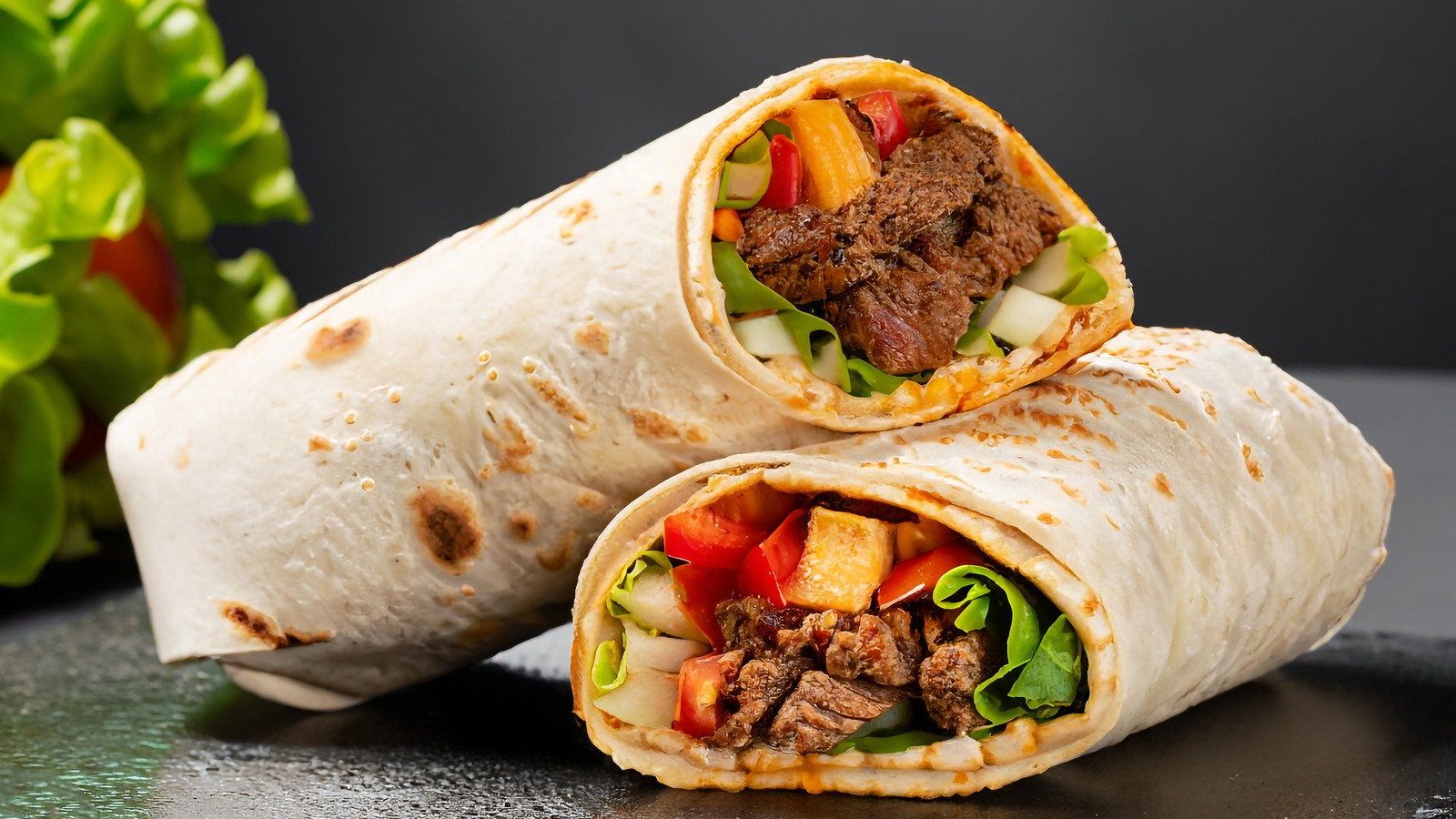
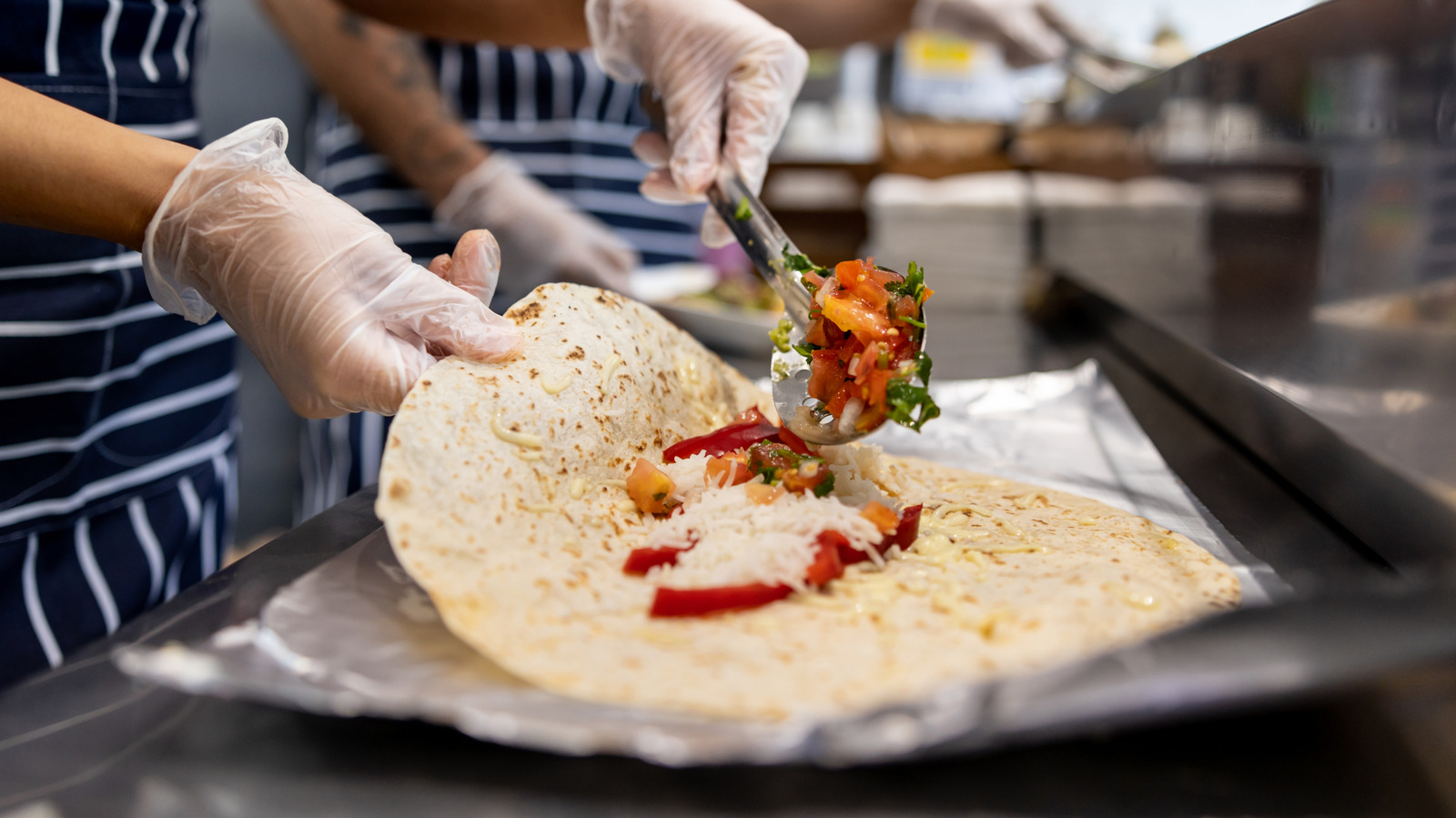
Proper Mexican rice requires slower, traditional preparation of lightly toasted long-grain rice to develop flavor; instant or parboiled rice becomes firmer, less absorbent, and lowers quality.
fromScary Mommy
7 months ago13 Simple Rice Recipes For Dinner That Are Easy & Inexpensive
I have to confess that I'm a bit of a rice hater. Of all the starchy sides I could put on my plate, it's always going to fall behind two of my favorite comfort foods: potatoes and pasta. But as groceries get increasingly expensive, I think it's time to reexamine the humble side of rice. Because really, rice is what you make of it - and you can make it into pretty much anything. These simple rice recipes for dinner and sides will teach you new ways to use up your bag of rice, from elevated side dishes to complete meals.
Cooking
fromTasting Table
8 months agoStop Leaving These 10 Foods On Your Kitchen Counter - Tasting Table
The kitchen counter is often the place where we leave foods that don't need to be refrigerated. Unfortunately, we might not know exactly which foods are safe to leave out and which ones are not. Correct food storage and safety is something we all need to get clued up on to prevent foodborne illness and food poisoning. Proper storage can also help food maintain its quality for longer, thus preventing food waste.
Food & drink

[ Load more ]