#rotation-health
#rotation-health
[ follow ]
#mental-health #fitness #yoga #health #wellness #recovery #exercise #mlb #cross-training #entrepreneurship #nutrition
Exercise
fromwww.businessinsider.com
3 hours agoAfter decades of swearing by workout classes, I switched to weightlifting. I never expected to be so impressed by the results.
Transitioning from group fitness to weightlifting can significantly improve strength and fitness levels, especially for those feeling stagnant in their workouts.

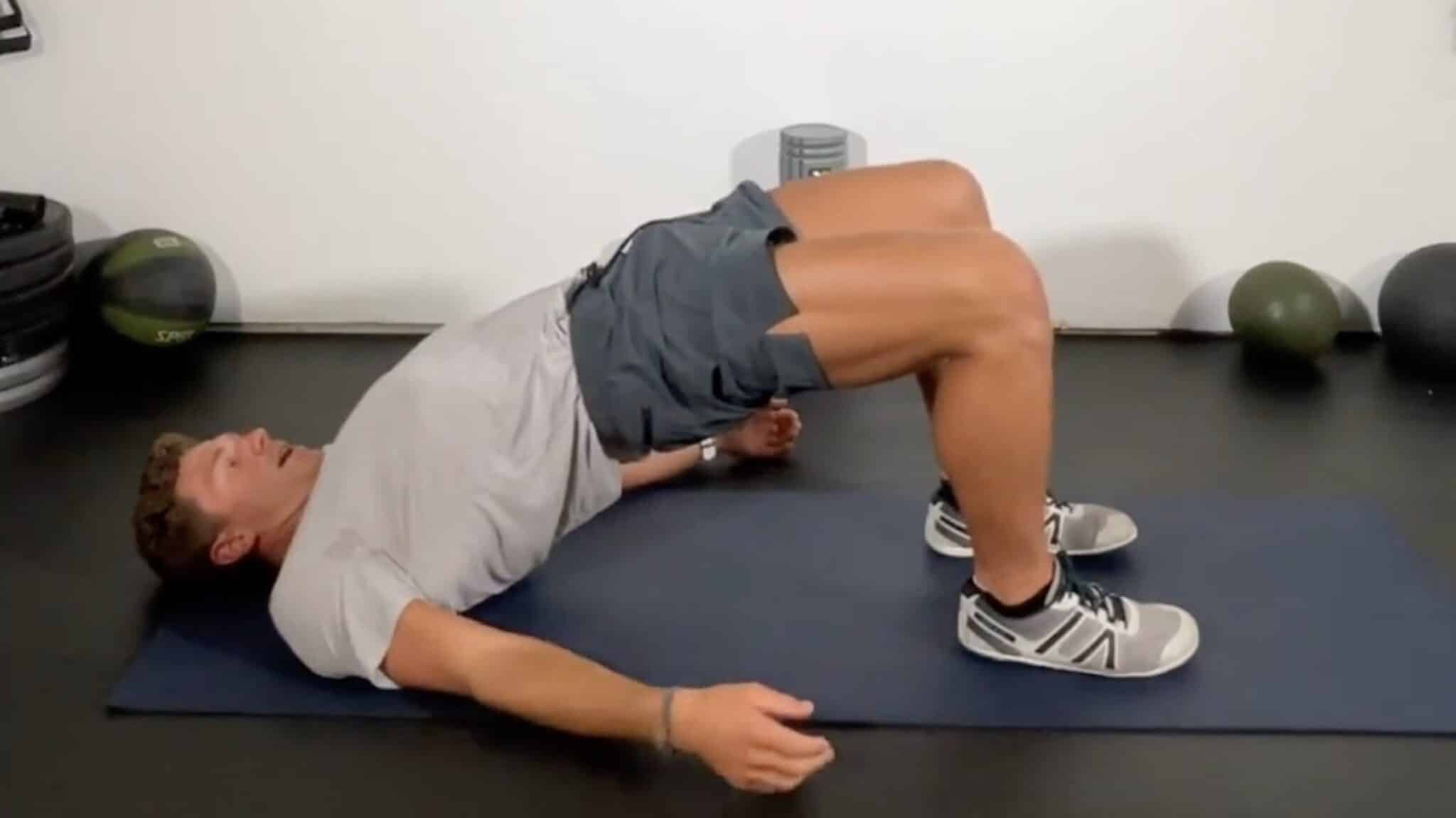
fromHuffPost
10 hours agoThis Is What Experts Want Men With Smaller Penises To Know
Dr. Mindy DeSeta states, 'Penis size is often treated like a shortcut - the bigger the penis, the more pleasure someone can supposedly give.' This cultural belief can significantly impact men's self-esteem and sexual confidence.
Relationships
#retirement
Retirement
fromSilicon Canals
2 days agoPsychology says the secret to a good retirement isn't wealth or health or even relationships - it's having at least one thing you're still in the middle of, still becoming, still learning how to do - Silicon Canals
Retirement fulfillment stems from ongoing pursuits and curiosity, not just financial security or traditional metrics of success.


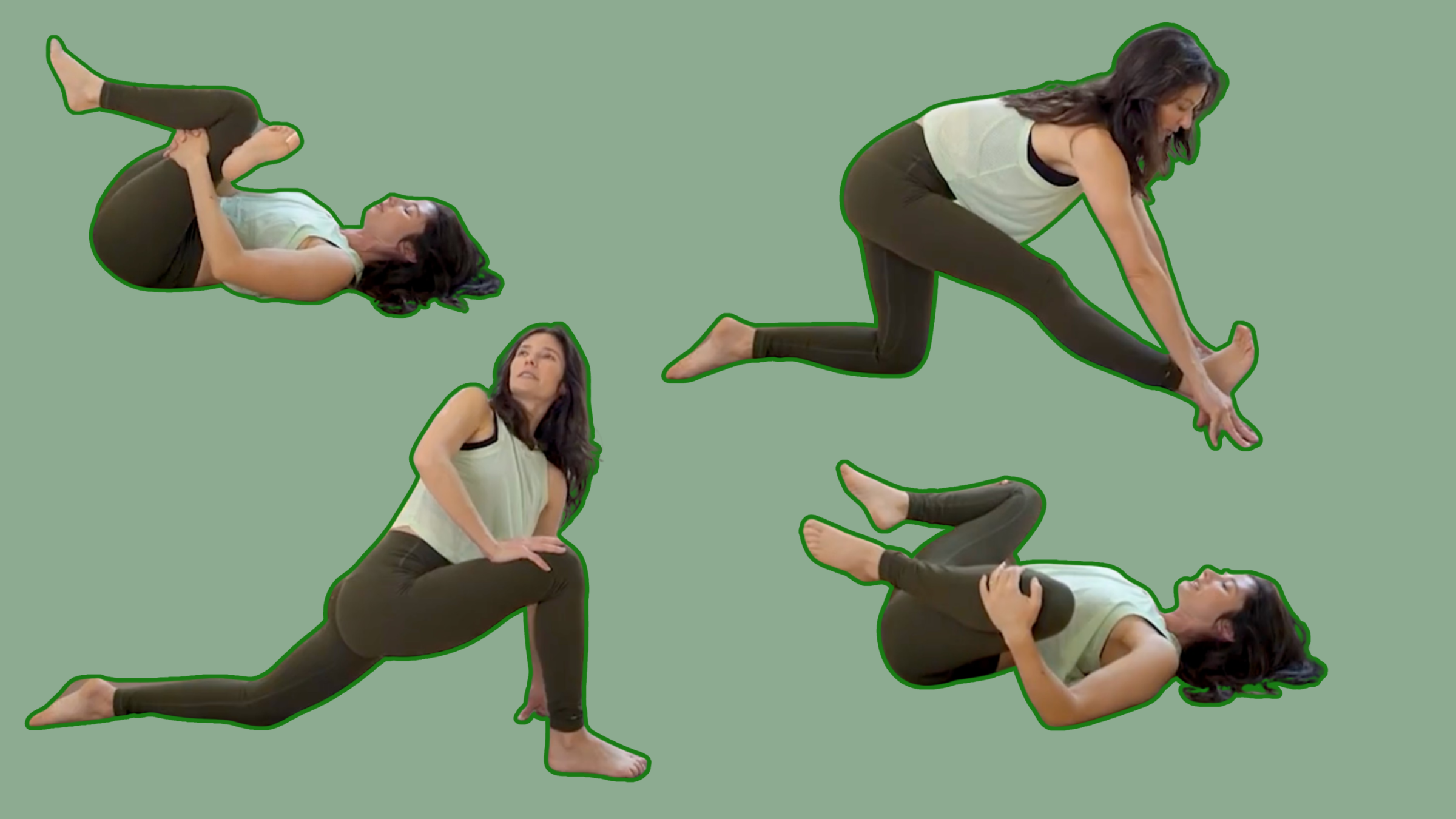
fromAlternative Medicine Magazine
1 week agoWhat You Do After Training Matters More Than You Think
After a tough workout, your body enters a state of stress: muscle fibers are damaged, energy stores are depleted, and hydration levels drop. This is a critical moment. If your body gets the right nutrients, it starts rebuilding immediately. If not, recovery slows down, and so does progress.
Alternative medicine
fromOver the Monster
6 days agoHow concerned should the Red Sox be about Roman Anthony's arm?
Roman Anthony is the embodiment of where the Red Sox are going as a franchise. Fans already adore him, ownership hitched their wagon to the tantalizing upside and gave him an eight year extension.
Boston Red Sox
fromdesignboom | architecture & design magazine
1 week agobody agency and the ways wearable devices let people regain control of their physical forms
Body agency is a power returned after an incident took it away from the user's physical form, and some wearable devices and technologies have this exact goal in mind.
Wearables
Exercise
fromSilicon Canals
3 days agoI'm 66 and I've started over so many times - new diet, new gym, new morning routine - that I finally had to sit with the uncomfortable question of whether starting over was the habit I was actually protecting - Silicon Canals
Starting over can become an addiction, allowing avoidance of the real work needed for lasting change.
fromStrength Running
1 month agoCross Training and Running: How to Add Other Sports to Your Training - Strength Running
Cross training and running go together like peanut butter and jelly. If you build it into your schedule intentionally, strategically, and with a clear understanding of what you're trying to accomplish, you'll thrive. Megan makes the case that cross-training serves runners for several distinct reasons, and the right reason for you will shape how you approach it.
Running
fromwww.theguardian.com
1 week agoWild west' reformer pilates boom is causing rise in injuries, experts warn
The boom in reformer pilates has created a wild west of studios where poor regulation has resulted in inexperienced teachers and a rise in injuries, professional standards bodies have warned.
Exercise
fromInsideHook
1 month agoAre You in Alignment? How to Unlock Pain-Free Movement.
The brain is the conductor of the orchestra, the muscles are the instruments. When your body is out of alignment, the orchestra is playing out of tune. Misalignment in the musculoskeletal system is frequently the root cause of chronic pain and the resulting poor posture.
Health
fromwww.scientificamerican.com
2 months agoHeal your injuries faster using motion as the new potion
When you have an acute injury, your body is sending signals through the peripheral and central nervous systems and the immune system to say, hold on, I need to stop doing this so we can allow the tissue to heal, says Ericka Merriwether, a physical therapist and pain researcher at New York University. Rest, after all, is the first part of the familiar RICE therapy, which stands for rest, ice, compression and elevation.
Health
Health
fromwww.theguardian.com
2 months agoBouncing back: from an ankle sprain to a shoulder pinch, experts on the best way to recover from common injuries
Address underlying imbalances with targeted, consistent movement, proper diagnosis and professional care; combine rest, sleep, nutrition and graduated training to prevent and recover from pain.
fromPsychology Today
2 months agoFour Strategies That Improve Pain and Athletic Performance
You feel an unpleasant sensation - like a sinking feeling of anxiety in your stomach as the game begins, and you think, "I'm anxious. Here we go again. I'm about to blow it." You feel your pain increasing, and the thoughts churn: "Great. I'll probably miss a whole week of work." Imagined catastrophes fill your mind. Manage these thoughts with the 3 C's: Catch it, Check it, and Change it.
Mindfulness
fromScience of Running
2 months agoFit and Fast: Achieving Robustness in Training
In this episode of the On Coaching Podcast, Steve Magness and Jon Marcus discuss the concept of 'fit but flat,' exploring the phenomenon where athletes excel in metabolic fitness but fail to perform competitively due to a lack of neuromuscular coordination. Using examples like middle-distance runner Ingram Brion, the hosts delve into how metabolic training alone can lead to race failures.
Running
fromwww.theguardian.com
2 months agoI looked exceptional but I was out of breath': the bodybuilder who switched to mindful movement
Eugene Teo, 34, began lifting weights at the age of 13, looking for validation. I was short, skinny and I thought it would give me confidence, he says. Bodybuilding for me was the ultimate expression of that. Now living on the Gold Coast in Australia, with his partner and daughter, the fitness coach spent from age 16 to 24 training and competing. At times, he lifted weights for up to four hours a day, aiming to get as muscular and lean as possible.
Mental health
fromSilicon Canals
1 month agoPeople who stayed physically active into their 80s share these 7 movement habits they started before it became trendy - Silicon Canals
It got me thinking. While everyone's obsessing over the latest fitness trends and biohacking protocols, these folks have been consistently moving their bodies for decades. No fancy equipment, no Instagram-worthy routines, just simple habits they picked up long before movement became a multibillion-dollar industry. So I started asking around, digging into research, and talking to people who've stayed active well into their golden years. What I found wasn't revolutionary or complicated. It was refreshingly simple.
Exercise
fromiRunFar
2 months agoUnderstanding and Improving Hip Efficiency, Part 1
For runners, the hips can be one of the most confounding and frustrating parts of the physiological puzzle for efficient movement. Every runner knows how crucial hip strength is - and how mobile hips are essential for both fast and pain-free running. Yet healthy, happy hips remain elusive. For many of us, our hips stay stiff no matter how much we massage and stretch them.
Exercise
[ Load more ]