#side-plank
#side-plank
[ follow ]
#yoga #core-strength #fitness #strength-training #exercise #wellness #pilates #aging #fitness-trends #mental-health

#weightlifting

Exercise
fromwww.businessinsider.com
4 days agoAfter decades of swearing by workout classes, I switched to weightlifting. I never expected to be so impressed by the results.
Transitioning from group fitness to weightlifting can significantly improve strength and fitness levels, especially for those feeling stagnant in their workouts.

fromYoga Journal
1 month ago10-Minute Practice to Strengthen Your Core-No Standing Required
Physically, the core-which includes the abdominals, lower back, and pelvic floor-stabilizes the spine, protects the lower back, and improves posture by helping to maintain the natural curvature of the spine. A stable core lets you move safely and steadily, whether you're working out or moving through everyday life.
Yoga
fromStrength Running
1 month agoCross Training and Running: How to Add Other Sports to Your Training - Strength Running
Cross training and running go together like peanut butter and jelly. If you build it into your schedule intentionally, strategically, and with a clear understanding of what you're trying to accomplish, you'll thrive. Megan makes the case that cross-training serves runners for several distinct reasons, and the right reason for you will shape how you approach it.
Running
Snowboarding
fromUnofficial Networks
1 month ago6 Dryland Bodyweight Exercises That Will Improve Your Skiing Experience
Fundamental exercises targeting single-leg stability, lateral movement, and ski-specific muscle activation provide greater training benefits than complex advanced movements for skiers of all levels.
fromwww.theguardian.com
2 months agoI looked exceptional but I was out of breath': the bodybuilder who switched to mindful movement
Eugene Teo, 34, began lifting weights at the age of 13, looking for validation. I was short, skinny and I thought it would give me confidence, he says. Bodybuilding for me was the ultimate expression of that. Now living on the Gold Coast in Australia, with his partner and daughter, the fitness coach spent from age 16 to 24 training and competing. At times, he lifted weights for up to four hours a day, aiming to get as muscular and lean as possible.
Mental health
fromDefector
2 months agoIdeologically Opposed To Proper Workout Form, With Patrick Wyman | Defector
"It's not great, if I'm being honest. From amending my answer to the question "how ya doing Roth" at the very beginning of this week's episode of The Distraction, it is clear that things are not going great. But for the second straight week, we found a way to split our episode between the Not Great stuff and being stupid about sports, with the result being one of the most enjoyable hours of my week."
US politics
fromInsideHook
1 month agoAre You in Alignment? How to Unlock Pain-Free Movement.
The brain is the conductor of the orchestra, the muscles are the instruments. When your body is out of alignment, the orchestra is playing out of tune. Misalignment in the musculoskeletal system is frequently the root cause of chronic pain and the resulting poor posture.
Health
fromNew York City, NY Patch
1 month agoSolidcore To Open New Flagship Location In Gramercy Park
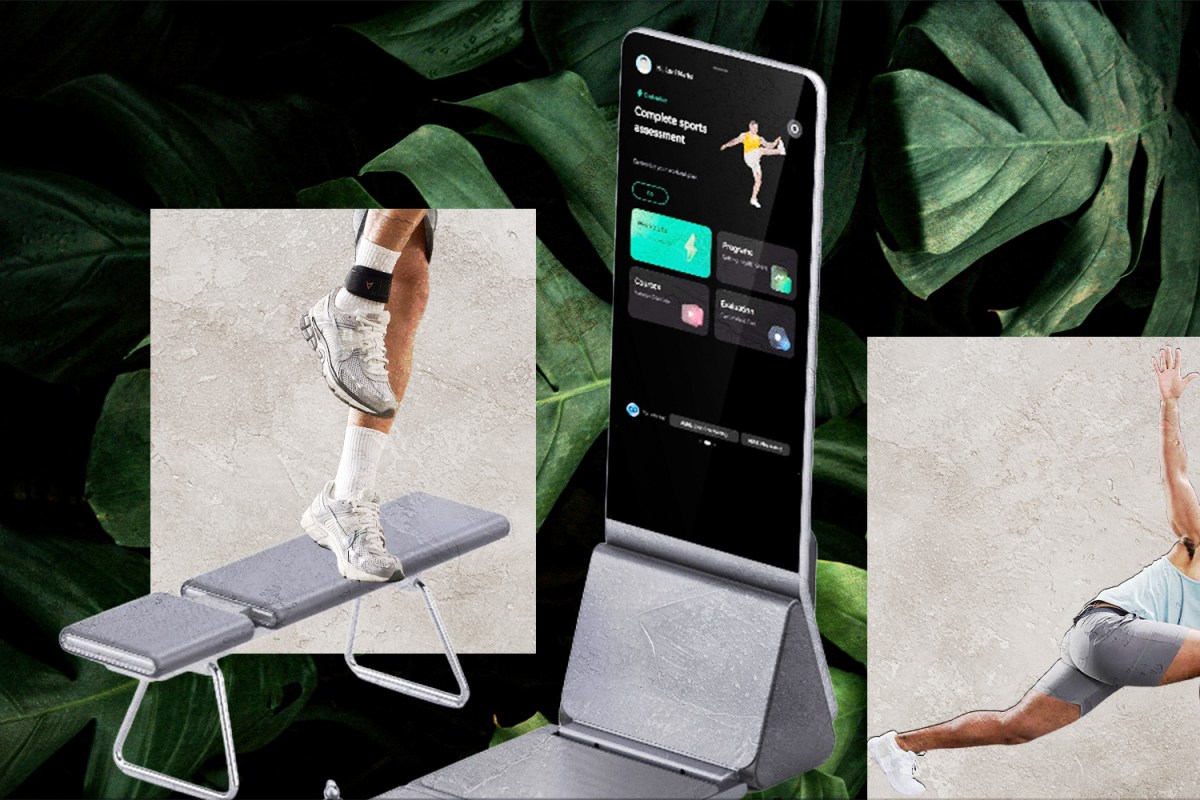
Solidcore is a 50-minute, full-body, strength-training workout that uses slow, controlled movements to break down slow-twitch muscle fibers, allowing them to build back stronger and leaner. Unlike traditional Pilates, Solidcore is built around targeted strength training.
Real estate
fromwww.businessinsider.com
3 weeks agoAt 86, I still travel and I do headstands with my wife every day to stay mobile
Before I retired, I taught physics at a secondary school in China. While working as a teacher, I met my wife at an event. We were as active as the students we taught, spending our free time playing badminton, basketball, volleyball, and table tennis.
Exercise
fromScary Mommy
1 month agoWhat Are "Movement Snacks"? How To Try This Trending Fitness Hack
I work with busy professionals, so I've been integrating micro workouts of two to 10 minutes into my clients' lifestyles for almost 20 years. The most important thing for your health isn't getting all your daily movement done in one big, perfectly curated workout - it's about being consistent.
Health
Wellness
fromSilicon Canals
2 months agoPeople who stay in shape without hitting the gym usually share these 8 simple daily routines - Silicon Canals
Sustainable daily movement and simple routines integrated into everyday life maintain fitness and vitality more effectively than intense gym-focused workouts.
Exercise
fromBusiness Insider
1 month agoI'm 76 and joined a fitness group in my 60s. I still train every day and can do 5 muscle-ups.
A 76-year-old maintains exceptional fitness through lifelong physical activity, part-time work, and community gym participation, demonstrating that age need not limit mobility and strength.
fromIndependent
2 months agoBargain hunter: 11 wellness deals to save you money on workouts, supplements and gadgets
January might be coming to a close, but the focus on wellness doesn't have to die with it. If anything, it's a good time to check in with those 2026 goals and see what you want to prioritise for the rest of the year. To that end, we've gathered some of the best deals we've seen in the past few weeks that will help you tick off every good intention you set this month.
Wellness
fromSilicon Canals
2 months ago8 daily habits of people who stay incredibly fit without ever stepping foot in a gym - Silicon Canals
You know those people who seem to radiate energy and look like they could run a marathon at a moment's notice? The ones who somehow maintain incredible fitness without posting gym selfies or talking about their deadlift PR? I used to think they had some secret genetic advantage. Turns out, after years of observing and experimenting myself, their secret isn't found in a gym membership or expensive equipment. It's woven into the fabric of their daily lives through simple, sustainable habits.
Wellness
fromInsideHook
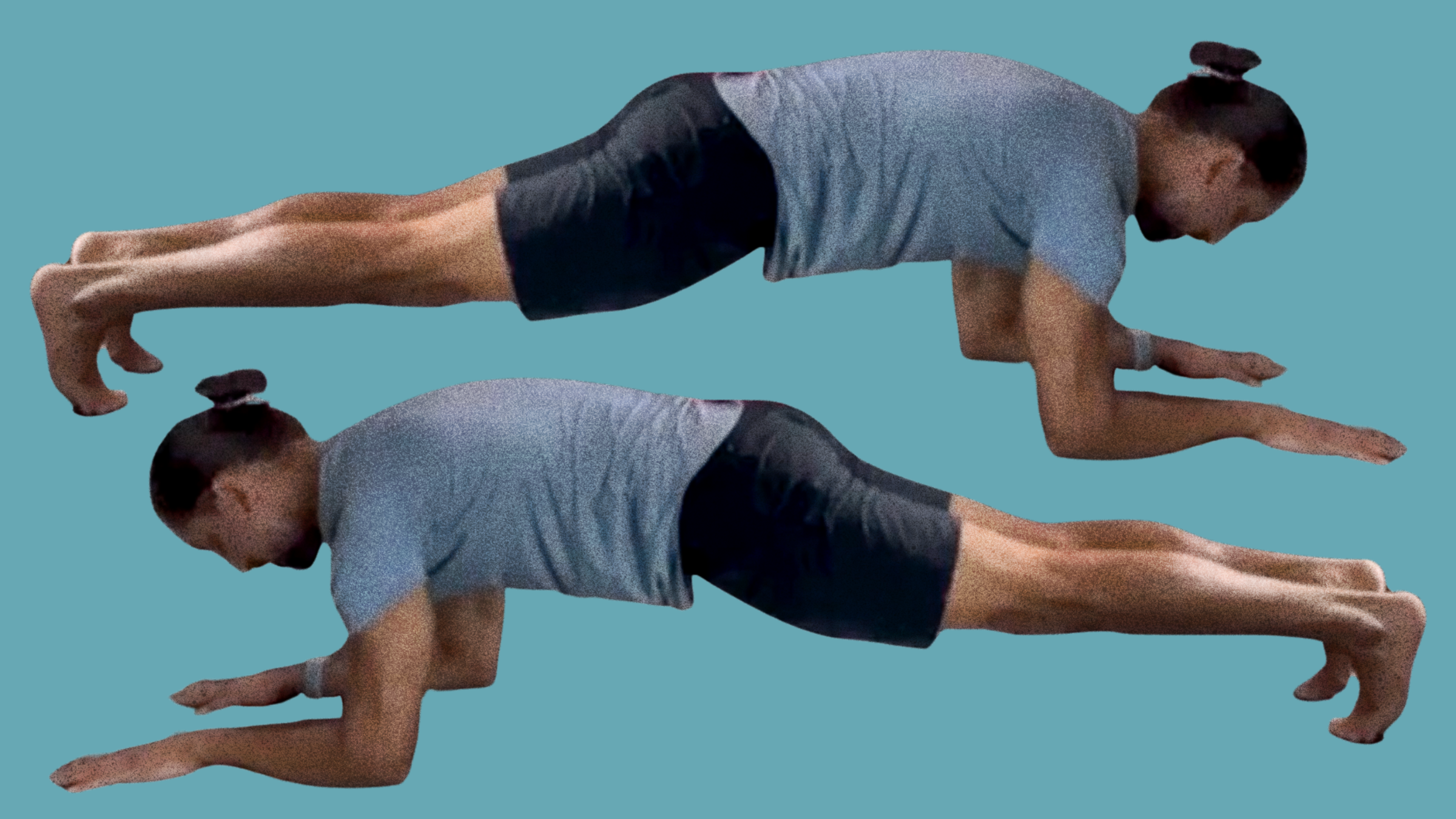
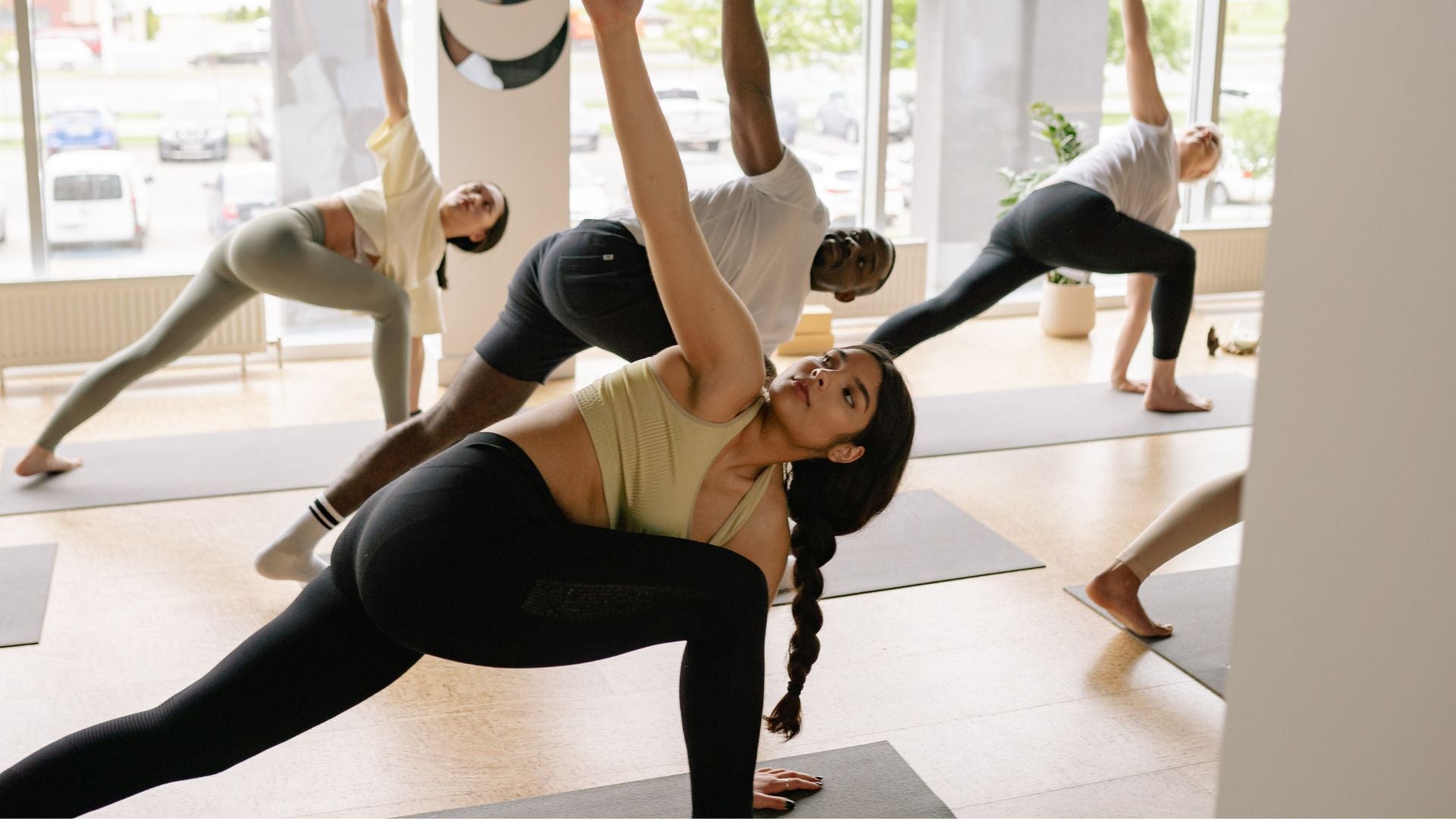
2 months agoWhat's the Point of Chasing a Plank PR?
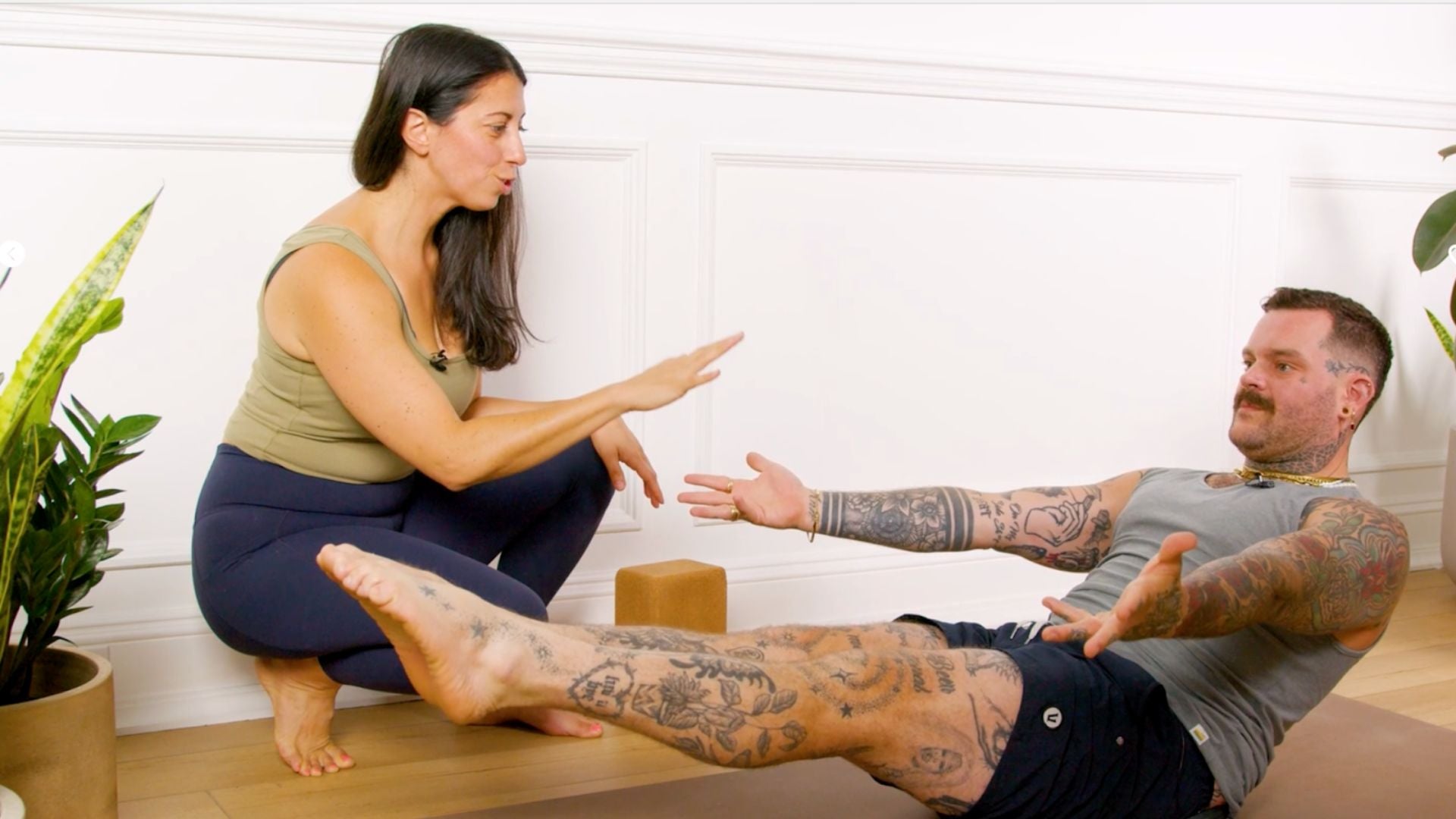
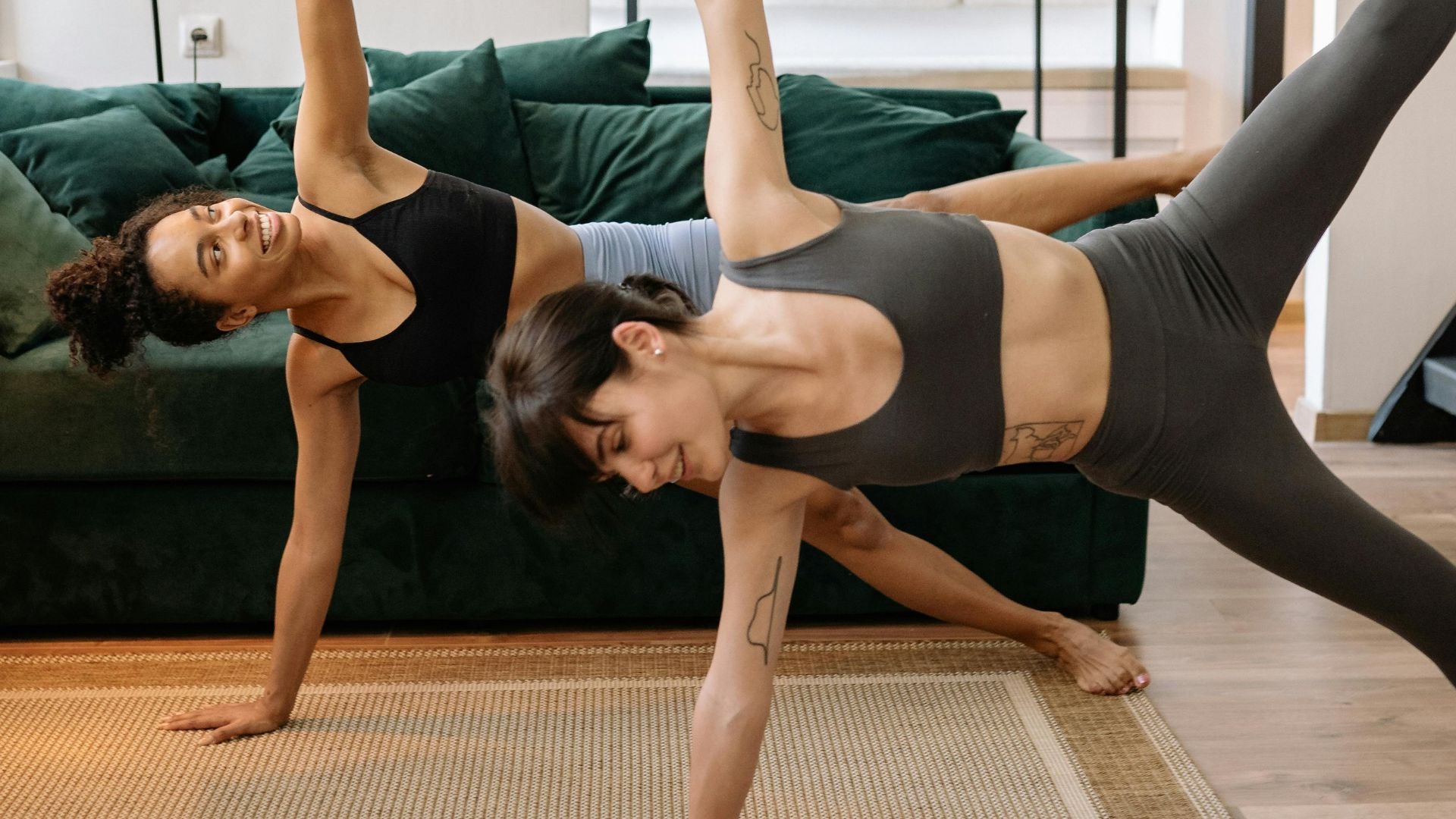
It's just what it looks like: I time my planks then file them away, determined to last a little longer tomorrow. And sometimes I do, for several days in a row, then one day I'll collapse nearly a minute short of my personal best. I'll pound the mat like Charlton Heston at the end of Planet of the Apes, then I'll get myself together - you've got to stay cool at Equinox - and move on with my day.
Exercise
fromYoga Journal
2 months agoHeadstand Calls for Balance and Poise. Here's How to Approach It Safely.
Headstand (Sirsasana) is often called the "king of poses" because of the many benefits it affords. It teaches balance and poise, increases the strength of the arms, positively affects the cardiovascular system, and allows, more than many poses, a few minutes for mental and physical stillness. It's a difficult pose, involving many precautions and prerequisites. Many Westerners feel that if they can practice Headstand, they are practicing "real" yoga.
Yoga
fromBusiness Insider
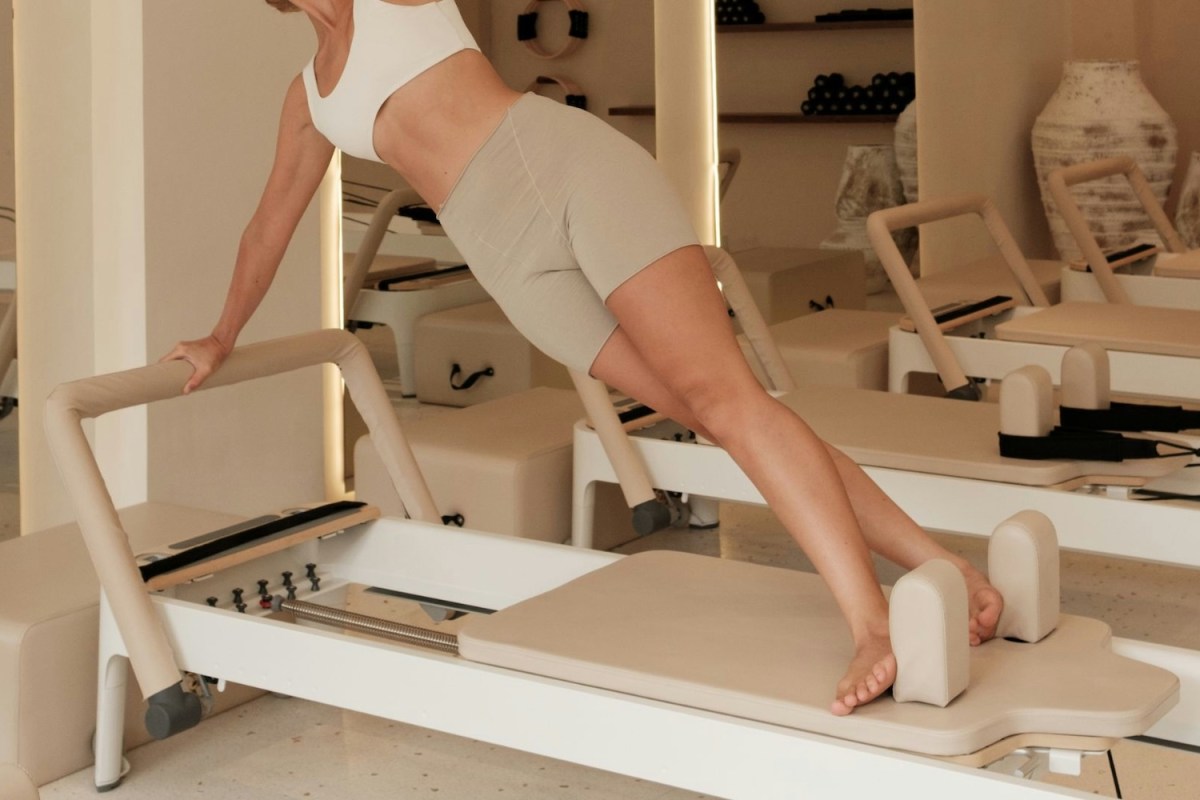
1 month agoI did nothing for my flexibility but take 2 Pilates classes a month. I improved by almost 20%, according to a 3D scan.
I got a 3D scan that measured my flexibility last August, hoping the predictably subpar results would finally inspire me to stretch more. Then, I did basically nothing. Even knowing my shoulder rotation movement was in the "red" zone - needing serious improvement if I wanted to avoid future pain - it wasn't enough to get me to devote three minutes of light stretching before my cardio and strength workouts as suggested by trainers I had spoken with.
Exercise
fromSilicon Canals
2 months agoPeople who stayed physically active into their 80s share these 7 movement habits they started before it became trendy - Silicon Canals
It got me thinking. While everyone's obsessing over the latest fitness trends and biohacking protocols, these folks have been consistently moving their bodies for decades. No fancy equipment, no Instagram-worthy routines, just simple habits they picked up long before movement became a multibillion-dollar industry. So I started asking around, digging into research, and talking to people who've stayed active well into their golden years. What I found wasn't revolutionary or complicated. It was refreshingly simple.
Exercise
[ Load more ]