#stem-cell-research
#stem-cell-research
[ follow ]
#biotechnology #clinical-trials #aging #health #cancer-research #genetics #autoimmune-diseases #cloning #organoids

Wellness
fromwww.businessinsider.com
13 hours agoI visited a members-only tech hub to see the biohacking tricks Silicon Valley founders swear by. It wasn't what I expected.
Biohack Miami's wellness event in San Francisco showcased practical biohacking tips focused on immediate well-being rather than solely on longevity.
#ai
Artificial intelligence
fromFuturism
1 day agoMillions of Americans Are Talking to AI Instead of Going to the Doctor, and It's Giving Them Horrendously Flawed Medical Advice
AI chatbots are not reliable for medical advice, with failure rates exceeding 80% for ambiguous symptoms and 40% for straightforward cases.
fromwww.scientificamerican.com
2 days agoElizabeth Roboz Einsteinthe determined genius behind a multiple sclerosis breakthrough
Elizabeth Roboz Einstein's journey began on May 15, 1940, when she boarded the Conte di Savoia, an Italian steamliner, leaving behind her family in Hungary as World War II escalated. This voyage was not a luxury cruise but a desperate evacuation for many, including 600 Central European refugees fleeing the advancing German troops.
History
fromTNW | Startups-Technology
4 days agoHelical closes $10M seed to turn bio foundation models into systems
Helical's thesis is that bio foundation models, AI systems trained on vast genomic, transcriptomic, and proteomic datasets, have already crossed a quality threshold that makes computational hypothesis-testing meaningful in pharma research.
Venture

fromwww.scientificamerican.com
1 week agoWhy can't humans regenerate limbs? New research offers a clue
While some other creatures, most notably salamanders and starfish, can regenerate entire limbs, mammals don't have this evolutionary superpower. The big question is: Why are mammals limited?
OMG science
#biotechnology
Silicon Valley
fromSilicon Canals
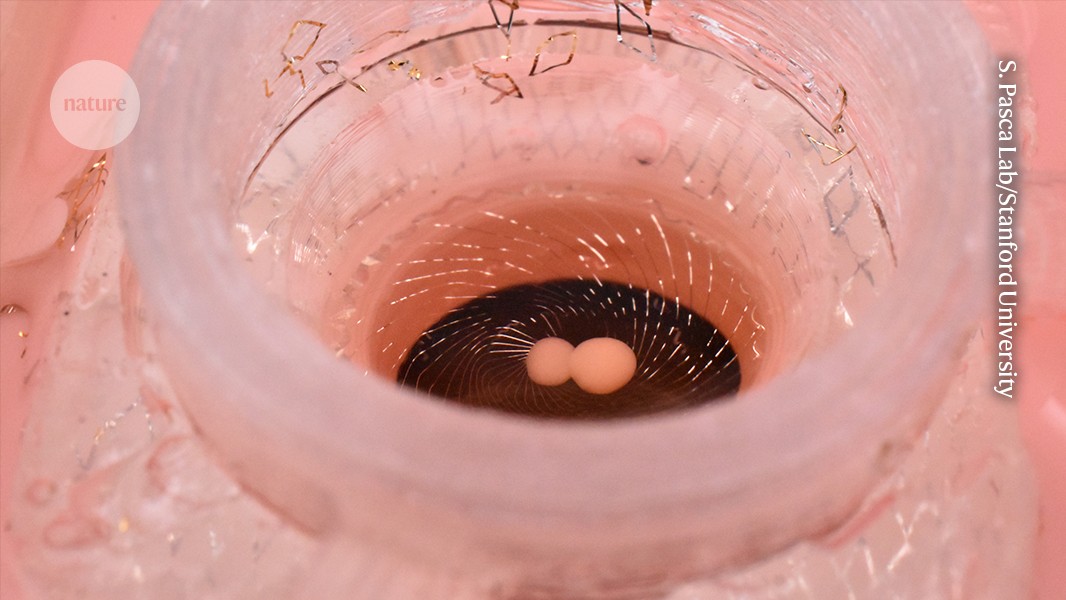
2 weeks agoSilicon Valley startup backed by Tim Draper pitches growing brainless human clones for organ harvesting and brain transplants - Silicon Canals
A Silicon Valley startup is developing brainless cloned human bodies for organ sourcing and potential brain transplants.
fromTNW | Artificial-Intelligence
1 day agoOpenAI launches GPT-Rosalind, an AI model for life sciences research
GPT-Rosalind is designed to support evidence synthesis, hypothesis generation, experimental planning, and multi-step scientific workflows across biochemistry, genomics, and protein engineering.
Medicine
from24/7 Wall St.
2 weeks ago5 Biotechs That Big Pharma Could Snap Up as Oncology M&A Heats Up
Incyte tops this list due to its rare combination of commercial scale, cash generation, and pipeline depth. The company posted FY2025 revenue of $5.14 billion, up 21.2% YoY, anchored by Jakafi generating $828.2 million in Q4 2025 alone (+7% YoY) and Opzelura delivering $207.3 million (+28% YoY). With $3.58 billion in cash and 14 pivotal clinical trials underway, Incyte offers an acquirer immediate revenue, margin expansion potential, and a deep oncology pipeline spanning KRASG12D, CDK2 inhibition, and mutCALR.
Venture

Higher education
fromCornell Chronicle
1 month agoStem-cell registry drive will mobilize campus to save lives | Cornell Chronicle
Cornell is hosting a stem-cell donor campaign March 13-20 to recruit 10,000 participants aged 18-35 for the national registry, addressing critical shortages of Black and Latino donors needed for patients like Max Uribe.
fromwww.nature.com
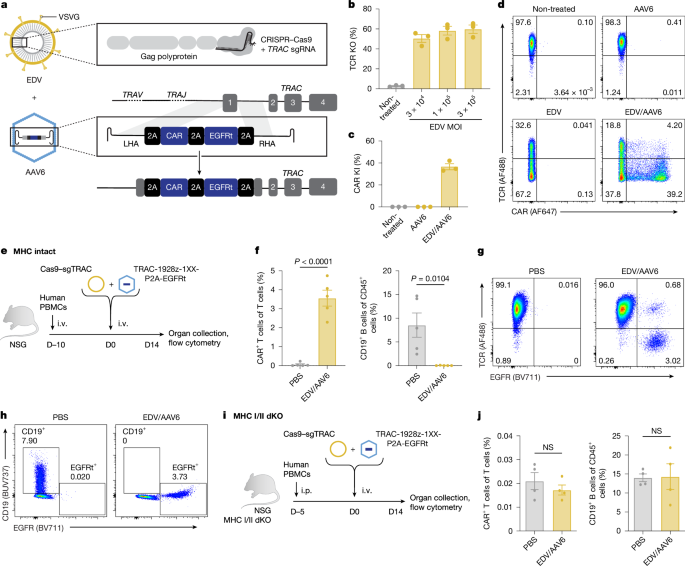
1 week agoEngineered immunosuppressive dendritic cells protect against cardiac remodelling
Chronic inflammation is a central driver of pathological fibrosis after ischaemic or haemodynamic stress, but strategies that locally rebalance injurious and reparative immune responses without systemic immunosuppression are lacking.
Medicine
#biological-computing
OMG science
fromwww.theguardian.com
1 month agoA petri dish of human brain cells is currently playing Doom. Should we be worried?
Scientists have created biological computers using lab-grown human brain cells that learn to play video games, demonstrating neural tissue can process information and adapt behavior in digital environments.
fromwww.scientificamerican.com
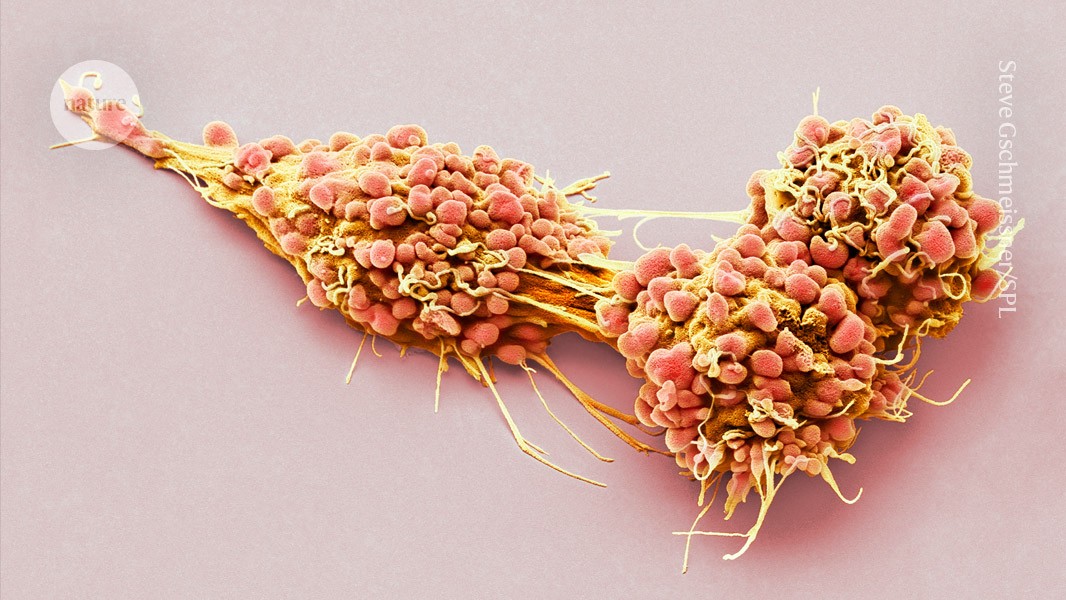
2 months agoNIH ends fetal tissue research
January 22, 2026 2 min read Add Us On GoogleAdd SciAm The National Institutes of Health's move to end support for research using fetal human tissue is clearly a political decision, not a scientific one, one expert says By Dan Vergano edited by Claire Cameron National Institutes of Health director Jay Bhattacharya speaks at the National Conservatism Conference in Washington, D.C., in 2025.
US politics
fromNature
1 month agoMasked mitochondria slip into cells to treat disease in mice
When mitochondria are exposed to tissue or blood, they lose the electrical gradient across their outer membrane. Mitochondria that lack such a gradient are recognized by a cell's internal machinery as damaged and quickly destroyed. The vast majority of previous studies involved injecting 'naked' mitochondria directly into the bloodstream or tissue sites, but the approach isn't very efficient, so researchers often have to use 'ridiculous' doses of mitochondria.
Medicine
OMG science
fromHarvard Gazette
2 months agoWhy did that cancer cell become drug-resistant? - Harvard Gazette
TimeVault records and stores cellular gene-expression history inside living cells, enabling retrieval of past gene-activity information to study differentiation, stress responses, adaptation, and drug resistance.
Medicine
fromWIRED
1 month agoJapan Approves the World's First Treatment Made With Reprogrammed Human Cells
ReHeart and Amusepri represent breakthrough cell transplant therapies addressing severe heart failure and Parkinson's disease by replacing damaged tissue with functional cells derived from iPS cells.
fromArs Technica
1 month agoHave we leapt into commercial genetic testing without understanding it?
Martschenko's argument is largely that genetic research and data have almost always been used thus far as a justification to further entrench extant social inequalities. But we know the solutions to many of the injustices in our world-trying to lift people out of poverty, for example-and we certainly don't need more genetic research to implement them. Trejo's point is largely that more information is generally better than less.
Science
Science
fromNature
2 months agoDevelopmental convergence and divergence in human stem cell models of autism - Nature
Distinct rare mutations and common genetic variation jointly shape ASD risk, yet convergent molecular pathology and early fetal neurodevelopmental mechanisms can be studied using stem-cell models.
fromNature
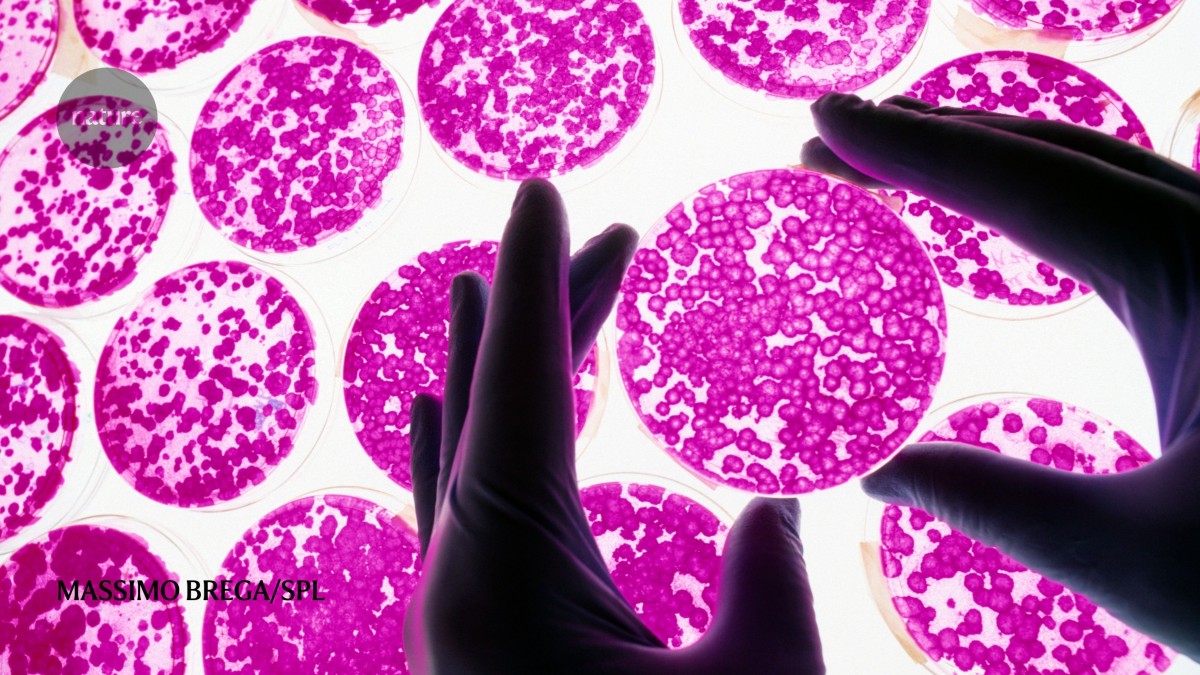
1 month agoAI tools can design genomes. Will they upend how life evolves?
Biology is undergoing a transformation. After centuries of studying life as it evolves naturally, researchers are now using a combination of computation and genome engineering to intervene, generating new proteins and even whole bacteria from scratch. The use of artificial-intelligence tools to design biological components, an approach known as generative biology, is set to turbocharge this area of research. Just last year, scientists used AI-assisted design to produce artificial genes that can be expressed in mammalian cells.
Science
fromIndependent
2 months agoEveryone's talking about: Stem cell beauty treatments - what do they involve and do they work?
'Stem cell-based' treatments and just the latest aesthetic treatment marketed to those seeking to maintain or obtain youthful skin, but what exactly is involved and what's the evidence that they work It's hard to keep track of the number of scientifically based beauty treatments on offer these days. Most are aimed at middle-aged females with disposable incomes, who are willing to splash large amounts of money on their skin to counter the effects of time.
Medicine
[ Load more ]