#tariffs-and-trade-pressure
#tariffs-and-trade-pressure
[ follow ]
#tariffs #supreme-court #trade-policy #ieepa #us-tariffs #refund-system #us-china-relations #importers



#dollar-index
US Elections
fromLondon Business News | Londonlovesbusiness.com
5 hours agoDollar edged higher amid geopolitical uncertainty and Fed outlook - London Business News | Londonlovesbusiness.com
The dollar index rose slightly amid US-Iran negotiations, with markets anticipating volatility and a prolonged pause in interest rates.
fromwww.dw.com
1 hour agoTaiwan blames pressure from China for nixed Africa trip
The actual reason was intense pressure exerted by Chinese authorities, including economic coercion. Using coercive means to force a third country to change its sovereign decisions not only undermines aviation safety and violates relevant international norms and practices, it also constitutes a blatant interference in another country's internal affairs.
World politics
#canada

fromFortune
1 day agoCanada news
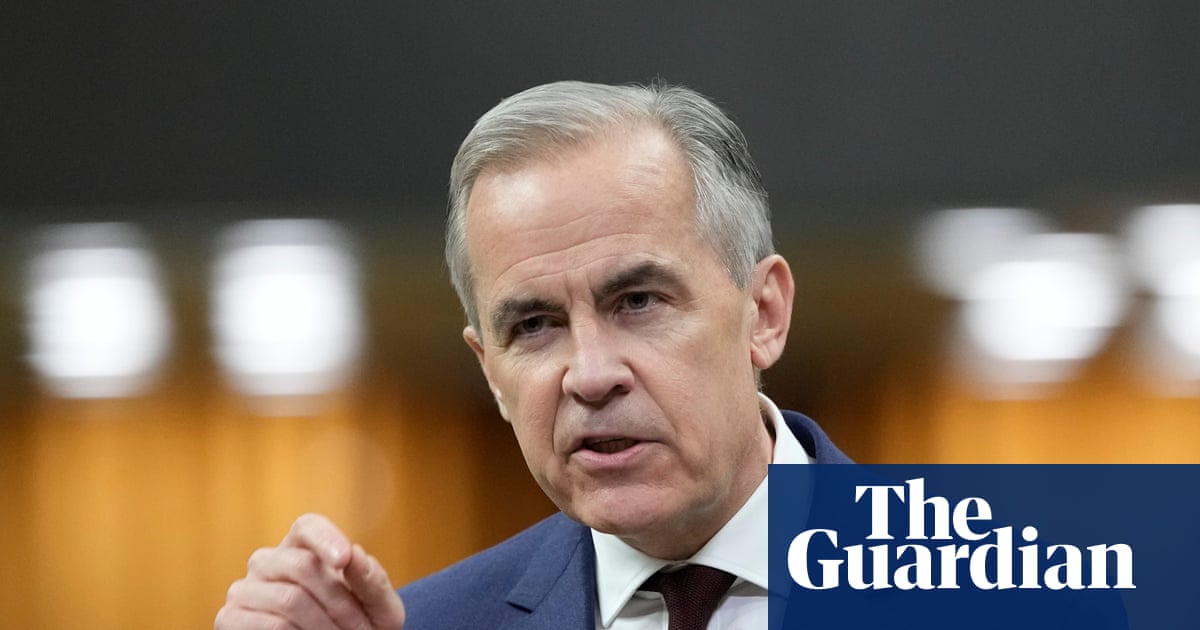
Canada's PM says strong U.S. economic ties were a strength but are now a weakness that must be fixed. 'We have to take care of ourselves' | Fortune
Canada's economic ties to the U.S. have shifted from strength to weakness, necessitating diversification and new trade agreements.
Canada news
fromFortune
1 day agoCanada's PM says strong U.S. economic ties were a strength but are now a weakness that must be fixed. 'We have to take care of ourselves' | Fortune
Canada's economic ties to the U.S. have shifted from strength to weakness, necessitating diversification and new trade agreements.
fromwww.dw.com
1 day agoSouth Korea, India agree to boost trade and defense ties
The level of economic cooperation between South Korea and India is still very low. Going forward, we will expand that space and make the relationship between South Korea and India completely different from what it is now.
World news


Europe news
fromLondon Business News | Londonlovesbusiness.com
1 month agoTrump Weighing Up Fresh Tariff Framework and Markets - London Business News | Londonlovesbusiness.com
European markets decline amid rising energy prices and stagflation concerns, while defence stocks gain on Iran conflict tensions and oil prices surge past $94 despite IEA's strategic reserve release.
#us-china-trade-relations
World news
fromwww.dw.com
1 month agoUS-China trade talks 'stable' despite mutual accusations
US and Chinese trade officials concluded a two-day Paris summit with stable discussions, agreeing on agricultural purchases and proposing new trade boards while disputes over forced labor investigations and Middle East tensions persist.

World news
fromwww.dw.com
1 month agoUS-China trade talks 'stable' despite mutual accusations
US and Chinese trade officials concluded a two-day Paris summit with stable discussions, agreeing on agricultural purchases and proposing new trade boards while disputes over forced labor investigations and Middle East tensions persist.


#trade-investigations
European startups
fromwww.dw.com
1 month agoUS trade probes could lead to new tariffs for EU, China
The US launched two trade investigations targeting excess industrial capacity and forced labor imports, potentially leading to new tariffs on major trading partners after the Supreme Court limited Trump's tariff authority.
World politics
fromFortune
1 month agoAsia scrambles to respond to Trump's sweeping Section 301 trade probes, which could pave the way for new tariffs | Fortune
The U.S. launched two broad Section 301 trade investigations covering 60 countries, including major trading partners, citing excess manufacturing capacity and inadequate forced labor enforcement.
World news
fromwww.theguardian.com
2 months agoAs US influence wanes, the Chinese trade surplus strangles manufacturing across the globe
China's massive trade surplus and export surge are destabilizing the global trading order and straining other countries' manufacturing and international economic institutions.
fromwww.theguardian.com
2 months agoThe Guardian view on the EU's answer to Trump: trade without threats | Editorial
For the European Commission president, Ursula von der Leyen, the EU's trade pact with India was the mother of all deals. Seen from the other end of the telescope, it looked like the mouse of all deals, with just 4bn (3.5bn) in tariff reductions a rounding error in a 180bn trading relationship. But that misses the point: this is about economic heavyweights resetting the terms of their cooperation because of Donald Trump's use of tariffs as a tool of economic and political compulsion.
Europe politics
fromFortune
2 months agoA spectre is haunting Europe - the spectre of Trump. Cue the Asian trade deals | Fortune
Stability. Consistency. Ever-changing complexity. With language like that, deployed in separate meetings in three Asian capitals this week, government leaders forged closer ties driven in part by a figure halfway around the world: the president of the United States. And much of the time, they didn't even mention Donald Trump's name. IN BEIJING: The U.K. and Chinese leaders called Thursday for a "long-term, stable, and comprehensive strategic partnership" between their two countries. The important words are long-term and stable. The two countries committed a decade ago to building a comprehensive strategic partnership but progress has been halting at best.
World politics
fromFortune
1 month agoTrump team's justification for tariffs was rebalancing the trade deficit-it's not going the way they wanted | Fortune
President Trump hates the United States' trade deficit. Indeed, he is so concerned about the "economic and national security risks" the deficit creates that he imposed a tariff regime that raised geopolitical tensions across the globe.The only problem is that his tariffs don't appear to be rebalancing the huge volume of goods and services the U.S. imports, versus its declining exports.
US politics



[ Load more ]