#trade-tensions
#trade-tensions
[ follow ]
#tariffs #us-china-relations #china #market-volatility #global-growth #export-controls #global-economy



Europe politics
fromwww.theguardian.com
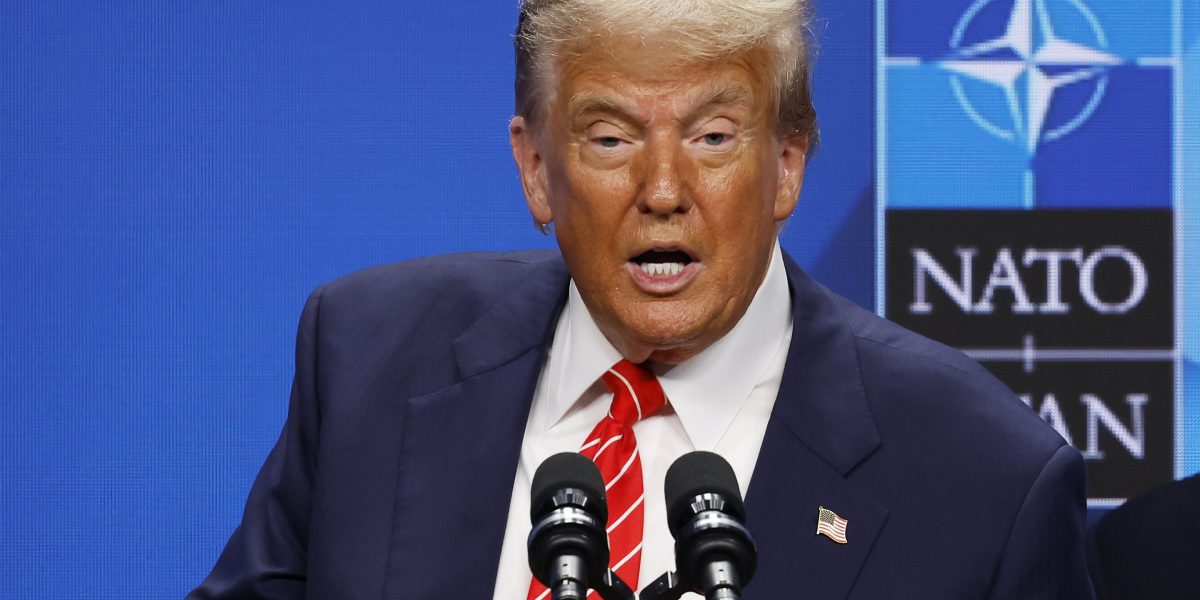
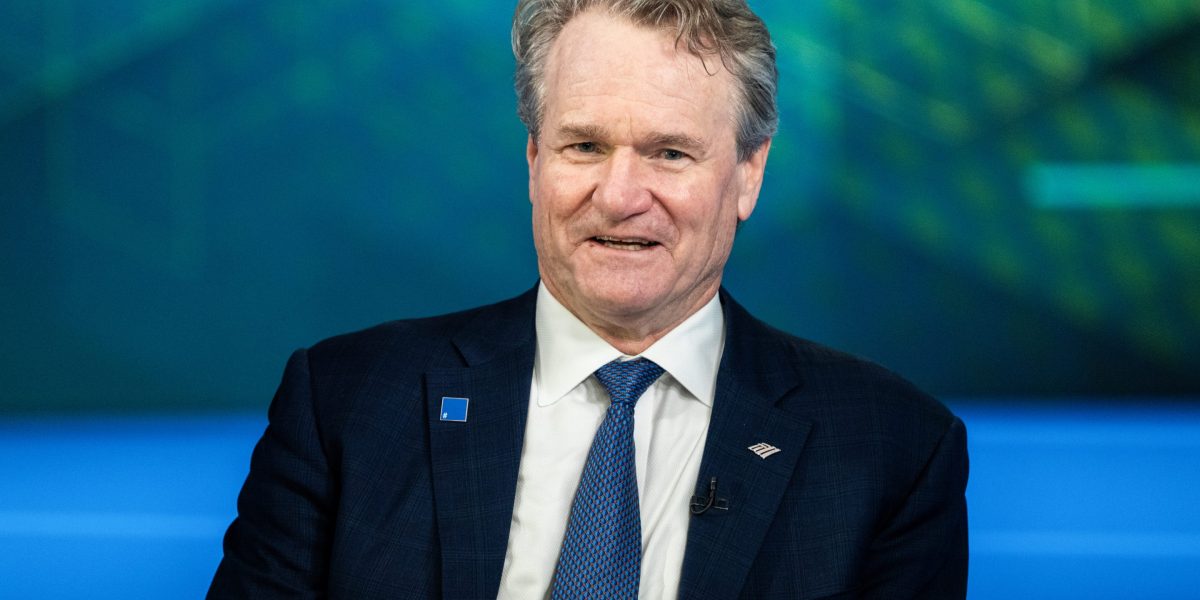
3 weeks agoThe Guardian view on Trump, Merz and Europe's security: EU countries cannot go it alone | Editorial
Donald Trump's administration is increasingly frustrated with European leaders, threatening trade and military support amid declining poll ratings and foreign policy challenges.




#geopolitical-risk
World news
fromLondon Business News | Londonlovesbusiness.com
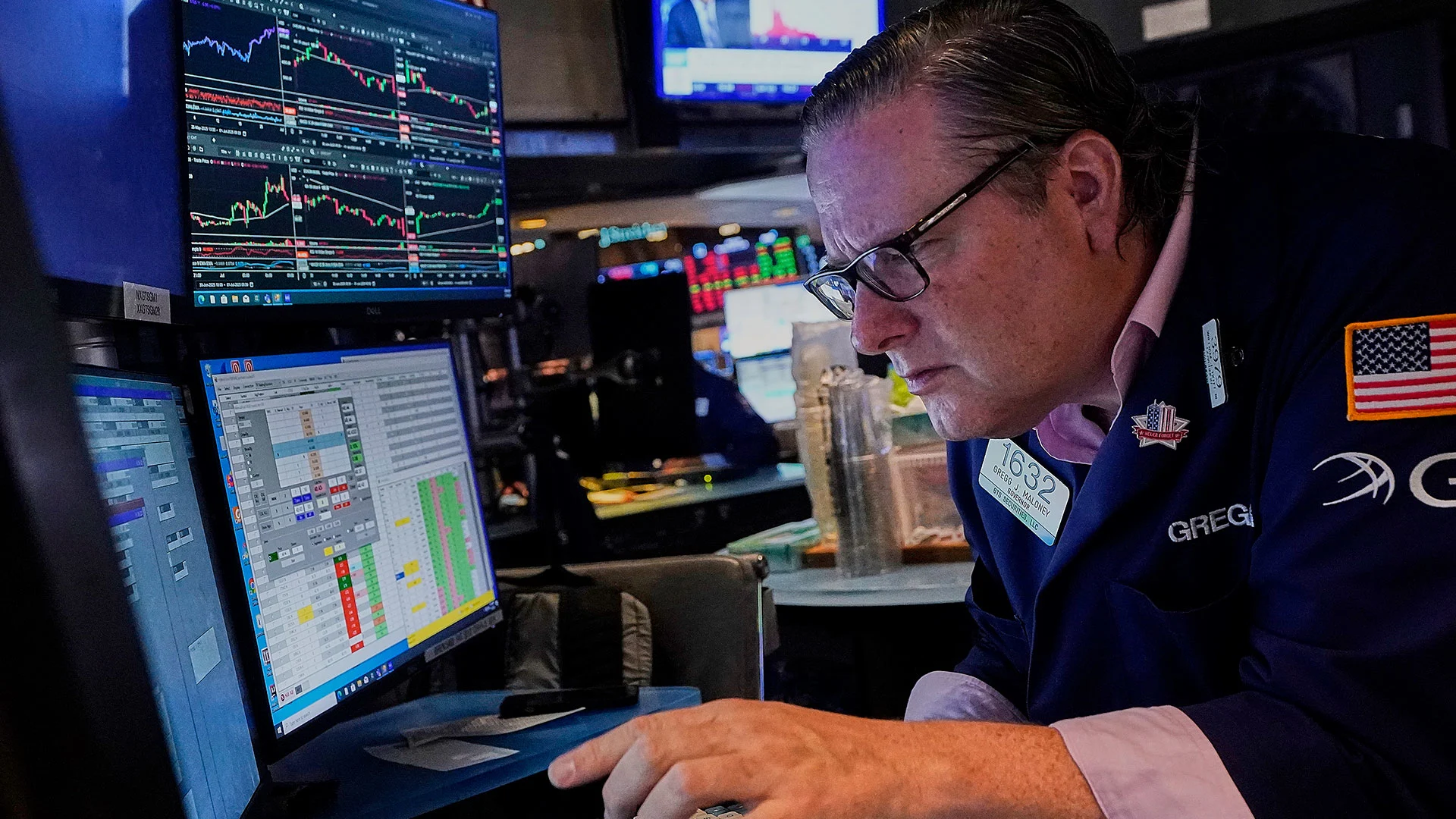
2 months ago'Double whammy' as oil surges again and trade tensions escalate - London Business News | Londonlovesbusiness.com
Markets face dual pressures from surging energy prices driven by Iran-related geopolitical tensions and new trade investigations initiated by the Trump administration.
#spain-us-relations
World politics
fromwww.theguardian.com
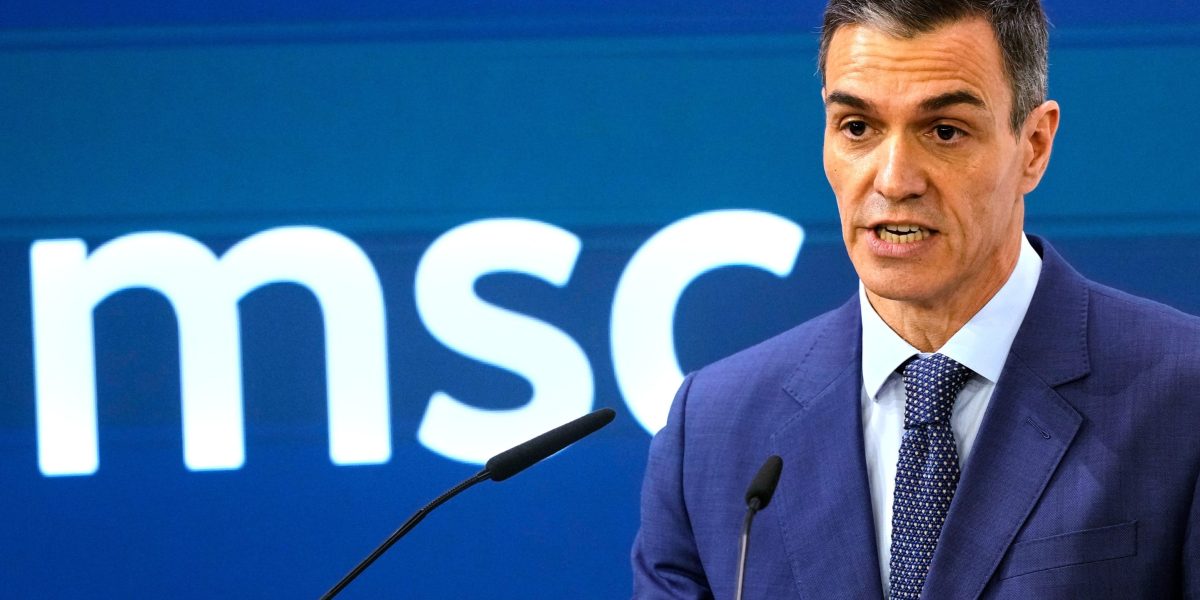
2 months agoPedro Sanchez's lone stance against Trump may look risky, but it is cannily pragmatic | Eoghan Gilmartin
Spain's Prime Minister Pedro Sanchez refused US pressure to support bombing Iran, denying air base access and rejecting threats of trade retaliation based on national values and international law.
Europe politics
fromThe Washington Post
2 months agoSpanish prime minister slams Trump's war in Iran, escalating feud
Spanish Prime Minister Sánchez publicly criticized the U.S.-Israeli attack on Iran and refused to back down despite Trump's trade threats, positioning Spain as a leader of European resistance to Trump's military policies.
World politics
fromLondon Business News | Londonlovesbusiness.com
2 months agoResurfacing Trade Risks Support Gold as Safe Haven - London Business News | Londonlovesbusiness.com
Gold recovered amid rising trade and geopolitical uncertainty, supported by safe-haven demand despite modest ETF inflows and mixed Federal Reserve signals.
fromLondon Business News | Londonlovesbusiness.com
3 months agoA look at the significant events in the global economy over the past week - London Business News | Londonlovesbusiness.com
Markets were closed on Monday for Martin Luther King Jr. Day, compressing the week's activity into four sessions. Early in the week, stocks fell sharply after renewed concerns about a potential global trade conflict. Investor sentiment weakened following comments from President Donald Trump about imposing tariffs on certain European nations in connection with negotiations over Greenland. However, midweek optimism returned when the president signalled a softer stance and postponed the planned tariffs.
US news
fromwww.aljazeera.com
3 months agoGold prices cross $5,100 for the first time amid geopolitical uncertainties
Gold prices have surged to a record high of more than $5,100 an ounce, extending a historic rally as investors piled into the safe-haven asset amid rising geopolitical uncertainties. Spot gold was up 2.2 percent at $5,089.78 per ounce by 06:56 GMT on Monday, after earlier touching an all-time high of $5,110.50.
World news
fromLondon Business News | Londonlovesbusiness.com
3 months agoGold and silver race higher vaulting key milestones as trade tensions tighten - London Business News | Londonlovesbusiness.com
In this febrile geopolitical environment, gold for now seems to know no bounds. "The pile on into the gilded safe haven is continuing with the precious metal racing up higher. It vaulted over the psychologically important 5,000 mark on a glittering streak, heading sharply higher as trade tensions emanating from the US, unnerved investors. President Trump threatened 100% tariffs on Canada, for daring to negotiate with China on a new trading relationship.
Business
World news
fromwww.theguardian.com
4 months agoAt the table or on the menu': a turbulent Davos week with Trump's circus in town
Rising great-power economic coercion threatens middle powers, prompting calls for collective resistance, deeper European integration, and new trading relationships to avoid being crushed.



fromLondon Business News | Londonlovesbusiness.com
4 months agoDollar retreats as trade tensions fuel risk aversion - London Business News | Londonlovesbusiness.com
The US dollar weakened at the open on Monday, pulling back from multi-week highs and underperforming against other major currencies. The move followed renewed geopolitical and trade tensions after President Donald Trump threatened several European countries with new tariffs in an effort to gain control over Greenland. Germany, the United Kingdom, France, Denmark, Norway, Sweden, the Netherlands and Finland were identified as potential targets, facing a proposed 10% tariff from February 1, which could rise to 25% in June unless an agreement is reached.
US politics
fromwww.aljazeera.com
4 months agoWhat's pushing Canada and China closer?
Canadian Prime Minister Mark Carney hails his visit to China as historic'. The relationship between Canada and China has been acrimonious for years, but now the two countries seem to be embarking on a new chapter. Prime Minister Mark Carney concluded what he described as a historic visit to Beijing this week, hailing a new strategic partnership with China that he said could set both nations up for a new world order.
Canada news

Agriculture
fromFortune
5 months agoTrump's $12 billion farmer bailout is a 'Band-Aid on a bigger wound' the American agriculture industry is still reeling from | Fortune
The federal government approved a $12 billion aid package to support U.S. farmers affected by tariffs, but systemic agricultural challenges and market volatility remain unresolved.
fromFortune
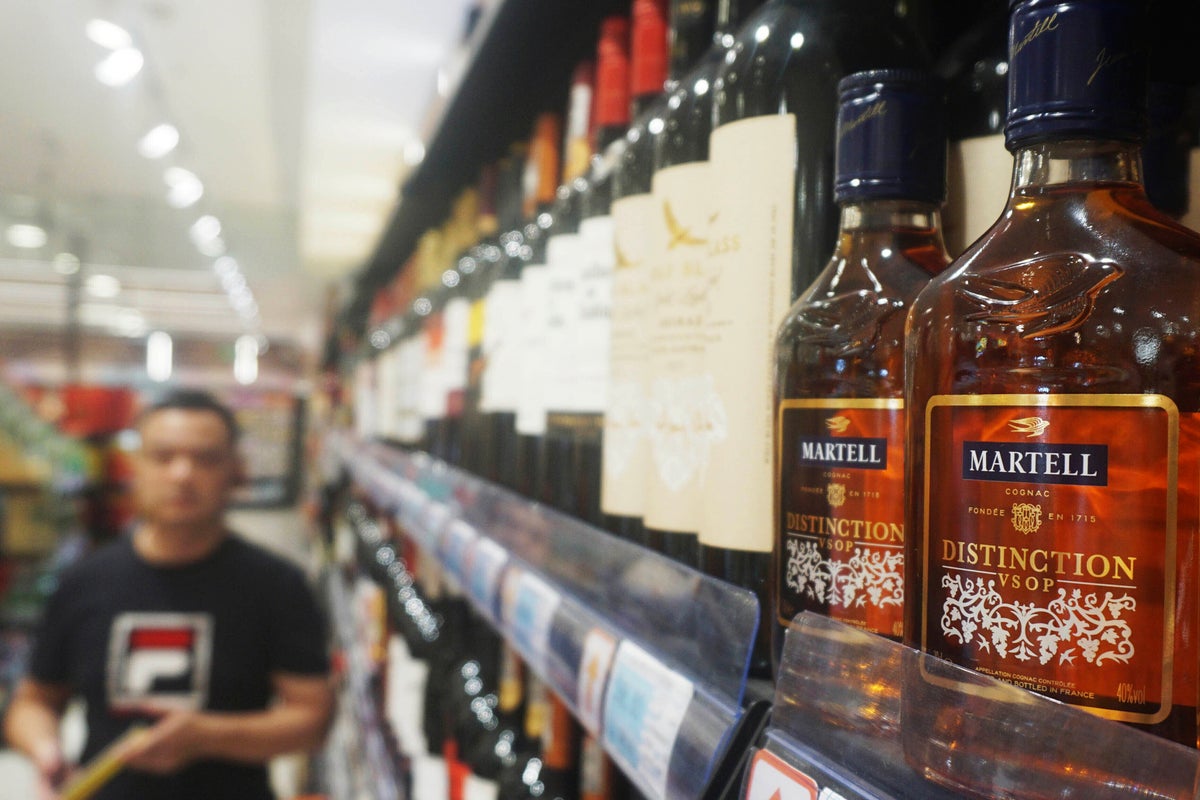
6 months agoTariff threats and Gen Z sobriety have put winemakers in Bordeaux on red alert | Fortune
In the tasting room of a Bordeaux winery, a photo on the wall shows a pastoral tableau: three generations of the Dubois family, sipping wine on the patio of their Les Bertrands château, with their Australian shepherd, Namek, perched at their feet. Out the window, chestnut trees sway in the breeze, with sunlit vines stretching for acres beyond. It's this mesmerizing serenity that draws millions of tourists to southwest France every year
Wine
fromwww.aljazeera.com
6 months agoCan Southeast Asia turn its economic weight into real power?
As global trade tensions rise, ASEAN faces a challenge: how to benefit from the US and China without picking sides. It is the world's fifth-largest economy, with a combined gross domestic product of more than $3.6 trillion dollars. The Association of Southeast Asian Nations (ASEAN) brings together 11 states, representing nearly 700 million people. As a fast-growing hub for trade, manufacturing and supply chains, ASEAN is a vital partner for both China and the United States.
World politics
fromwww.dw.com
6 months agoIndia watches from sidelines as APEC kicks off DW 10/30/2025
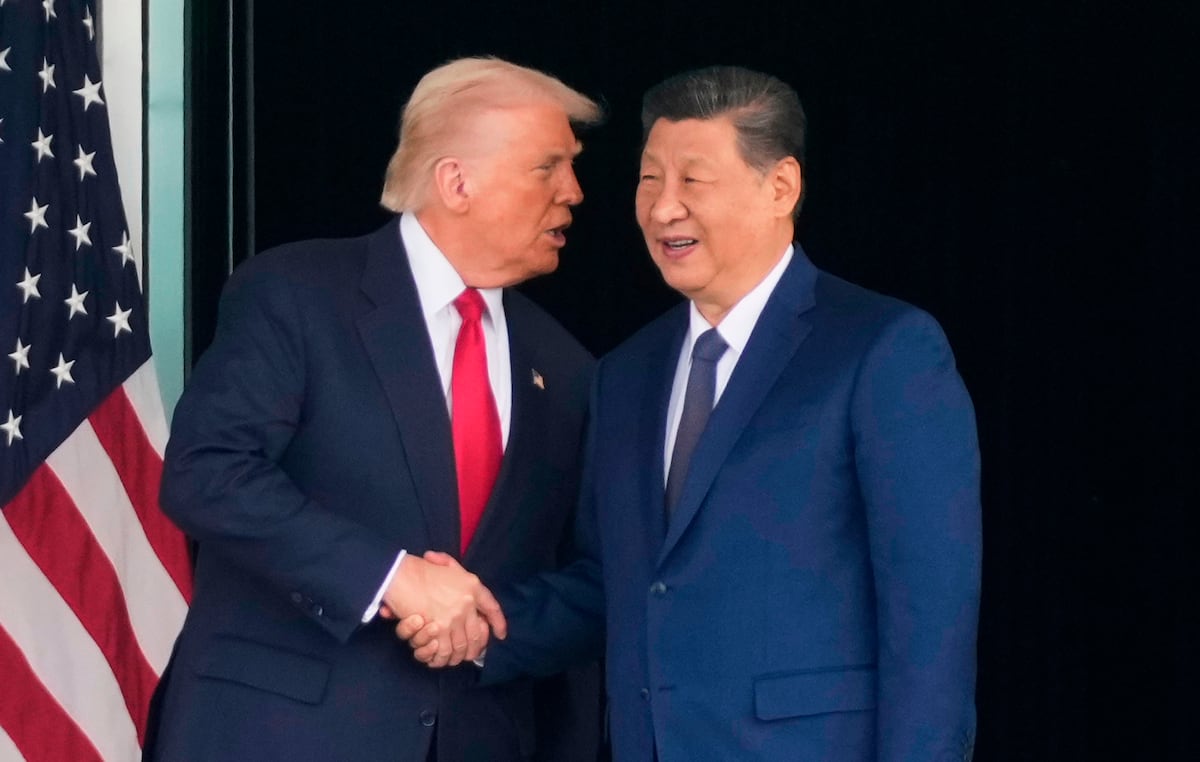
Leaders are gathering in Gyeongju, South Korea, for the Asia-Pacific Economic Cooperation (APEC) summit, a grouping that promotes trade, investment and economic cooperation among the economies of the Asia-Pacific region. Before its main event begins on Friday, this year's summit was already dominated by a meeting on the sidelines Thursday between Donald Trump and Xi Jinping, who agreed to cool trade tensions for the time being.
World news
Business
fromFortune
7 months agoTop analyst still thinks we're on the cusp of a new boom for the economy, but investors aren't with him: 'markets remain choppy' | Fortune
U.S. economy is entering a rolling recovery with an early-cycle rebound, though investor jitters, muted guidance, tariffs, and bank earnings cloud near-term equity prospects.
World news
fromFortune
7 months agoIMF chief Kristalina Georgieva dismisses impact of Trump trade war: 'Trade is like water, you put in an obstacle, it goes around it' | Fortune
Global trade remains resilient despite rising U.S.-China tensions as nations diversify partners and the private sector adapts, favoring cooperation over retaliation.
fromFortune Crypto
7 months agoCrypto markets rebound after $19 billion wipeout leaves traders reeling | Fortune Crypto
The ricochet in crypto prices follows a disastrous Friday that saw more than $19 billion in traders' positions evaporate. It was the largest one-day liquidation event ever tracked by the crypto analytics company CoinGlass. In less than 24 hours, Bitcoin shed more than $200 billion in market capitalization and dropped nearly 10% in price. And Ethereum was hit even harder, dropping almost 14%.
US politics
fromLondon Business News | Londonlovesbusiness.com
7 months agoOil rebounds amid trade optimism and geopolitical tensions reinforce market recovery - London Business News | Londonlovesbusiness.com
The upward move in oil comes as investors digested signs of trade relief following recent remarks by U.S. President Donald Trump, alongside stronger-than-expected Chinese trade data. According to Reuters, the rebound was further supported by a series of potential geopolitical flashpoints, from rising tensions in Ukraine to renewed risks of escalation in the Middle East, that together injected a fresh risk premium into energy markets.
Business
fromTipRanks Financial
8 months agoGoogle (GOOG) Hit With $3.2B EU Fine as Trump Threatens Tariffs - TipRanks.com
The European Commission has fined Alphabet's Google (GOOG) €2.95 billion, or about $3.2 billion, for what it calls abuse in its online advertising business. The case centers on what regulators describe as "self-preferencing," where Google gave its own ad services an edge over rivals. Google now has 60 days to explain how it will comply, or face the possibility of more decisive action, which could include a forced sale of parts of its ad unit.
Miscellaneous
UK news
fromLondon Business News | Londonlovesbusiness.com
8 months agoUK manufacturing witnessed a 'steep drop' in new orders - London Business News | Londonlovesbusiness.com
UK manufacturing PMI fell to 47.0 in August with a steep decline in new orders, ongoing job cuts, and trade tensions cited as causes.
fromwww.aljazeera.com
8 months agoUS trade war, India-China ties loom large at SCO summit in Tianjin
Founded by China, Russia, Kazakhstan, Kyrgyzstan, Tajikistan and Uzbekistan in 2001, the summit has shifted focus over the past two decades from Central Asian concerns to global matters. More significantly, the SCO has become an essential part of China's parallel international governance architecture, said Eric Olander, editor-in-chief of the China-Global South Project. As Beijing assumes the mantle of the world's second-largest superpower, the SCO has created spaces for dialogue and cooperation outside the US-led international system, Olander told Al Jazeera.
World news
Business
fromLondon Business News | Londonlovesbusiness.com
8 months agoDow Jones maintains recovery momentum on Fed easing expectations - London Business News | Londonlovesbusiness.com
Dow Jones recovery driven by expected Fed rate cuts; rate-sensitive sectors and energy could gain, while GDP, inflation data and trade tensions present risks.
fromLondon Business News | Londonlovesbusiness.com
10 months agoCrude pressured by slower demand growth, increased production - London Business News | Londonlovesbusiness.com
The prevailing softness reflects mounting concerns regarding global demand in the context of escalating trade tensions between the United States and its trading partners, including the European Union.
E-Commerce
US politics
fromLondon Business News | Londonlovesbusiness.com
10 months agoUS stock futures rise ahead of a week filled with crucial economic data - London Business News | Londonlovesbusiness.com
U.S. equities futures rose, reaching record highs amid potential trade tensions and economic data releases.
fromLondon Business News | Londonlovesbusiness.com
10 months agoTrade tensions weigh on Euro, German bond yield rises - London Business News | Londonlovesbusiness.com
The euro was at a three-week low against the US dollar as renewed trade tensions, fueled by President Trump's tariff announcement, weighed on the common currency.
Europe news


[ Load more ]