#unesco-city-of-gastronomy
#unesco-city-of-gastronomy
[ follow ]
#cooking #travel #dining #culinary-tourism #san-francisco #restaurant-week #hospitality #prix-fixe-menus
fromBon Appetit
1 day agoAll the Recipes From Bon Appetit's Travel Issue
In the latest issue of Bon Appétit magazine, we're traveling far and wide. To Mexico City in search of the best gorditas, to Hong Kong to explore cha chaan tengs, and to a truck stop in Wyoming that's turning out first-rate blistered naan, biryani, and more.
LA food
fromThe Mercury News
1 day agoLongtime Singaporean restaurant returns to Menlo Park after facing eviction
"What we didn't expect was the response - customers were coming by, messaging us, and sharing stories about what the restaurant meant to them. It made us realize this wasn't just a place to eat - it had become part of people's routines and memories."
East Bay food
#mediterranean-cuisine
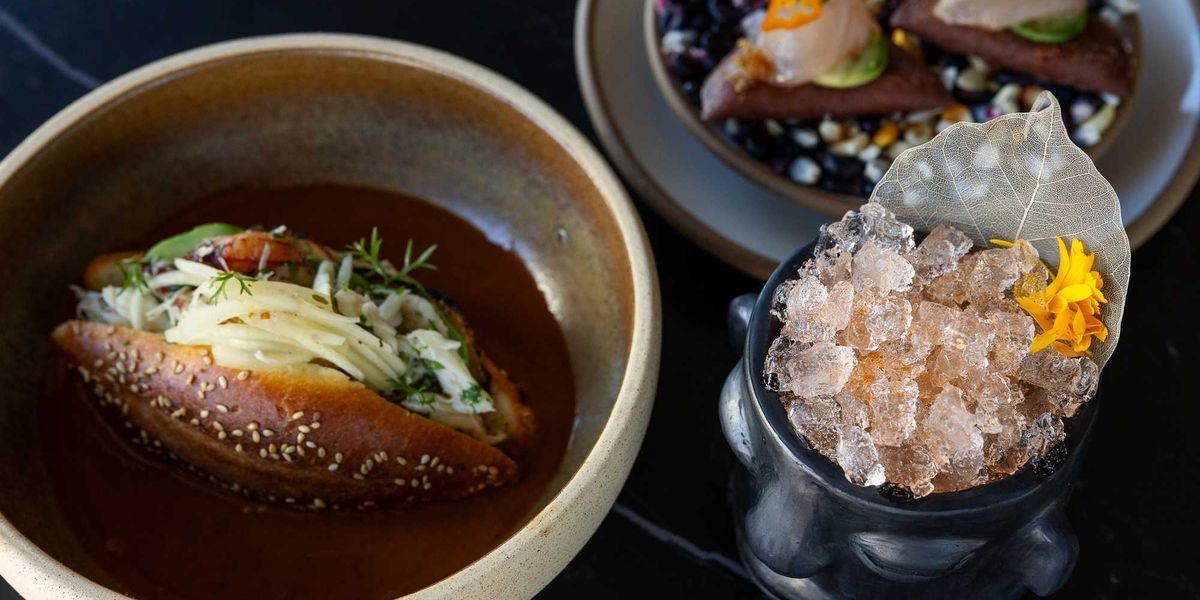
Food & drink
fromLondon Business News | Londonlovesbusiness.com
4 days agoTop reasons to try Mediterranean food Houston foodies recommend - London Business News | Londonlovesbusiness.com
Houston's Mediterranean food thrives on quality and authentic flavors, particularly highlighted by the importance of rice preparation and signature dishes.
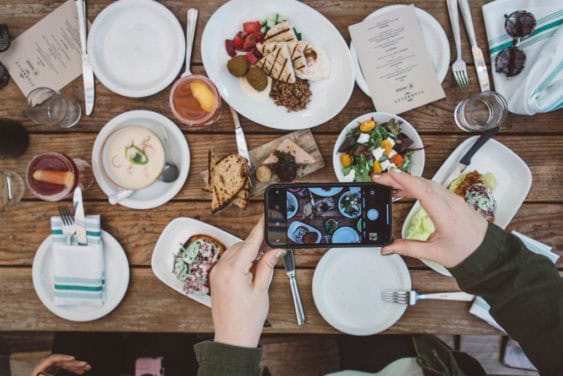
:max_bytes(150000):strip_icc()/GT-Best-US-Cities-Large-FT-DGTL0426-MAPLE-ASH-HERO-02-2caa5b7638ff46d2bc2326abfe189935.jpg)

fromMetro Silicon Valley | Silicon Valley's Leading Weekly
6 days agoFresha in San Jose | Metro Silicon Valley | Silicon Valley's Leading Weekly
Fresha, born Frescia Belmar, is nominally a jazz bassist, but her artistry transcends the form, moving effortlessly between jazz, rock, fusion, and R&B.
Music production
fromTasting Table
4 days agoWest Virginia's 7 Best Steakhouses - Tasting Table
A truly great steakhouse isn't just about the steak. We'd argue that the best steakhouses in the country are ones that put as much thought and effort into the drinks, cocktails, and sides as the meat, and that's one place where Prime 44 West shines.
Silicon Valley food
fromTasting Table
2 days agoThis NYC Eatery Has People Crossing Borough Lines For Its Pierogies - Tasting Table
"THE BEST pierogi me and my fiancé have tried ever in NY. Me and him are both Ukrainian and have lived in Poland, and out of all the places we have tried, these taste exactly like homemade traditional Polish pierogis."
NYC food
fromLondon On The Inside
4 days agoGet Mash Up | The Best Fusion Food in London
Fusion food has historically had a bit of a bad rap, with overly gimmicky dishes and unnecessary combinations turning diners off. However, when you drill down into what fusion actually is - blending together flavours, ingredients and techniques from different cuisines - it's something that a lot of chefs are doing all the time.
fromFood & Wine
6 days agoNew York, We Need to Talk About Chicago's Restaurants - They're Coming for You
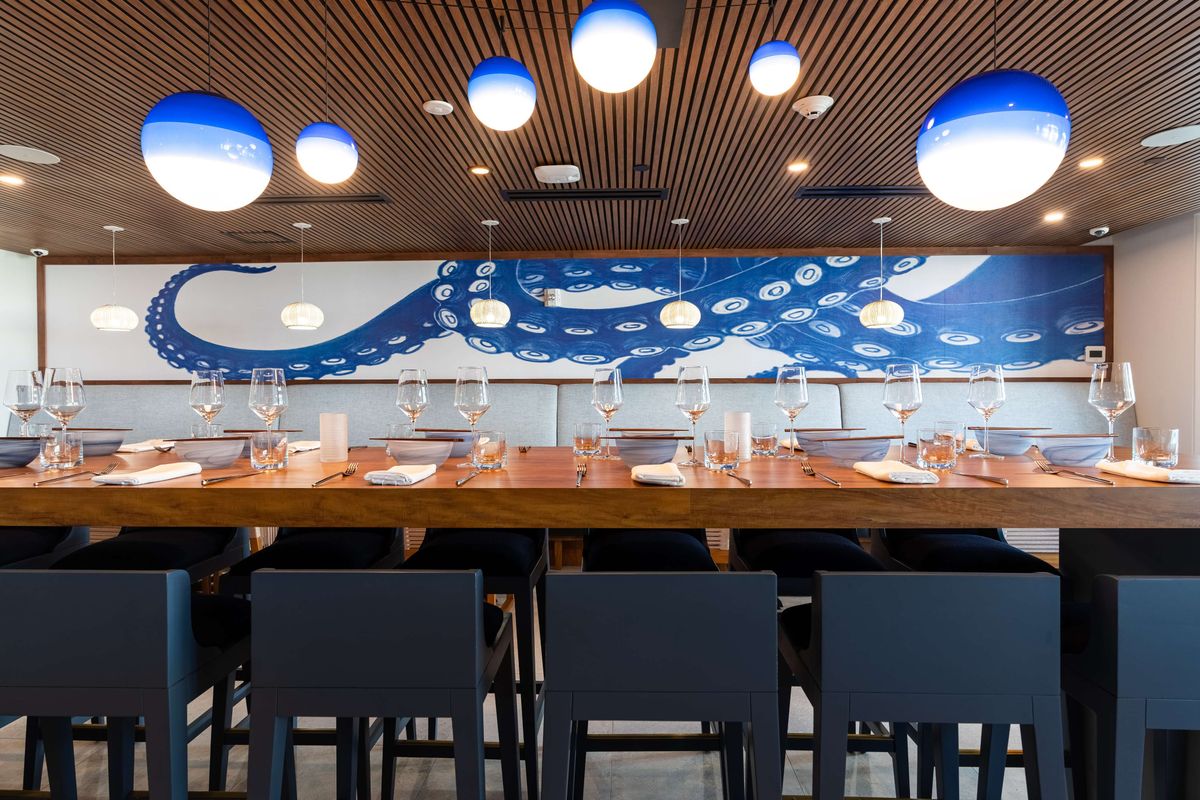
At Mirra, chefs Zubair Mohajir and Rishi Kumar fuse Indian and Mexican flavors, telling a story of immigration and the Indian diaspora through culture-melding dishes like chaas aguachile, where translucent slices of hamachi are served in a pool of cumin-scented buttermilk and lime juice.
Chicago
fromCN Traveller
5 days agoWhere the Chefs Eat: Henry Harris's favourite restaurants in Lyon
Henry Harris describes his experience as the head chef and co-owner of Bouchon Racine as 'my most favourite three years of cooking and restaurant ownership.' He emphasizes the importance of creating a space where guests feel 'loved and valued'.
London food
Berlin food
fromTravel + Leisure
1 month agoThis European City Was Named the Most 'Authentic' Food Destination on the Continent
Budapest ranks as Europe's most authentic food destination with a score of 98/100, featuring traditional Hungarian cuisine centered on paprika-based dishes and vibrant street food culture.
fromThe Local Germany
1 month agoCulture, politics, food: what makes Europeans proud of their country?
In Italy, the most common topic mentioned as a source of national pride was culture and the arts. These were cited by 38 percent of respondents, more than any other place. An Italian woman who took part in the survey said she was proud of 'the works in the churches, paintings, sculpture ... most places in Italy have something beautiful.' An Italian man said that 'Italy is an open-air museum.'
Germany news
fromFood & Beverage Magazine
1 month agoCulinary Innovations and Retail Strategies for 2026
These leadership changes are not just about new faces; they signify a shift towards culinary creativity that prioritizes sustainability, local sourcing, and unique flavor profiles. As industry leaders, these chefs are setting the stage for a culinary renaissance that will engage diners and elevate their dining experiences.
Food & drink
fromBon Appetit
1 month agoHomeward Bound
The expense, return on investment, and volume of investors needed to make it a reality did not make sense. I thought, 'maybe it's time to do something new.' The amount of money you need to run a restaurant in Brooklyn or Manhattan at this point is so crazy. If you fail, the loss is massive. Here, we were able to do a major renovation, we have a 100 bottle wine list, and we can use the ingredients we want and serve them at a decent price point because our overhead is not as bad.
NYC food
fromTasting Table
2 months ago10 Foods And Drinks Where Country Of Origin Actually Matters - Tasting Table
Country of origin labeling became mandatory on all international products entering the United States in 2009. The goal was to ensure American consumers knew where the products they were buying came from, enabling shoppers to make informed buying decisions. These products include everything from Mexican avocados to French wine to pasta from Italy, with the latter thankfully safe from recent U.S. tariffs. However, does the location a product comes from actually matter?
Wine
Food & drink
fromwww.theguardian.com
1 month agoWomen built, and still shape, our culinary culture every day
Women have historically dominated cooking and food traditions, positioning the culinary world as one of few professional spheres where women maintain a natural advantage and leadership presence.
Food & drink
fromTasting Table
1 month ago15 Travel Destinations Around The World That Belong On Every Food Lover's Bucket List - Tasting Table
Food tourism offers immersive cultural experiences, with destinations like Japan renowned for distinct culinary traditions emphasizing quality ingredients, presentation, and umami-rich flavors.
fromTasting Table
2 months ago10 Food Trends You Can Expect To See In 2026 - Tasting Table
Food trends are changing and evolving constantly, with yesterday's textures, flavors, and ingredients moving aside or inspiring the ones we expect to see in 2026. We expect the upcoming year to be influenced by health trends, as well as politics, and the need for comfort in our food offerings. People's ever-expanding palates and health needs are also colliding with their budgets, but that doesn't mean they plan to sacrifice their food experiences.
Food & drink
[ Load more ]