#urban-masterplanning
#urban-masterplanning
[ follow ]
#transportation #architecture #urban-planning #urban-design #infrastructure #new-york-city #public-space


Alternative transportation
fromStreetsblog USA
3 days agoFlorida Town Gives New Residents Free Golf Carts to Replace Their Cars - Streetsblog USA
Babcock Ranch incentivizes residents to drive less by offering free golf carts with new home purchases, promoting a community focused on alternative transportation.
fromBrooklyn Paper
1 day agoPartial redesign of McGuinness Boulevard has resulted in fewer cars, more cyclists, DOT says ahead of full rollout * Brooklyn Paper
Since the city removed one vehicle traffic lane in each direction in favor of a parking-protected bike lane between Calyer Street and Meeker Avenue in 2024, the boulevard has seen more cyclists, fewer vehicles and slightly-slower travel times.
Brooklyn
#transportation
SF politics
fromStreetsblog USA
5 days ago"Why Do We Do This Bill?": Preparing Congressional Staff for Surface Transportation Reauthorization - Streetsblog USA
Federal surface transportation reauthorization lacks institutional knowledge, leading to skepticism about its effectiveness and the need for reevaluation.
London startup
fromComputerWeekly.com
5 days agoDatacentre developers tout benefits to local communities, but do they deliver? | Computer Weekly
Datacentre developments are causing challenges for local businesses, raising concerns about energy consumption and community impact despite potential local benefits.
#e-bikes
New York City
fromwww.amny.com
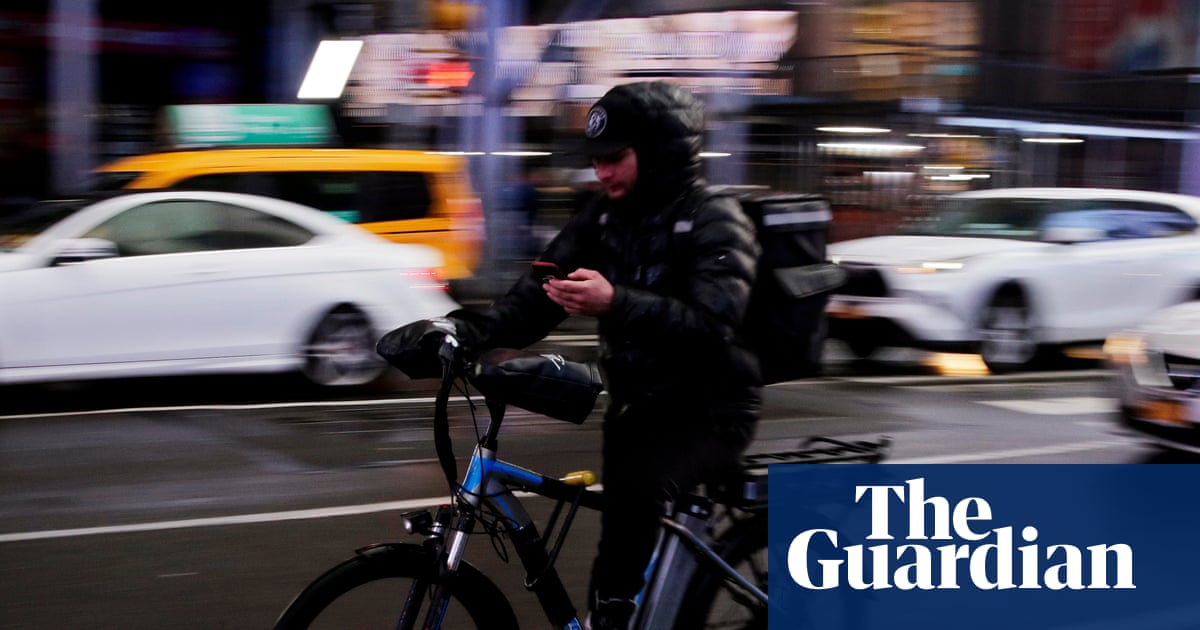
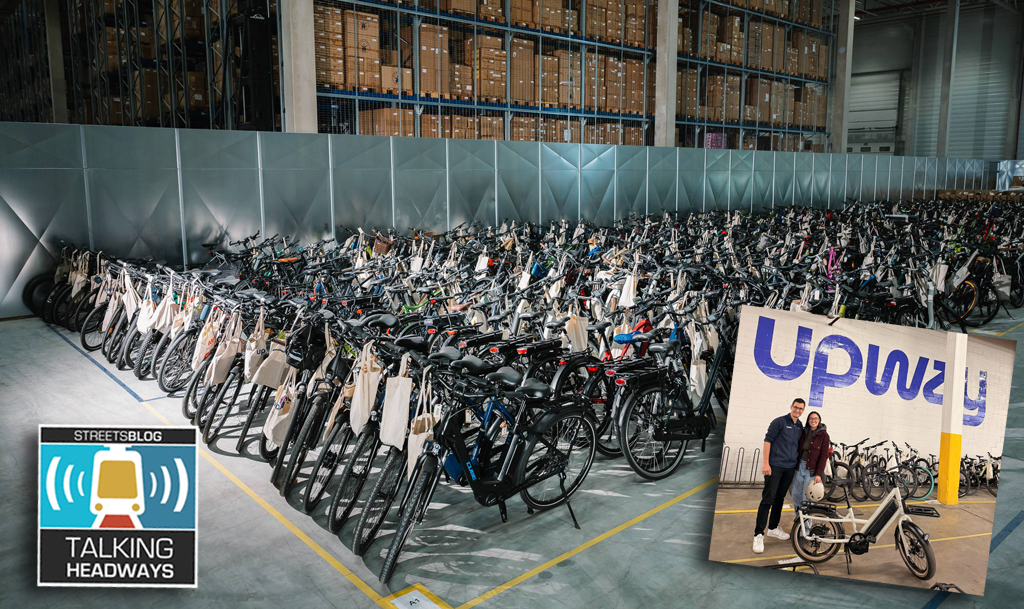
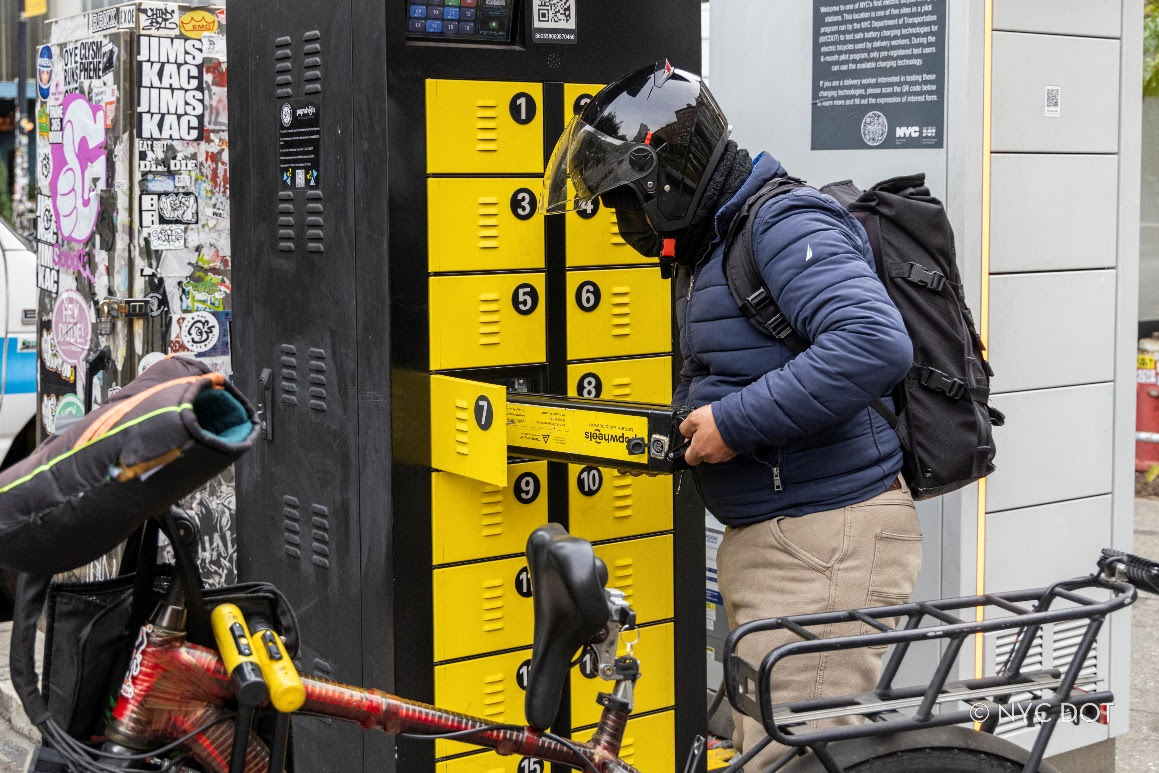
1 day agoFIRST ON amNY | DOT opens asks New Yorkers to weigh-in on e-bike charging cabinet locations with new portal | amNewYork
An online portal will gather public feedback on 50 potential locations for e-bike battery swapping cabinets, aiming to enhance safety and accessibility.
fromFast Company
1 day agoThis stunning new bridge in Helsinki is designed for cyclists, pedestrians, and trams-but no cars
"We're looking at quite large new numbers of residents that will be in this part of town. And the decision was made that we need to connect those parts of town across the water to downtown, but that we need to do it in a way that won't increase congestion."
Alternative transportation


California
fromStreetsblog California
4 days agoLegislation Moving to Make It Easier to Build High-Rises Near Transit in CA's Seven Largest Cities - Streetsblog California
Assembly Bill 2074 aims to facilitate high-rise housing near transit hubs in California's largest cities by streamlining approval processes.
Business intelligence
fromLondon Business News | Londonlovesbusiness.com
2 weeks agoWhy GIS matters in modern infrastructure and urban planning: Building smarter, future-ready cities - London Business News | Londonlovesbusiness.com
GIS is essential for effective urban planning, enabling data-driven decisions that enhance infrastructure and quality of life in rapidly growing cities.
fromBusline News
3 days agoENC Named To Washington State DES Statewide Transit Bus Contract - Busline News
Being named to the Washington State DES contract is a significant milestone for ENC and a testament to the strength of our product portfolio. This contract gives transit agencies across the region a streamlined path to American-made, Altoona-tested heavy-duty buses in every major propulsion category.
Alternative transportation

fromwww.bbc.com
3 weeks agoCampaigners celebrate after new town plans dropped
Campaigner Aysha Hawcutt stated that residents were 'not anti-homes', but believed the Adlington plan was 'the wrong proposal in the wrong place'. She expressed pride in the community's resilience against the development threats.
London politics
Miscellaneous
fromArchDaily
1 month ago7 Unbuilt Masterplans Reimagining Urban Futures Through Ecology and Collective Space
Unbuilt urban masterplans explore adaptive spatial frameworks that recalibrate mobility, ecology, and collective life through climate-responsive design and public space integration across diverse global contexts.


fromFast Company
2 months agoWhat is Complete Streets design and why should we all be using it?
In the 1950s, the Air Force designed cockpits for the average pilot by measuring thousands of pilots and calculating the average for ten key physical dimensions-height, arm length, torso size, etc. They assumed most pilots would be close to average in most dimensions. When researchers actually checked, they found that out of 4,063 pilots, exactly zero were average on all ten dimensions.
Cars
fromForbes
1 month agoTransit-Oriented Housing On Track For Continued Growth
Once a nice-to-have niche urban design concept, TOD has become an essential part of many urban neighborhoods. It has helped address the shortage of housing by enabling the development of higher-density residential communities near transit stations. It has helped revitalize countless once-deteriorating or static urban enclaves near transit hubs by activating sidewalks near the developments. And it has spurred walking and transit use, enabling residents of TODs to reduce or eliminate automobile dependency.
Real estate
fromArchDaily
1 month agoMobility Justice: Urban Equity in an Era of Innovation
Every city contains two transportation systems. One is the visible network of roads, rail lines, sidewalks, and bus routes mapped in planning documents. The other is the invisible geography of privilege and exclusion embedded within it: the neighborhoods that received highways instead of parks, the communities whose bus routes were cut, the sidewalks that abruptly end at the edge of a district.
Alternative transportation
fromwww.dw.com
2 months agoThe city that swapped parking for green space
Though they're individually tiny, parking spots quietly play a dominant role in shaping urban landscapes. Most US cities dedicate at least 25% of their developable land to them. Some, even more. That land usage doesn't only determine the way a city looks. It also means covering large swathes of urban areas in heat-absorbing asphalt, which contributes to making summers hotter and heightens the risk of flooding since it prevents drainage during storms and heavy rainfall.
Miscellaneous
fromStreetsblog
2 months agoWhat the 'Abundance' Agenda Could Mean For Equitable Transportation - Streetsblog USA
The new "abundance" agenda can deliver a wealth of equitable transportation options - but only if its proponents recognize how our glut of highways has contributed to the "scarcity" they say they hope to tackle, advocates are saying.Inspired by the Ezra Klein and Derek Thompson's book of the same name, "abundance" became a political buzzword across America in 2025, inspiring a universe of think-pieces and justification for a raft of deregulatory policy proposals.
US politics
[ Load more ]