#visual-arts
#visual-arts
[ follow ]
#art #contemporary-art #art-history #art-exhibition #architecture #creativity #photography #lacma #milan-design-week
Paris food
fromThe Art Newspaper - International art news and events
8 hours agoNew biography of Chaim Soutine pieces together illusive artist's life and works
Chaïm Soutine's legacy focuses on his unique artistic energy rather than emotional interpretations, aiming for his paintings to be recognized on their own merit.
Los Angeles
fromThe Art Newspaper - International art news and events
8 hours agoFrom the World Cup and the Olympics to two new museums: upcoming cultural attractions in Los Angeles
Los Angeles prepares for major sporting events, including the World Cup and Olympics, with new infrastructure and attractions like SoFi Stadium and Metro art stations.
fromArchDaily
1 day agoWhy Do We Want to Float? The Psychology of Lightness in Architecture
In 1962, the architect Buckminster Fuller envisioned a floating city that would free humanity from its dependence on the Earth. The speculative project consisted of enormous geodesic spheres that would naturally levitate in air warmed by the sun and be anchored to mountaintops.
Design
fromdesignboom | architecture & design magazine
1 day agosara ricciardi releases the chemistry of happiness inside milan's pinacoteca di brera
'Give them a smile, you know, something that can also be a deeper level of understanding,' Sara Ricciardi tells designboom, framing the installation as an immediate emotional trigger before it unfolds into something more layered.
SOMA, SF
#milan-design-week


Renovation
fromdesignboom | architecture & design magazine
2 days agolina ghotmeh floods milan's palazzo litta with pink labyrinthine landscape
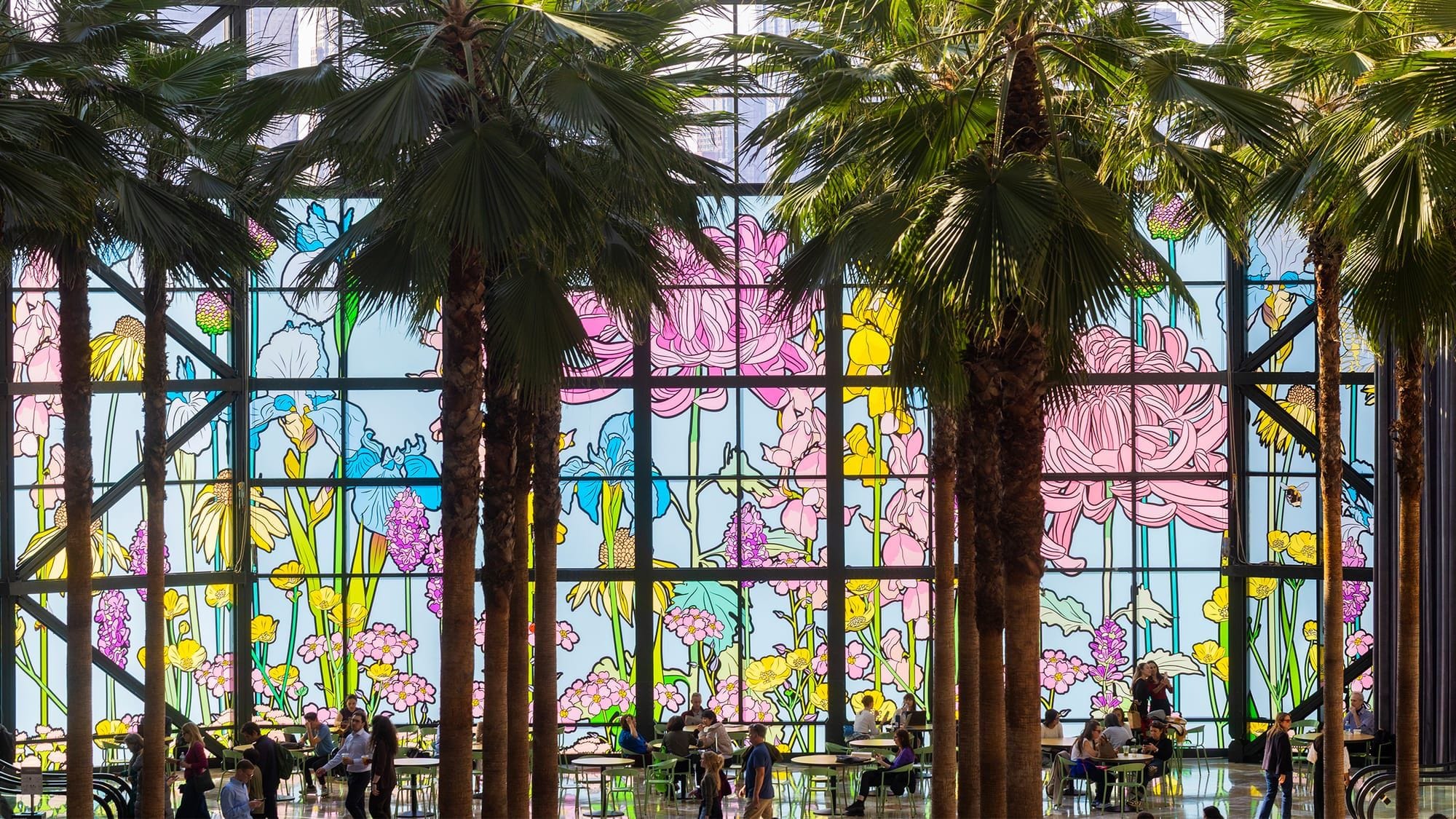
Palazzo Litta is transformed into a dynamic, inhabitable landscape with Lina Ghotmeh's installation, creating a dreamlike experience during Milan Design Week 2026.
Arts
fromdesignboom | architecture & design magazine
2 days agolaila gohar spins a surreal carousel of fruits and vegetables for arket during milan design week
Laila Gohar's carousel installation at Milan Design Week 2026 introduces her first ready-to-wear collection, blending art and fashion with oversized fruits and vegetables.

fromCurbed
6 hours agoThe Ordinary, Extraordinary To-Do Lists of Keith Haring
Each morning, he made himself a to-do list and crossed out items as he completed them as straightforwardly as any middle manager. Shopping-list tasks like 'china markers' or 'order canvas' sit alongside reminders like 'paint sister's baby furniture.'
Writing
Berlin music
fromKALTBLUT Magazine
10 hours agoCelebrate the Unconventional: Launch of Soft Edges - A New Queer Cultural Event in Berlin - KALTBLUT Magazine
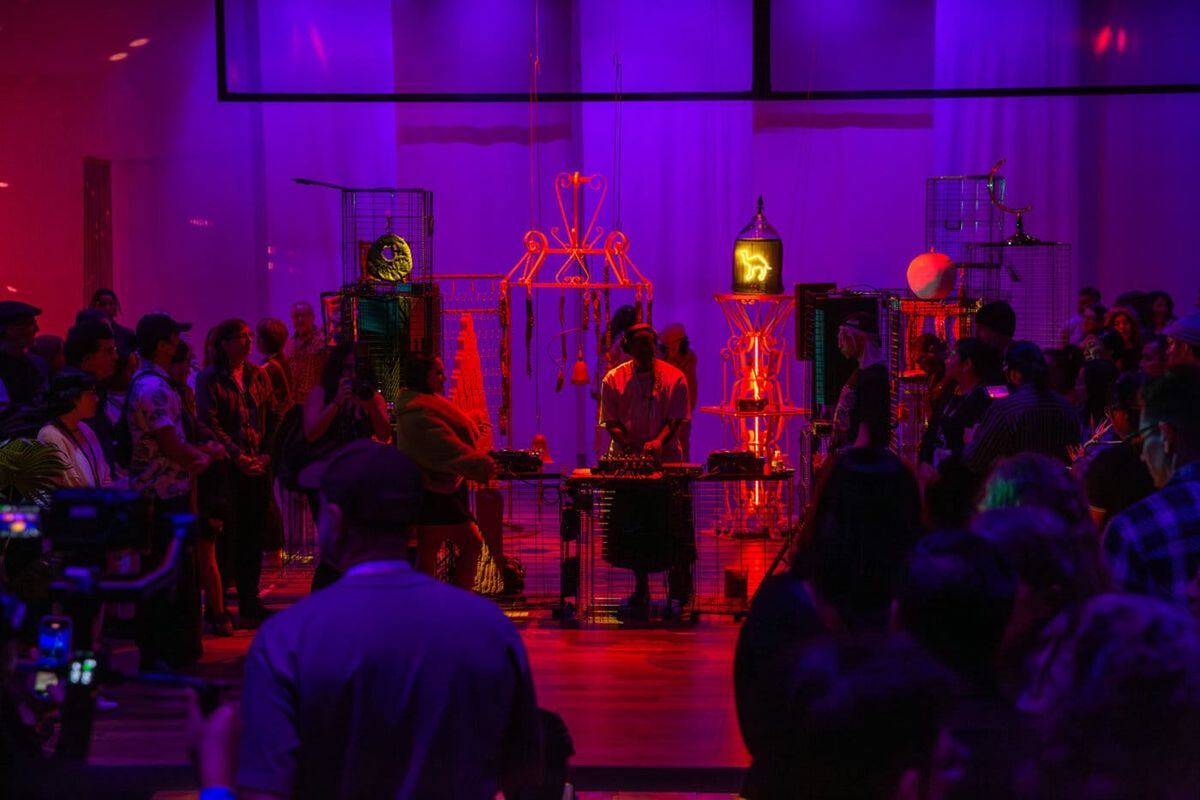
Soft Edges is a new queer event series in Berlin, promoting independent artists and fostering community through live performances and interdisciplinary art.
fromItsnicethat
2 days agoMiggie Bacungan's graphic design challenges the artificial flavouring of pop culture imagery
The design elements I would use for my maximalist work takes inspiration from tarpaulin advertisements and posters you would see across Metro Manila. The visual character of these advertisements are really kitsch.
Graphic design
fromThe Art Newspaper - International art news and events
9 hours agoSustainability charity Gallery Climate Coalition launches new consultancy to support climate action
"The idea for a dedicated consultancy arm actually predates GCC's launch in 2020. Right from the beginning, it was clear that while shared standards, tools and advocacy are essential, many organisations would require hands-on, tailored support to implement meaningful change."
Arts
Arts
fromThe Art Newspaper - International art news and events
2 days agoBritish Art Show-exhibiting UK's 'most exciting' art in past five years-announces line up for tenth edition
The British Art Show 10 will showcase contemporary art in five UK cities, focusing on empathy and shared imagination during turbulent political times.
fromBoard Game Quest
2 months agoSand Art Review
Sand Art is a game by Kory Jordan and published by 25th Century Games for two to four players ages 10 and up. It takes about an hour to play, and has you collecting resources and then coloring in a bottle, making art in a bottle out of sand, in case the name didn't give away the plot. Gameplay Overview: Sand Art has you gathering and mixing sand, which is used to fill your bottle.
Board games
fromOregon ArtsWatch * Arts & Culture News
4 days agoTom Prochaska: Through the Open Door * Oregon ArtsWatch
Tom Prochaska distinguished himself in many mediums: He was a masterful printmaker, an intuitive painter, a builder of papier-mâché figures, a creator of fused glass panels, and graphite-on-paper drawings.
Arts
fromArtnet News
1 week agoPainting Has Entered Its Performance Era | Artnet News
Much of Instagram's video content is organized around transformation-the virtual magic of the before-and-after and clips that show cause and effect. A person makes pasta from scratch in 20 seconds via edits that compress time-intensive labor.
Arts
fromThe Art Newspaper - International art news and events
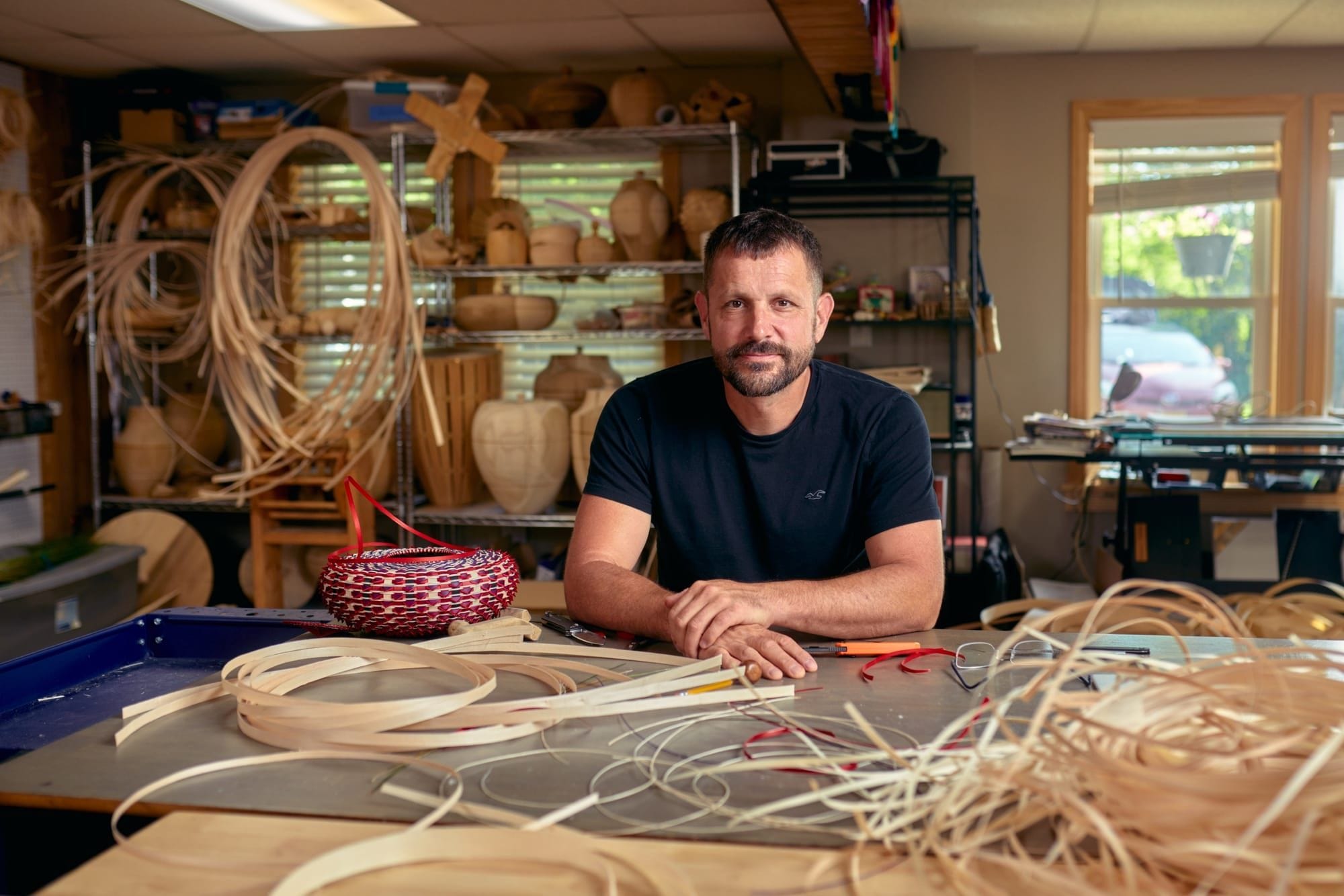
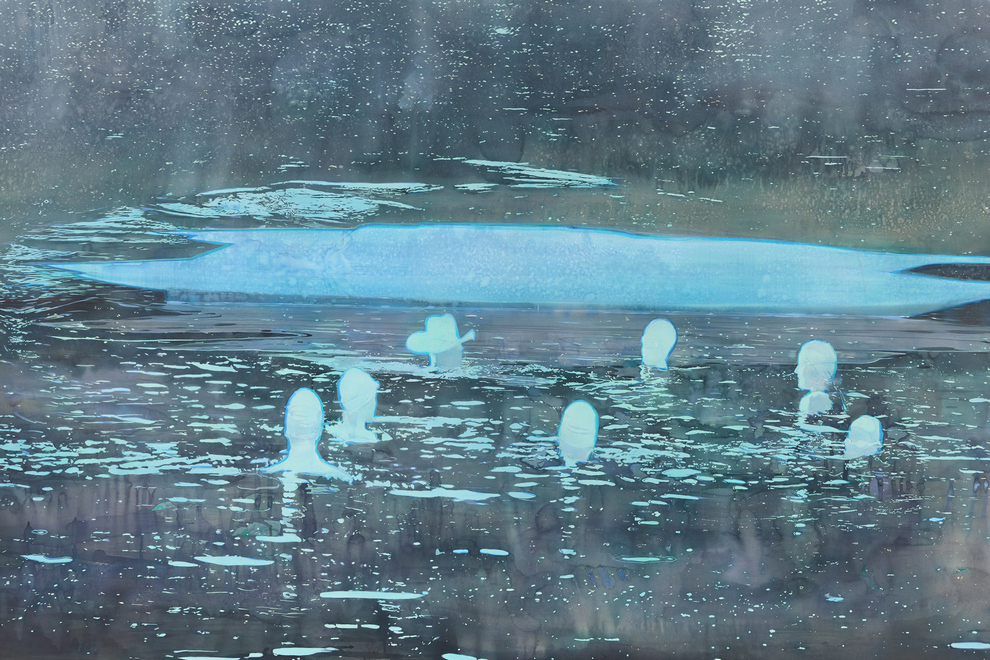
5 days agoThe Big Review: Rothko in Florence
In the hushed, monastic cells of Florence's Museo di San Marco, Mark Rothko's canvases pulse with spiritual intensity. Rothko's paintings are a new arrival, part of the city's latest major exhibition.
Arts
Arts
fromdesignboom | architecture & design magazine
5 days agowhat the readymade still asks: marcel duchamp returns to new york at MoMA and gagosian
Marcel Duchamp's readymades challenge traditional notions of art, emphasizing the role of displacement and designation in transforming ordinary objects into conceptual events.
fromThe Art Newspaper - International art news and events
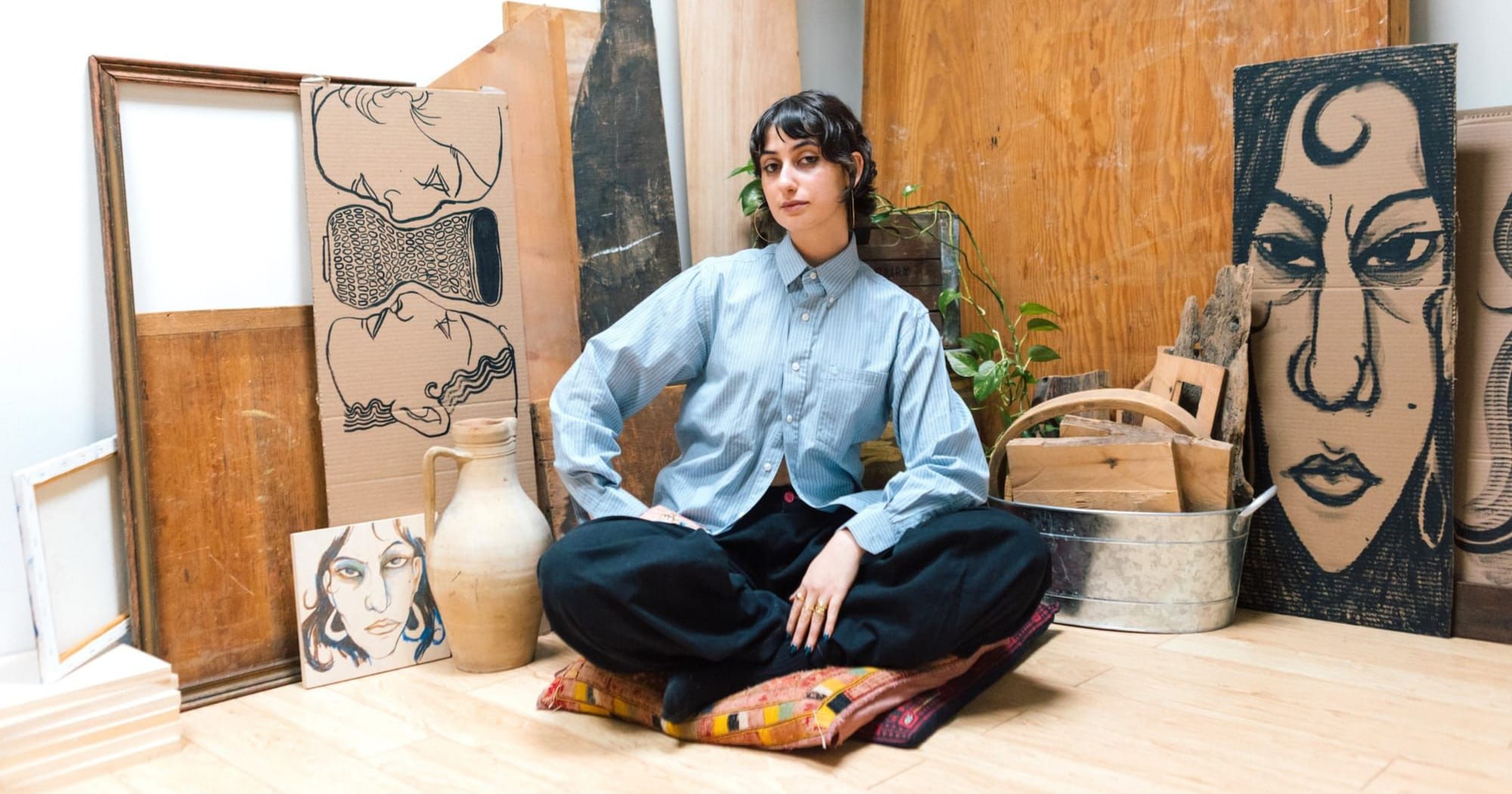
6 days agoArtist interview: Sarah Rosalena
I see myself first and foremost as a weaver working at the intersection of craft and technology. As an Angeleno, I grew up learning how to weave in the Wixárika tradition of my matriarchal bloodline by watching my mother and my grandmother.
Arts
fromThe Art Newspaper - International art news and events
2 weeks agoPressing issues: the vital role of printmaking in the history of art
Yale came to me and said there isn't an overarching book about the history of printmaking; they wanted it to be about the printed image. There are a lot of books about printing-about the history of journalism or the history of books, the printing press and the printed word-but not so much about the printed image and its processes. So that was my challenge.
Arts
fromHyperallergic
1 month agoEmbracing Friction in the Art World
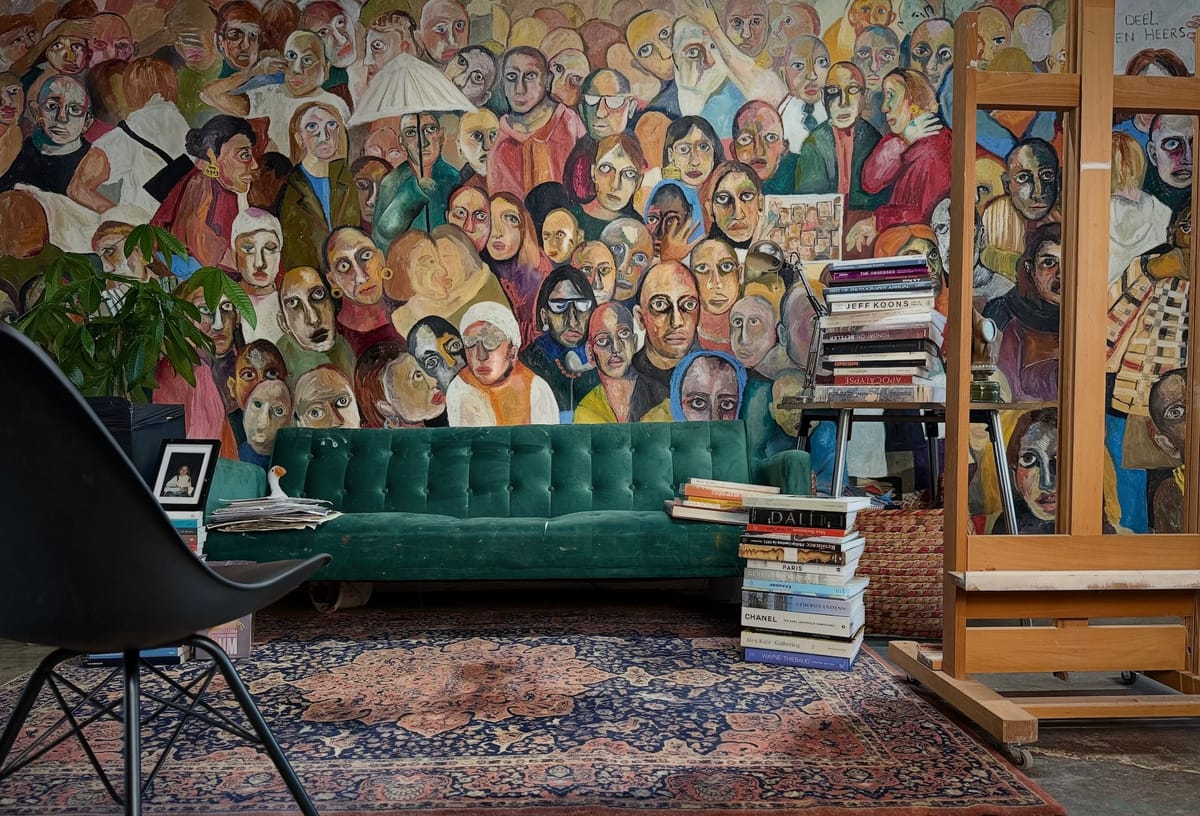
On Franklin Street in Brooklyn's Greenpoint neighborhood, one non-commercial gallery fosters 'a small, stubbornly human space for friction.' Friction—the ubiquitous buzzword that captures the simultaneous delight and discomfort of doing things the slow way—is at the heart of artists Pap Souleye Fall and Char Jeré's current show at Subtitled NYC. It also reflects the overall spirit of this little exhibition space and of a burgeoning movement to reject our culture of optimization in favor of a bumpier, more intimate, less alienating experience.
Arts
Arts
fromSilicon Canals
2 months ago8 signs you appreciate art, music, and culture on a deeper level than most people - Silicon Canals
Some people experience art deeply, reacting emotionally and perceiving subtle artistic cues that reveal heightened sensitivity and meaningful connections to creative expression.
fromHyperallergic
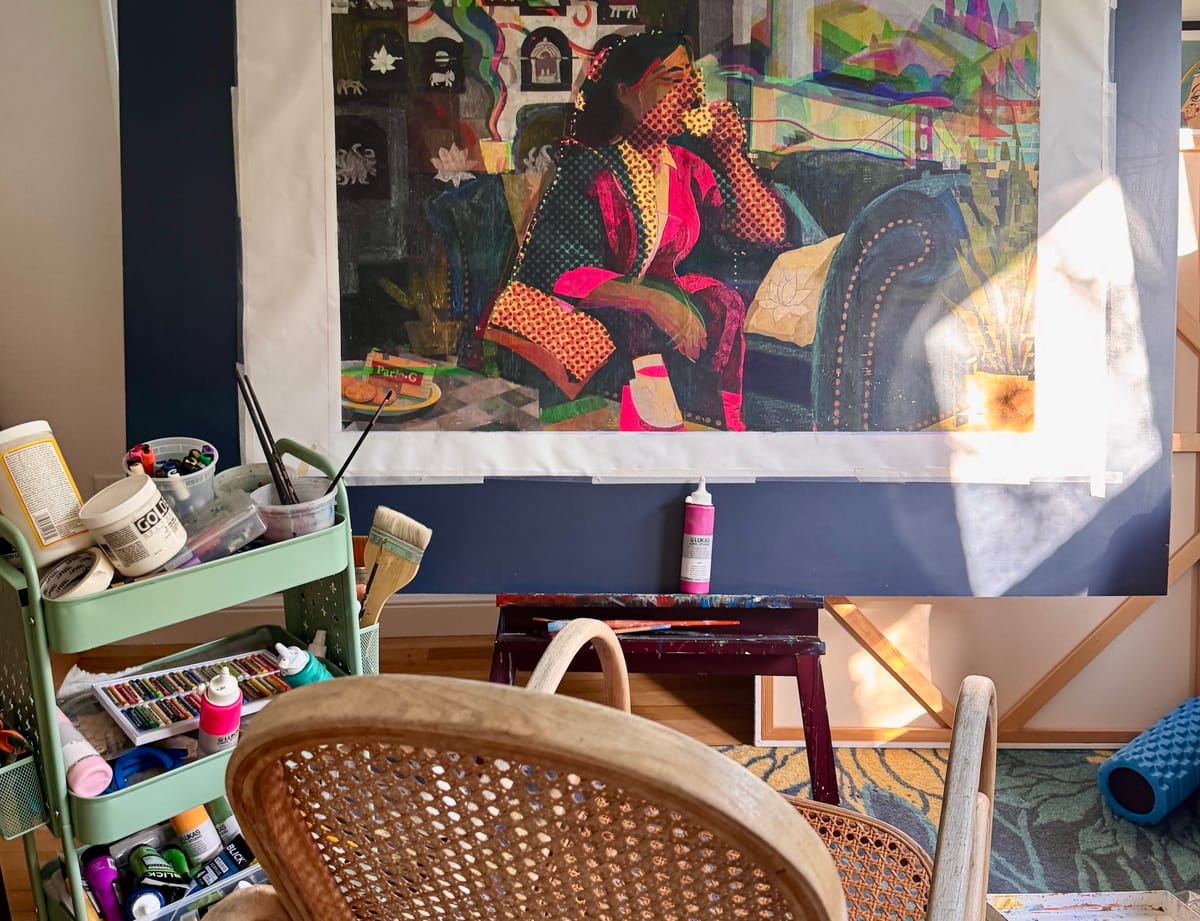
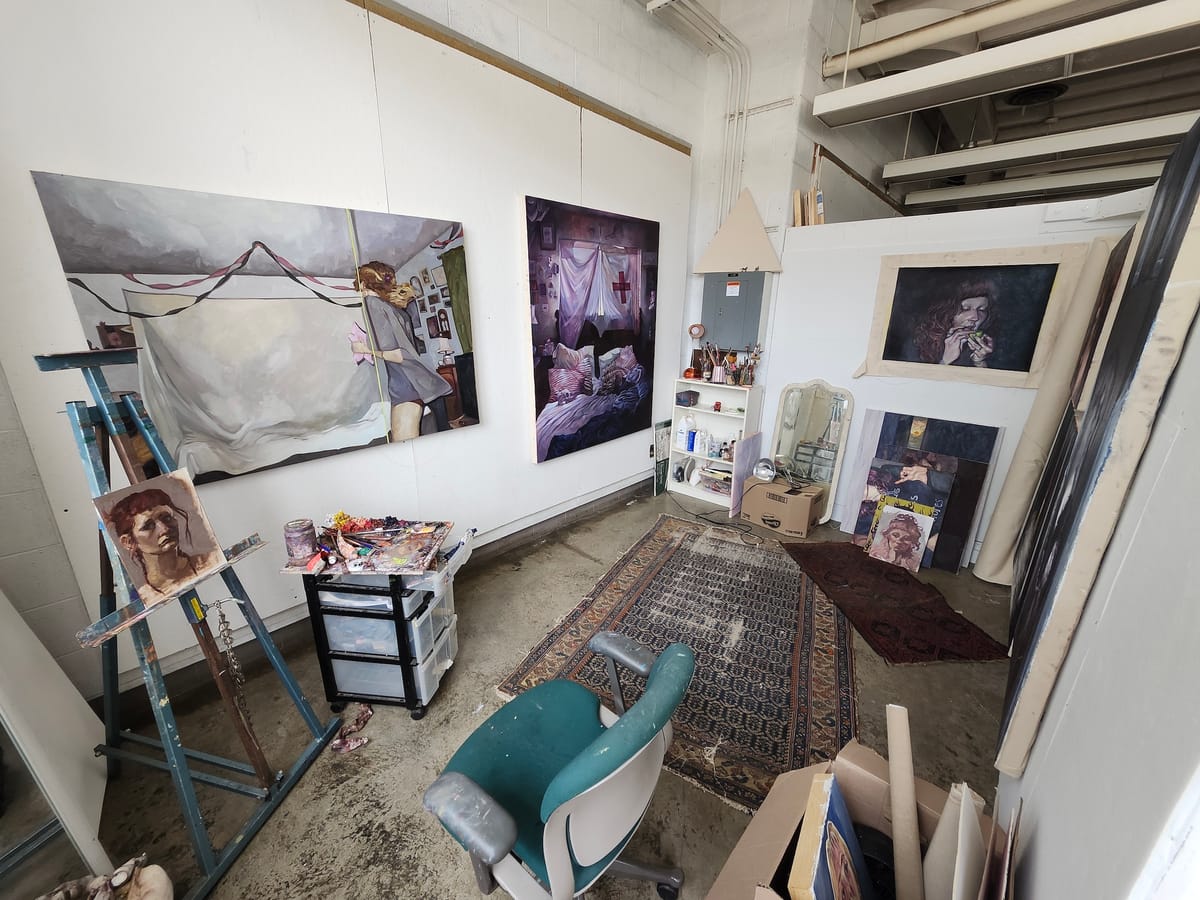
2 months agoA View From the Easel
The studio is at my house within a ranch, surrounded by nature. It's on the second floor of the house, where there's better light. My routine all day shifts between studio work and housework, including outdoor garden work. I get up a bit before 7am, drink coffee in the yard, and get morning sunshine. Then my husband and I eat breakfast and do a bit of cleaning or some chores in the garden.
Arts
[ Load more ]