#youtube
#youtube
[ follow ]
#meta #advertising #social-media #content-creation #user-experience #coachella #mental-health #shorts #digital-media







#mrbeast
Media industry
fromEntrepreneur
6 days ago'I Live to Work': MrBeast Admits His Work-Life Balance Isn't 'Healthy' - Here's How He Built YouTube's Biggest Audience
MrBeast, with 476 million subscribers, admits to an unhealthy work-life balance while striving to make Beast Industries a major entertainment company.
Media industry
fromFortune
1 week agoSelf-made billionaire MrBeast says his work-life balance is nonexistent and calls it a 'miracle' if he works less than 15 hour days: 'I live to work' | Fortune
MrBeast is building a multibillion-dollar entertainment empire while struggling with a healthy work-life balance.

fromconsequence.net
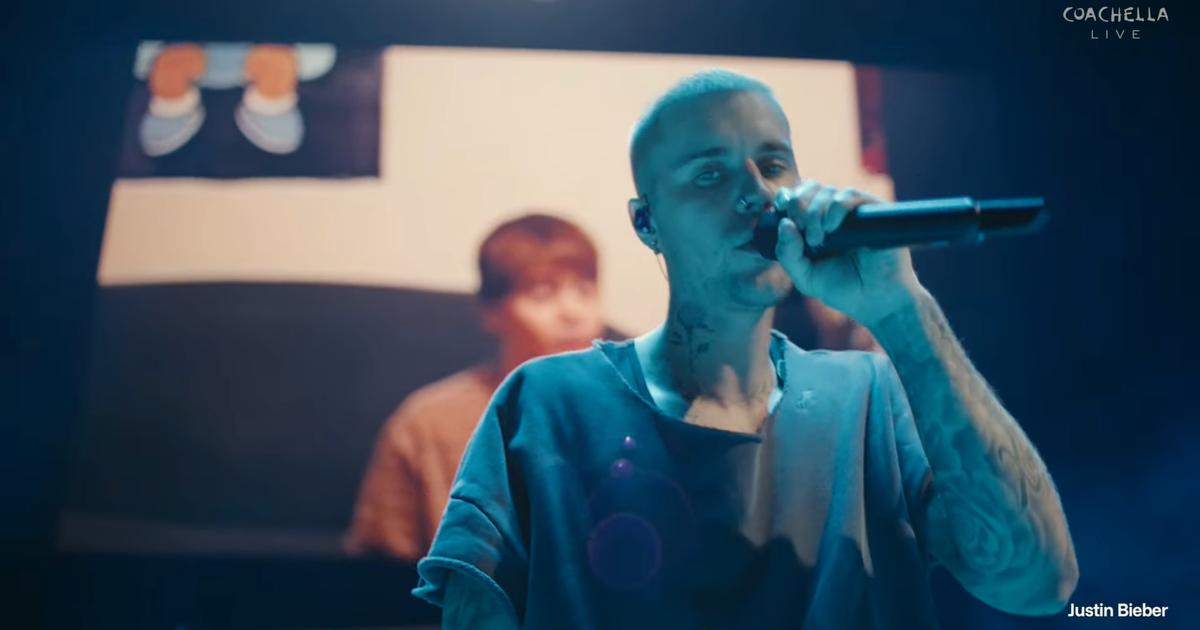
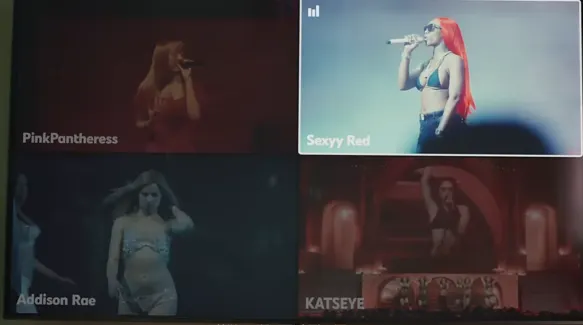
1 week agoCoachella Friday Livestream: Sabrina Carpenter, The xx, KATSEYE & More
Coachella 2026 will feature a diverse lineup of artists, including headliners Sabrina Carpenter and Anyma, who will debut his new show. The xx will perform for the first time in eight years, and Blood Orange will be the first artist to perform completely in the round.
NYC music
Online marketing
fromEntrepreneur
1 week agoMost Restaurants Are Missing Out on the Platform That Brings Customers In - Here's What a Google Strategist Recommends
YouTube serves as a powerful discovery engine for restaurants, enhancing audience reach and customer loyalty through diverse content formats.
fromSlate Magazine
1 week agoLonelygirl15 Was the Most Famous YouTuber in the World. No One Had Any Idea Who She Really Was.
Lonelygirl15 became a cultural phenomenon, drawing viewers into a narrative that blurred the lines between reality and fiction, ultimately reshaping how audiences interact with online content.
Media industry
fromEngadget
1 week agoThree YouTubers accuse Apple of illegal scraping to train its AI models
The creators claimed that Apple's video scraping was used to train its generative AI products, adding that the tech giant's 'massive financial success would not have been possible without the video content created' by the YouTubers.
Intellectual property law

fromFast Company
2 weeks agoYouTube blasted by hundreds of experts over 'AI slop' videos served up to kids
"This 'AI slop' harms children's development by distorting their sense of reality, overwhelming their learning processes and hijacking their attention, thereby extending time online and displacing offline activities necessary for their healthy development."
Education
fromwww.fourfourtwo.com
2 weeks agoKSI succeeds where Ryan Reynolds' Wrexham were left frustrated after Dagenham & Redbridge announcement
KSI's involvement with Dagenham & Redbridge and the live streaming of their match on YouTube represents a significant milestone for the National League, allowing fans worldwide to engage with non-league football.
Liverpool FC
fromwww.theguardian.com
3 weeks agoThe internet has seen me at my best and my worst': meet Jojo, Australia's ASMR superstar
Jonah Singer, a 27-year-old ASMR content creator, utilizes a $100,000 head and torso simulator mic named Alex to produce his videos, which are particularly popular among viewers suffering from insomnia and anxiety.
Music production
[ Load more ]