#artistic-restlessness
#artistic-restlessness
[ follow ]
#art #contemporary-art #creativity #photography #art-history #marcel-duchamp #art-exhibition #exhibition #surrealism
Renovation
fromIrish Independent
20 hours agoSelf-build story: 'It awakened something in me; I probably did it in a past life. But I've finally found a really creative career that I love'
A West Cork bungalow combines Irish and French design elements, focusing on light and texture to create a Mediterranean-inspired family home.
#bauhaus
Photography
fromKALTBLUT Magazine
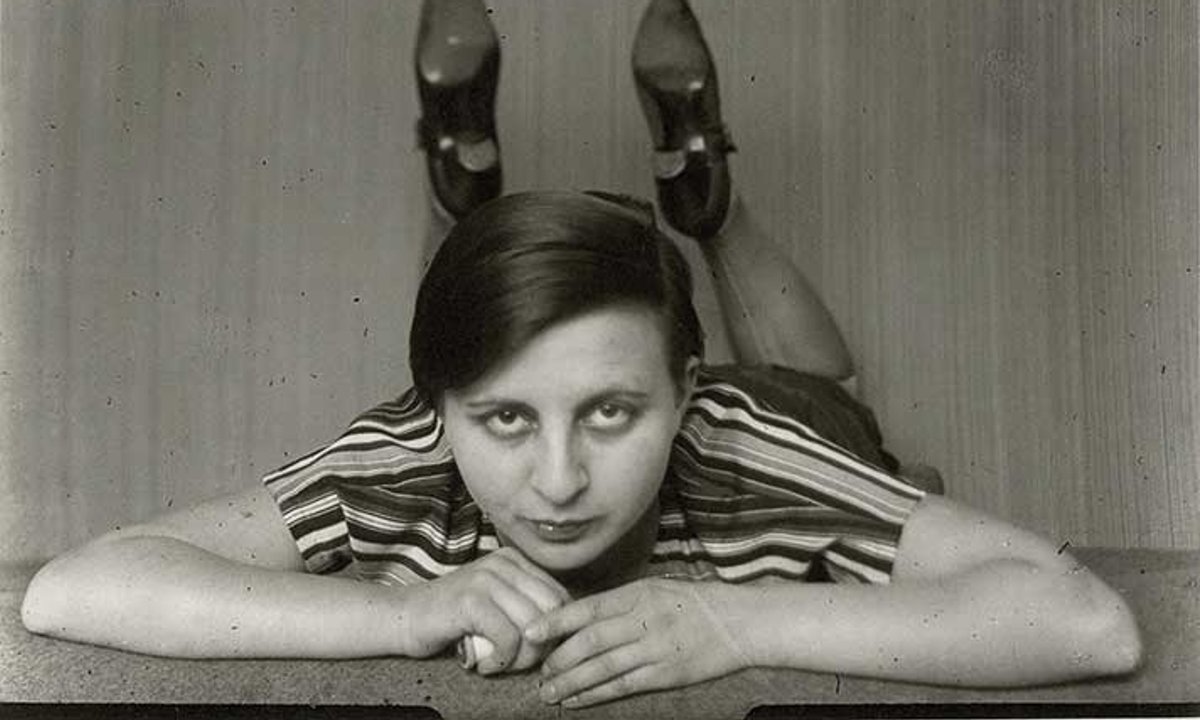
1 day agoNew Woman, New Vision. Women Photographers of the Bauhaus - KALTBLUT Magazine
The exhibition at Bauhaus-Archiv celebrates women photographers' contributions from the Bauhaus movement and contemporary artists, showcasing 300 photographs from 17 April to 4 October 2026.
Photography
fromKALTBLUT Magazine
1 day agoNew Woman, New Vision. Women Photographers of the Bauhaus - KALTBLUT Magazine
The exhibition at Bauhaus-Archiv celebrates women photographers' contributions from the Bauhaus movement and contemporary artists, showcasing 300 photographs from 17 April to 4 October 2026.
#art

Arts
fromIrish Independent
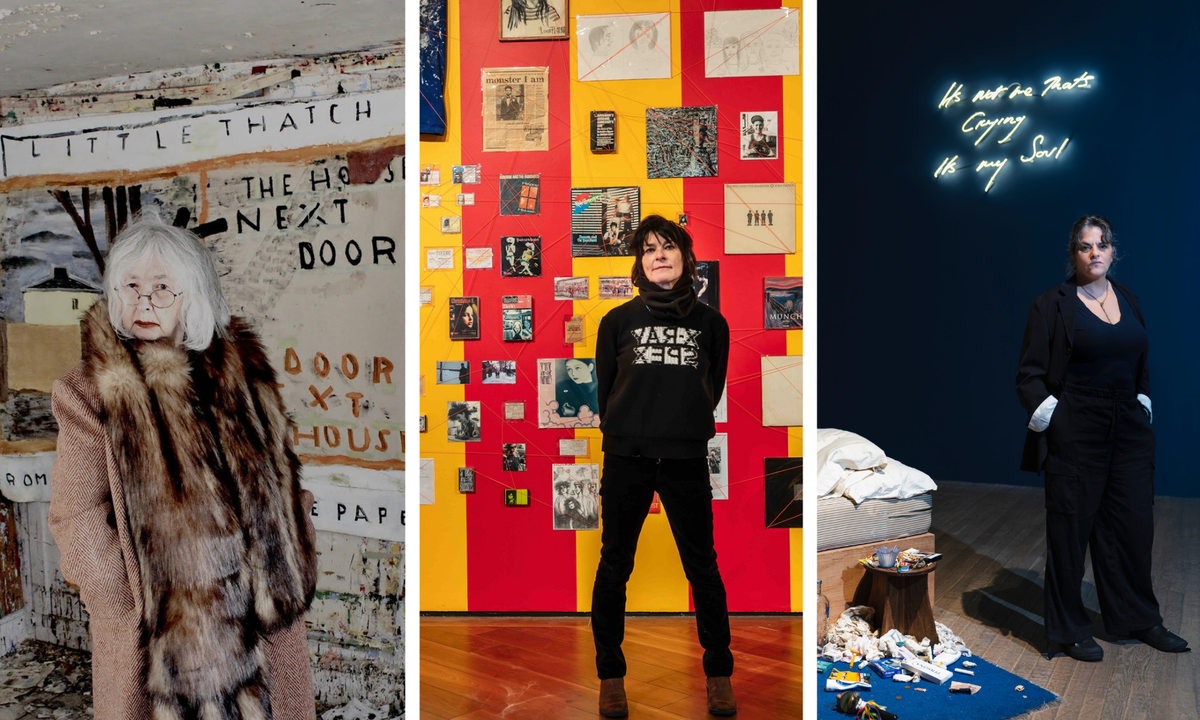
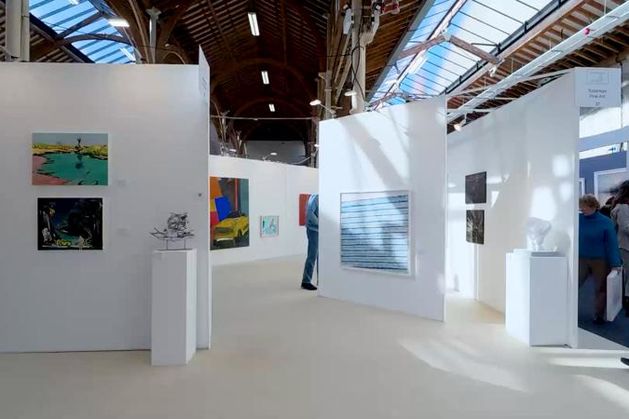
2 weeks ago'You have to step in and experience it' - artists on the rise of AI-generated art and the 'essential' gallery visit
Miriam Fitzgerald Juskova's exhibit combines paper quilling with mathematics, showcasing intricate art that engages viewers and emphasizes the value of handmade creations.
fromdesignboom | architecture & design magazine
4 days agosanctuary of dreams: toguna world's digital temple for collective visioning
The Sanctuary of Dreams operates as a collective framework for imagining futures, developed within the universe of Toguna World to reactivate dreaming as a shared cultural practice rather than an individual act.
SOMA, SF
fromOregon ArtsWatch * Arts & Culture News
3 days agoSpecial series: -Ism Storytellers, mixed race * Oregon ArtsWatch
In 2025, Dmae Lo Roberts embarked on a statewide storytelling experience focusing on personal stories from both artists and community members. These stories are a form of living oral history.
Portland
Berlin
fromwww.theguardian.com
3 days agoA weird dream' of an arts festival began 10 years ago in the California desert can it survive its growing popularity?
The Bombay Beach Biennale is a unique art festival that combines counter-culture, community engagement, and environmental revitalization in a desolate California town.
Design
fromdesignboom | architecture & design magazine
6 days agoadam haar horowitz crafts devices that turn sleep state into space for design and creativity
Dormio transforms sleep into a creative medium by detecting the hypnagogic state and guiding thought processes during the transition from wakefulness to sleep.


fromdesignboom | architecture & design magazine
4 days agocarsten holler on the 'most powerful architect' and collective experience at MIT museum
The dream is the confusion machine I didn't have to build, a space where perception slips beyond authorship. Within Communal Dreams, influence operates as a subtle signal rather than a directive force.
Berlin
Arts
fromThe Art Newspaper - International art news and events
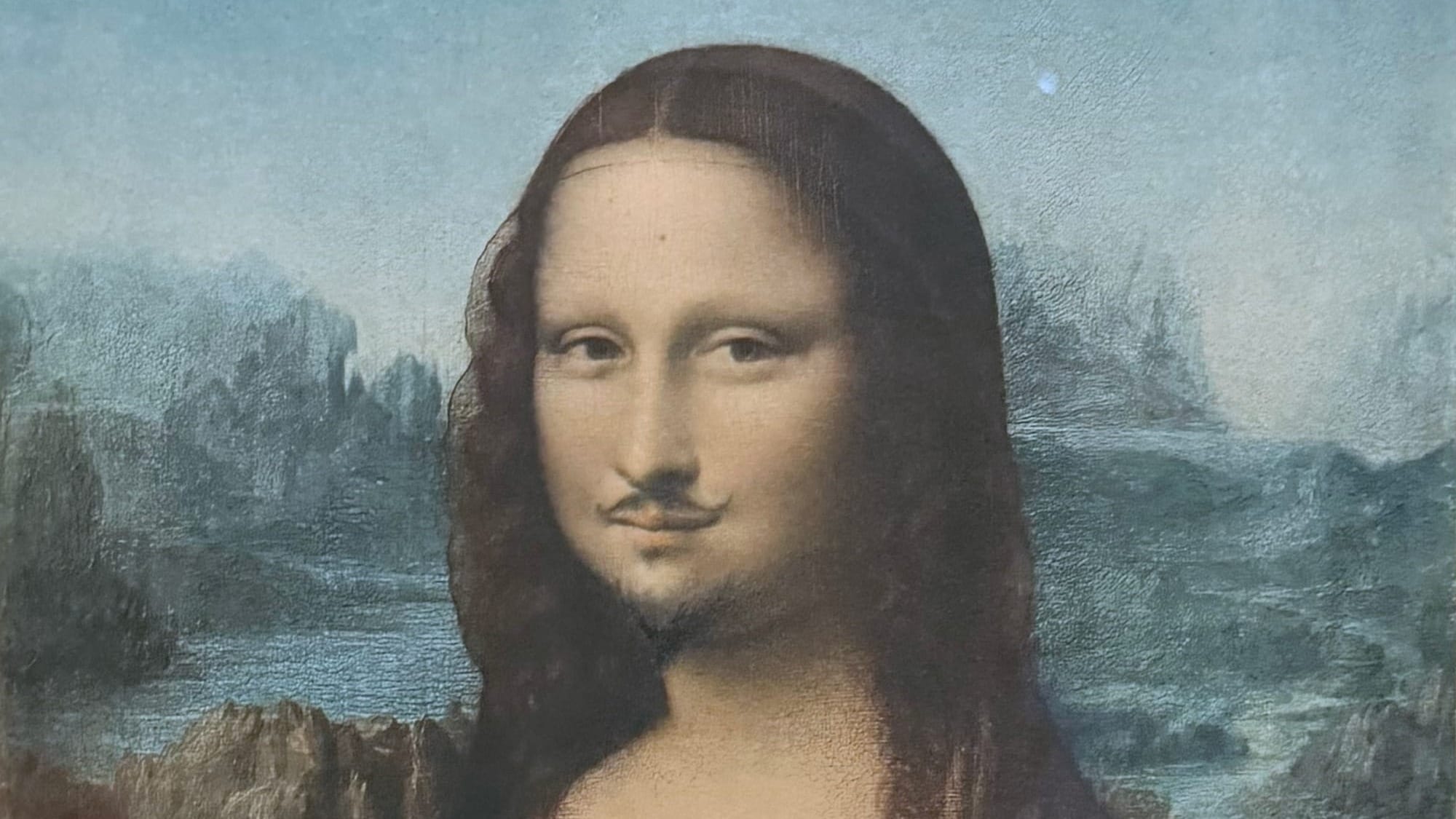
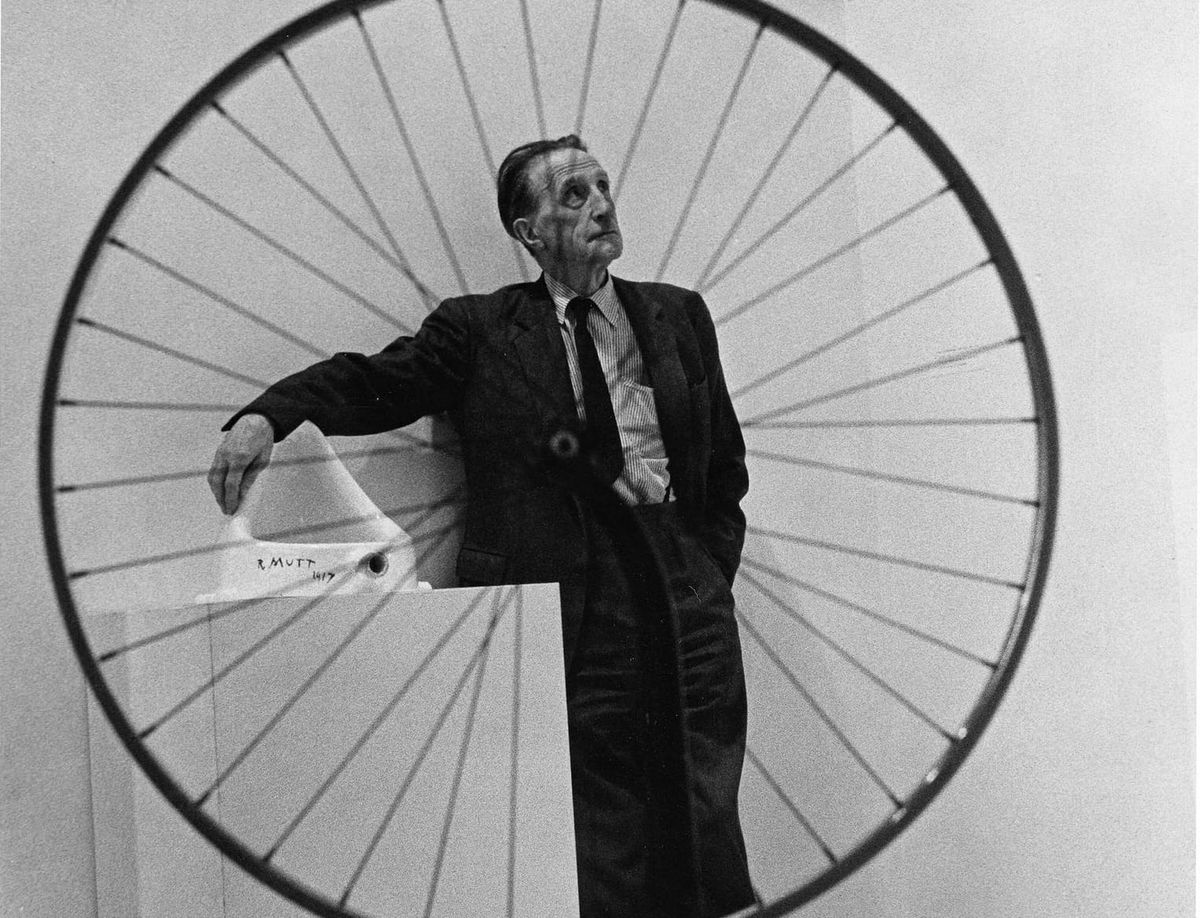
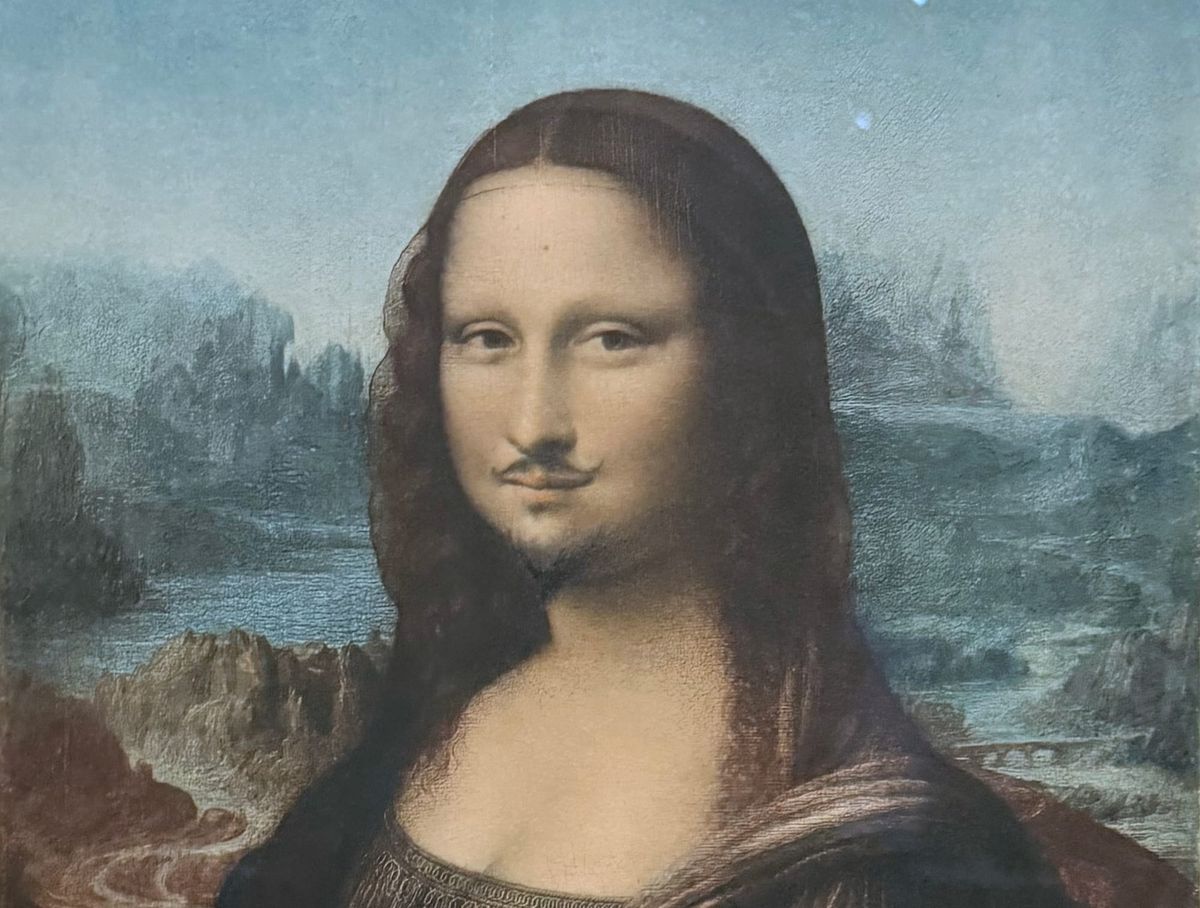
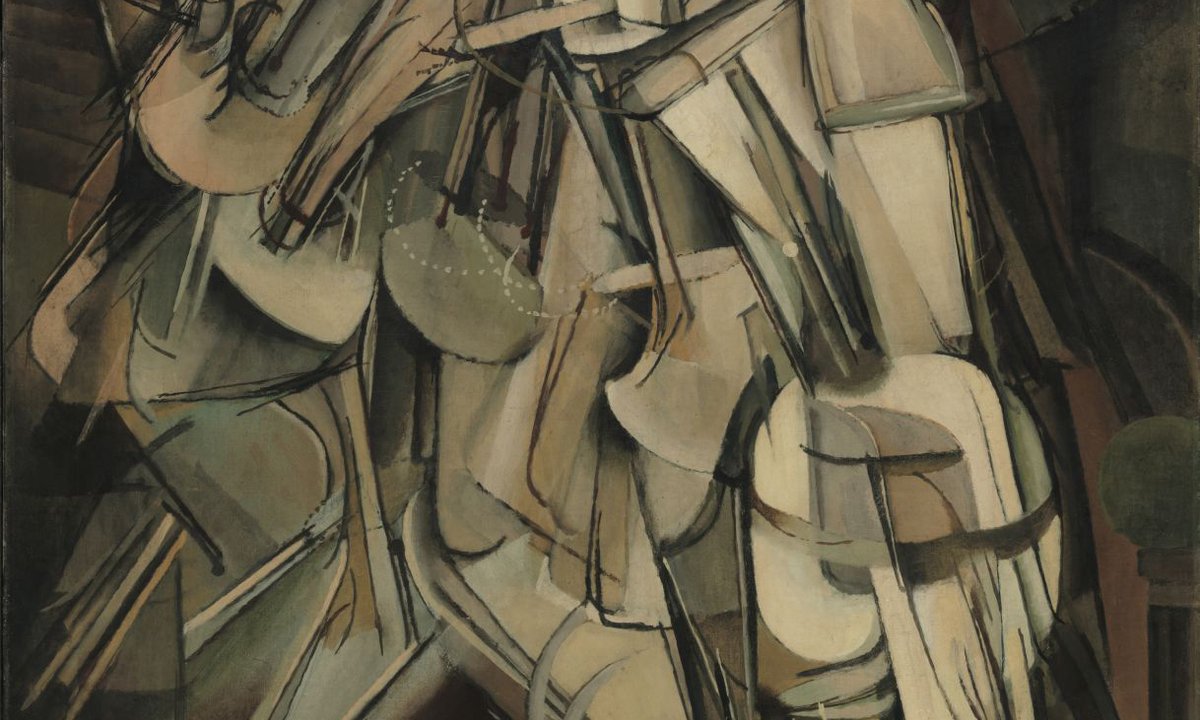
4 days agoMarcel Duchamp at MoMA, Dorothea Tanning book, Leonora Carrington at the Freud Museum, London-podcast
Three artists connected to Surrealism are highlighted, including exhibitions and publications about Marcel Duchamp, Dorothea Tanning, and Leonora Carrington.
Miscellaneous
fromThe Art Newspaper - International art news and events
1 month agoComment | Art is more than its original context
Understanding art's original context enriches appreciation, yet modern viewing conditions and lost contexts require adapting how we engage with artworks across different settings and time periods.
fromThe Art Newspaper - International art news and events
6 days agoPressing issues: the vital role of printmaking in the history of art
Yale came to me and said there isn't an overarching book about the history of printmaking; they wanted it to be about the printed image. There are a lot of books about printing-about the history of journalism or the history of books, the printing press and the printed word-but not so much about the printed image and its processes. So that was my challenge.
Arts

fromwww.scientificamerican.com
1 month agoHow a poet uses AI to write and why her work is now at MoMA
Poetry and artificial intelligence can appear as oppositesone deeply human; the other cold and mechanical. Sasha Stiles sees them as expressions of the same impulse. Poetry, the Kalmyk- American poet argues, is one of our most ancient and enduring technologies, a system of meter and rhyme invented to store vital information. She views AI as its natural heir. Stiles's path to AI began with literature, not code.
Artificial intelligence
fromHyperallergic
1 month agoEmbracing Friction in the Art World
On Franklin Street in Brooklyn's Greenpoint neighborhood, one non-commercial gallery fosters 'a small, stubbornly human space for friction.' Friction—the ubiquitous buzzword that captures the simultaneous delight and discomfort of doing things the slow way—is at the heart of artists Pap Souleye Fall and Char Jeré's current show at Subtitled NYC. It also reflects the overall spirit of this little exhibition space and of a burgeoning movement to reject our culture of optimization in favor of a bumpier, more intimate, less alienating experience.
Arts
Arts
fromwww.theguardian.com
1 month agoWith the advance of AI, I feel my work as an artist is no longer respected. Should I just give up? | Leading questions
Reconnect with the intrinsic motivation that drew you to art initially, separate from external measures of success, money, or cultural validation.
Arts
fromSilicon Canals
2 months ago8 signs you appreciate art, music, and culture on a deeper level than most people - Silicon Canals
Some people experience art deeply, reacting emotionally and perceiving subtle artistic cues that reveal heightened sensitivity and meaningful connections to creative expression.
Arts
fromThe Art Newspaper - International art news and events
2 months agoComment | Art and science rely on freedom of thought-and on each other
Art and science are complementary, interconnected ways of understanding the world that inspire each other and require mutual support, especially amid funding cuts.
Arts
fromEast Bay Express | Oakland, Berkeley & Alameda
2 months agoArt / Tech: Postmodern Cultural Incubator critiques technology with art
A six-to-eight-month Cultural Incubator fosters anti-disciplinary collaboration, merging art and technology to critique current tech deployment and broaden who benefits from technological innovation.
Arts
fromdesignyoutrust.com
2 months agoArtist Paints Smoky Lounges And Quiet Strangers, Letting Halffinished Details Turn Viewers Into Coauthors Of The Scene
A wide-ranging visual roundup showcases creative reinterpretations, vintage design, activist art, photography, illustration, and humorous cultural works spanning contemporary and historical styles.
[ Load more ]