#carbo-loading
#carbo-loading
[ follow ]
#nutrition #running #fitness #injury-prevention #protein-intake #healthy-eating #meal-planning #creatine
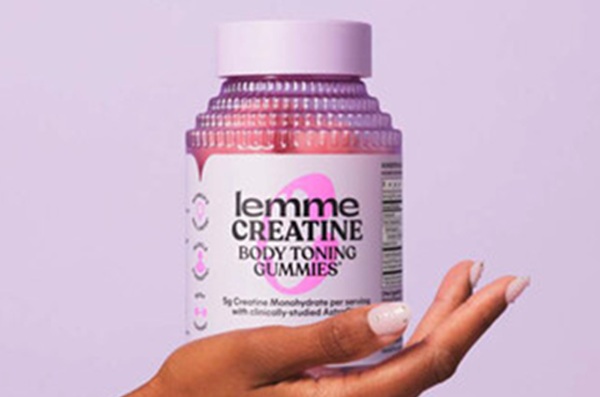

fromAlternative Medicine Magazine
1 week agoWhat You Do After Training Matters More Than You Think
After a tough workout, your body enters a state of stress: muscle fibers are damaged, energy stores are depleted, and hydration levels drop. This is a critical moment. If your body gets the right nutrients, it starts rebuilding immediately. If not, recovery slows down, and so does progress.
Alternative medicine




fromSnowBrains
1 month agoIt's Time to Stop Debating & Start Putting the Bar Down - SnowBrains
I have evolved from someone who didn't think much of the bar except for resting my legs to thinking of it as an obvious life-saving precaution. Dr. Bourne shared several examples from Mammoth in which the bar could have saved lives, including the death of her former ski coach, who fell from a chairlift to his death, most likely from a medical event which may have been treatable.
Snowboarding
fromBoston Herald
1 month agoIf you're struggling to lose weight, could chilling your carbs help?
Most of the carbohydrates in these foods - as well as most of the calories - come from starch, of which there are two types: hard-to-digest amylose and easily digested amylopectin. The latter is processed quickly and spikes blood sugar. The former is processed slowly and moderates blood sugar.
Health
Snowboarding
fromUnofficial Networks
1 month ago6 Dryland Bodyweight Exercises That Will Improve Your Skiing Experience
Fundamental exercises targeting single-leg stability, lateral movement, and ski-specific muscle activation provide greater training benefits than complex advanced movements for skiers of all levels.
fromBusiness Insider
1 month agoA longevity and sports medicine doctor who completed 15 Ironmans shares his workout routine. It includes a run-commute.
It's the most ubiquitous, effective, totally no-side-effects drug in the world. Exercise is also something Metzl feels is sometimes overlooked in the longevity space, in favor of fancier products. A lot of this stuff we talk about with longevity is not validated, like full-body MRIs and these supplement stacks.
Health
Running
fromiRunFar
1 month agoMany Small Leaps for Runnerkind: Wondering About Non-Linear Improvement in Running
Runners experience breakthrough moments where performance suddenly improves, often after returning to regular training or during consistent improvement phases, driven by accumulated physiological adaptations.
fromThe Atlantic
2 months agoYour Muscles Remember Your Strongest Moments-And Your Weakest
In 2018, Sharples and his research lab, now at the Norwegian School of Sport Sciences in Oslo, were the first to show that exercise could change how our muscle-building genes work over the long term. The genes themselves don't change, but repeated periods of exertion turns certain genes on, spurring cells to build muscle mass more quickly than before. These epigenetic changes have a lasting effect: Your muscles remember these periods of strength and respond favorably in the future.
Science
fromiRunFar
1 month agoAI-Powered Optimization: New Frontiers in Peak Running Performance
Super shoes and ultralight gear make a difference, but with new advancements in artificial intelligence (AI) that can look at our running form and compare it to the ideal, analyze our nutrition intake from a simple photo and help us plan our diets, and offer guidance on training and recovery, the interwovenness of technology and running is only set to increase.
Running

fromwww.bbc.com
2 months agoWhy doing a mix of exercise could be the key to longer life
Don't put all your eggs in one basket when it comes to exercise - doing a variety of different physical activities every week is the key to boosting your health and living longer, a study suggests. After tracking the weekly exercise habits of 110,000 men and women in the US for 30 years, researchers found active people who did the greatest variety of exercise were 19% less likely to die during that time than those who focused on one activity. That effect was greater than for individual sports like walking, tennis, rowing and jogging. The total amount of exercise you do is still key, experts say, but doing a range of activities you enjoy can bring lots of benefits.
Public health

fromPsychology Today
2 months agoFour Strategies That Improve Pain and Athletic Performance
You feel an unpleasant sensation - like a sinking feeling of anxiety in your stomach as the game begins, and you think, "I'm anxious. Here we go again. I'm about to blow it." You feel your pain increasing, and the thoughts churn: "Great. I'll probably miss a whole week of work." Imagined catastrophes fill your mind. Manage these thoughts with the 3 C's: Catch it, Check it, and Change it.
Mindfulness

fromStrength Running
1 month agoCross Training and Running: How to Add Other Sports to Your Training - Strength Running
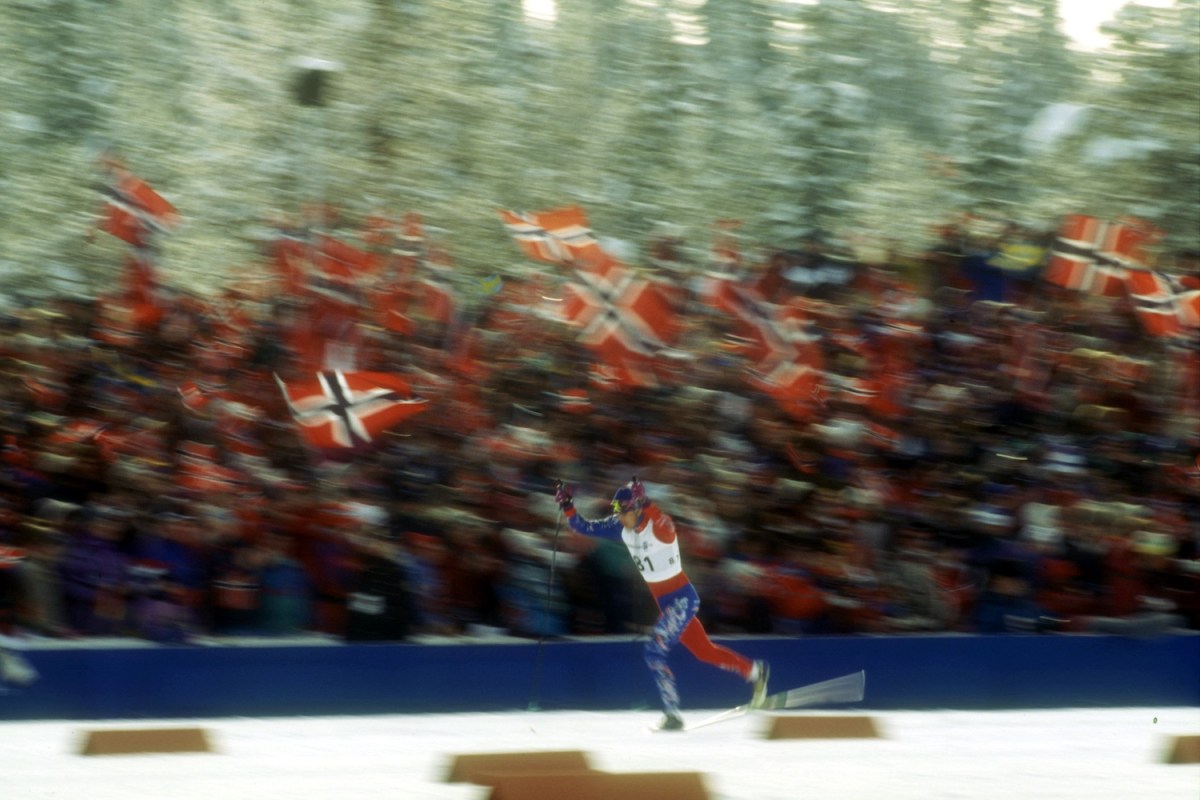
Cross training and running go together like peanut butter and jelly. If you build it into your schedule intentionally, strategically, and with a clear understanding of what you're trying to accomplish, you'll thrive. Megan makes the case that cross-training serves runners for several distinct reasons, and the right reason for you will shape how you approach it.
Running
Education
fromScience of Running
1 month agoTraining the Brain and Body: A discussion on the dynamics of physiology and neurology.
Effective coaching balances physiological and neurological understanding, values being 'good enough', emphasizes flexibility over rigid optimization, and tailors approaches to diverse athlete types.
fromNature
2 months agoExercise rewires the brain - boosting the body's endurance
Betley and his colleagues were curious about what happens in the brain as people get stronger through exercise. They decided to focus on the ventromedial hypothalamus, a brain region that regulates appetite and blood sugar. The team then zeroed in on a group of neurons in that region that produce a protein called steroidogenic factor 1 (SF1), which is known to play a part in regulating metabolism. A previous study found that the deletion of the gene that codes for SF1 impairs endurance in mice.
Science
Wellness
fromBusiness Insider
1 month agoA weight loss doctor, who specializes in helping high performers, shares her favorite hack to eat healthy without tracking every bite
Fill half the plate with fruits and non-starchy vegetables to simplify healthy eating, increase produce intake, and reduce obsessive calorie or macronutrient tracking.
Wellness
fromBusiness Insider
2 months agoA doctor who studies metabolism said new research convinced him to make 3 changes to his routine
Gradual dietary and lifestyle changes—more diverse whole foods and fermented foods, strength training, better sleep, and reduced stress—support metabolic health and fat loss.
Health
fromSilicon Canals
2 months agoDietitians explain why eating the same breakfast daily might be sabotaging your metabolism - Silicon Canals
Eating the same breakfast daily can reduce metabolic efficiency, cause nutrient gaps, increase early hunger and weight plateaus; adding variety supports metabolism and sustained energy.
fromScience of Running
2 months agoFit and Fast: Achieving Robustness in Training
In this episode of the On Coaching Podcast, Steve Magness and Jon Marcus discuss the concept of 'fit but flat,' exploring the phenomenon where athletes excel in metabolic fitness but fail to perform competitively due to a lack of neuromuscular coordination. Using examples like middle-distance runner Ingram Brion, the hosts delve into how metabolic training alone can lead to race failures.
Running
fromInsideHook
2 months agoWhat's the Point of Chasing a Plank PR?
It's just what it looks like: I time my planks then file them away, determined to last a little longer tomorrow. And sometimes I do, for several days in a row, then one day I'll collapse nearly a minute short of my personal best. I'll pound the mat like Charlton Heston at the end of Planet of the Apes, then I'll get myself together - you've got to stay cool at Equinox - and move on with my day.
Exercise
[ Load more ]