Psychology
fromwww.theguardian.com
10 hours agoHow to train your brain to see possibility instead of doom
Humility and the ability to tolerate uncertainty are essential cognitive skills in a world filled with unpredictability.
Flashbulb memories are memories that are affected by our emotional state. Your brain takes a snapshot when the ground shifts under your feet, and that snapshot includes everything—the smell of coffee going cold in your cup holder, the static on the radio, the way your hands suddenly felt too heavy.
Compared with people who reported drinking no coffee, those reporting 3-4 cups per day had longer telomeres, while those reporting 5 or more cups per day did not show the same association.
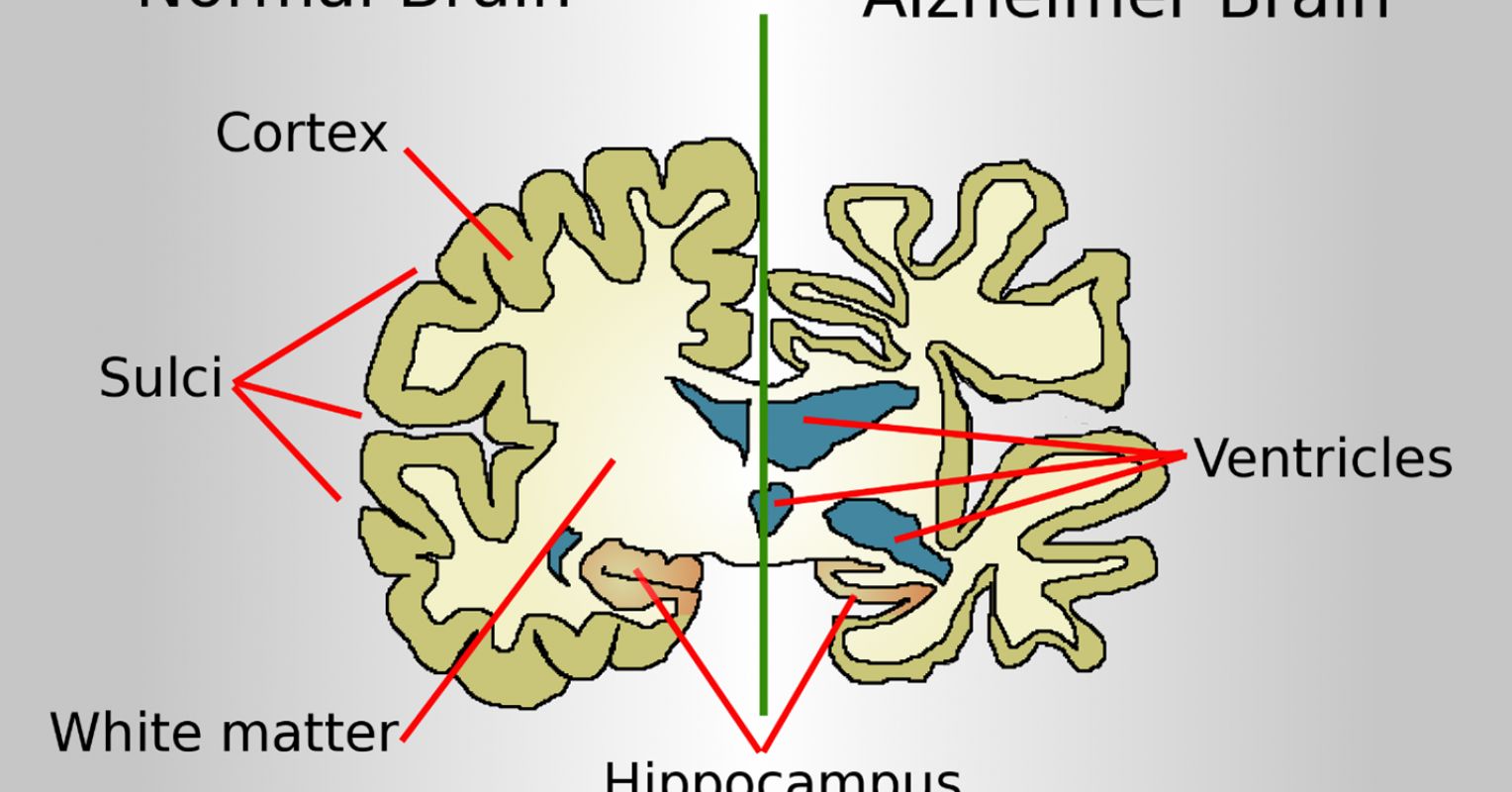
If you're going to prioritize one thing for your brain health, make it this: regular aerobic exercise. Multiple large-scale studies show that aerobic exercise doesn't just keep your heart healthy-it directly impacts your brain structure. One year of aerobic exercise in older adults led to significantly larger hippocampal volumes and better spatial memory. Other trials documented that exercise actually slows age-related gray matter volume loss.
It might come as a surprise to learn that the brain responds to training in much the same way as our muscles, even though most of us never think about it that way. Clear thinking, focus, creativity, and good judgment are built through challenge, when the brain is asked to stretch beyond routine rather than run on autopilot. That slight mental discomfort is often the sign that the brain is actually being trained, a lot like that good workout burn in your muscles.
Most people will forget a name, misplace their phone, or lose track of a conversation at some point. Usually, those moments pass without much thought. But for many adults, especially as they age, small lapses can trigger a much deeper fear: Is this the beginning of cognitive decline? As a neurologist, I hear this concern often. And as a researcher, I have learned something important: Worry about cognition and cognitive disease are not the same thing.