#cosmic-exploration
#cosmic-exploration
[ follow ]
#nasa #space-exploration #astronomy #artemis-ii #exoplanets #planet-formation #james-webb-space-telescope
#artemis-ii

Science
fromwww.mediaite.com
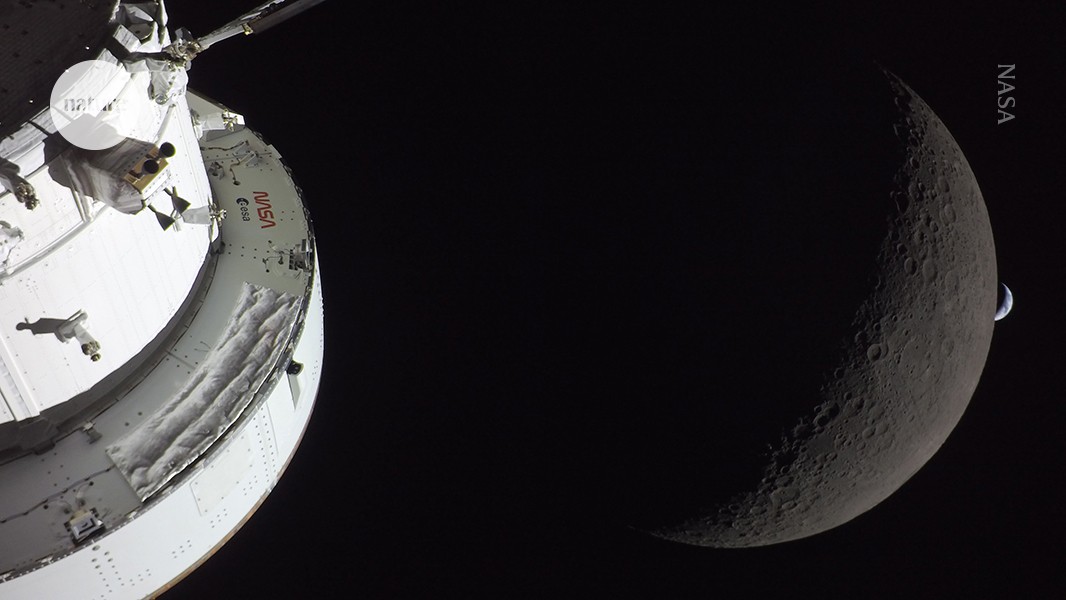
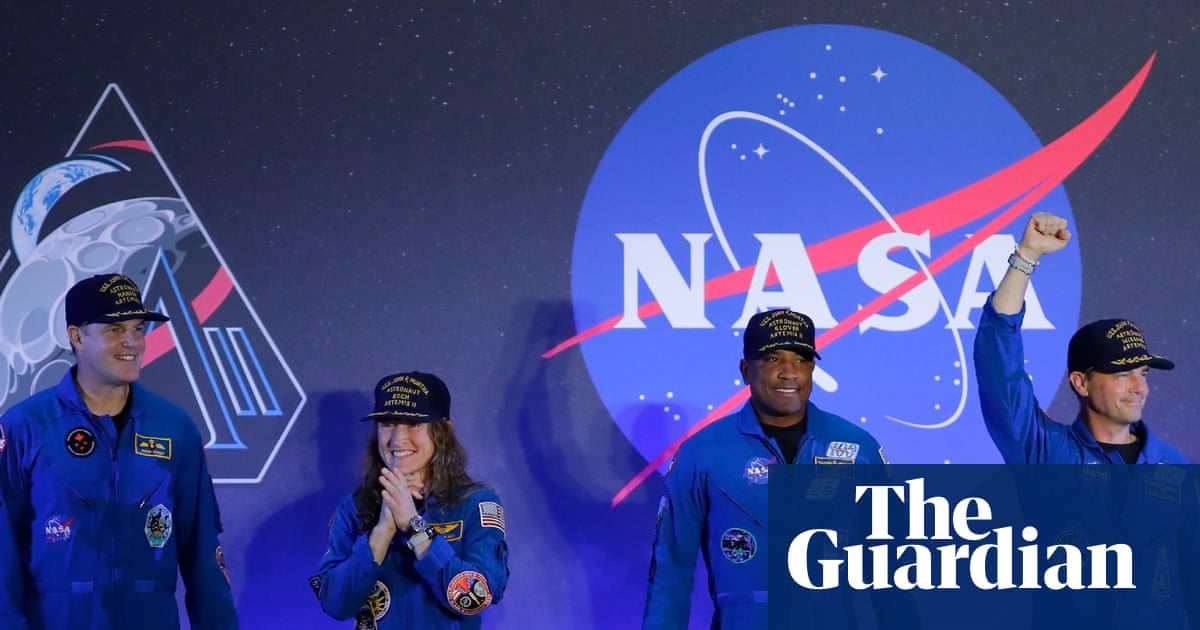
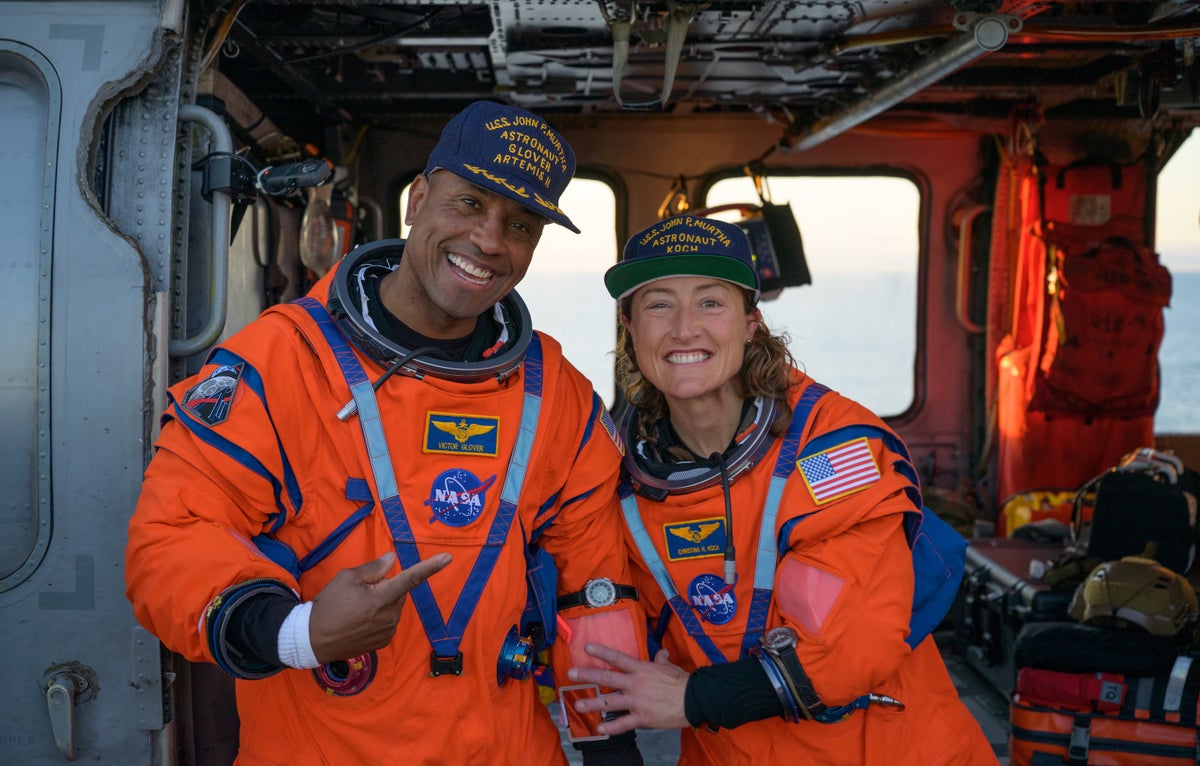
4 days agoJust This Lifeboat Hanging On': Artemis II Astronauts Speak Of The Humanitarian Lessons Learned in Space
The Artemis II astronauts expressed overwhelming emotions and gratitude after their historic mission around the moon, emphasizing the human experience and connection to Earth.
Science
fromwww.mediaite.com
4 days agoJust This Lifeboat Hanging On': Artemis II Astronauts Speak Of The Humanitarian Lessons Learned in Space
The Artemis II astronauts expressed overwhelming emotions and gratitude after their historic mission around the moon, emphasizing the human experience and connection to Earth.






Science
fromwww.scientificamerican.com
4 weeks agoSomething extremely weird is happening to our galactic neighbor. Scientists think they know why
The Small Magellanic Cloud's unusually slow stellar rotation results from a hundred-million-year-old collision with the Large Magellanic Cloud that disrupted its normal dynamical state.
Science
fromwww.scientificamerican.com
1 month agoHave astronomers found a runaway monster black hole or just a very weird galaxy?
Astronomers discovered RBH-1, a potentially runaway supermassive black hole traveling at over three million kilometers per hour, though ambiguous data makes its true nature uncertain.
Science
fromwww.scientificamerican.com
1 month agoThe universe's brightest supernovae are turbocharged by newborn magnetars
Superluminous supernovae are powered by newly formed magnetars—highly magnetized, rapidly spinning neutron stars that emit intense radiation, marking the first direct observation of a magnetar's birth.
OMG science
fromwww.scientificamerican.com
1 month agoBlast off! Martian microbes might travel between worlds on asteroid-impact debris
Deinococcus radiodurans, an extremophile bacterium, can survive extreme pressures from asteroid impacts on Mars, suggesting potential for microbial life dispersal across the solar system.
fromFuturism
1 month agoAstronomers Spot Huge Microwave Laser Blasting Into Space
This system is truly extraordinary. We're seeing the radio equivalent of a laser halfway across the universe. Fundamentally, masers and lasers are focused beams of light in the same frequency. In the realm of astrophysics, these can arise from clouds of dust being excited into a higher energy state from the light emitted by other sources, like stars and black holes.
OMG science

fromBig Think
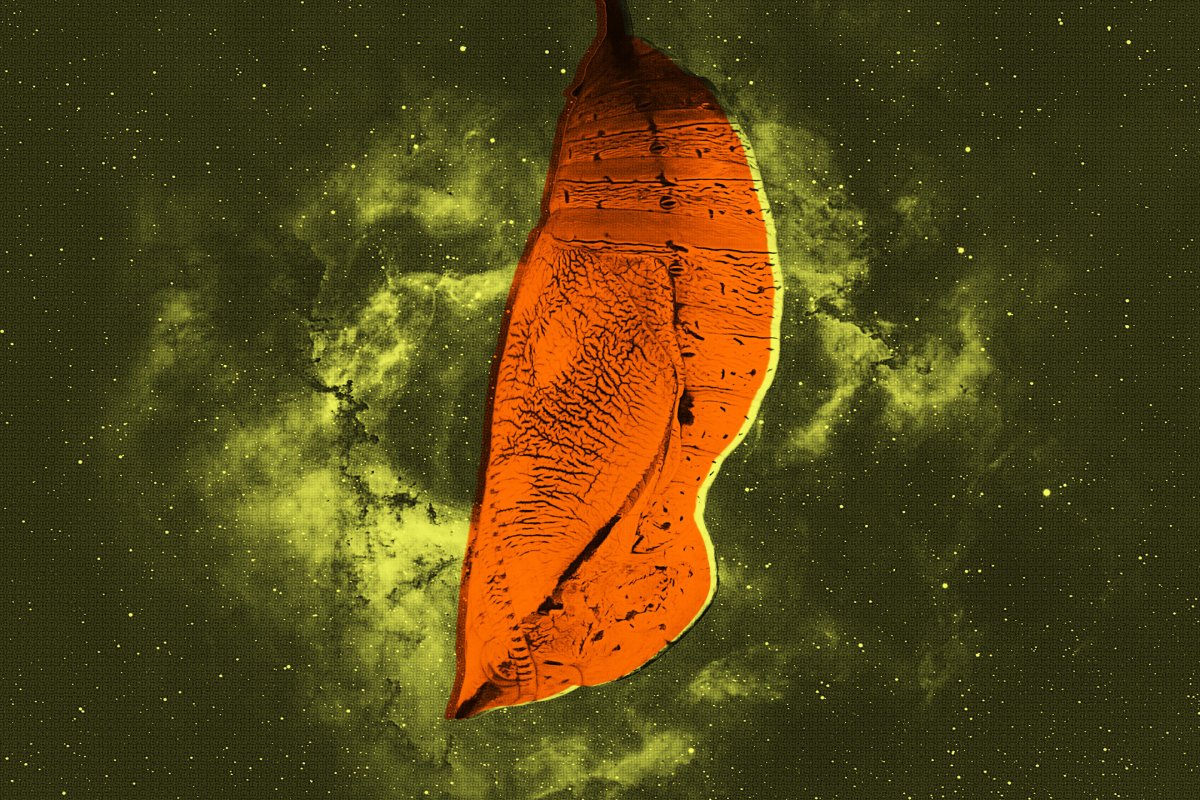
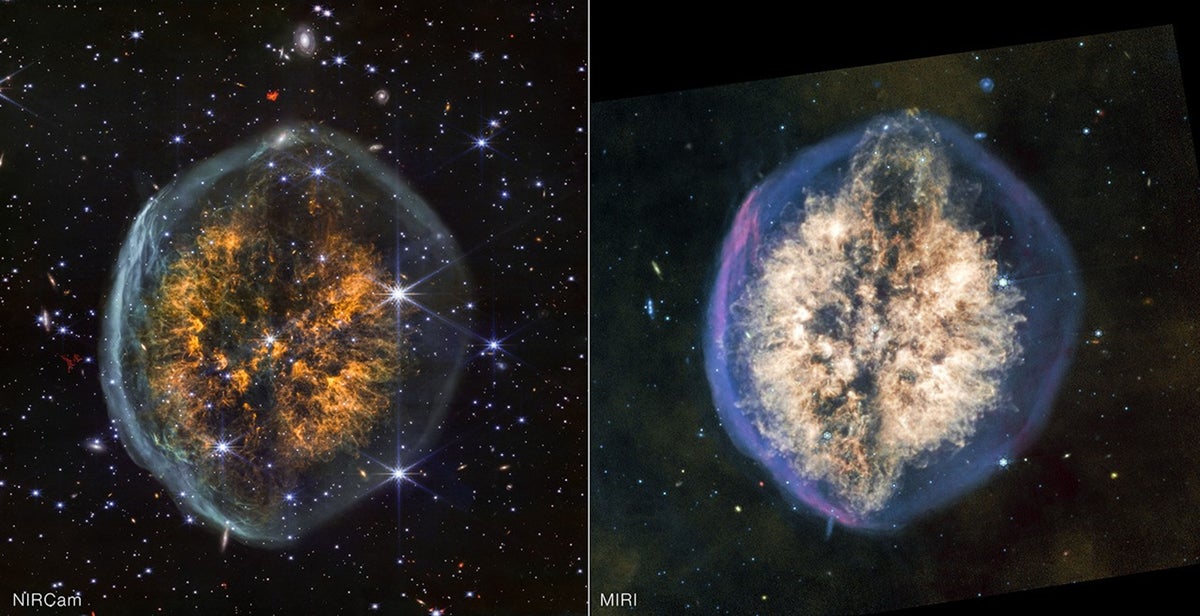
2 months agoWhat the Universe looks like: from nearby to far away
Looking skyward fills us with wonder. Off-world, the Sun, planets, stars, and galaxies all await. Our Solar System encompasses our own cosmic backyard. Farther away, stars and star clusters abound within the Milky Way. Hundreds of billions of stars exist just within our home galaxy. Inside our Local Group, only Andromeda surpasses us in mass, size, and stars. More than 5 million light-years away, galaxies abound in groups and clusters.
Science
fromwww.scientificamerican.com
2 months agoThe biggest explosions in the universe, ranked
The universe is exploding. Or parts of it are. The night sky may seem calm, even serene, but that masks events of a catastrophic and nearly unimaginable scale. Across the galaxy and even the cosmos itself, immense outbursts of energy occur that could easily vaporize our planet. Happily, space is vast, and the terrible distance between these events and us diminishes what we see to a faint glowusually.
OMG science
fromMail Online
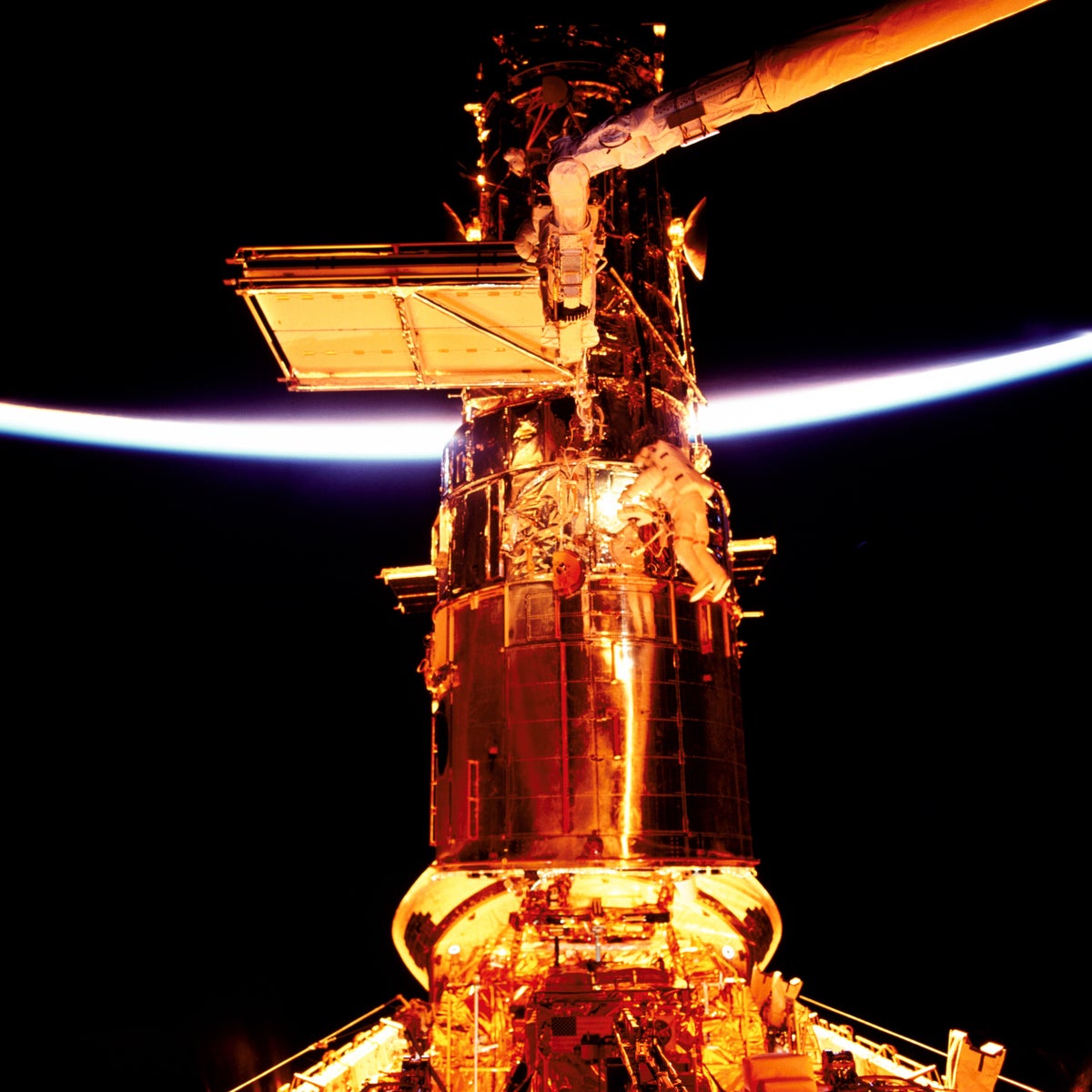
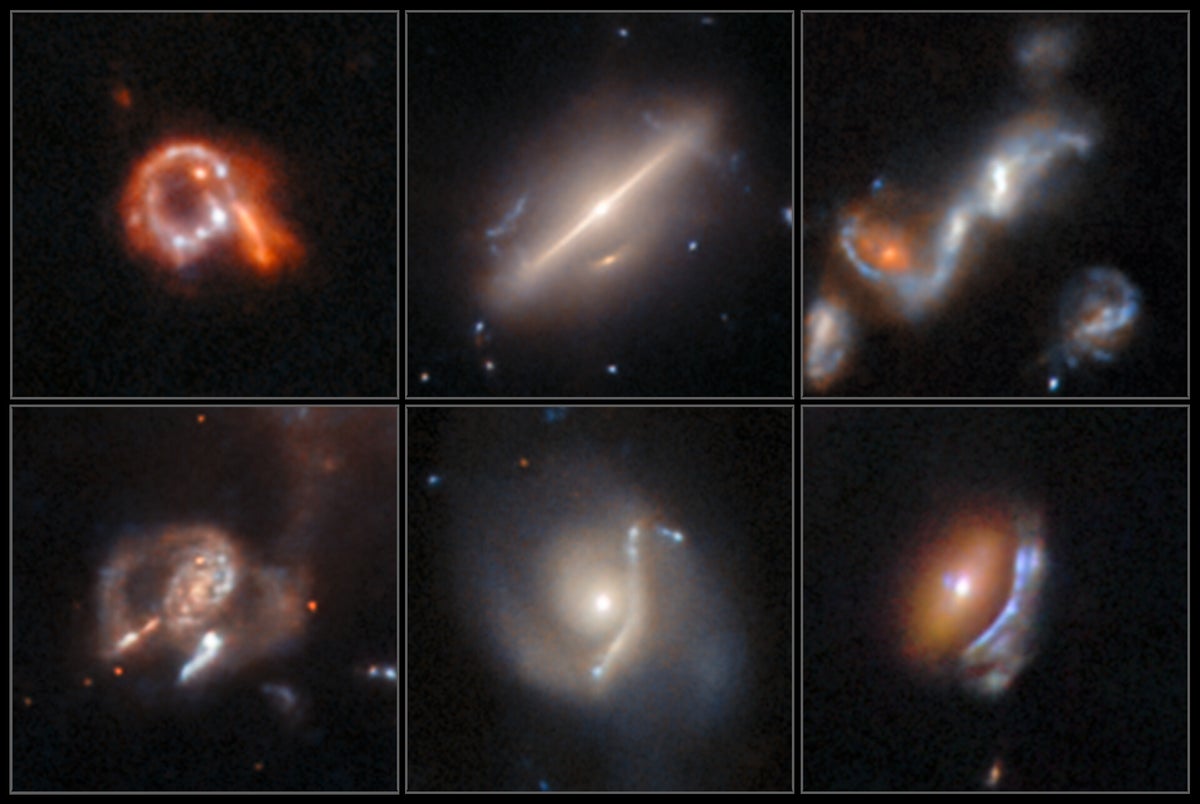
1 month agoSee the Milky Way like NEVER before in largest image of its kind
One of the most exciting aspects is the rich chemistry we detect. We see dozens of different molecules, including some complex organic molecules that contain carbon, the same element that forms the basis of life on Earth. From ACES, we are learning more about how the ingredients for planets, and potentially life itself, can arise in the universe.
Science
fromwww.npr.org
2 months agoHave astronomers witnessed the birth of a black hole?
A bright star in a nearby galaxy has essentially vanished. Astronomers believe that it died and collapsed in on itself, transforming into the eerie cosmic phenomenon known as a black hole. "It used to be one of the brightest stars in the Andromeda galaxy," says Kishalay De, an astronomer with Columbia University and the Flatiron Institute. "Today, it is nowhere to be seen, even with the most sensitive telescopes."
Science
Science
fromwww.theguardian.com
1 month agoNew image reveals secrets of Milky Way galaxy in stunning detail
The Alma telescope captured an unprecedented detailed image of the Milky Way's center, revealing previously unknown filaments of matter flowing to form stars and planets, advancing understanding of galactic formation.
[ Load more ]