#courtyard-house-tradition
#courtyard-house-tradition
[ follow ]
#architecture #design #landscape-integration #residential-architecture #materiality #interior-design
Photography
fromArchDaily
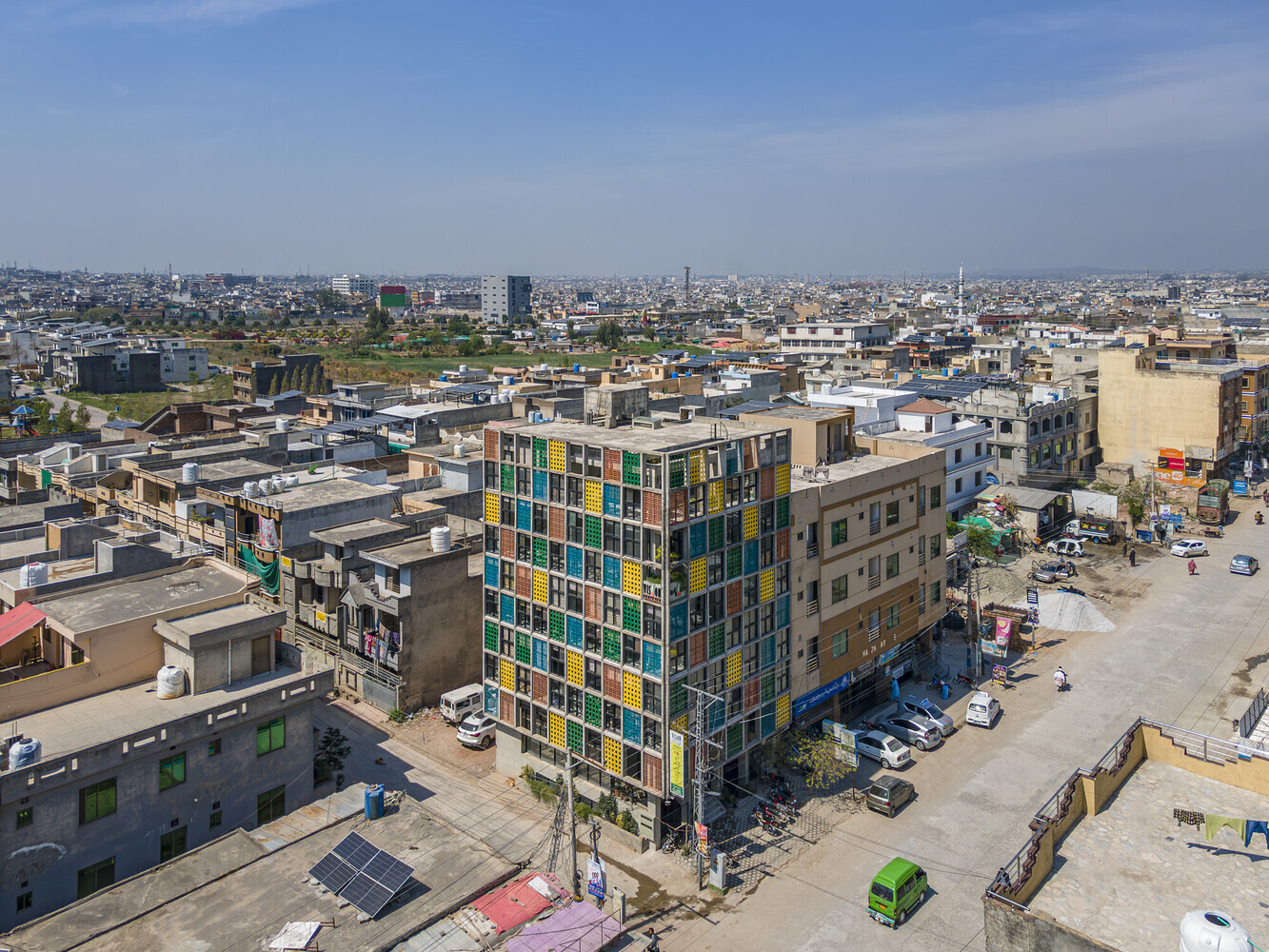
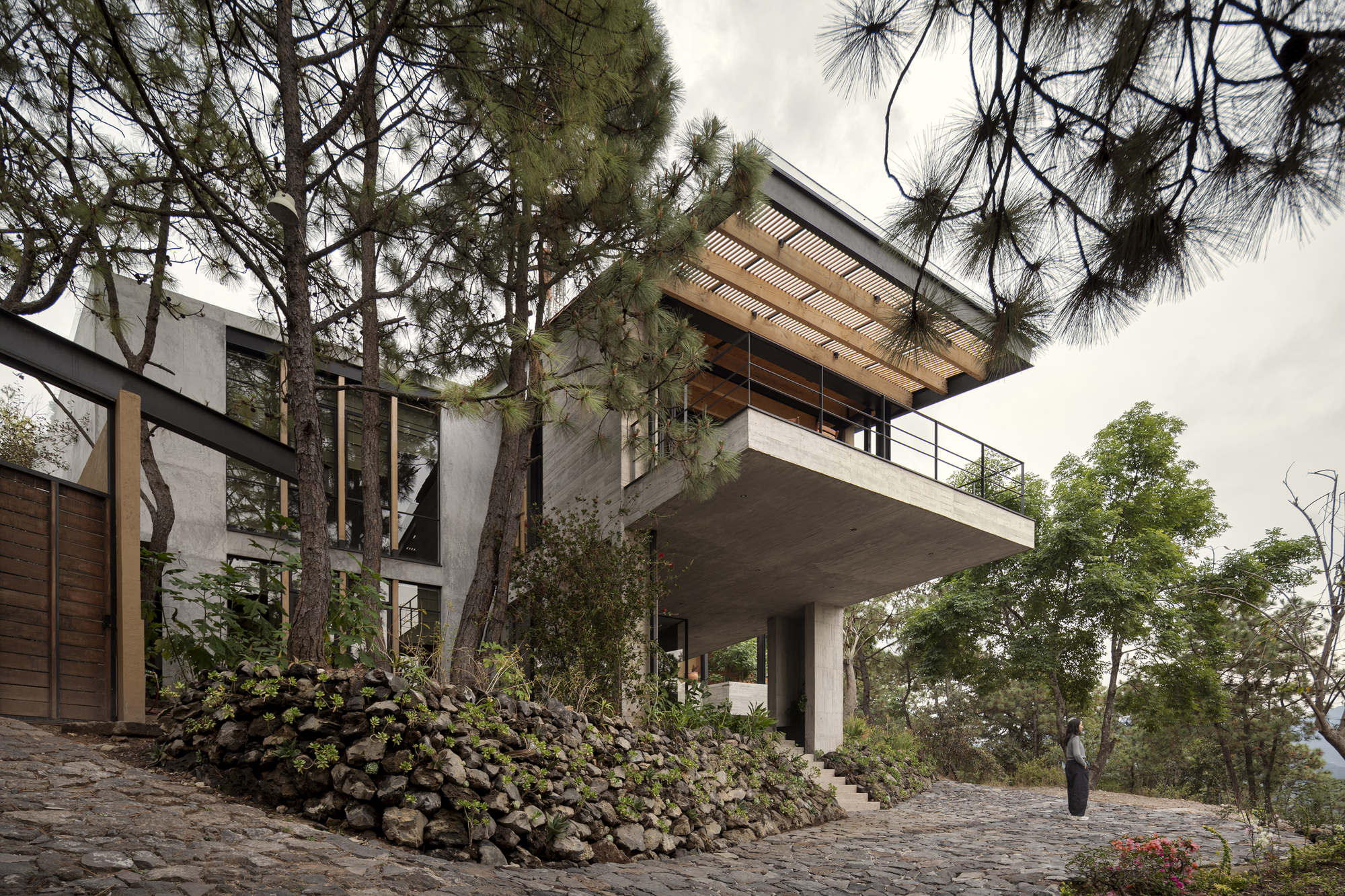
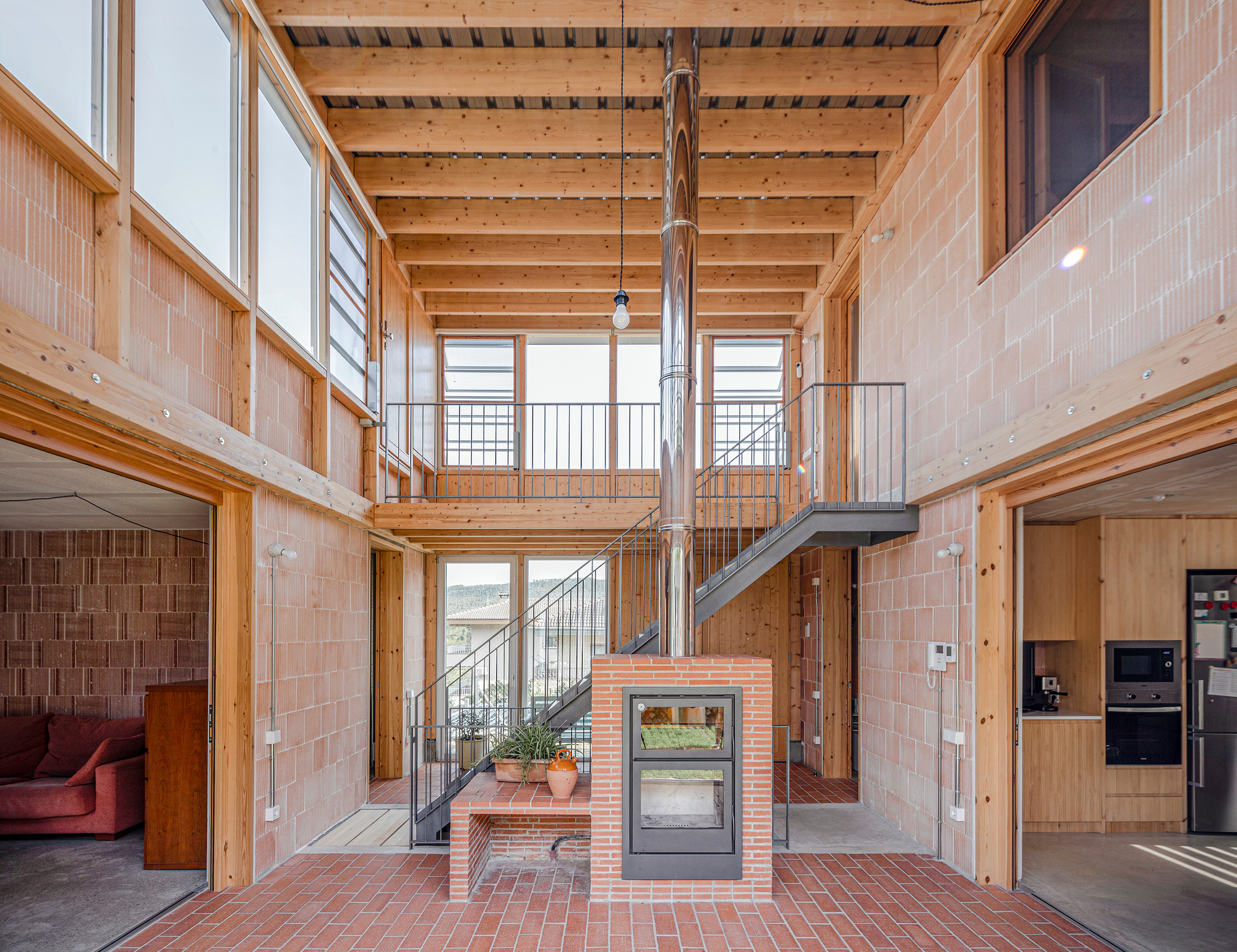
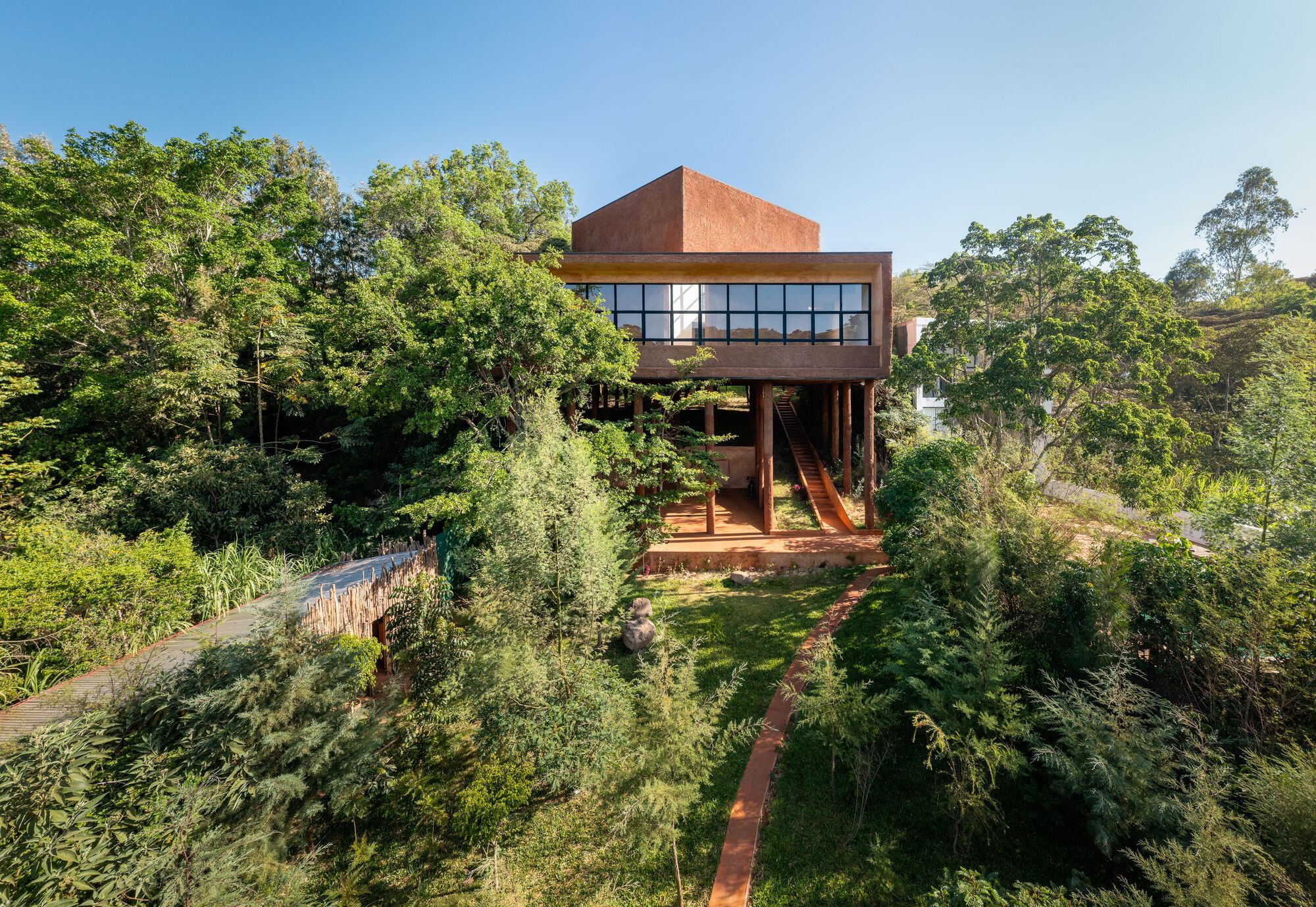
15 hours ago40+ Contemporary Architectural Works Across Ecuador Captured by Francesco Russo and Luca Piffaretti
Photographers document Ecuador's architecture and landscapes, highlighting the country's evolving identity and the interplay between built environments and natural surroundings.
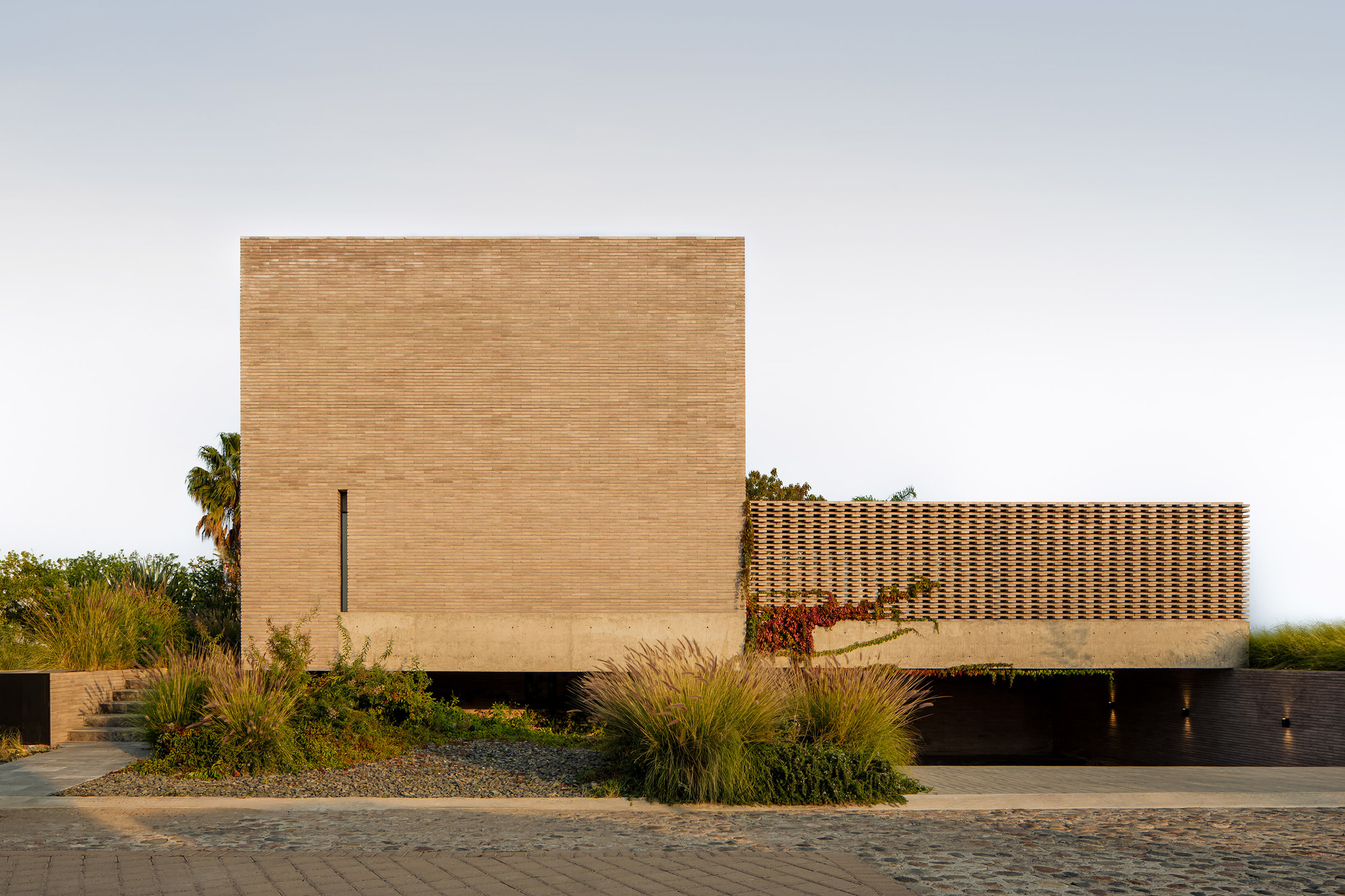
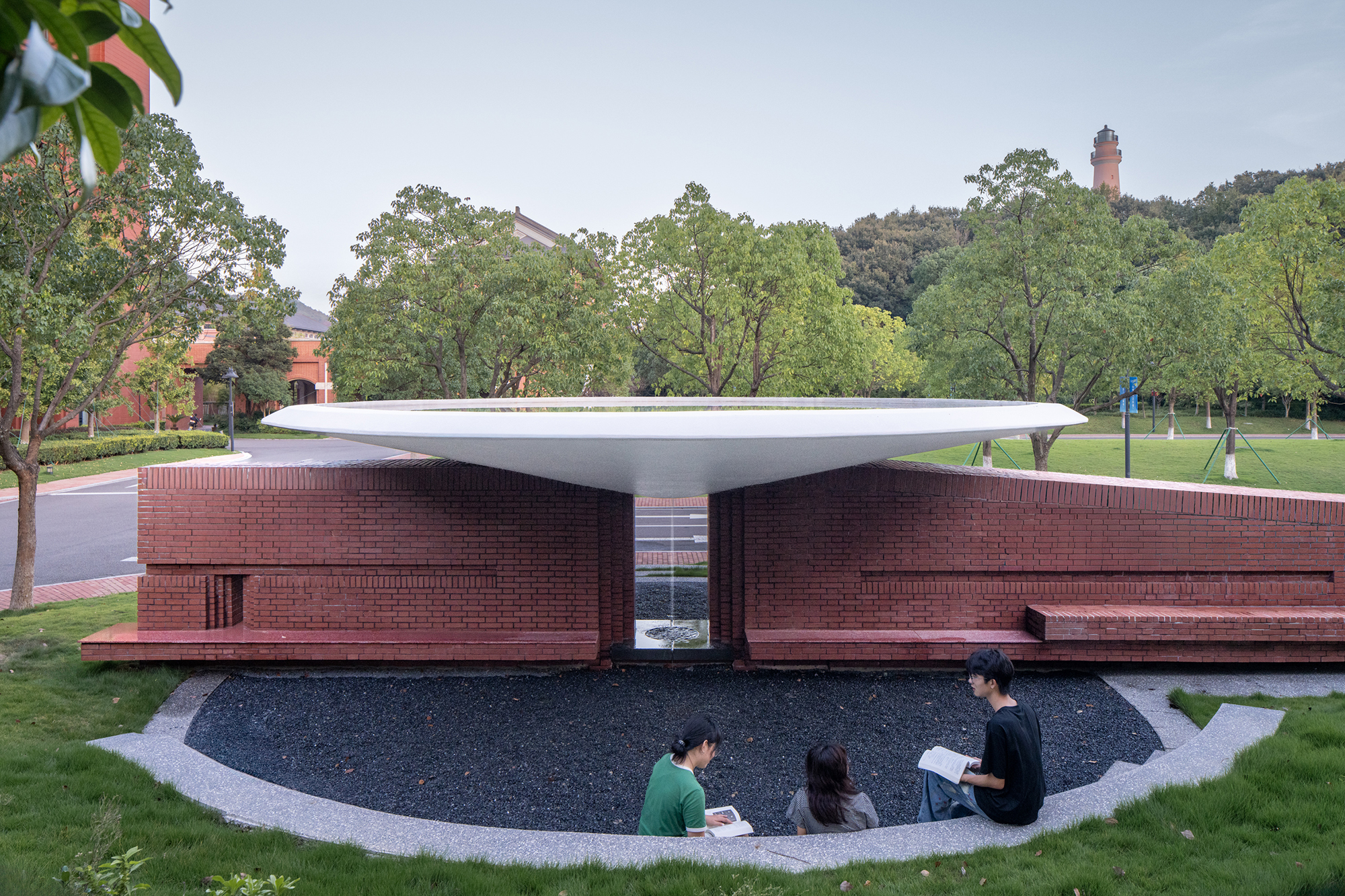
fromArchitectural Digest
27 minutes agoOutdoor Planters That Aren't So...Concrete
Bergs Potter takes the cake for me, closely followed by the majolica-like planters at Williams-Sonoma and a few stylish designs from Ferm Living and Pottery Barn. These planters lean home decor over plastic planters, making them weather-resistant, durable pieces even on a wind-whipped balcony or hurricane-sacked home garden.
NYC food

fromArchitectural Digest
2 weeks agoHome Design for a Longer Life: Can a House Really Promote Longevity?
When you design your home with intentionality, you are essentially 'hard-coding' healthy behaviors into your daily rhythm. Health outcomes are the result of thousands of micro-decisions—so in his own home, he prioritized spaces like the kitchen, whose open layout makes cooking a pleasure, and the gym, centrally located.
Wellness
fromFast Company
3 weeks agoA city in Southern Spain holds an ancient secret to fighting extreme heat
We have deployed several types of cooling systems here, each one used depending on climatic conditions. The system, created millennia ago but updated for the 21st century, works by cooling water underground in the naturally low temperatures at night. To cool water more quickly, some is also sent to the roof via solar-powered pumps and sprayed out of nozzles in a thin layer through a method known as a falling film, before draining back down underground.
OMG science
Miscellaneous
fromArchDaily
3 weeks agoSetbacks as Courtyards: How Civil Architecture Reimagines the Gulf House in Bahrain
Civil Architecture reinterprets the traditional Gulf courtyard house model for contemporary suburban development by transforming underutilized peripheral spaces into functional gardens that serve both environmental and domestic purposes.
Renovation
fromYanko Design - Modern Industrial Design News
21 hours agoHow Architects Turned a Postwar London Terrace Into an Open-Plan Home Without Touching the Facade - Yanko Design
Islington houses are redesigned to create open, continuous spaces while maintaining the original facade and architectural integrity.
#residential-architecture
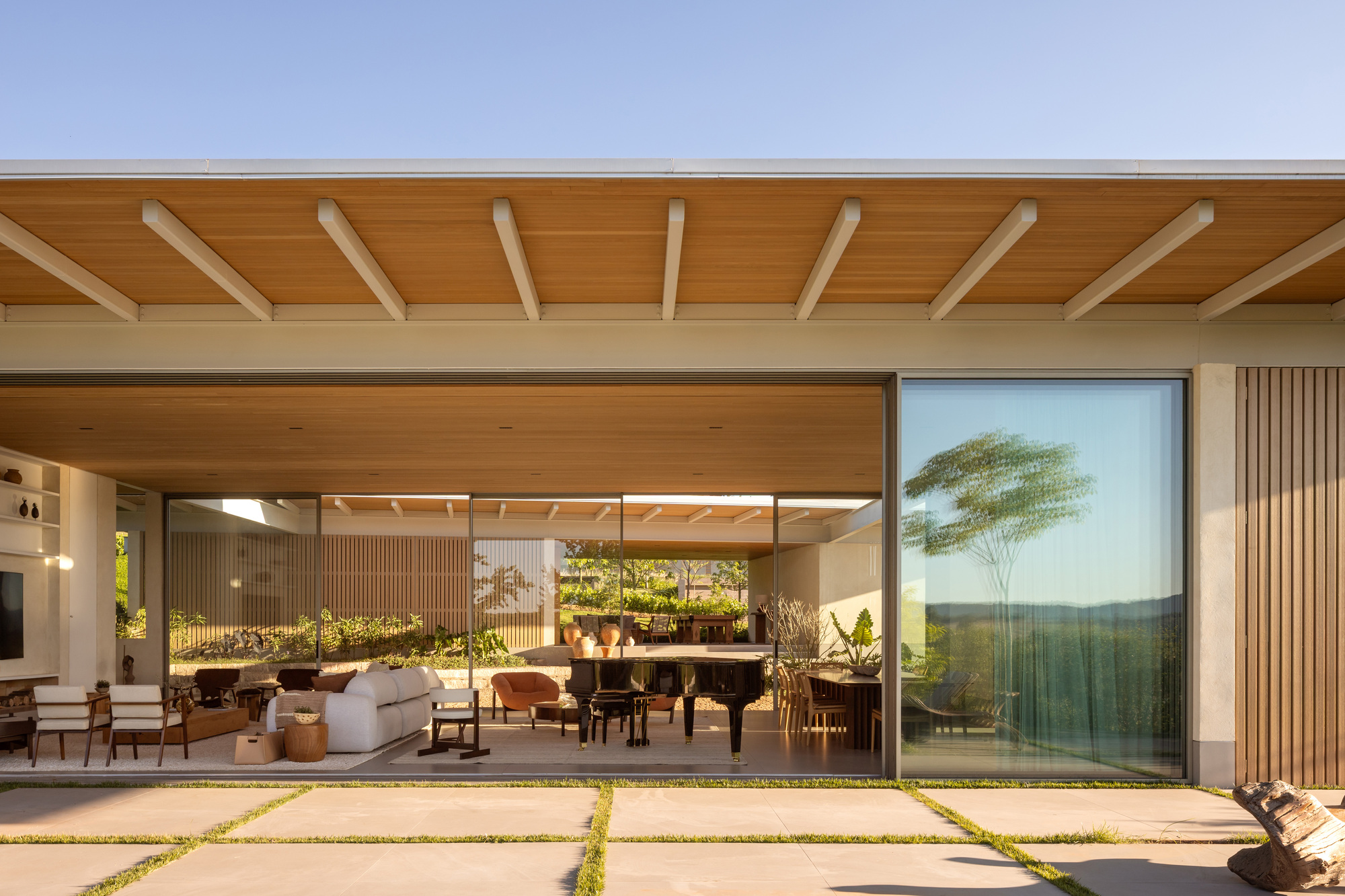
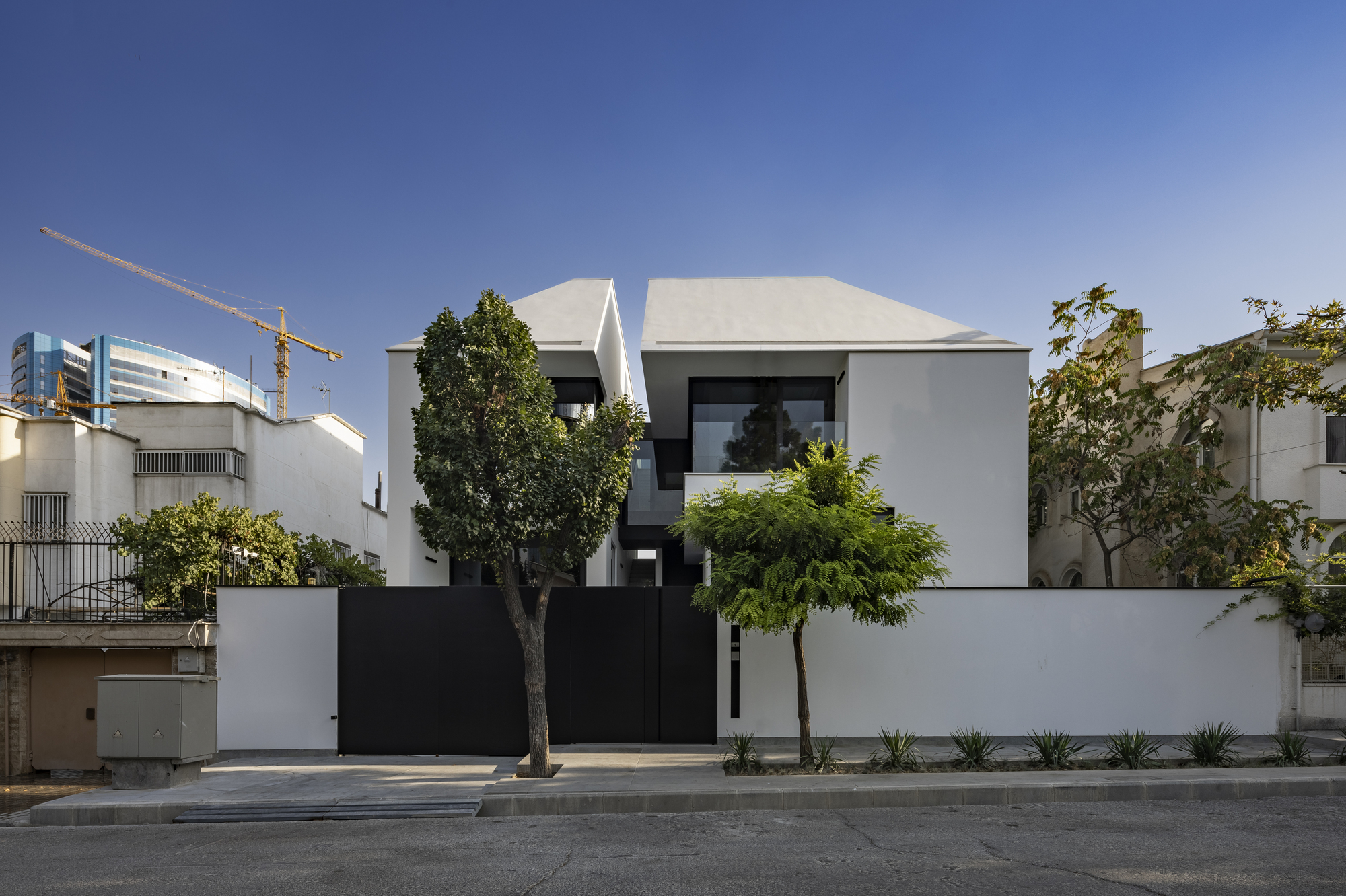
Renovation
fromdesignboom | architecture & design magazine
2 weeks agotwo intersecting volumes of black concrete carve mavra house into the mexican landscape
Casa Mavra in Valle de Bravo features two angular black concrete volumes designed by TAC Taller Alberto Calleja, organized as intersecting forms that connect interior spaces with the surrounding landscape through continuous walls and controlled openings.
Renovation
fromdesignboom | architecture & design magazine
3 weeks agocircular courtyard pool opens house by pedro henrique to sky and light in portugal
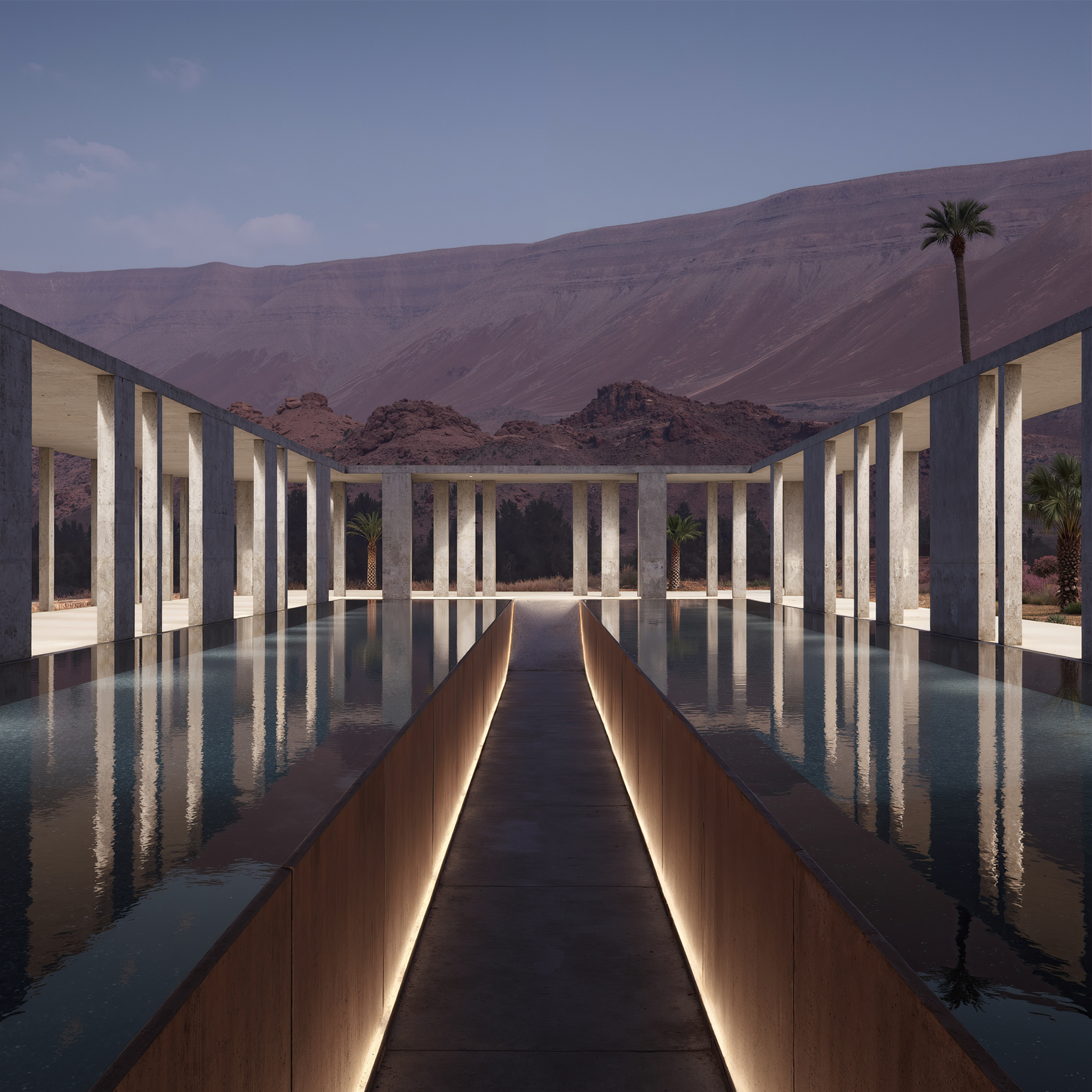
Pedro Henrique Arquitecto completes Mimosa House in Portugal, a residence organized around a circular courtyard pool that anchors the home and distributes light and air throughout the interior spaces.
Renovation
fromdesignboom | architecture & design magazine
2 weeks agotwo intersecting volumes of black concrete carve mavra house into the mexican landscape
Casa Mavra in Valle de Bravo features two angular black concrete volumes designed by TAC Taller Alberto Calleja, organized as intersecting forms that connect interior spaces with the surrounding landscape through continuous walls and controlled openings.
Renovation
fromdesignboom | architecture & design magazine
3 weeks agocircular courtyard pool opens house by pedro henrique to sky and light in portugal
Pedro Henrique Arquitecto completes Mimosa House in Portugal, a residence organized around a circular courtyard pool that anchors the home and distributes light and air throughout the interior spaces.
Design
fromYanko Design - Modern Industrial Design News
6 days agoBiomimetic Architecture Reaches New Heights With This Bird-of-Paradise Yoga Space - Yanko Design
Thilina Liyanage's architecture translates animal gestures into functional designs, exemplified by the Rifle Bird Yogashala inspired by the Victoria's riflebird's courtship display.
History
fromMedievalists.net
1 month agoDiscovery links Medieval Mosque to Roman Temple - Medievalists.net
A newly discovered Greek inscription at the Great Mosque of Homs suggests the medieval mosque may stand on the remains of a Roman-era Temple of the Sun, resolving a long-standing scholarly debate about the site's sacred history.
fromdesignboom | architecture & design magazine
3 weeks agolayered courtyard landscape reinvigorates community life in shenzhen housing development
Instead of functioning as decorative greenery, the courtyard organizes circulation, gathering spaces, and planting into a three-dimensional landscape where residents can move, pause, and interact. The site presented several typical urban challenges. Tall buildings restricted sunlight and views, while circulation routes occupied much of the available ground area, making open space feel narrow and shaded.
Renovation
Renovation
fromdesignboom | architecture & design magazine
3 weeks agourko sanchez reinterprets african vernacular architecture in UAE with thatched pavilions
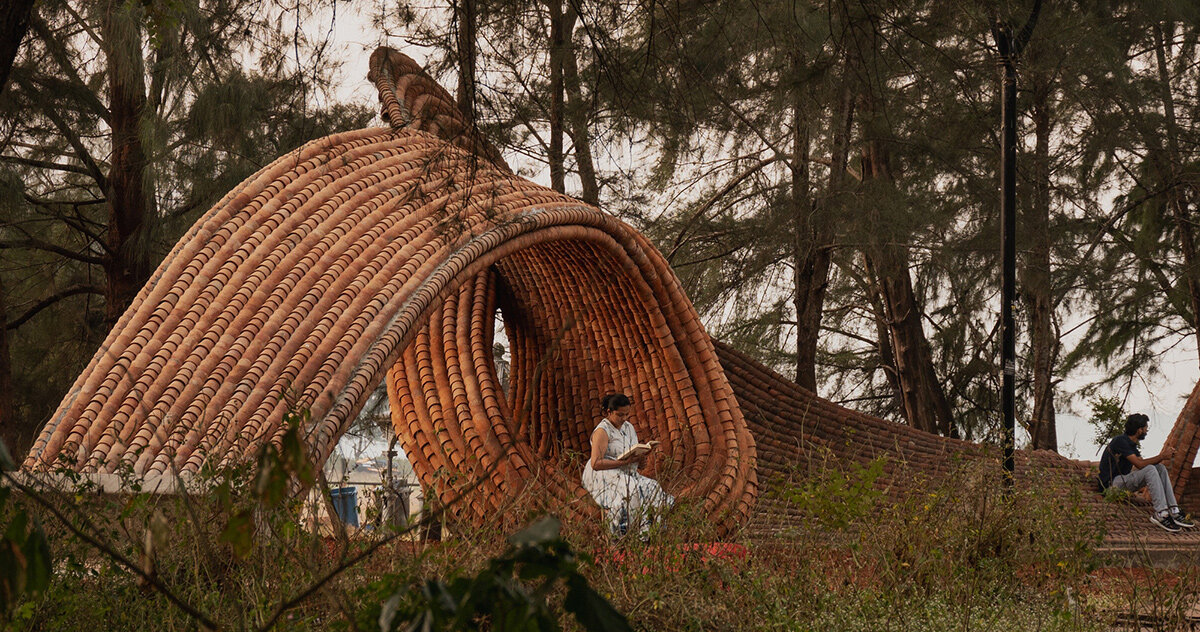
Sharjah Bridi Park uses vernacular-inspired pavilions with thatched roofs to create an educational landscape for African ecosystem research within the Al Bridi Reserve in the UAE.
Design
fromdesignboom | architecture & design magazine
1 month agomonolithic concrete residence by S-AR opens inward to patios in mexico's villa de santiago
A monolithic reinforced-concrete weekend house in Villa de Santiago merges concrete, local stone, patios, and central courtyard to connect interiors with the Sierra Madre landscape.
Renovation
fromYanko Design - Modern Industrial Design News
4 weeks agoA House In Ecuador That Climbs the Land Instead of Changing It - Yanko Design
La Miradora in Ecuador's highlands uses natural terrain to shape its design, with wooden ribs as the primary structural system that adapts to the slope while providing shelter and framing views.
Design
fromdesignboom | architecture & design magazine
1 month agocurved brick patterned walls frame farmhouse by manoj patel in india
A sustainable, material-efficient farmhouse uses exposed local brick, cavity-filled RCC walls, fragmented volumes, courtyards, and cross-ventilation to respond to a hot, dry climate.
fromwww.archdaily.com
1 month agoRequena Pantheon / Belen Ilarri Studio
The design of this pantheon challenges the classic structures aiming to host the eternity. Unlike the traditional pantheons in the area, this project full of meaning and coherence balances unusual materials within the traditional enclave in the Requena cemetery.
Design
Design
fromdesignboom | architecture & design magazine
2 months agocurved arches stack together for central courtyard villa by nextoffice in iran
A continuous, stacked-arch courtyard reinterprets Iranian courtyard typology, creating a porous three-dimensional central void that organizes light, movement, privacy, and climate control.
Design
fromdesignboom | architecture & design magazine
1 month agotraditional european library transforms compact office into a layered reading space
A compact residential library uses deep crimson millwork, saturated color, layered materials, patterned wallpaper, and integrated lighting to create depth and a focused reading interior.
fromdesignboom | architecture & design magazine
2 months agosquare openings punctuate the facade of courtyard-centric red house in albania
Set within a large agricultural garden in a coastal village near Lezhë, Albania, Red House by Pacarizi Studio explores how a single-family dwelling can respond to changing social structures, climatic conditions, and local building cultures. Designed by Gezim Pacarizi, the 350-square-meter home is organized around an open, partially covered courtyard with a pool at its center. The project approaches domestic architecture as a sequence of perceptual experiences shaped by light, movement, and framing, an idea articulated by the architects themselves. 'What you see through a window can be a landscape, a tree, or architecture itself,' they note.
Design
Design
fromdesignboom | architecture & design magazine
2 months agocurved bodies organize sequence of gardens in spanish home by fran silvestre arquitectos
Villa Lago uses an ascending, stepped composition of curved longitudinal volumes to maximize garden contact and organize domestic life around five distinct open-air courtyard spaces.
fromdesignboom | architecture & design magazine
1 month agoopen planted courtyard organizes a cafe carved directly into rock in saudi arabia
Peacock Ha'il is a project by Movs Studio located in Ha'il, Saudi Arabia, within an evolving urban context shaped by new construction and prominent geological formations. The site originally consisted of an unfinished structure positioned directly beside a tall formation, which became a defining condition for the project and a central design constraint. Rather than treating the rock as a backdrop or decorative feature, the design integrates it into the architectural logic of the café.
Design
fromArchDaily
2 months agoLeisure Architecture: 13 Projects Shaping Togetherness Across Generations
Leisure spaces are often where different generations cross paths. Without formal programs or assigned roles, they allow people to move, pause, and remain together, each engaging space in their own way. In a built environment increasingly shaped by specialization and separation, these shared spatial grounds have become less common, giving leisure-oriented architecture a renewed relevance. Discussions around public space have repeatedly pointed to the value of openness and flexibility in supporting collective life.
Design
fromdesignboom | architecture & design magazine
2 months ago3D printed canopy uses passive environmental control to protect roman tombs in spain
A lightweight, 3D printed and textile roof protects the Tombs of Postumio and Tres Puertas at the Archaeological Complex of Carmona in Seville, rethinking how contemporary architecture can engage with heritage conservation. The project by Juan Carlos Gómez de Cózar and Manuel Ordóñez Martín introduces a single canopy that covers both Roman tombs while operating as an environmental machine designed to stabilize their long-term preservation.
Design
fromdesignboom | architecture & design magazine
2 months agostepped residence embedded into the hillside maximizes views and privacy in india
Designed by Habitat Architects, the Solan Hill House is a private residence embedded into a sloping site in Himachal Pradesh, conceived as an architecture that grows out of its terrain rather than resting on it. Completed as a response to complex gradients, access conditions, and visual exposure, the project uses the landscape itself as a generator of form, structure, and spatial sequence.
Design
fromArchDaily
1 month agoBetween Materials and Memory: Three Madrid Architecture Practices on Heritage Rehabilitation
Ba-rro: "Our starting point is always the context and what already exists." We are interested in recognizing the value of things simply because they are there, without assuming that everything must be preserved as a matter of principle. The question isn't what can be kept, but what deserves to be kept in each specific project. The decision to preserve, reveal, or remove doesn't stem from universal values or a nostalgic impulse, but from a situated interpretation:
Renovation
fromdesignboom | architecture & design magazine
1 month agotimber garden folly pavilion transitions between resting shelter and planted patio
The project responds to a series of site-specific conditions, including exposure to wind, sun, and the absence of a dedicated outdoor room. Located adjacent to an architect-designed house with a restrained internal layout, the pavilion offers an additional space without altering the existing domestic interior. Positioned as an intermediary element, it operates as a threshold between the private realm of the house and the open landscape beyond.
Design
Design
fromdesignboom | architecture & design magazine
2 months agovaulted palm canopy shields dry stone guesthouse cluster in southeastern iran
A community-built guesthouse uses local materials, vernacular techniques, and a central courtyard to support community-led tourism and reinforce social practices in Kahnanikash.
fromdesignboom | architecture & design magazine
2 months agoearth-covered domes and brick vaults shape liberation museum of manisa in turkey
In Manisa, western Turkey, the Liberation Museum by Yalin Architectural Design is a memory space shaped by absence, loss, and collective resilience. Developed for the Greater City Municipality of Manisa, the 3,800-square-meter project narrates the local civil resistance movement that emerged independently of central authority between 1918 and 1923, during and after the First World War. The museum is conceived as an experiential landscape, guiding visitors through a spatial narrative of occupation, destruction, liberation, and rebuilding.
Design
fromArchDaily
2 months agoRiyadh Architecture City Guide: 16 Projects from Heritage to Urban Expansion
Once a Najdi settlement defined by mudbrick walls and courtyard houses, Riyadh has undergone one of the most radical urban transformations of the 20th and 21st centuries. The discovery of oil reserves, the consolidation of political power, and the rapid expansion of infrastructure reshaped the city from a regional capital into a sprawling metropolis almost within a single generation. As a result, Riyadh's urban fabric is marked by discontinuities, fragments of vernacular architecture coexist with mid-century institutional modernism, and a rapidly evolving contemporary skyline.
Renovation
fromdesignboom | architecture & design magazine
2 months agocasa la vista's exterior skin resembles tones and textures of mexican desert
Casa La Vista is a residential project by MEDEZA CDQ and VERTEBRAL located on a cliff within the desert landscape of Baja California Sur, . Positioned among dunes and overlooking the coastline of San José and Punta Gorda, the house is oriented toward the southeast to frame the horizon where sea and sky meet. The project responds to the region's extreme climatic conditions through a spatial and tectonic strategy that prioritizes orientation, shading, and material performance.
Design
Renovation
fromRemodelista
2 months agoCurves and Circular Cutouts in a Marseille Apartment Building Update by Studio Classico and Chapitre Architecture
Architects used curves, circular cutouts, and built-in furniture to transform a modest Marseille apartment building into playful, light-filled, craft-focused rental units on a tight budget.
[ Load more ]