US Elections
fromwww.businessinsider.com
23 hours agoExecutives expect to keep dealing with tariffs for years no matter who is in the White House, a new survey says
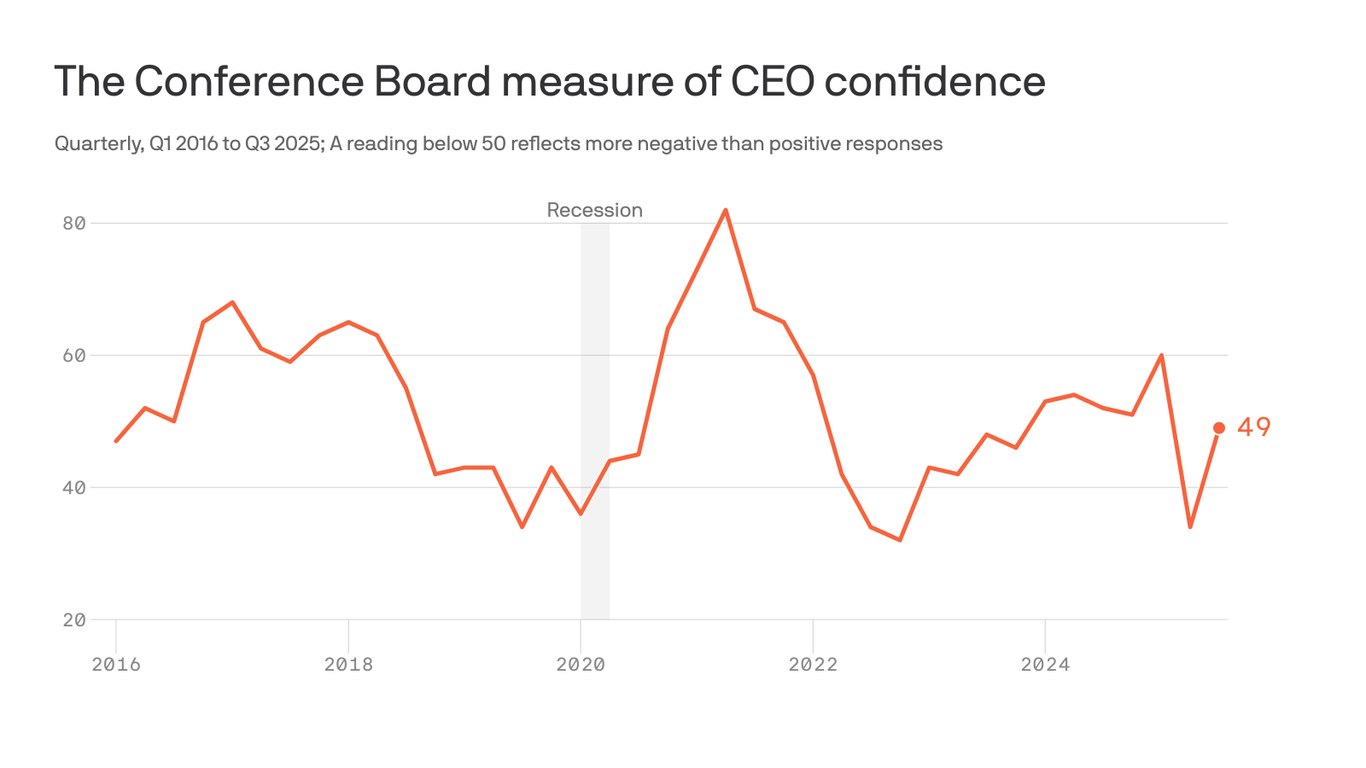
86% of US executives expect tariffs to be a permanent aspect of business planning.
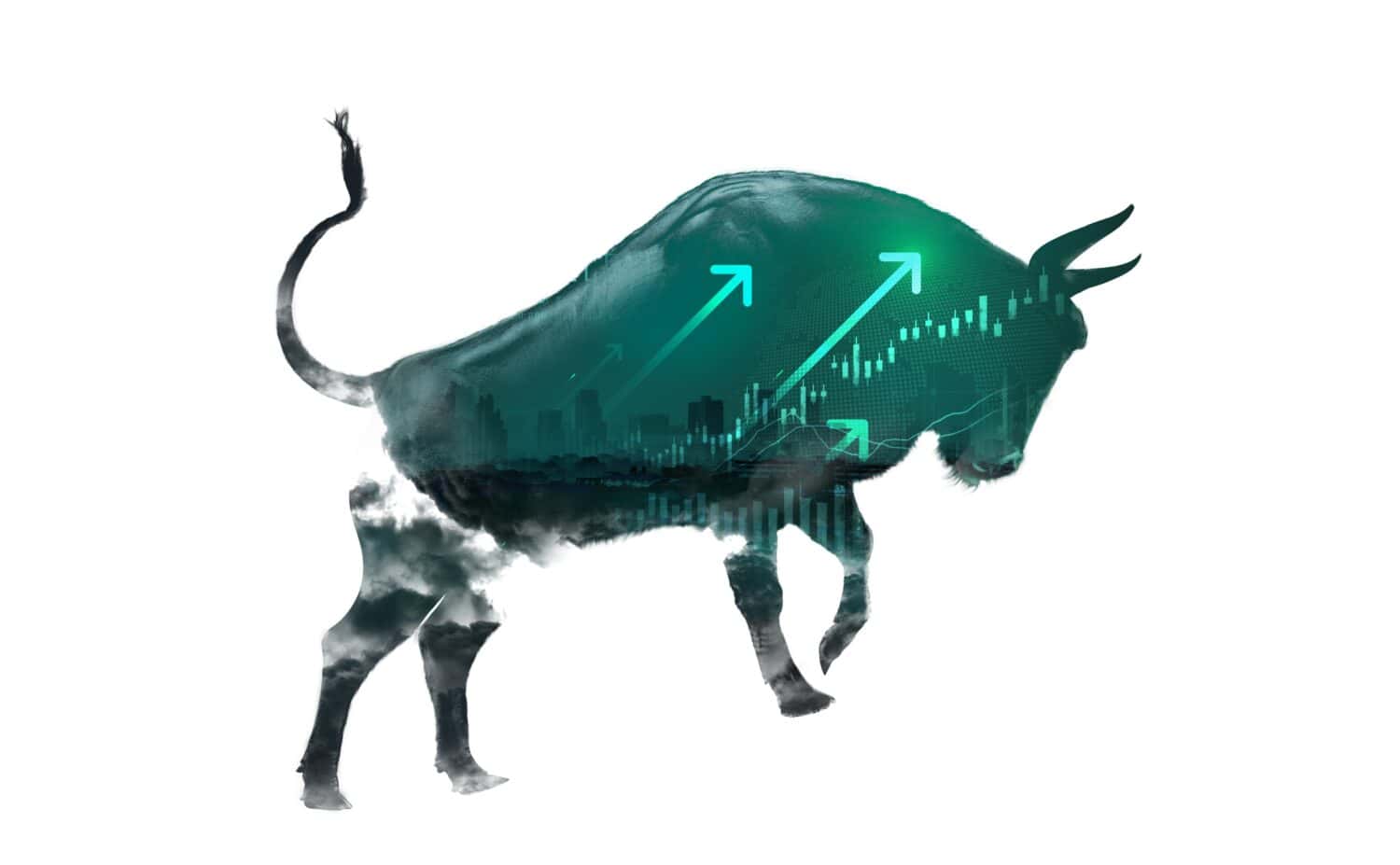
U.S. equity markets delivered a strong performance over the past week, supported by improving geopolitical sentiment and renewed investor confidence, with all major indices recording gains exceeding 3%.
We expect the UK's disinflation story will take another twist on its (eventual) way down to target. The good news is that CPI is still expected to slide down in the coming months. The bad news? Higher energy prices appear poised to lift CPI meaningfully over summer, adding yet another hump in the inflation profile.
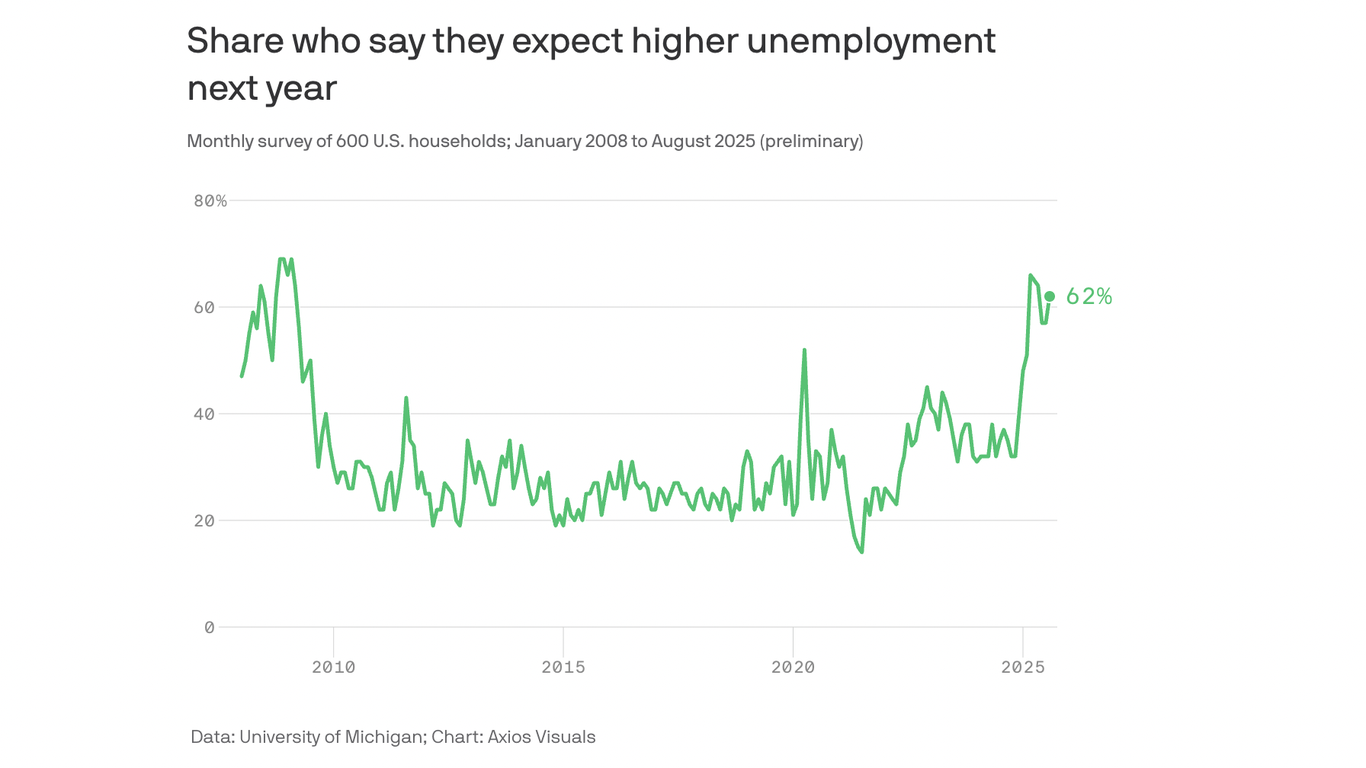
behind the recent jump are primarily the weak labour market numbers, but almost all the economic data has turned soft since the end of last year. Total nonfarm payroll employment edged down by 92,000 in February, and the unemployment rate changed little at 4.4 percent.
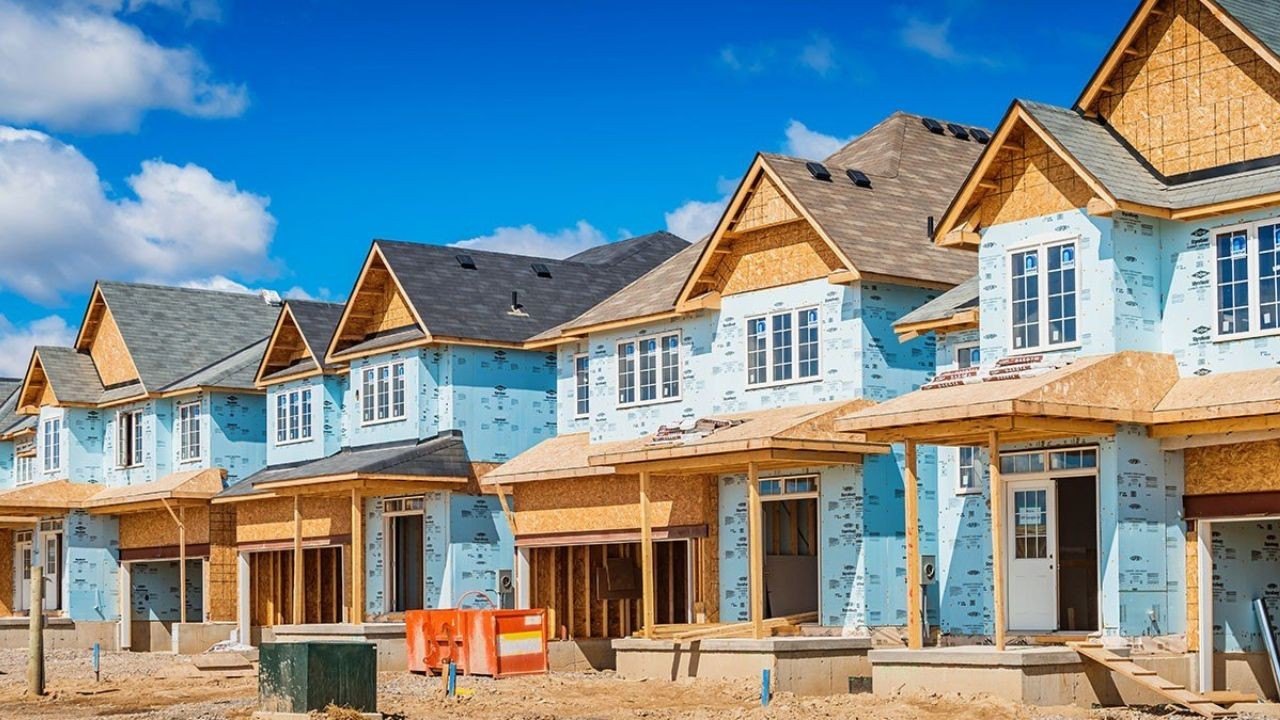
While homebuilder sentiment remains subdued after a 12-month grind that hasn't quite let up, Robert Dietz, Chief Economist for the National Association of Home Builders, offered guarded optimism in his take on housing economics' complex set of market drivers. In other words, the worst of the worst may be over, but don't expect a switch to flip. Not yet, anyway.
The UK economy returned to growth in November, expanding by 0.3 per cent after contracting in the month leading up to the autumn budget, according to figures from the Office for National Statistics. The increase in GDP exceeded economists' expectations of a modest 0.1 per cent rise and suggests that economic activity proved more resilient than many sentiment surveys had indicated in the run-up to the budget on 26 November.
Well, look, I think everyone can see in the last year that the world has changed, and we're not immune to that change. Whether it is wars in Europe and the Middle East, whether it is increased barriers to trade because of tariffs coming from the United States, whether it is the global cost of borrowing, we're not immune to any of those things.
Gold prices have been trading sideways for almost three months, with slight declines as risk appetite improved, suggesting potential changes in investor sentiment.
To put it plainly, what I see tells me the oilfield services market will be softer than I previously expected over the short to medium term. Oil producers and countries are cutting back spending more dramatically than current oil prices would normally necessitate.
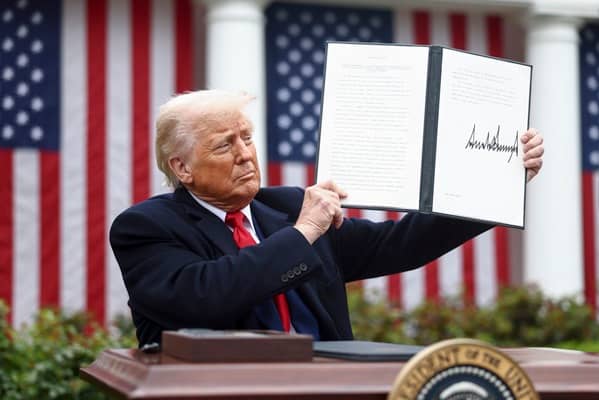
U.S. stock futures dropped as Trump's threats of 30% tariffs on the EU and Mexico prompted investors to reconsider trade war risks, with markets poised for declines.
The US Dollar index remained near multi-year lows as geopolitical tensions eased and investor sentiment improved, indicating a shift in safe-haven demand.