Writing
fromwww.businessinsider.com
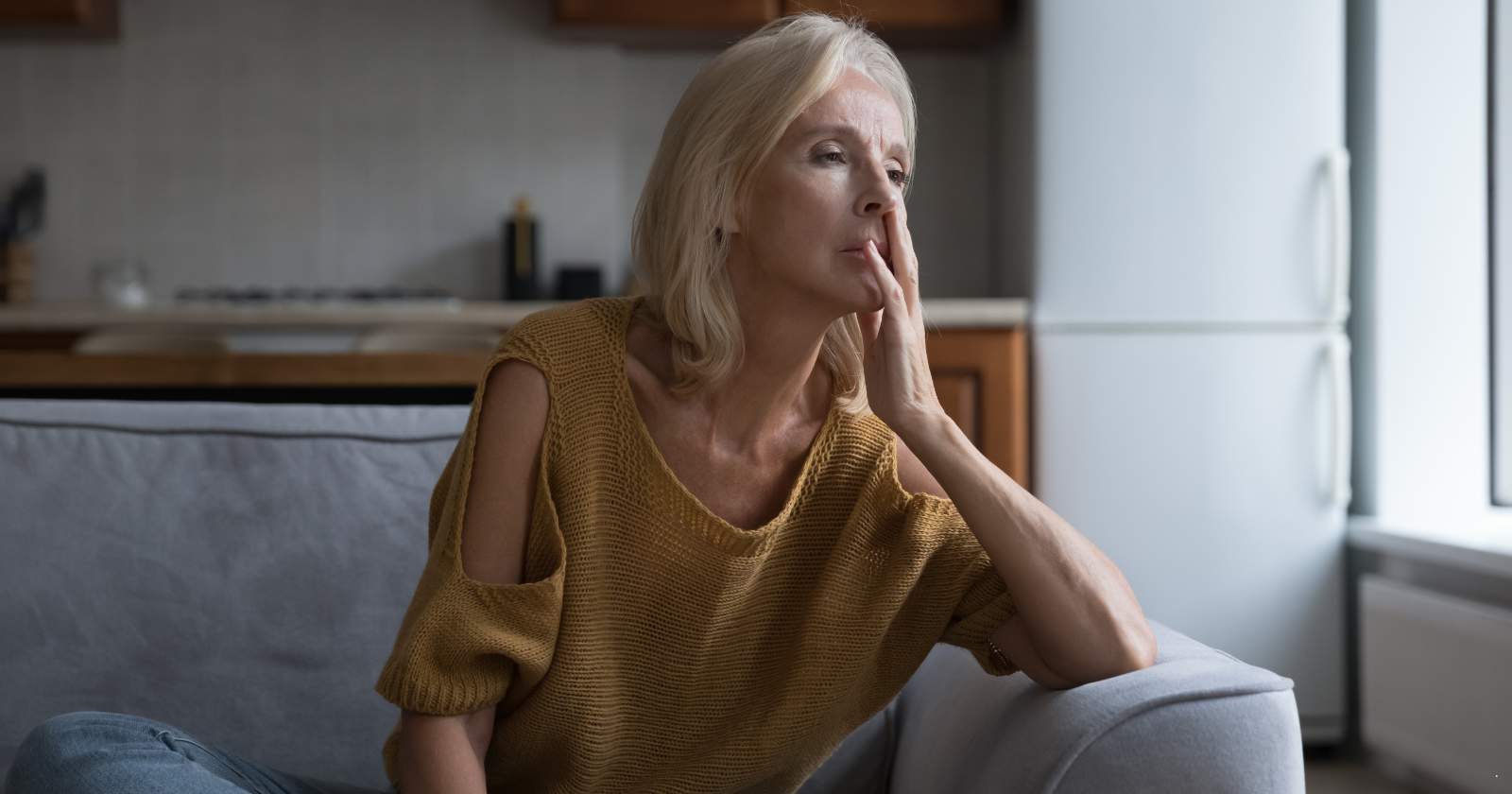
4 hours agoI became friends with a woman 40 years older than me. She taught me how to live.
A friendship flourished between two writers with a 40-year age difference, united by their passion for storytelling.
Research indicates that LGBTQ+ teens entering high school experience significantly higher anxiety symptoms compared to their cisgender heterosexual peers, highlighting the unique challenges they face during this transition.
"This year's increase in undergraduate credential attainment isn't just about more completions-it's also about timing. More students are earning certificates and degrees earlier and that shift reflects how postsecondary pathways are changing and starting sooner than they once did."
The people who never feel invisible? They're the ones asking questions. My buddy Frank is seventy-one. When his grandson talks about some video game, Frank doesn't say 'When I was your age, we played outside.' He asks, 'What do you like about it? How does it work?' And he actually listens to the answer.
Recently, I was at a family gathering when I noticed something fascinating. My friend's grandmother, in her eighties, was completely surrounded by her adult grandchildren. They weren't just there out of obligation - they were genuinely engaged, laughing at her stories, asking for advice, and making plans for their next visit. Meanwhile, at another table, I watched a different grandmother sit mostly alone while her adult grandchildren stayed glued to their phones, offering only polite nods and forced smiles.
Like most Americans, my view of homeschooling was framed through the lens of abnormality. My own public-school education was my only frame of reference. Although my own experience wasn't great, it was familiar. It was the system I knew. As a college professor, I regularly saw the academic gaps my students carried with them from their public-school education. Yet even then, I struggled to imagine an alternative. My instinct was always to fix the existing system, not step outside of it.
Collective learning is how a group or system creates, improves, and keeps knowledge. This knowledge lasts beyond any one person or cohort. That is the most practical collective learning definition, because it shifts the focus away from individuals and toward the learning system itself.
Learning today doesn't usually look broken. It looks like a well-run treadmill, always on, always moving, quietly exhausting everyone. New initiatives, new tools, new priorities. New "must-have" skills. Even when learning is thoughtfully designed, there's a nagging sense that nothing sticks because nothing gets a chance to. People finish the course, grab the badge, and move on to the next thing before the last thing has had time to show up in how they work.
This is a striking decision at a moment when public confidence in higher education is eroding. It is also puzzling because rigorous research and evaluation have demonstrated, over and over, the value of the work of centers for teaching and learning, including positive impacts on student learning outcomes, institutional effectiveness and faculty development.