#jay-gorney-modern-art
#jay-gorney-modern-art
[ follow ]
#art #contemporary-art #art-exhibition #marcel-duchamp #exhibition #art-history #art-fairs #creativity #photography

Photography
fromwww.theguardian.com
21 hours agoThey accomplished so much, even as they were dying': the groundbreaking gay art of Peter Hujar and Paul Thek
The Wonderful World That Almost Was chronicles the lives and friendship of artists Peter Hujar and Paul Thek, highlighting their contributions before and during the AIDS crisis.


fromArtnet News
1 day agoThe "Next Asian Art Hub" May Be the Wrong Question
In both places, there was a sense of energy building that was not yet fully visible. The experiences made me realize that, while sales totals and fair brands can serve as benchmarks of centrality, slower, structural transformations are taking place throughout Asia that merit closer attention.
Arts

fromHyperallergic
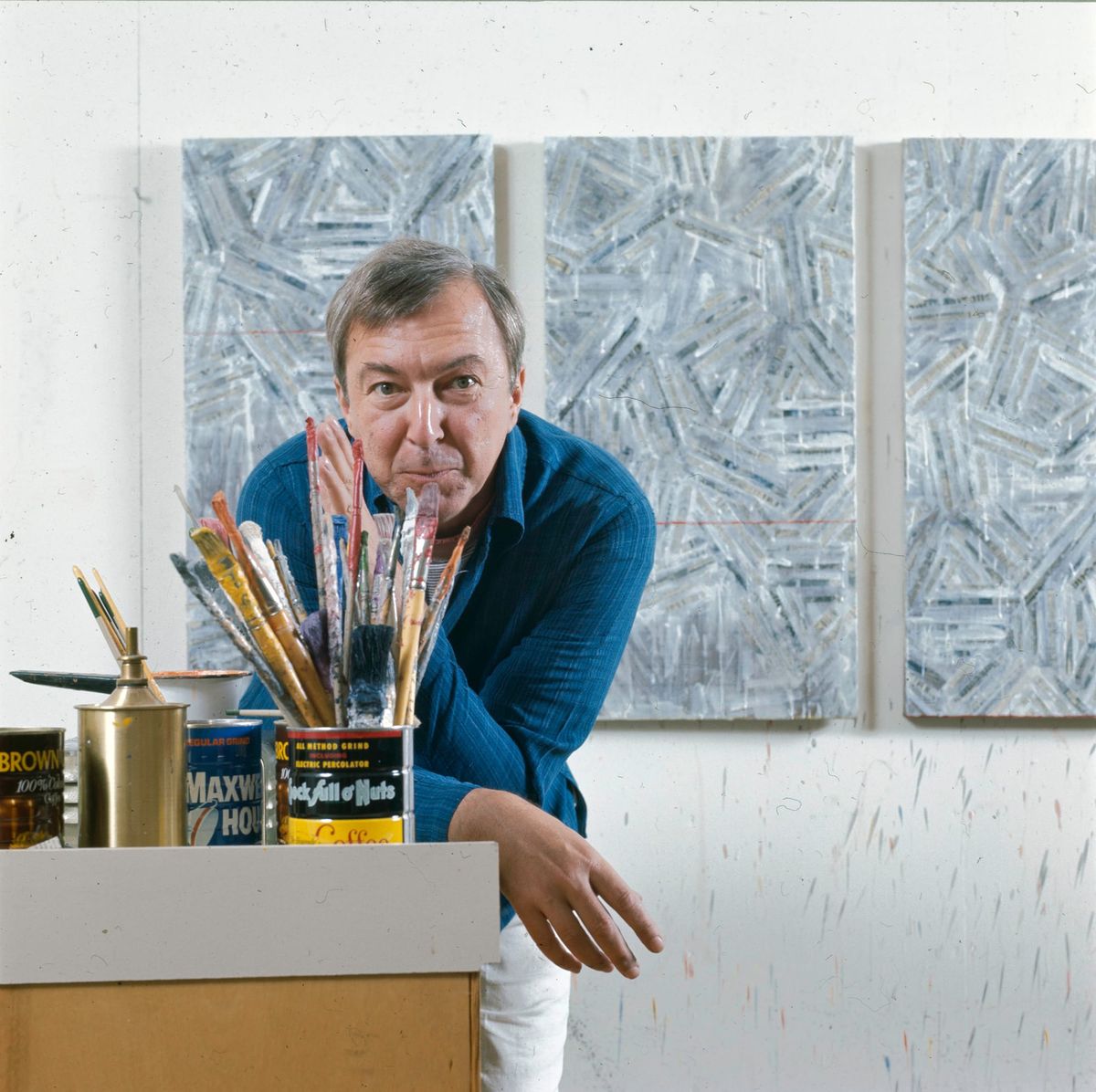
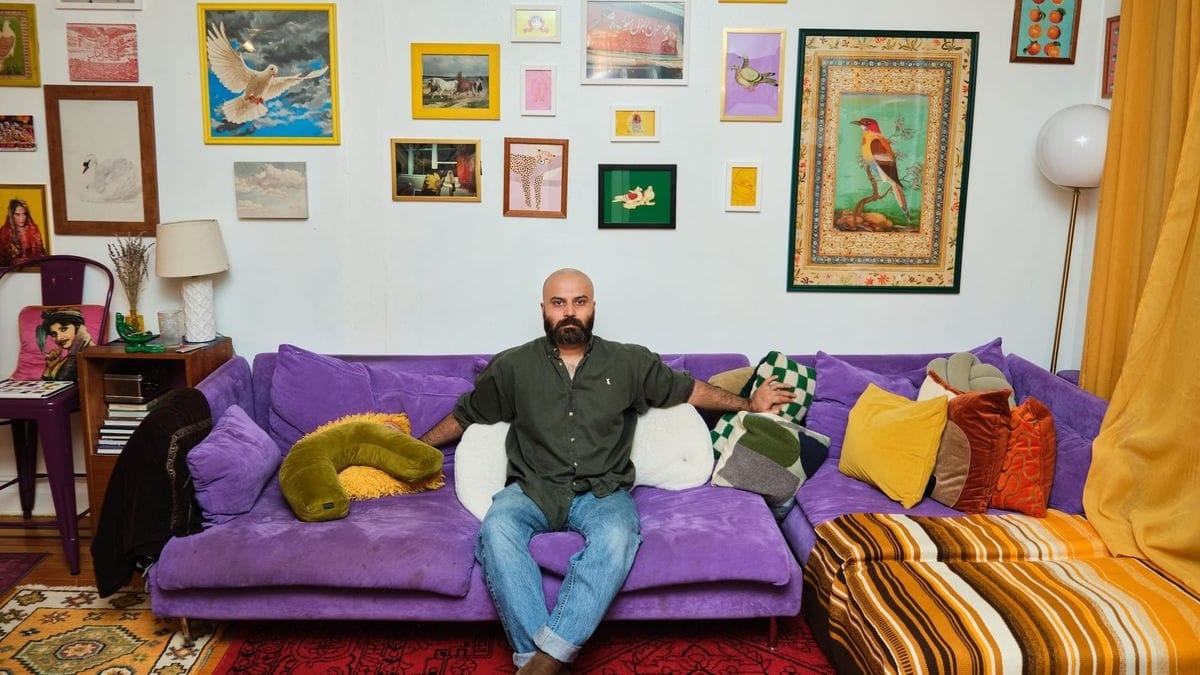
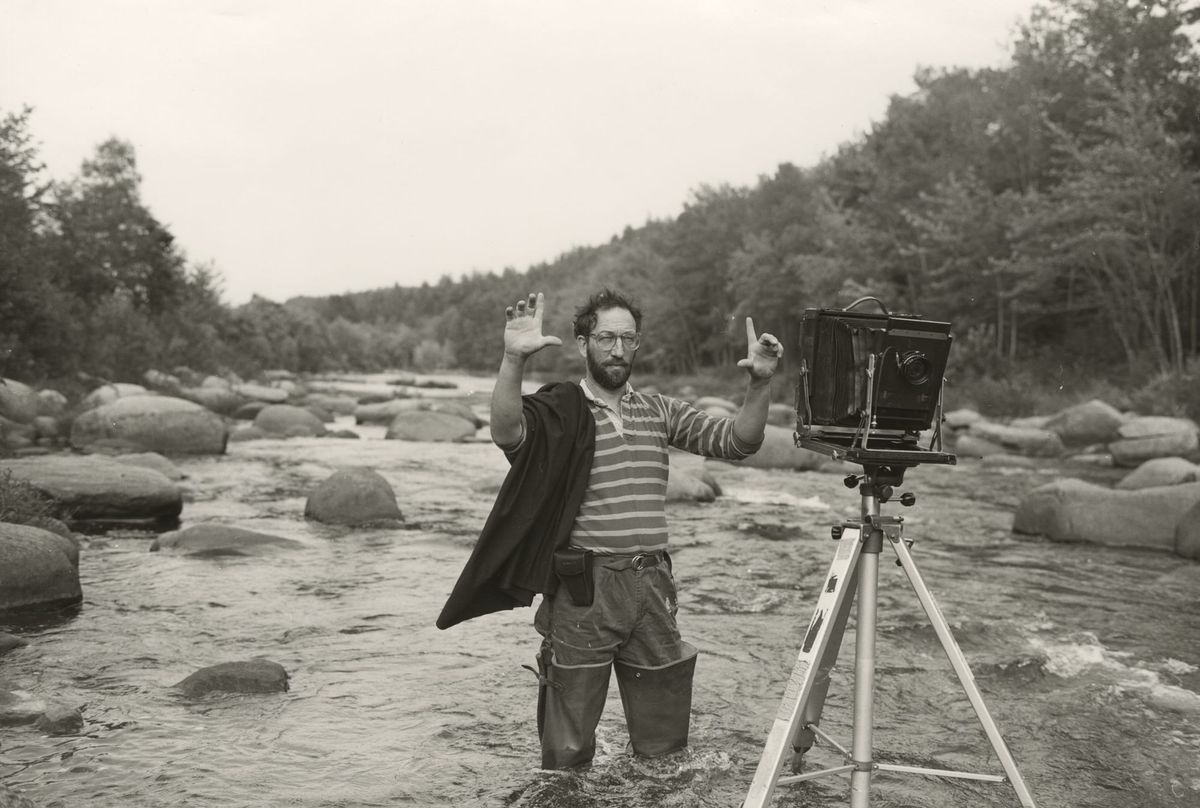
5 days agoDavid Novros's Portable Murals
Seeing the Alhambra in Granada was an extraordinary experience for me. It was the first time that I understood painting as something other than an object hanging on a wall. I thought that paintings could be in a fixed place, made for that place, made for the light of the place, experienced kinesthetically.
Arts


fromHyperallergic
1 month agoEmbracing Friction in the Art World
On Franklin Street in Brooklyn's Greenpoint neighborhood, one non-commercial gallery fosters 'a small, stubbornly human space for friction.' Friction—the ubiquitous buzzword that captures the simultaneous delight and discomfort of doing things the slow way—is at the heart of artists Pap Souleye Fall and Char Jeré's current show at Subtitled NYC. It also reflects the overall spirit of this little exhibition space and of a burgeoning movement to reject our culture of optimization in favor of a bumpier, more intimate, less alienating experience.
Arts
fromHyperallergic
2 months agoA View From the Easel
Mornings are best for concentrated work. In the winter, I turn on the heat at 8am and get started around 10am. Summer, I start around 9am. I have two areas in the studio for projects. The large, heavy wood sculptures are carved in the front section of the studio, closest to the roll-up wide door. Smaller sculptures are placed on a hydraulic workbench. Before I start, I focus, connect with the Source, and ask for guidance.
Arts
fromHyperallergic
2 months agoA View From the Easel
I work outside, carving and shaping the stone. Outside my house, I have a table, an extension cord, and tools. It's very cold and I have to wear all my winter clothes. When it's too cold, I do the filing and finishing work inside after I shape it outside. I listen to all kinds of music. I listen to Eminem all the time; his albums are all my favorites. For drawings, I work at Kinngait Studios or at home on my kitchen table.
Arts
fromHyperallergic
2 months agoJeff Koons's Trumpian Reflections
"As I stood and looked at it on a drizzly gray day," John Yau writes of looking at a radiant painting by Edward Zutrau, "I forgot that it was raining." That's what art can do - stop you in your tracks, make you forget absolutely everything save for that essential encounter between you and the work.
Arts
[ Load more ]