#minor-consent
#minor-consent
[ follow ]
#mental-health #child-safety #social-media #meta #child-protection #age-verification #family-dynamics


Relationships
fromSilicon Canals
5 hours agoPsychology says the adult who has acquaintances but no close friends isn't failing socially - they're often someone who learned early that real closeness came with conditions, and a polite distance has always felt safer than the bill - Silicon Canals
Emotional distance in friendships often stems from conditioned avoidance learned in childhood, not a failure of social skills.
Parenting
fromSilicon Canals
19 hours agoThe people who were praised for being mature as children and punished for being needy as adults, and the decades it takes to untangle which one was actually true - Silicon Canals
Maturity in children often reflects adult expectations, leading to long-term consequences for the child's emotional development.

#age-verification


Privacy technologies
fromAbove the Law
4 days ago438 Experts Said Age Verification Is Dangerous. Legislators Are Moving Forward With It Anyway. - Above the Law
Age verification mandates for the internet are technically flawed, threaten privacy, and may cause more harm than good, according to 438 researchers from 32 countries.

UK politics
fromIndependent
2 days ago'Not acceptable' - Taoiseach decries decision by mystery TD to give character reference to ex-government adviser convicted of child exploitation
Public representatives should not provide character references in sexual crime cases, as it undermines the victim's experience and the severity of the crimes.
fromPsychology Today
4 days agoKnowing Themselves Helps LGBTQ+ Teens Thrive
Research indicates that LGBTQ+ teens entering high school experience significantly higher anxiety symptoms compared to their cisgender heterosexual peers, highlighting the unique challenges they face during this transition.
LGBT




Social media marketing
fromwww.theguardian.com
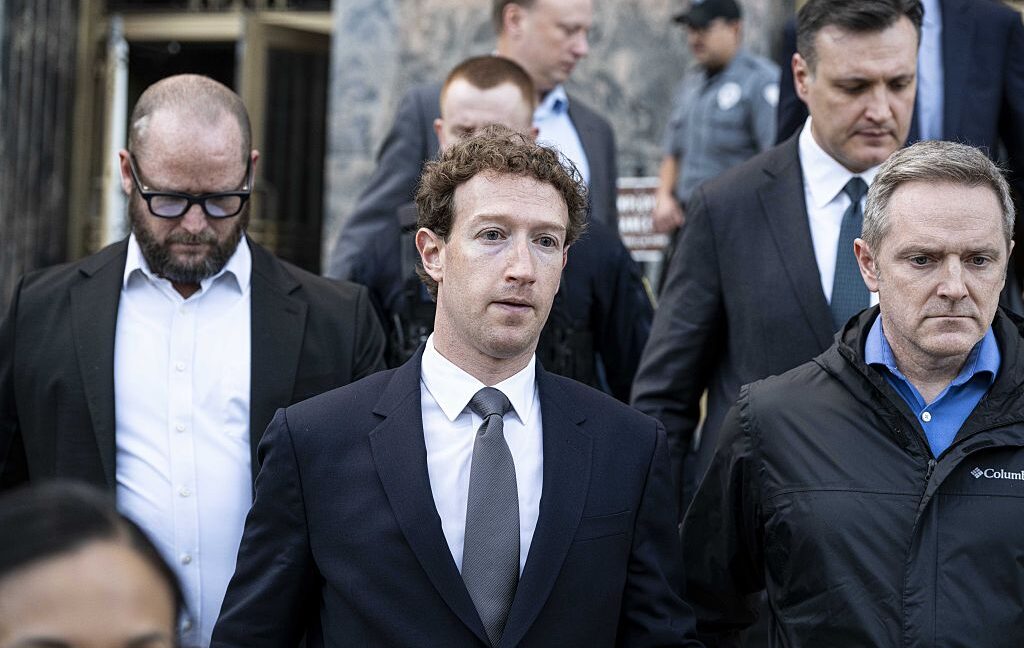
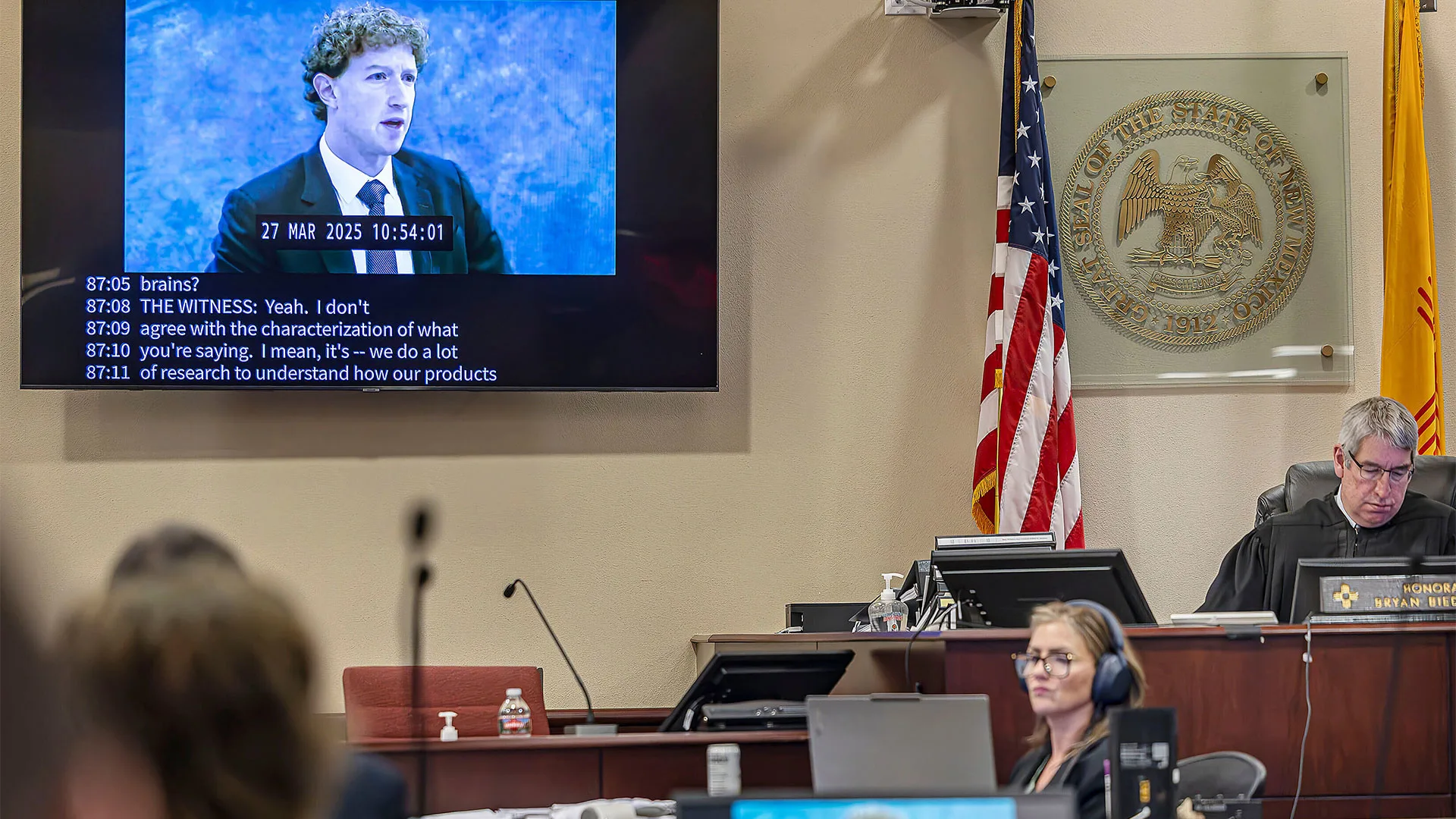
2 weeks agoIt started with a tip-off': how a Guardian investigation exposed child sex trafficking on Facebook and Instagram
Child sexual abuse trafficking surged during the pandemic, with platforms like Facebook and Instagram being exploited for these crimes.
SF parents
fromwww.theguardian.com
5 days agoAre Axel Rudakubana's parents responsible for his terrible crime? It's a question many families will fear to answer | Gaby Hinsliff
Parents of Axel Rudakubana failed to act on warning signs, contributing to a tragedy involving the murders of three young girls.

fromFast Company
1 week agoThe list of countries banning young teens from social media keeps getting bigger. Here's the latest
Prime Minister Kyriakos Mitsotakis announced plans to restrict social media use by age starting on January 1, 2027, citing concerns such as problems sleeping, increasing anxiety, and social media platforms' addictive designs.
EU data protection
fromwww.thelocal.se
5 days agoSwedish government pushes ahead with plan to jail 13-year-old criminals
Justice Minister Gunnar Strommer stated, 'In reality, today's system fails to protect citizens from life-threatening violence, vindicate victims of crime or break destructive patterns that often surround these children.'
UK politics
fromArs Technica
4 weeks agoAs teens await sentencing for nudifying girls, parents aim to sue school
The school knows that they have this deepfake issue, and they all of a sudden add this clause to their enrollment contracts. That to me seems a little disingenuous and unfair, and it doesn't seem like someone's apologizing.
Education
#child-exploitation

SF parents
fromLos Angeles Times
1 month agoSoCal school psychologist thought he was meeting a 13-year-old, authorities say. It was a sting
A licensed school psychologist was arrested after exchanging sexually explicit messages with an undercover investigator posing as a 13-year-old and attempting to meet the minor for sex.
SF parents
fromLos Angeles Times
1 month agoSoCal school psychologist thought he was meeting a 13-year-old, authorities say. It was a sting
A licensed school psychologist was arrested after exchanging sexually explicit messages with an undercover investigator posing as a 13-year-old and attempting to meet the minor for sex.
Privacy professionals
fromEngadget
1 month agoxAI is being sued by teens who say Grok created CSAM using their photos
Three Tennessee teenagers filed a class action lawsuit against xAI, alleging Grok generated child sexual abuse material using their photos, with potential thousands of other minors affected.
fromThe Atlantic
2 months agoLet Teens Exist in Public
My local Target was the first place I noticed the shift. One day, a few years ago, a sign appeared: red text on white paper announcing that no one under 18 would be allowed in without an adult. Before the poster, every weekday afternoon, clots of teens would move through the arteries of the store, occasionally blocking them. The kids would laugh among themselves, swatch makeup on their arms, peruse the candy offerings.
US politics
fromwww.theguardian.com
1 month agoThree months into Australia's world-first social media ban for under-16s, has it been a success?
Our data is still minimal, says Caroline Thain, national clinical adviser with the mental health organisation Headspace. We're really waiting for a few more months before we do a deeper dive. About one in 10 teenagers coming into Headspace centres have brought up the social media ban as their reason for seeking support.
Mental health
Digital life
fromLondon Business News | Londonlovesbusiness.com
2 months agoUnder 16s to be banned from social media within months, 'no exceptions' - London Business News | Londonlovesbusiness.com
Children under 16 will be barred from social media unless platforms verify ages and enforce parental controls, with heavy fines for noncompliance.
fromwww.mercurynews.com
2 months agoDear Abby: If I see this man around kids, do I have to say something?
The man is pleasant and friendly. If I had not known this information, I would have suggested he and his wife get together with my husband and other friends. There are no children in my household, so no one would be endangered by his presence. Should this information about his sex offender status change how I see or respect him? Neither he nor his wife knows that I know, and I don't plan to tell them or anyone else.
Relationships
fromThe Atlantic
2 months agoYouth Gender Medicine Is Indeed Up for Debate
As the shaky evidence base for youth gender medicine has become better known, activists have retreated to an argument from authority. Never mind the Cass Report, whose findings resulted in the closure of Britain's leading youth gender clinic. Never mind the study by a leading American practitioner showing that the treatments she championed did not improve minors' mental health. Never mind reports that some adolescents were being put on a medical pathway after only a single clinic visit. For advocates, the important thing to remember was that "gender-affirming care" for minors-puberty blockers and hormones, plus surgery in rare cases-was endorsed by all of the major American medical associations.
LGBT
fromLos Angeles Times
1 month agoSupreme Court: California parents may be told about their transgender child at school
The parents object that these policies prevent schools from telling them about their children's efforts to engage in gender transitioning at school unless the children consent to parental notification. The parents also take issue with California's requirement that schools use children's preferred names and pronouns regardless of their parents' wishes.
SF parents
[ Load more ]