#non-tariff-measures
#non-tariff-measures
[ follow ]
#tariffs #trade-policy #supreme-court #us-tariffs #trade-agreements #ieepa #trump-administration #us-trade-policy
#tariffs
European startups
fromFortune
4 days agoTariffs are the new normal, and now most CEOs expect the import taxes to outlast the Trump administration, PwC report finds | Fortune
CEOs are treating tariffs as a permanent aspect of business planning, expecting them to remain for years despite legal uncertainties.
US Elections
fromFortune
4 days agoTrump's tariffs dealt economic blows in all 50 states-hurting farmers, exporters and shoppers alike | Fortune
Tariffs implemented by the Trump administration in 2025 affected all U.S. states, revealing diverse trade vulnerabilities and leading to widespread economic consequences.
fromThe Atlantic
2 days agoA Pillar of the Economics Establishment Admits That It Was Wrong
The World Bank's recent report argues that government intervention, when done right, can actually be an essential ingredient of economic success, reversing decades of opposition to industrial policy.
World politics
Intellectual property law
fromIPWatchdog.com | Patents & Intellectual Property Law
3 days agoNavigating the Global SEP Toll Road: From Judicial Arbitrage to the Willingness Test
Standard essential patents create tension over licensing terms, with no consensus on compensation despite agreement on the need for it.
#ieepa-tariffs
Intellectual property law
fromPatently-O
1 month agoForthwith, Part II: CIT Orders Refunds for All Importers, Not Just Litigants
After the Supreme Court invalidated IEEPA tariffs, CBP continued collecting unlawful duties without issuing refunds until a federal judge ordered comprehensive relief for all affected importers regardless of litigation status.
fromwww.dw.com
2 weeks agoWTO talks end in stalemate over e-commerce
"We worked hard," WTO Director-General Ngozi Okonjo-Iweala said, adding that the US and Brazil in particular "need more time" to work out their differences over the agreement to impose levies on cross-border online orders.
World politics
US politics
fromwww.npr.org
1 month agoChina slams Trump's trade investigation, as it approves a 5-year economic plan
China's Foreign Ministry opposes a U.S. investigation into trade practices, calling it political manipulation, while Beijing approves a five-year economic plan emphasizing technological self-reliance amid U.S.-China tensions.
Europe news
fromLondon Business News | Londonlovesbusiness.com
1 month agoTrump Weighing Up Fresh Tariff Framework and Markets - London Business News | Londonlovesbusiness.com
European markets decline amid rising energy prices and stagflation concerns, while defence stocks gain on Iran conflict tensions and oil prices surge past $94 despite IEA's strategic reserve release.
#trade-investigations

European startups
fromwww.dw.com
1 month agoUS trade probes could lead to new tariffs for EU, China
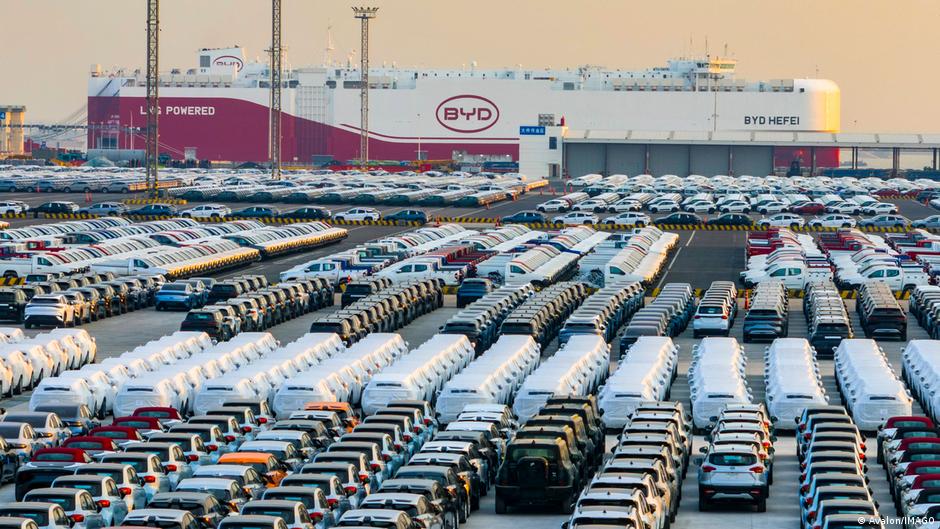
The US launched two trade investigations targeting excess industrial capacity and forced labor imports, potentially leading to new tariffs on major trading partners after the Supreme Court limited Trump's tariff authority.
#tariff-refunds
Intellectual property law
fromFortune
1 month agoTariff refund process could be ready by the spring, customs official says | Fortune
U.S. Customs and Border Protection is developing a streamlined refund system for approximately $166 billion in illegal tariffs paid by over 330,000 importers, expected to be ready within 45 days.
US Elections
fromwww.npr.org
1 month agoNo lawsuits required: U.S. Customs is working on a system to refund tariffs
U.S. Customs is developing a streamlined refund system for unconstitutional tariffs, expecting completion within 45 days, avoiding individual lawsuits for the $166 billion owed to over 330,000 businesses.
US Elections
fromwww.aljazeera.com
1 month agoUS customs agency says it is not yet able to reimburse tariff costs
US Customs and Border Protection requires 45 additional days to establish a system processing $166 billion in tariff refunds for over 330,000 importers following the Supreme Court's ruling that Trump's tariff invocation was illegal.



fromwww.theguardian.com
2 months agoIMF warns tariffs and geopolitical tensions threaten markets and global growth
The International Monetary Fund has warned mounting geopolitical tensions and an escalation of Donald Trump's tariff war could hit global economic growth and trigger a backlash in financial markets. In an update as Trump threatens to impose tariffs on Nato allies opposed to his ambitions in Greenland, the Washington-based fund said a renewed eruption in trade tensions was among the biggest risks to global growth in 2026.
World news



US politics
fromFortune
1 month agoTrump brags that America is 'winning so much.' Without tariffs, "we could have seen more of the good news," IMF director says. | Fortune
The U.S. economy shows strong growth and resilience, but chronic budget deficits and tariff-based trade policies threaten its long-term fiscal health.
fromFortune
1 month agoTrump imposes 10% global tariff in bid to salvage trade plans | Fortune
Trump previously said he was implementing the new baseline duty under Section 122 of the Trade Act of 1974, which grants the president unilateral ability to impose tariffs. But the untested legal provision puts a 150-day limit on how long the duties can remain in place. Congress would need to approve any extension. The Supreme Court, in a 6-3 decision handed down earlier Friday, ruled that Trump's use of a decades-old federal emergency-powers law to impose his so-called "reciprocal" tariffs was unlawful.
US politics
fromFortune
1 month agoHoping for a tariff refund? Trump officials say they are waiting for lower courts to provide instructions. 'They created the situation' | Fortune
That's after Trump attempted to use the International Emergency Economic Powers Act for the first time as a vehicle for imposing tariffs, when he unveiled his "Liberation Day" duties last year. The tariffs were quickly challenged in court. While arguing the case last spring, Justice Department lawyers acknowledged that if the tariffs were deemed unlawful, then the government would issue refunds to the plaintiffs.
US politics
[ Load more ]