#sensitive-periods

[ follow ]
#parenting
Parenting
fromScary Mommy
4 hours ago

If Your Kids Lead Easy Lives, Do You Need To "Manufacture Hardship"?

Parents face a conflict between providing comfort and teaching resilience to their children.

Parenting
fromSilicon Canals
2 days ago

Psychology explains the most important thing a parent can give a child isn't stability or education or opportunity - it's the experience of being genuinely delighted in, the specific and irreplaceable feeling of being someone's favorite thing in the room, and children who had that carry it as a foundation and children who didn't spend their whole lives building one - Silicon Canals

Being genuinely delighted in is a crucial gift parents can give their children, impacting their confidence and future well-being.
Parenting
fromSilicon Canals
3 days ago

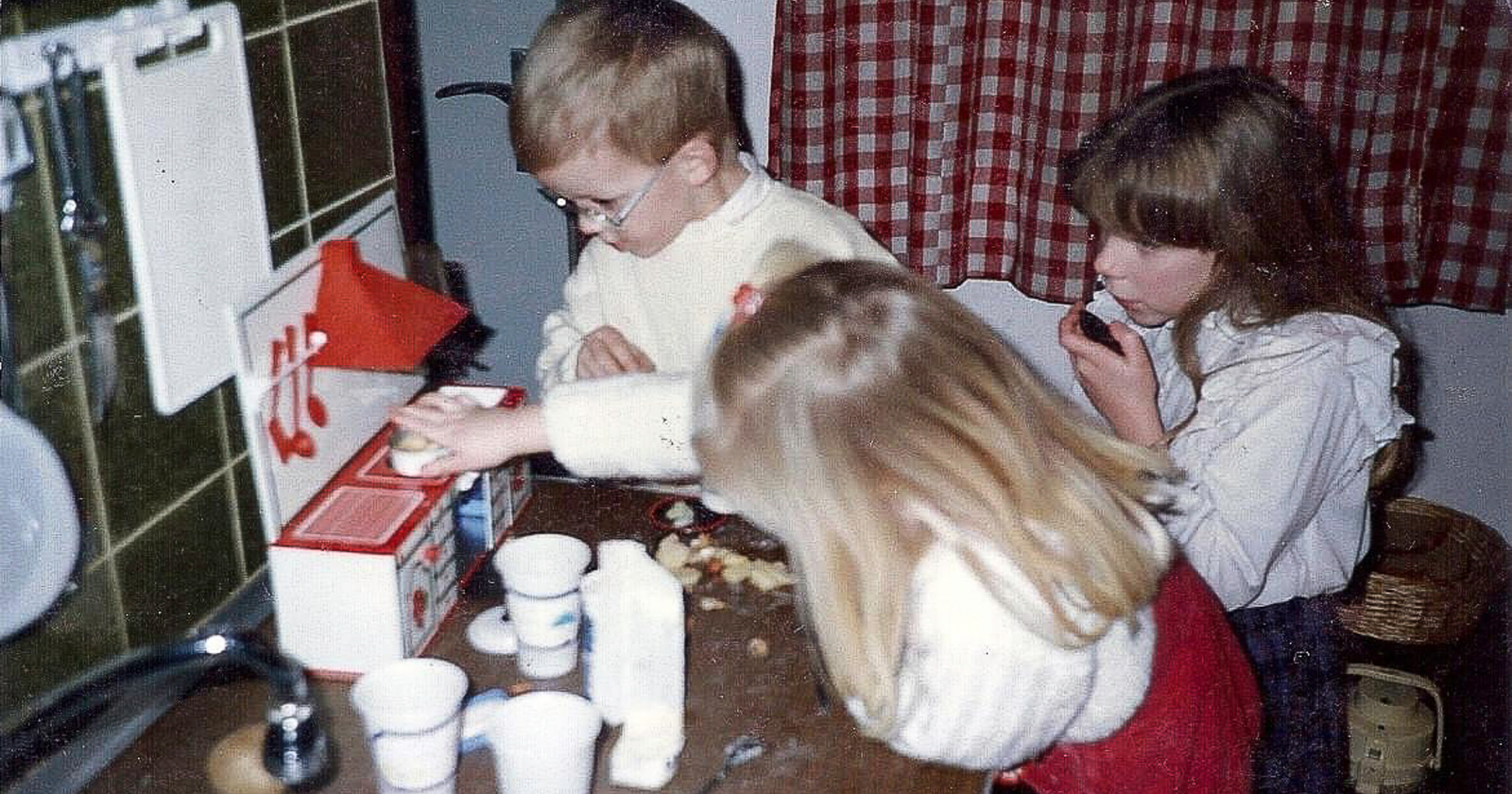
Research suggests the 1960s and 70s produced adults who could self-soothe, entertain themselves, and tolerate boredom - not because their parents were wise but because their parents were simply elsewhere - Silicon Canals

Modern parenting emphasizes structured activities, contrasting sharply with past generations' unstructured play, which may have fostered resilience and independence in children.
Parenting
fromSilicon Canals
5 days ago

Psychology says parents who can't stop helping their adult children aren't being loving - they're unconsciously protecting themselves from the terror of becoming unnecessary - Silicon Canals

Parental overinvolvement may stem from a fear of irrelevance rather than solely from love.
fromSilicon Canals
1 week ago
Parenting

Psychology says the 1960s and 70s accidentally produced one of the most emotionally durable generations in modern history - not through better parenting but through benign neglect that forced children to develop internal regulation instead of waiting for adult intervention - Silicon Canals

Parenting
fromScary Mommy
4 hours ago

If Your Kids Lead Easy Lives, Do You Need To "Manufacture Hardship"?

Parents face a conflict between providing comfort and teaching resilience to their children.
Parenting
fromSilicon Canals
2 days ago

Psychology explains the most important thing a parent can give a child isn't stability or education or opportunity - it's the experience of being genuinely delighted in, the specific and irreplaceable feeling of being someone's favorite thing in the room, and children who had that carry it as a foundation and children who didn't spend their whole lives building one - Silicon Canals

Being genuinely delighted in is a crucial gift parents can give their children, impacting their confidence and future well-being.
Parenting
fromSilicon Canals
3 days ago

Research suggests the 1960s and 70s produced adults who could self-soothe, entertain themselves, and tolerate boredom - not because their parents were wise but because their parents were simply elsewhere - Silicon Canals

Modern parenting emphasizes structured activities, contrasting sharply with past generations' unstructured play, which may have fostered resilience and independence in children.
Parenting
fromSilicon Canals
5 days ago

Psychology says parents who can't stop helping their adult children aren't being loving - they're unconsciously protecting themselves from the terror of becoming unnecessary - Silicon Canals

Parental overinvolvement may stem from a fear of irrelevance rather than solely from love.
Parenting
fromSilicon Canals
1 week ago

Psychology says the 1960s and 70s accidentally produced one of the most emotionally durable generations in modern history - not through better parenting but through benign neglect that forced children to develop internal regulation instead of waiting for adult intervention - Silicon Canals

Children in the 70s thrived on unstructured play and minimal parental intervention, fostering independence and problem-solving skills.
Parenting
fromScary Mommy
6 days ago

If You Need ChatGPT To Tell Your Kids A Bedtime Story, You're Cooked

Using AI for bedtime stories may deprive parents and children of meaningful bonding moments.
Relationships
fromEntrepreneur
7 hours ago

What Kids Understand About Networking That Adults Ignore

Curiosity fosters meaningful connections and opportunities, while adults often hesitate to engage with others.
#brain-development
Science
fromNature
22 hours ago

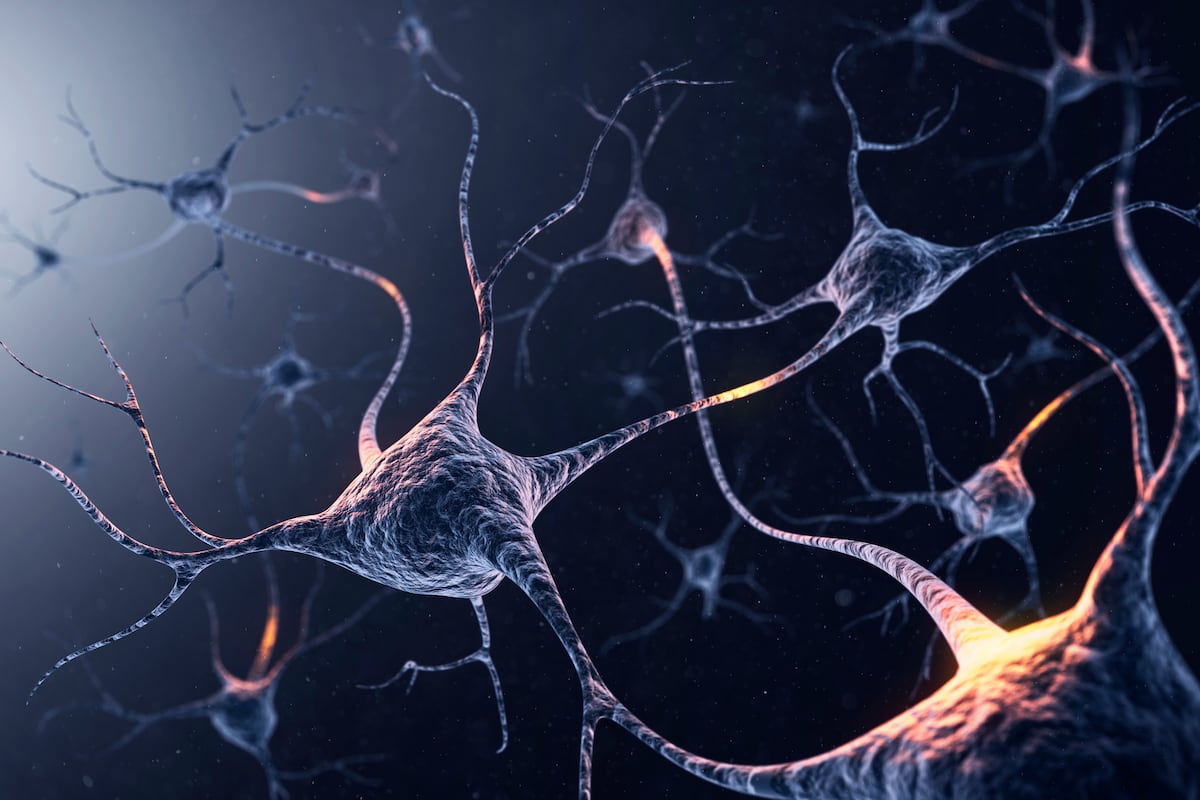
Mini models of the human brain are revealing how this complex organ takes shape

Organoids are revolutionizing brain research by enabling the study of development, neurodevelopmental conditions, and potential treatments for brain diseases.
Mental health
fromPsychology Today
1 month ago

How We Turn Toddler Feelings Into Adult Action

The toddler brain functions as an alarm system for survival needs, while the adult prefrontal cortex transforms urgent emotional alarms into actionable signals through reality-testing.
Science
fromNature
22 hours ago

Mini models of the human brain are revealing how this complex organ takes shape

Organoids are revolutionizing brain research by enabling the study of development, neurodevelopmental conditions, and potential treatments for brain diseases.
Mental health
fromPsychology Today
1 month ago

How We Turn Toddler Feelings Into Adult Action

The toddler brain functions as an alarm system for survival needs, while the adult prefrontal cortex transforms urgent emotional alarms into actionable signals through reality-testing.
#emotional-neglect
Mental health
fromSilicon Canals
1 day ago

Psychology explains people who grew up with very little affection become adults who are deeply uncomfortable being comforted - not because they don't need it but because need, expressed openly, was never safe, and the body that learned that keeps flinching from the very thing it was always asking for - Silicon Canals

Experiencing a lack of affection in childhood can lead to difficulties in accepting comfort and expressing needs in adulthood.
fromSilicon Canals
2 months ago
Mental health

If you rarely received affection growing up, psychology says you likely developed these 8 personality traits - Silicon Canals

Mental health
fromSilicon Canals
1 day ago

Psychology explains people who grew up with very little affection become adults who are deeply uncomfortable being comforted - not because they don't need it but because need, expressed openly, was never safe, and the body that learned that keeps flinching from the very thing it was always asking for - Silicon Canals

Experiencing a lack of affection in childhood can lead to difficulties in accepting comfort and expressing needs in adulthood.
fromSilicon Canals
2 months ago
Mental health

If you rarely received affection growing up, psychology says you likely developed these 8 personality traits - Silicon Canals

Psychology
fromSilicon Canals
10 hours ago

Not everyone who stays silent during an argument is shutting you out. Some of them grew up in houses where raised voices preceded things that couldn't be taken back, and their silence isn't withdrawal. It's the sound of someone trying very hard not to become a person they promised themselves they'd never be. - Silicon Canals

Silence after an argument can signify deeper emotional struggles rather than mere avoidance or rejection.
Education
fromScary Mommy
2 days ago

How Inquiry-Based Preschool Helps Kids Think For Themselves

Preschool is crucial for early brain development and fosters lifelong learning and critical thinking skills through inquiry-based education.
#resilience
fromSilicon Canals
2 days ago
Writing

The children who grew up in the 60s and 70s didn't become the toughest generation because their childhoods were harder - they became the toughest generation because their childhoods were honest, and honest is different from hard because hard can be survived passively but honest requires you to look at what is actually in front of you and deal with it as it is - Silicon Canals

Parenting
fromPsychology Today
3 days ago

Stop Fixing, Start Strengthening: How to Raise Resilient Kids

Teaching children to navigate difficult emotions fosters resilience, confidence, and self-worth.
Writing
fromSilicon Canals
2 days ago

The children who grew up in the 60s and 70s didn't become the toughest generation because their childhoods were harder - they became the toughest generation because their childhoods were honest, and honest is different from hard because hard can be survived passively but honest requires you to look at what is actually in front of you and deal with it as it is - Silicon Canals

Childhood experiences of honesty and reality foster resilience and strength, contrasting with modern tendencies to shield children from uncomfortable truths.
Parenting
fromPsychology Today
3 days ago

Stop Fixing, Start Strengthening: How to Raise Resilient Kids

Teaching children to navigate difficult emotions fosters resilience, confidence, and self-worth.
Parenting
fromPsychology Today
1 week ago

Narrative Play and Resilience in Early Female Development

Myth-inspired dolls enhance children's resilience and identity through imaginative play and storytelling, offering deeper psychological engagement than traditional toys.
#childhood-trauma
Public health
fromPsychology Today
5 days ago

Why Is Eradicating Adverse Childhood Experiences Critical?

Adverse childhood experiences (ACEs) are a leading cause of death and significant economic burden, affecting billions globally.
Mental health
fromSilicon Canals
3 weeks ago

Psychology says people who were constantly criticized as children don't grow up to be tougher adults - they grow up to be adults who flinch before anyone has raised a hand and apologize before anyone has accused them and the hypervigilance that kept them safe at seven is now destroying every relationship they enter at sixty-seven because their body still reads love as a trap with better packaging - Silicon Canals

Childhood trauma and harsh criticism create lasting emotional wounds that rewire how adults perceive safety, relationships, and intimacy, causing the nervous system to misidentify emotional connection as danger.
Public health
fromPsychology Today
5 days ago

Why Is Eradicating Adverse Childhood Experiences Critical?

Adverse childhood experiences (ACEs) are a leading cause of death and significant economic burden, affecting billions globally.
Mental health
fromSilicon Canals
3 weeks ago

Psychology says people who were constantly criticized as children don't grow up to be tougher adults - they grow up to be adults who flinch before anyone has raised a hand and apologize before anyone has accused them and the hypervigilance that kept them safe at seven is now destroying every relationship they enter at sixty-seven because their body still reads love as a trap with better packaging - Silicon Canals

Childhood trauma and harsh criticism create lasting emotional wounds that rewire how adults perceive safety, relationships, and intimacy, causing the nervous system to misidentify emotional connection as danger.
#child-development
Parenting
fromPsychology Today
4 hours ago

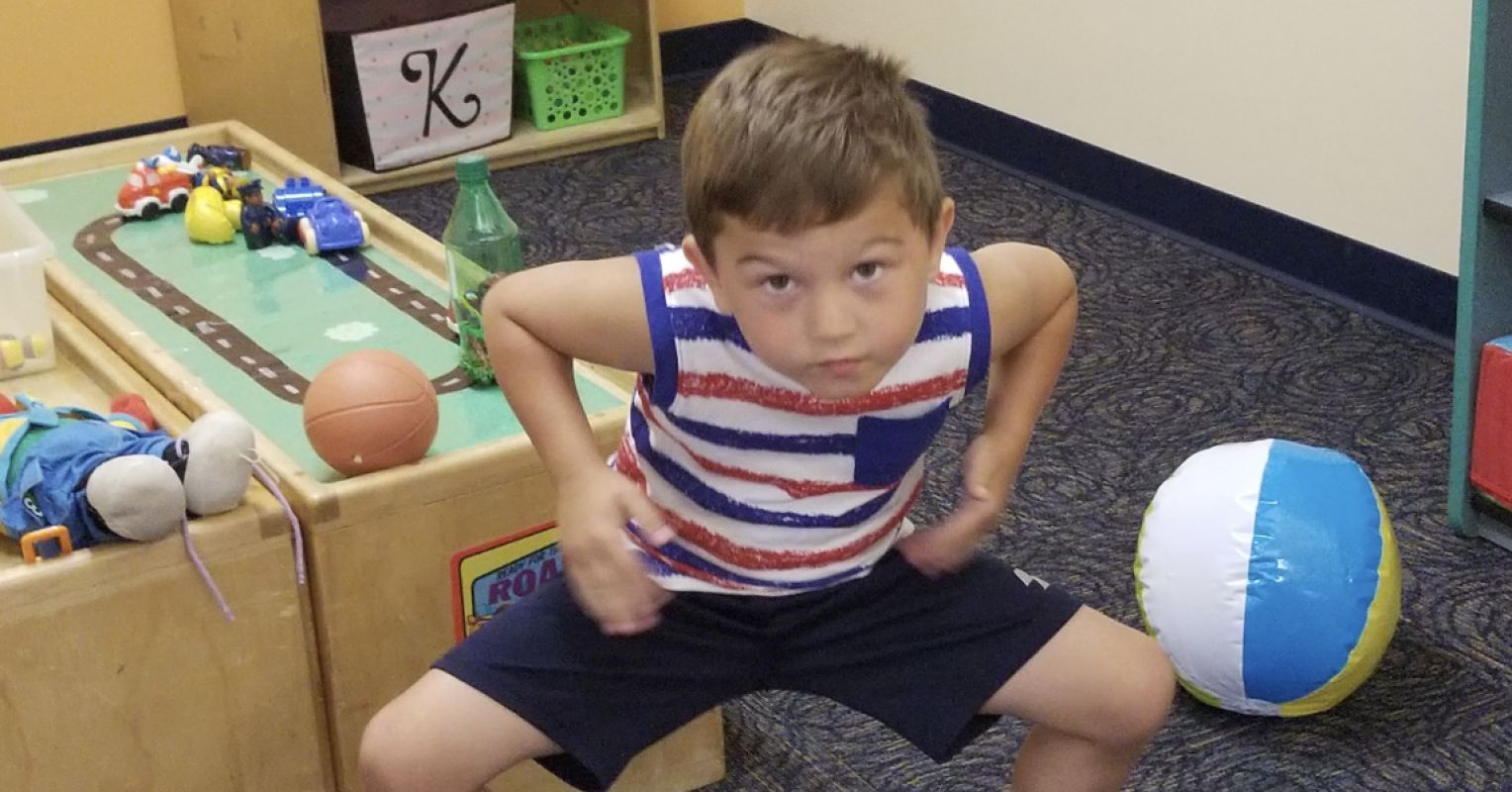
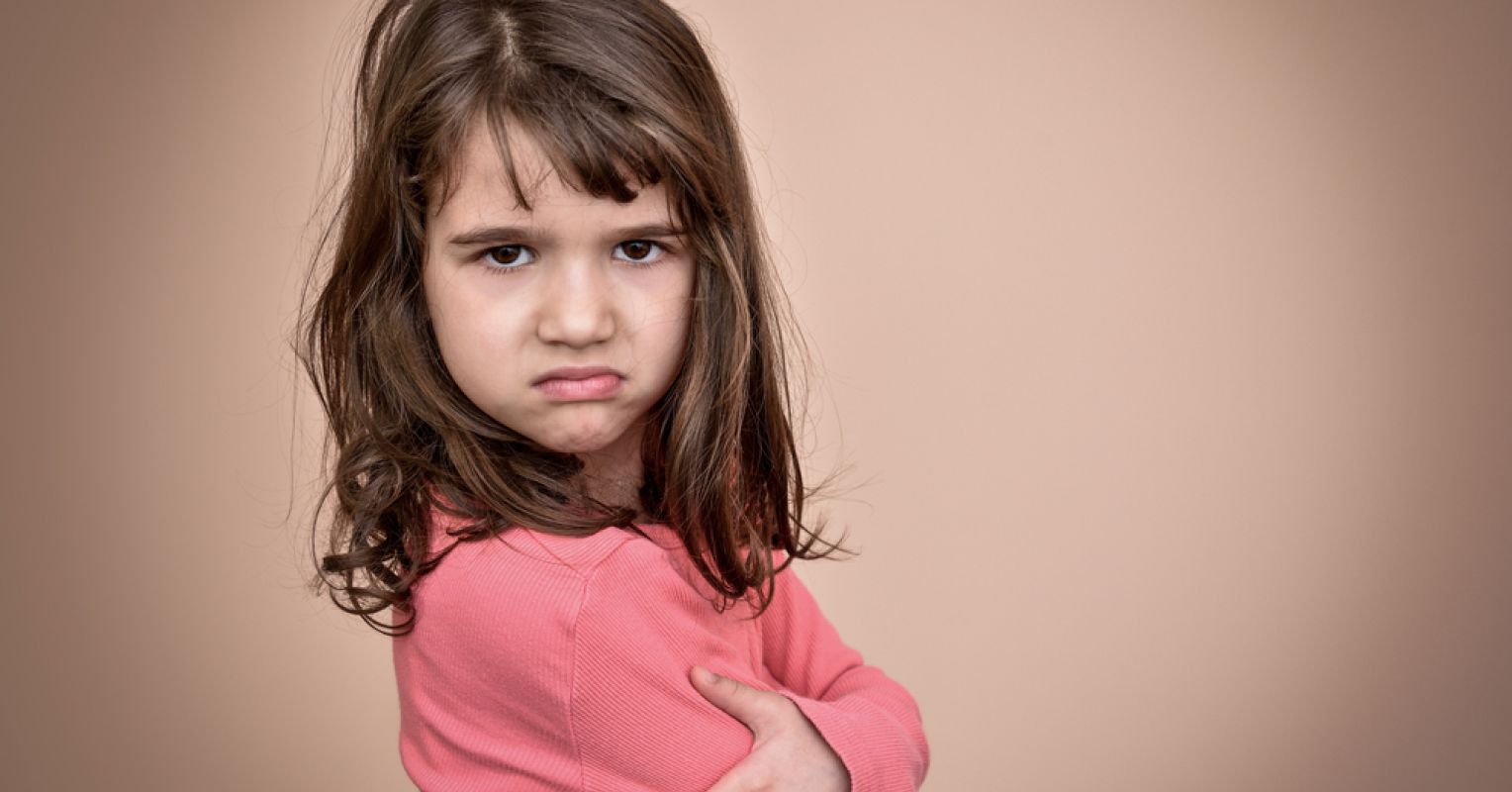
The Surprising Science Behind Childhood Defiance

Noncompliance in children evolves from defiance to simple refusal, indicating a developmental shift in asserting independence.
Parenting
fromScary Mommy
6 days ago

Is Your Kid's Friend A Good Influence? Experts Share 6 Green Flags

Positive friendships build confidence and happiness in children, providing essential support throughout their development.
Psychology
fromSilicon Canals
1 week ago

People who were labeled 'the easy child' often became adults who confuse having no needs with being low maintenance, and the difference between those two things is about thirty years of unasked questions - Silicon Canals

Easy children often grow into adults who suppress their needs, leading to quiet suffering despite appearing content.
Parenting
fromScary Mommy
3 weeks ago

Why Experts Say Boredom Is Actually Good for Kids

Unstructured boredom activates the brain's default mode network, fostering creativity, emotional regulation, and self-reflection essential for child development.
Parenting
fromPsychology Today
4 hours ago

The Surprising Science Behind Childhood Defiance

Noncompliance in children evolves from defiance to simple refusal, indicating a developmental shift in asserting independence.
Parenting
fromScary Mommy
6 days ago

Is Your Kid's Friend A Good Influence? Experts Share 6 Green Flags

Positive friendships build confidence and happiness in children, providing essential support throughout their development.
Psychology
fromSilicon Canals
1 week ago

People who were labeled 'the easy child' often became adults who confuse having no needs with being low maintenance, and the difference between those two things is about thirty years of unasked questions - Silicon Canals

Easy children often grow into adults who suppress their needs, leading to quiet suffering despite appearing content.
Parenting
fromScary Mommy
3 weeks ago

Why Experts Say Boredom Is Actually Good for Kids

Unstructured boredom activates the brain's default mode network, fostering creativity, emotional regulation, and self-reflection essential for child development.
Mental health
fromSilicon Canals
10 hours ago

Psychology says boomers didn't develop resilience because they were stronger than the generations that followed - they developed it because they were raised in a time when the alternative was never presented, and a generation for which stopping was simply not on offer developed a relationship with difficulty that later generations have been trying to replicate but have not yet managed - Silicon Canals

Resilience in boomers stemmed from necessity, not inherent strength; they faced discomfort and hardship as a norm, shaping their character.
Relationships
fromPsychology Today
1 day ago

The Psychology of Falling in Love in 240 Hours

Cultural pressures and accelerated intimacy contribute to rapid commitments in relationships, as seen in the show 'Love Is Blind'.
Psychology
fromPsychology Today
1 day ago

Talking to Toddlers and Talking to Terrorists

Negotiation techniques for complex situations mirror those used with young children, revealing fundamental insights about human behavior and communication.
Mental health
fromPsychology Today
2 days ago

The Quiet Pain of Growing Up With a Workaholic Parent

Growing up with a workaholic parent can lead to emotional struggles in adulthood, including intimacy issues and internalized distress.
#communication
Psychology
fromSilicon Canals
1 day ago

Psychology says the moment a person stops needing to be right in every conversation is not the moment they become less intelligent - it is the moment they become more interested in the other person than in their own position, and that shift, whenever it arrives and for whatever reason, is the single most reliable predictor of whether the relationships they build from that point forward will be the kind that last - Silicon Canals

Building lasting connections relies on listening deeply and understanding rather than winning arguments.
Psychology
fromSilicon Canals
3 days ago

Psychology says people who reply to messages within seconds aren't just efficient - they've built their sense of safety around being reachable, because somewhere in their past, being slow to respond had consequences - Silicon Canals

Instant responses to messages often stem from a psychological need to mitigate perceived threats rather than mere efficiency.
Psychology
fromSilicon Canals
1 day ago

Psychology says the moment a person stops needing to be right in every conversation is not the moment they become less intelligent - it is the moment they become more interested in the other person than in their own position, and that shift, whenever it arrives and for whatever reason, is the single most reliable predictor of whether the relationships they build from that point forward will be the kind that last - Silicon Canals

Building lasting connections relies on listening deeply and understanding rather than winning arguments.
Psychology
fromSilicon Canals
3 days ago

Psychology says people who reply to messages within seconds aren't just efficient - they've built their sense of safety around being reachable, because somewhere in their past, being slow to respond had consequences - Silicon Canals

Instant responses to messages often stem from a psychological need to mitigate perceived threats rather than mere efficiency.
Writing
fromFast Company
6 days ago

The unexpected childhood activity that predicted my career path

A childhood fascination with weddings evolved into a career in wedding planning, driven by a desire to streamline chaotic logistics.
#emotional-unavailability
Relationships
fromSilicon Canals
6 days ago

Most people don't realize that children who grow up without affection don't struggle with love as adults. They struggle with trusting it, because it never felt safe to depend on - Silicon Canals

Emotional unavailability stems from a lack of early affection, leading to difficulties in accepting love despite an inherent capacity for it.
Parenting
fromSilicon Canals
4 weeks ago

Psychology says parents who provided everything materially and nothing emotionally aren't cold - they were loved the same way and genuinely had no idea there was another option - Silicon Canals

Emotionally unavailable parents often substitute material provision and gifts for emotional presence, translating affection into the only language they fluently speak.
Relationships
fromSilicon Canals
6 days ago

Most people don't realize that children who grow up without affection don't struggle with love as adults. They struggle with trusting it, because it never felt safe to depend on - Silicon Canals

Emotional unavailability stems from a lack of early affection, leading to difficulties in accepting love despite an inherent capacity for it.
Parenting
fromSilicon Canals
4 weeks ago

Psychology says parents who provided everything materially and nothing emotionally aren't cold - they were loved the same way and genuinely had no idea there was another option - Silicon Canals

Emotionally unavailable parents often substitute material provision and gifts for emotional presence, translating affection into the only language they fluently speak.
Parenting
fromScary Mommy
1 day ago

What To Say When Someone Comments On Your Parenting, According To Experts

Responding to unsolicited parenting advice requires understanding the intent behind the comment.
#trauma
Psychology
fromSilicon Canals
1 day ago

Psychology says the adults who seem the most indifferent aren't cynics - they've simply been disappointed so many times that their nervous system reclassified hope as a threat - Silicon Canals

Indifference may stem from a nervous system response to past trauma, where hope becomes associated with pain and disappointment.
Psychology
fromSilicon Canals
2 days ago

Psychology suggests the most reliable sign that someone had a difficult childhood isn't what they tell you about it - it's how startled they look when you are simply kind to them without a reason, as though kindness without a transaction attached is something the body recognizes as unusual before the mind has finished deciding what to do with it - Silicon Canals

Kindness can trigger confusion in those with a history of trauma due to learned survival responses from past experiences.
Psychology
fromSilicon Canals
2 weeks ago

9 signs your brain is wired for pattern recognition in a way most people never develop, and it almost always traces back to how unpredictable your childhood environment was - Silicon Canals

Heightened pattern recognition often stems from childhood adversity, not genetic gifts, as the brain adapts to unstable environments for survival.
Psychology
fromSilicon Canals
1 day ago

Psychology says the adults who seem the most indifferent aren't cynics - they've simply been disappointed so many times that their nervous system reclassified hope as a threat - Silicon Canals

Indifference may stem from a nervous system response to past trauma, where hope becomes associated with pain and disappointment.
Psychology
fromSilicon Canals
2 days ago

Psychology suggests the most reliable sign that someone had a difficult childhood isn't what they tell you about it - it's how startled they look when you are simply kind to them without a reason, as though kindness without a transaction attached is something the body recognizes as unusual before the mind has finished deciding what to do with it - Silicon Canals

Kindness can trigger confusion in those with a history of trauma due to learned survival responses from past experiences.
Psychology
fromSilicon Canals
2 weeks ago

9 signs your brain is wired for pattern recognition in a way most people never develop, and it almost always traces back to how unpredictable your childhood environment was - Silicon Canals

Heightened pattern recognition often stems from childhood adversity, not genetic gifts, as the brain adapts to unstable environments for survival.
Mental health
fromPsychology Today
1 day ago

New Study Finds That ADHD Has 9 Categories of Symptoms

ADHD symptoms encompass nine categories, with some not fully represented in diagnostic criteria, suggesting broader criteria could enhance interventions.
Philosophy
fromApaonline
1 week ago

Let Kids Be Kids? The Ethics of Maximizing Children's Talents

Children are increasingly pushed to maximize their athletic talent from a very young age, often at the expense of social and academic development.
#emotional-parentification
Parenting
fromSilicon Canals
16 hours ago

People who grew up being the one their parents confided in didn't become mature faster. They became adults who can't tell the difference between being trusted and being used, because the two things arrived in the same conversation and nobody told them those were different experiences. - Silicon Canals

Emotional parentification involves children taking on adult roles, leading to hypervigilance rather than true emotional maturity.
Psychology
fromSilicon Canals
4 weeks ago

Research suggests that children who grew up as the emotional translator between two parents often become adults who can read a room instantly but have almost no idea what they themselves are actually feeling - Silicon Canals

Children who become emotional caretakers for parents develop heightened ability to read others' emotions but often lose touch with their own feelings, creating a lasting pattern of external awareness paired with internal disconnection.
Parenting
fromSilicon Canals
16 hours ago

People who grew up being the one their parents confided in didn't become mature faster. They became adults who can't tell the difference between being trusted and being used, because the two things arrived in the same conversation and nobody told them those were different experiences. - Silicon Canals

Emotional parentification involves children taking on adult roles, leading to hypervigilance rather than true emotional maturity.
Psychology
fromSilicon Canals
4 weeks ago

Research suggests that children who grew up as the emotional translator between two parents often become adults who can read a room instantly but have almost no idea what they themselves are actually feeling - Silicon Canals

Children who become emotional caretakers for parents develop heightened ability to read others' emotions but often lose touch with their own feelings, creating a lasting pattern of external awareness paired with internal disconnection.
Psychology
fromSilicon Canals
2 days ago

Psychology suggests people who were never taken seriously as children grow into adults who either compulsively over-explain or go completely silent - and both responses are the same wound wearing different clothes - Silicon Canals

Over-explaining often stems from trauma and anxiety, leading to chronic justification of one's presence in conversations.
Education
fromSilicon Canals
2 weeks ago

I asked a group of people in their 70s what they'd un-learn if they could and every single one named something they were taught before age 10 - not a fact, not a skill, a belief about themselves that was installed by a specific person in a specific room, and the fact that it's still running 60 years later without their permission is the thing that made half the room go quiet - Silicon Canals

Beliefs installed in childhood by authority figures persist into adulthood, shaping decisions and self-perception for decades without conscious awareness or permission.
Psychology
fromPsychology Today
1 day ago

Why Highly Sensitive People Feel Compelled to Manage Others' Feelings

Highly sensitive people often absorb others' emotions, leading to rescuing behaviors that can hinder personal growth and resilience.
#parenting-styles
Parenting
fromPsychology Today
1 day ago

How to Not Mess Up Your Kid

Authoritative parenting, combining warmth and structure, leads to the best outcomes for children, while extremes in control can cause behavior problems.
Parenting
fromSilicon Canals
2 weeks ago

Research says the 1960s and 70s accidentally produced one of the most emotionally durable generations in modern history - not through better parenting but through benign neglect that forced children to self-regulate, problem-solve, and develop emotional calluses that modern comfort has made nearly impossible to grow - Silicon Canals

Reduced independent activity and increased parental supervision since the 1960s correlates with rising youth mental health problems including anxiety, depression, and suicide rates.
Parenting
fromPsychology Today
1 day ago

How to Not Mess Up Your Kid

Authoritative parenting, combining warmth and structure, leads to the best outcomes for children, while extremes in control can cause behavior problems.
Parenting
fromSilicon Canals
2 weeks ago

Research says the 1960s and 70s accidentally produced one of the most emotionally durable generations in modern history - not through better parenting but through benign neglect that forced children to self-regulate, problem-solve, and develop emotional calluses that modern comfort has made nearly impossible to grow - Silicon Canals

Reduced independent activity and increased parental supervision since the 1960s correlates with rising youth mental health problems including anxiety, depression, and suicide rates.
Mental health
fromSilicon Canals
3 days ago

Psychology says people who were told they were gifted as children often grow into adults who avoid challenges - because their identity was built on being naturally good, not on getting better - Silicon Canals

Labeling children as 'gifted' can hinder their growth by tying their self-worth to innate talent rather than effort and improvement.
Parenting
fromPsychology Today
2 days ago

A Parent's Guide to Child-Centered Play Therapy

Child-Centered Play Therapy (CCPT) relies on the child-therapist relationship to facilitate therapeutic change through child-led play.
Psychology
fromSilicon Canals
2 days ago

A clinical psychologist explains that the need to 'earn' your place in every room you enter isn't humility. It's the residue of a childhood where love had prerequisites, and you internalized the application process as permanent. - Silicon Canals

Humility can mask a dangerous need for validation rooted in childhood experiences, leading to exhaustion rather than true ambition.
#childhood
Parenting
fromSilicon Canals
2 days ago

Psychology suggests people who grew up in the 1960s and 1970s developed their emotional durability the way bone develops density - not through protection from impact but through repeated, low-level, unsupervised exposure to it, and the generation that resulted is not tougher because they were stronger to begin with, they are tougher because the childhood kept asking something of them and they kept answering - Silicon Canals

Generational differences in childhood experiences highlight resilience built through independence and manageable challenges without adult intervention.
Parenting
fromSilicon Canals
5 days ago

Children raised in the 1960s and 70s developed their resilience the same way muscle develops under resistance - not by being protected from the load but by being required to carry it, repeatedly, without assistance, until the carrying became the unremarkable default rather than the exceptional achievement - Silicon Canals

Independence and resilience were fostered in children of the '60s and '70s through unstructured play and learning from failure.
Parenting
fromSilicon Canals
2 days ago

Psychology suggests people who grew up in the 1960s and 1970s developed their emotional durability the way bone develops density - not through protection from impact but through repeated, low-level, unsupervised exposure to it, and the generation that resulted is not tougher because they were stronger to begin with, they are tougher because the childhood kept asking something of them and they kept answering - Silicon Canals

Generational differences in childhood experiences highlight resilience built through independence and manageable challenges without adult intervention.
Parenting
fromSilicon Canals
5 days ago

Children raised in the 1960s and 70s developed their resilience the same way muscle develops under resistance - not by being protected from the load but by being required to carry it, repeatedly, without assistance, until the carrying became the unremarkable default rather than the exceptional achievement - Silicon Canals

Independence and resilience were fostered in children of the '60s and '70s through unstructured play and learning from failure.
fromMail Online
1 month ago

'Baby brain' is no joke - it does exist, study finds

Expectant mothers lost an average of nearly five per cent of their grey matter, the tissue responsible for processing emotions, information, and empathy. This loss isn't a sign of decline as Lead researcher Professor Susana Carmona of the Gregorio Marañón Health Research Institute likened it to pruning a tree. 'Some branches are cut to make it grow more efficiently,' she explained.
Medicine
Psychology
fromSilicon Canals
3 days ago

Nobody teaches children how to know their own worth - we teach them to perform, to achieve, and to behave, and then wonder why so many adults reach fifty still measuring themselves against someone else's ruler - Silicon Canals

Self-worth is inherent and not based on achievements or external validation.
Psychology
fromSilicon Canals
4 days ago

Psychology suggests people who adopt their parents' bad traits as they get older aren't becoming their parents - they're reverting to the most deeply installed operating system they have, the one that was running before they were old enough to choose a different one, and stress, age, and the slow erosion of self-monitoring are simply the conditions under which it boots back up - Silicon Canals

Behavioral patterns from childhood can resurface under stress, revealing deep-rooted psychological templates formed from early experiences.
Parenting
fromPsychology Today
5 days ago

Two Signs You're Raising a Hyper-Sensitive Child

Parenting requires understanding and support for emotionally sensitive children who may react more intensely to situations than their peers.
Miscellaneous
fromPsychology Today
1 month ago

Your Child Isn't Lazy-They're Overthinking

Overthinking in capable children stems from perfectionist worries, not defiance, causing them to lose confidence in their abilities despite being bright and conscientious.
Psychology
fromSilicon Canals
3 days ago

People who clean before the cleaner arrives, apologize when someone bumps into them, and pre-explain before anyone has asked for a justification all grew up in homes where taking up space without earning it first was treated as an act of aggression. - Silicon Canals

Cleaning before the cleaner reflects a deeper issue of feeling unworthy of help without prior justification.
Parenting
fromFast Company
5 days ago

Parents: A valuable source of AI intelligence

AI-assisted parenting tools are being developed by parents who understand the real challenges of childcare.
Psychology
fromSilicon Canals
4 days ago

Psychology says people who feel like they've been living someone else's life aren't confused or ungrateful - they're often the ones who were so good at adapting in childhood that they never stopped adapting long enough to find out who they actually were - Silicon Canals

Adapting to others' needs in childhood can lead to feeling disconnected and lost in adulthood.
Psychology
fromSilicon Canals
4 days ago

Children who were praised for being smart rather than for working hard often become adults who avoid challenges - not from laziness but from a deep fear of being found ordinary - Silicon Canals

Praising children for being 'smart' can hinder their growth mindset and willingness to take risks.
Psychology
fromSilicon Canals
4 days ago

Psychology says people who grew up poor and became successful often can't fully enjoy it - not because they're ungrateful, but because some part of them never stopped waiting for it to disappear - Silicon Canals

Successful individuals often struggle with feelings of scarcity and anxiety about their financial stability, despite their achievements.
Psychology
fromSilicon Canals
5 days ago

People who were labeled 'too sensitive' often became adults who read rooms before anyone speaks, and the difference between those two things is about 20 years of misunderstanding - Silicon Canals

Sensitivity can evolve from a perceived weakness into a valuable skill for understanding emotional dynamics in various situations.
Psychology
fromSilicon Canals
5 days ago

Psychology says people who apologize constantly without realizing it are more damaged than they appear - because they internalize blame and absorb conflict, a survival response from childhood, which never switches off even when they're safe - Silicon Canals

Excessive apologizing often stems from childhood experiences of mistreatment and can lead to chronic self-blame in adulthood.
Music
fromPsychology Today
2 months ago

Seeing Ourselves Through Younger Eyes

Feeling younger than one’s chronological age, often triggered by music and dancing, associates with better mental health and predicts improved future physical health.
Psychology
fromPsychology Today
1 week ago

How to Think About the Brain

The brain operates through localization, with specific areas dedicated to distinct tasks, despite outdated and simplistic representations of its function.
Parenting
fromSilicon Canals
2 weeks ago

7 signs you were the emotional translator between your parents as a child and it permanently changed the way your brain processes your own feelings as an adult - Silicon Canals

Parentification leads children to assume adult caregiving roles, impacting their emotional processing and self-awareness into adulthood.
Parenting
fromSilicon Canals
2 weeks ago

7 behavioral patterns people display when they were raised by a parent who loved them deeply but had no idea how to express it without criticism - Silicon Canals

Critical parents can love deeply yet struggle to express it without criticism, leading to complex emotional patterns in their children.
#child-behavior
Mental health
fromPsychology Today
1 month ago

Understanding Childhood Dysregulation Profile

Childhood Dysregulation Profile describes a pattern of co-occurring mood, attention, and behavioral difficulties that signals risk for later mental health challenges, with early support improving long-term outcomes.
Education
fromSilicon Canals
2 months ago

Teachers can tell which children are truly loved and which are only taken care of-here are 7 signs they notice right away - Silicon Canals

Teachers can quickly detect whether children feel genuinely loved at home through subtle, consistent behavioral cues rather than material signs.
Psychology
fromSilicon Canals
3 weeks ago

Psychology says people who remember the exact location of every item in their childhood home - which drawer, which shelf, which cupboard - aren't sentimental, their brain mapped that house the way a body maps a minefield, and the precision that looks like nostalgia is actually surveillance that never turned off - Silicon Canals

Detailed childhood home memories reflect survival-based hypervigilance rather than nostalgia, with brains mapping familiar spaces like tactical terrain to navigate unpredictable or chaotic environments.
Parenting
fromPsychology Today
3 weeks ago

Loving Your Child and Grieving Your Genetics are Separate

Grief over genetic loss and love for a donor-conceived child are separate emotions that can coexist without affecting parental bonding.
Parenting
fromPsychology Today
4 weeks ago

There's No Such Thing as a Child Expert

No true parenting or child experts exist because children are unique, fallible, and inconsistent individuals; expertise in parenting strategies does not equate to understanding your specific child better than you do.
Psychology
fromPsychology Today
1 month ago

A Family Science Approach to Parenting

Modern parenting culture emphasizes achievement and comparison, creating emotional communication challenges that stem from broader social patterns of productivity and performance expectations.
Parenting
fromSilicon Canals
4 weeks ago

Psychology says older parents who complain that their kids are too sensitive are usually describing children who finally felt safe enough to feel things their parents never allowed themselves to feel - Silicon Canals

Emotional expression and vulnerability in younger generations represent strength and self-awareness, not weakness, contrasting with older generations' suppressed emotional cultures.
fromFast Company
1 month ago

Raise the kids you have

You need to raise the children you have-not the ones you would have liked to have. This statement captures the essence of effective parenting: accepting your children's inherent nature rather than imposing your idealized vision upon them.
Parenting
Parenting
fromPsychology Today
1 month ago

Compassionate Goals and Parenting

Compassionate parenting goals focused on children's wellbeing produce better outcomes for both parent wellness and child behavior than self-image goals focused on appearing perfect.
Psychology
fromPsychology Today
2 months ago

Why You Remember What You Remember From Childhood

Early childhood memories persist when novel, emotional, repeated, or cued; recovering unconscious early choices allows making new decisions that improve enjoyment of life.
fromPsychology Today
1 month ago

Childhood Origins of Altered States in Adults

Systematic developmental and neuro-phenomenological research is needed to understand childhood consciousness. Anyone who has spent time with young children knows they have a way of saying things that make you pause and reconsider what you thought you understood. Many report non-ordinary experiences-moments of "just knowing," feeling outside their bodies, or sensing a deep unity with the world around them. These accounts suggest a form of consciousness that is relational, pre-linguistic, and not yet organized around a solid, separate self.
Psychology
fromPsychology Today
1 month ago

Listen to Your Mother: What Children Learn by Eavesdropping

What makes me even crazier is that I know they can listen. I know this because they do all the time, mostly when they aren't supposed to. I can't tell you how many times I've been having an adult conversation with my husband and/or friends and my two children-who haven't listened to a word I've said all day-suddenly have very thoughtful and detailed questions
Parenting
fromPsychology Today
2 months ago

The Brain Pattern Behind Your Child's Endless Worry

If you are like many parents who reach out to me, having an overthinking child can really be challenging. They are overthinking school, their peers' perceptions of them, and many things that have not yet occurred. Just the other day, James (fictitious name), age 11, ensnared in overthinking, shared with me, "My brain just doesn't let me be happy. I know bad things have not even happened yet, but I keep thinking they will."
Parenting
[ Load more ]