#spartan-living
#spartan-living
[ follow ]
#mental-health #exercise #psychology #mindfulness #personal-growth #productivity #resilience #motivation
#self-discipline
Psychology
fromSilicon Canals
1 week agoThe cruelest myth about self-discipline is that you have to feel ready - you don't, you never will, and the people who figured that out earlier simply have more years of evidence that the feeling eventually follows the action - Silicon Canals
Self-discipline begins with action, not feelings of readiness or motivation.
Psychology
fromSilicon Canals
20 hours agoPsychology suggests people who follow through on small promises to themselves aren't just building habits - they're constructing the internal evidence that they can be trusted, which is the actual foundation of lasting self-discipline - Silicon Canals
Self-discipline is shaped by accumulated evidence of personal commitments rather than mere willpower.
Psychology
fromSilicon Canals
1 week agoThe cruelest myth about self-discipline is that you have to feel ready - you don't, you never will, and the people who figured that out earlier simply have more years of evidence that the feeling eventually follows the action - Silicon Canals
Self-discipline begins with action, not feelings of readiness or motivation.
Mental health
fromSilicon Canals
2 days agoPsychology says the reason so many people crash emotionally in their early 60s isn't retirement or aging - it's the first time in decades they've had enough silence to hear their own thoughts and they don't recognize the person thinking them - Silicon Canals
Highly functional individuals often face delayed emotional collapse in their sixties due to decades of avoidance and relentless life pressures.
#mindfulness

Mindfulness
fromSilicon Canals
6 days agoI'm 66 and the most important thing I have done for myself in the last decade is learn to sit in a room alone without immediately filling it with something - without the television, the phone, the task - just the room and the light and whatever arrives in the quiet, and what arrives, it turns out, is mostly myself, and mostly myself is more than enough company - Silicon Canals
Learning to sit in silence and embrace stillness can be transformative and essential for personal growth.
Mindfulness
fromSilicon Canals
6 days agoI'm 66 and the most important thing I have done for myself in the last decade is learn to sit in a room alone without immediately filling it with something - without the television, the phone, the task - just the room and the light and whatever arrives in the quiet, and what arrives, it turns out, is mostly myself, and mostly myself is more than enough company - Silicon Canals
Learning to sit in silence and embrace stillness can be transformative and essential for personal growth.
Mindfulness
fromSilicon Canals
4 days agoI turned 34 before I finally understood: no one is on their way to rescue you, no one is tallying your effort, and life doesn't wait for you to feel ready - it just keeps moving without you - Silicon Canals
Success is not guaranteed by effort alone; waiting for recognition can lead to disappointment.
Psychology
fromSilicon Canals
4 days agoPsychology says the people with the most genuine discipline in their lives don't look anything like the productivity culture tells you to look - they're not waking at 5am or tracking every minute, they've built a quieter kind of discipline that most people miss because it doesn't perform itself - Silicon Canals
Discipline is often misrepresented; true discipline is quieter and more effective than the rigid routines promoted by productivity culture.
Mental health
fromSilicon Canals
1 week agoI'm 66 and I just realized that the things I used to call my personality - punctual, tidy, self-sufficient, never dramatic - were survival strategies I developed before I was ten and kept running long after they stopped being necessary - Silicon Canals
Coping mechanisms developed in childhood can become mistaken for core personality traits, impacting adult behavior and identity.
Psychology
fromSilicon Canals
6 days agoPsychology says people who genuinely prefer being alone aren't antisocial or damaged - they've simply discovered that their own inner world is more honest, more interesting, and less exhausting than most rooms full of people, and that realization doesn't make them lonely, it makes them selective - Silicon Canals
People who prefer solitude are motivated by internal rewards and find fulfillment in solitary activities rather than social interactions.
Psychology
fromSilicon Canals
6 days agoPsychology says people who grew up in the 1960s and 70s don't handle hardship better than everyone else because they are stronger - they handle it better because they were never offered the alternative, and a person who was never offered the alternative develops a relationship with difficulty that people who were offered it spend their whole lives trying to build in a gym - Silicon Canals
Struggling is a norm for my generation because we never knew life could be comfortable.
#aging
fromSilicon Canals
4 weeks agoHealth
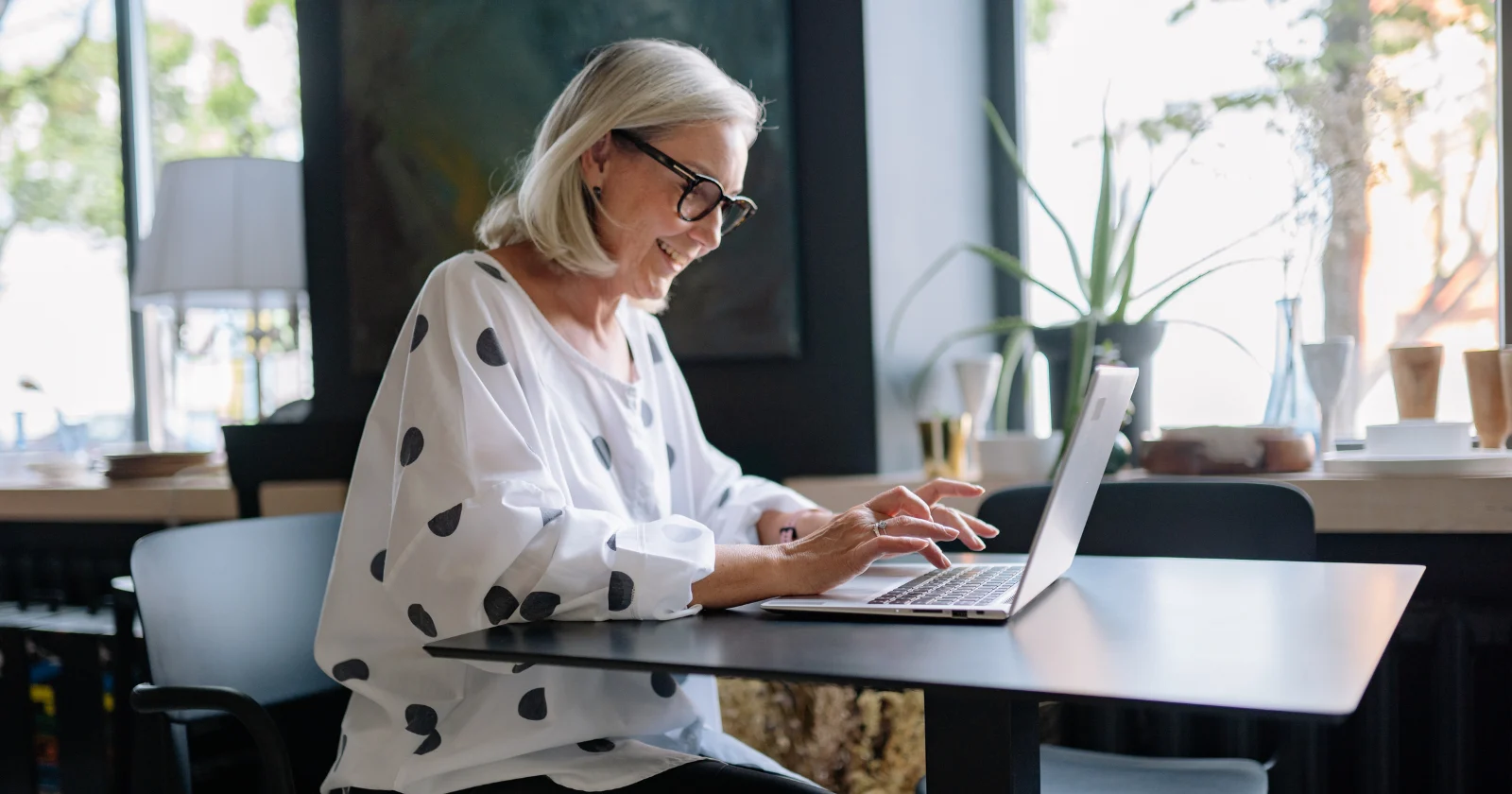
People who still look young in their 60s and 70s aren't fighting aging - they stopped doing the things that accelerate it, and the difference between those two approaches is the difference between swimming against a current and simply getting out of the water - Silicon Canals

Health
fromSilicon Canals
4 weeks agoPeople who still look young in their 60s and 70s aren't fighting aging - they stopped doing the things that accelerate it, and the difference between those two approaches is the difference between swimming against a current and simply getting out of the water - Silicon Canals
The biggest factor in aging is what we stop doing to ourselves, rather than what we add to our lives.
Mindfulness
fromSilicon Canals
1 month agoIf you're over 60 and still maintain these 8 daily disciplines without struggle, your willpower is aging remarkably well - Silicon Canals
Maintaining daily disciplines in older age indicates strong executive function and self-regulation, which are crucial for psychological and physical health.
Mindfulness
fromSilicon Canals
2 weeks agoThe difference between people who actually change their lives and people who just talk about it almost always comes down to what they do in the first 90 seconds after waking up - Silicon Canals
The first 90 seconds after waking significantly influence the rest of the day, often leading to reactive behavior if not managed properly.
Mindfulness
fromSilicon Canals
3 weeks agoPeople who clean as they cook instead of leaving everything for the end usually display these 8 traits that have nothing to do with cooking and everything to do with how they move through life - Silicon Canals
Cleaning while cooking reflects a proactive mindset that extends beyond the kitchen into various aspects of life.
#solitude-and-mental-health
Digital life
fromSilicon Canals
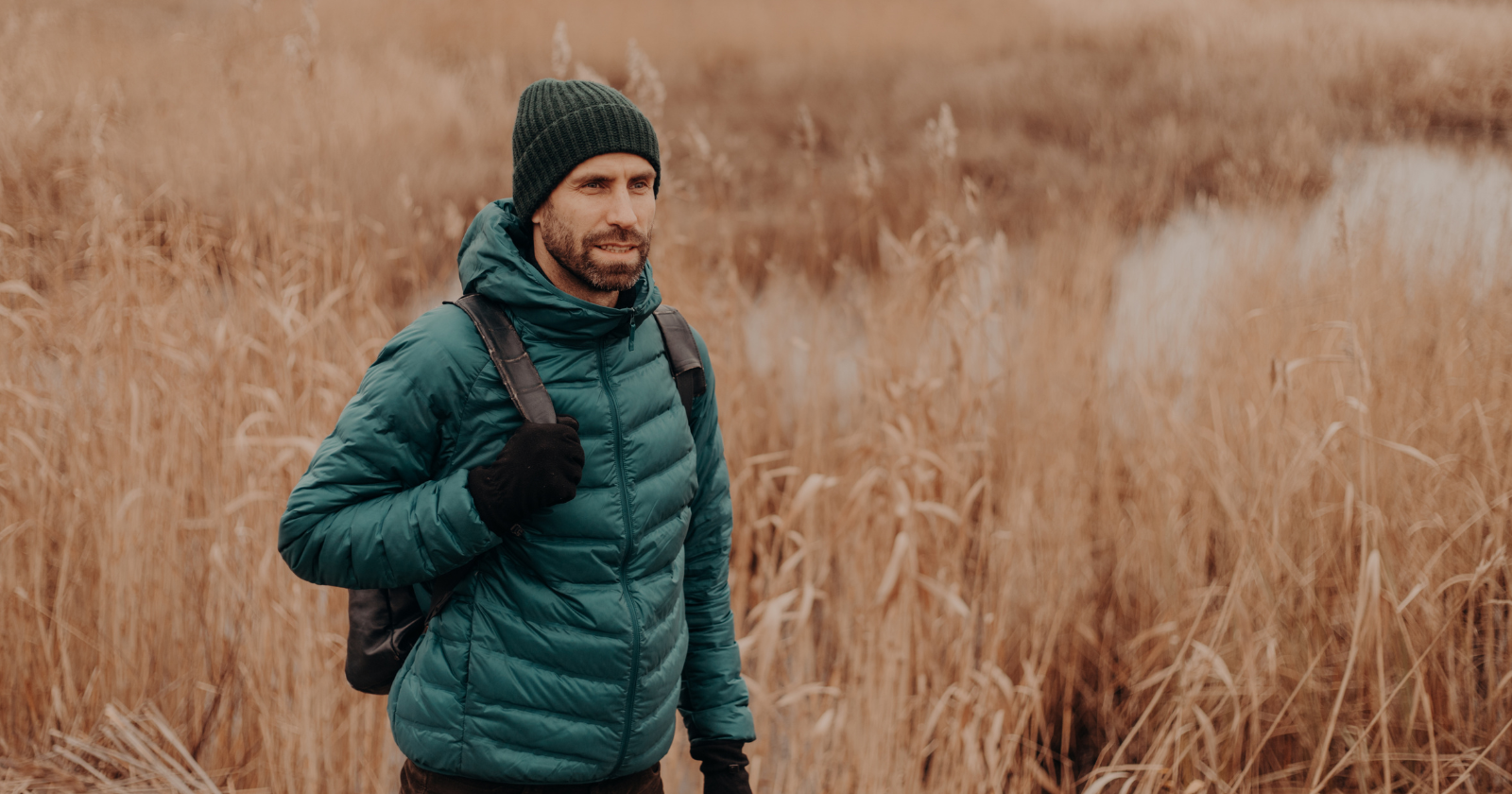
1 month agoI once told someone I couldn't come to their event because I had plans and the plans were sitting in silence in my own home for four hours - and that was the first time I understood that solitude wasn't something I chose when nothing better was available, it was something I chose over almost everything - Silicon Canals
Intentional solitude and silence provide greater value for creativity and well-being than constant social obligations and information consumption.
Digital life
fromSilicon Canals
1 month agoI once told someone I couldn't come to their event because I had plans and the plans were sitting in silence in my own home for four hours - and that was the first time I understood that solitude wasn't something I chose when nothing better was available, it was something I chose over almost everything - Silicon Canals
Intentional solitude and silence provide greater value for creativity and well-being than constant social obligations and information consumption.


fromwww.bbc.com
2 months agoWhy doing a mix of exercise could be the key to longer life
Don't put all your eggs in one basket when it comes to exercise - doing a variety of different physical activities every week is the key to boosting your health and living longer, a study suggests. After tracking the weekly exercise habits of 110,000 men and women in the US for 30 years, researchers found active people who did the greatest variety of exercise were 19% less likely to die during that time than those who focused on one activity. That effect was greater than for individual sports like walking, tennis, rowing and jogging. The total amount of exercise you do is still key, experts say, but doing a range of activities you enjoy can bring lots of benefits.
Public health
National Hockey League
fromArchitectural Digest
2 months agoA College Apartment, One Vermont Ranch, and a Childhood Bedroom: How 7 Winter Olympians Live When They're Not Competing
Many Winter Olympians live in multifunctional homes that serve as locker rooms, recovery zones, and training bases, often sharing housing with teammates or family.
fromBustle
1 month agoMindfulness
Why Slow Living Is Gaining Ground in a Culture Obsessed With Speed
Slow living prioritizes quality, relationships, and presence over productivity and busyness, supported by research showing that chronic time pressure increases health risks while rest improves cognitive and creative performance.


fromSilicon Canals
2 months ago8 daily habits of people who stay incredibly fit without ever stepping foot in a gym - Silicon Canals
You know those people who seem to radiate energy and look like they could run a marathon at a moment's notice? The ones who somehow maintain incredible fitness without posting gym selfies or talking about their deadlift PR? I used to think they had some secret genetic advantage. Turns out, after years of observing and experimenting myself, their secret isn't found in a gym membership or expensive equipment. It's woven into the fabric of their daily lives through simple, sustainable habits.
Wellness
Wellness
fromSilicon Canals
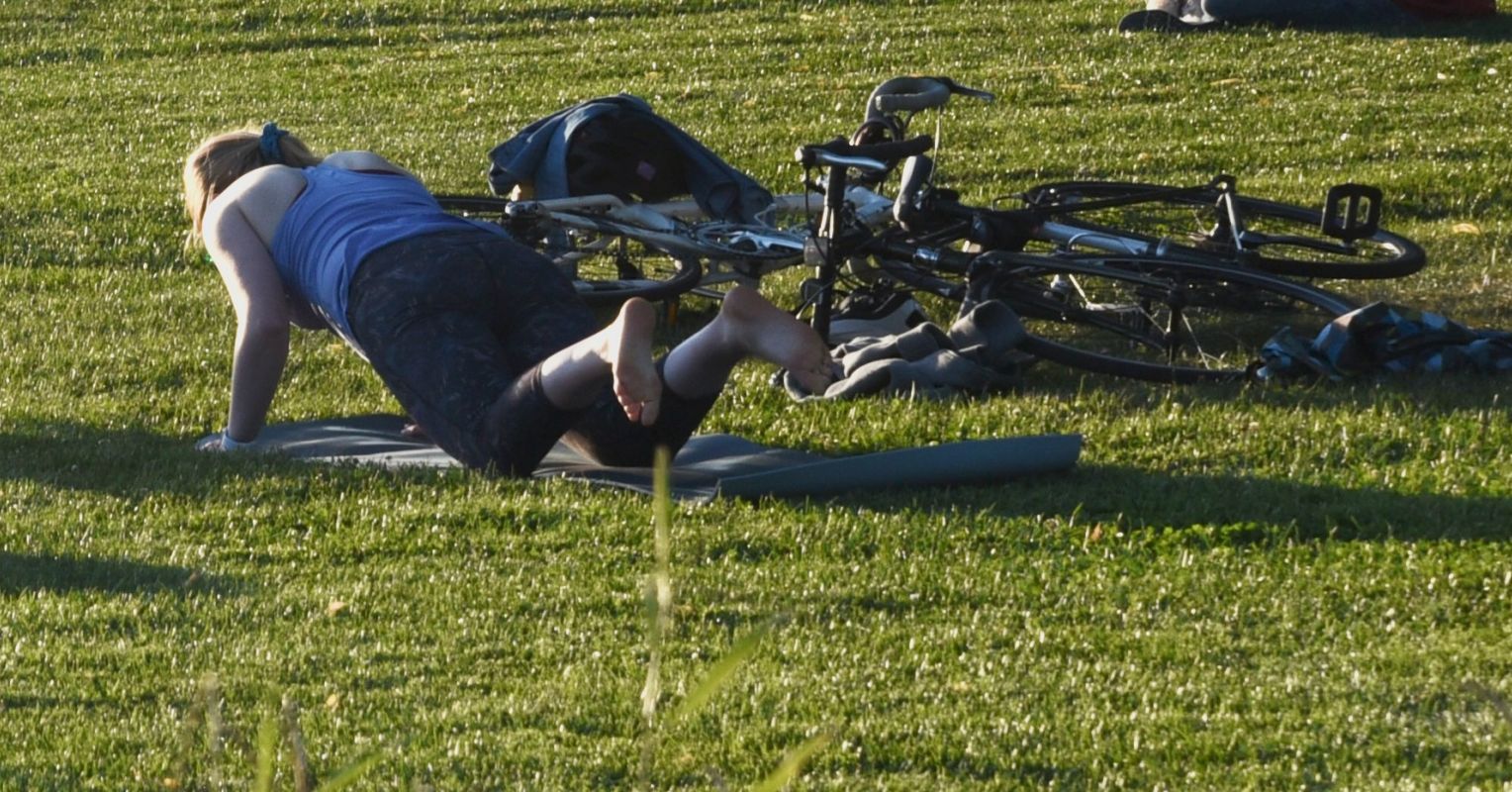
2 months agoPeople who stay in shape without hitting the gym usually share these 8 simple daily routines - Silicon Canals
Sustainable daily movement and simple routines integrated into everyday life maintain fitness and vitality more effectively than intense gym-focused workouts.

fromSilicon Canals
2 months agoJordan Peterson says if you want to stay mentally strong, stop doing these 8 habits that weaken your mind - Silicon Canals
Peterson believes that avoiding difficult conversations is one of the fastest ways to weaken your mind. And honestly, he's right. I used to be the king of avoidance. If something felt uncomfortable, I'd find every excuse to dodge it. "It's not the right time," I'd tell myself. Or my personal favorite: "Maybe the problem will just go away." Spoiler alert: It never did.
Mental health
fromBuzzFeed
1 month ago30 "Old Person" Habits That Quietly Make Life Better For Literally Everyone
Making my bed as soon as I get up. It's so relaxing at the end of the day to crawl into nice, smooth sheets. Naps. When I was 5 years old, and in kindergarten, I hated to be forced to take one every day. 65 years later, I see the errors of my youth.
Psychology
fromPsychology Today
2 months agoFinding Your Zone
The Yerkes-Dodson Law, first described in 1908, suggests that our performance improves with physiological or mental arousal-but only up to a point. Picture a bell curve: Too little arousal ( boredom, fatigue), and we underperform. Too much arousal ( anxiety, panic), and performance drops. Somewhere in the middle is our "zone of optimal arousal," where we're alert, focused, and effective (Yerkes & Dodson, 1908).
Mental health
Mindfulness
fromSilicon Canals
1 month agoThe art of needing less: 8 habits of people who stopped chasing happiness and accidentally found it - Silicon Canals
Happiness grows from needing less and adopting simple habits like accepting "good enough", prioritizing experiences, and releasing the relentless pursuit of perfection.
Wellness
fromSilicon Canals
2 months agoIf you adopt these 8 habits before you turn 60, you'll maintain your youthful energy for decades - Silicon Canals
Consistent daily movement and deliberate stress recovery preserve mobility, energy, and resilience, enabling healthier aging through small, sustainable habits.
fromPsychology Today
1 month agoWhat Plato Would Have Seen at the Olympics
Alysa Liu became the youngest national champion in American figure skating at 13. She made the 2022 Olympic team at 16. And she hated it. After Beijing, she retired, threw her skates in a closet, enrolled at UCLA, and spent 18 months figuring out who she was when nobody was giving her a score. Then she walked into a rink, landed a triple like she had never left, and called her coaches.
Psychology
Psychology
fromSilicon Canals
1 month agoIf a man in his 40s suddenly starts going to the gym every day, cooking his own meals, and spending time alone, something important is happening - and it's almost always the opposite of a crisis - Silicon Canals
Men adopting disciplined habits like regular strength training, cooking, and intentional solitude in midlife often rebuild themselves rather than experience a crisis.
Psychology
fromSilicon Canals
1 month ago8 daily habits of people who turned down a bigger life on purpose and built something small enough to actually enjoy - Silicon Canals
People who intentionally choose smaller lives by rejecting promotions and excessive opportunities develop specific daily habits that create genuine happiness and fulfillment.
Psychology
fromSilicon Canals
1 month agoPsychology says people who take the stairs instead of the elevator when nobody is watching display these 6 traits that reveal how they were raised - Silicon Canals
Choosing stairs over an empty elevator reflects ingrained discipline and trait self-control instilled by parents who emphasized consistency and follow-through.
[ Load more ]