Mindfulness
fromPsychology Today
12 hours agoNature Gets You Out of Your Head
Embracing nature can enhance mental health and well-being, reflecting our genetic predisposition to connect with living things.

Work or social media can become addictive, and the bonds between people can suffer in the process. Designating certain spaces as screen-free zones helps provide a clear delineation between work or school and family time. Social media, office or school gossip, and work demands all erode time that could be better spent on personal growth through hobbies or the formation of social bonds.
Beauty, it turns out, is capable of launching not just an armada of ships, but a cascade of the same feel-good chemicals you get from being in love, eating chocolate, exercising, and having orgasms- dopamine, endorphins, serotonin, oxytocin. It also lowers stress, blood pressure, and heart rate.
To see where the moon melts over the garden,or where the bats flit, or where the air sweetens with pollen and moth-frenzy, I recommend a night walk to discern the perfect patch for it. Under this glow, we could all use a distraction-dig with a silver shovel and choose colors that swoon and moan under our satellite: dusty pinks, baby blue, lavender, white, and butter yellow gems unfurl at dusk until dawn.
Research shows that in the days following the spring transition, there are measurable increases in sleep disruption, impaired alertness, workplace errors, motor vehicle accidents, and even short-term elevations in cardiovascular events and blood sugar variability.
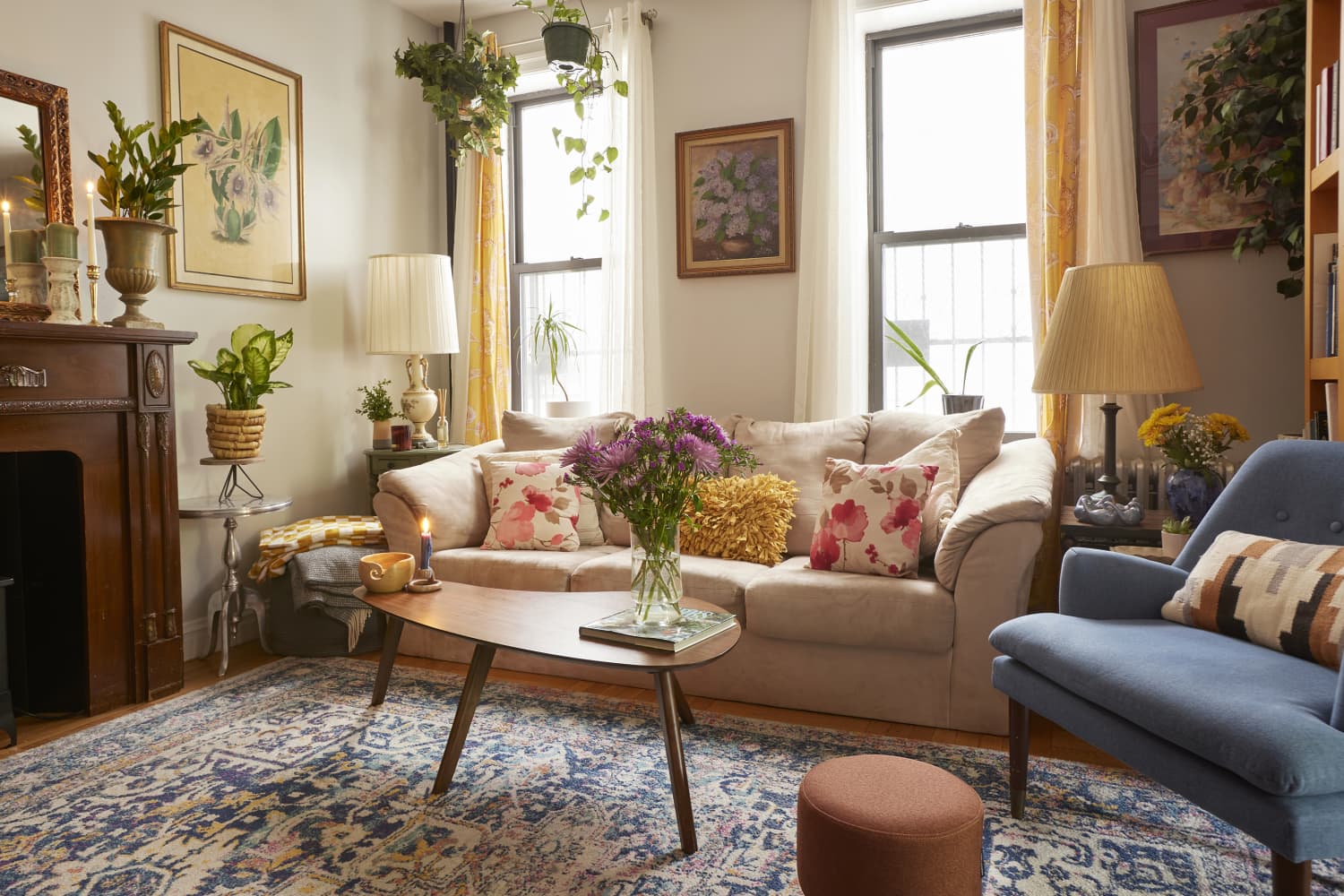
If there was only one interior design style setting the tone in 2026, it would be Japandi. Apartment Therapy's State of Home Design survey identified Japandi style as one of the year's top design aesthetics, according to insights from 140 designers - and it's easy to see why. As more people strive to create spaces that feel calming, intentional, and grounded in nature, Japandi's blend of Japanese restraint and Scandinavian warmth feels especially timely.
But we are all as an unclean thing, and all our righteousness are as filthy rags; and we all do fade as a leaf; and our iniquities, like the wind, have taken us away. It was bracing language for an 8-year-old. Not only was I unclean, but even my best attempt at goodness was filthy.
Spring ends the winter season like light ends the darkness. The coming of spring reminds us of the peaks and valleys of life. If you are in a valley, know that there is light at the end of the tunnel and a peak will come soon. Just as the seasons change, so too will your life.
Some people may think that getting rich and owning a large house, several cars, and luxury clothes is the key to a happy life. Others would say that living a life full of adventures and traveling the world to see beautiful places and experience exciting activities is the key to happiness. Another way to find happiness in life could also be having a stable relationship and a cozy little home, shielded from the stressors of the modern world.
Previous research has shown that people feel better in bird-rich environments, but Christoph Randler, from the University of Tubingen, and colleagues wanted to see if that warm fuzzy feeling translated into measurable physiological changes. They rigged up a park with loudspeakers playing the songs of rare birds and measured the blood pressure, heart rate and cortisol levels (a marker of stress) of volunteers before and after taking a 30-minute walk through the park.
Maladaptive daydreaming is when you're listening to music, watching a movie, or just staring into space while imagining different scenarios in your head,' she explained in a recent TikTok video. 'It is a form of dissociation where your brain is imagining alternate realities to cope with how scary your actual reality is,' she added. LePera explained that often in these scenarios, people will replay situations where you have the 'perfect response' to a past uncomfortable interaction.
Erving Goffman, the Canadian sociologist, built an entire framework around this in his 1956 work The Presentation of Self in Everyday Life. His argument was elegant and a little unsettling: social life is theatre. We are always performing. Every interaction has a "front stage" where we manage impressions, modulate tone, and curate which parts of ourselves are visible.
Choosing the right paint color can have a huge impact on your capacity for concentration, according to the experts. "Color can be a powerful, everyday way to support mental health because it speaks directly to the nervous system," says Hillary Schoninger, LCSW, an individual and family psychotherapist based in Chicago. "When we perceive color, our brain processes it as information and responds - sometimes with comfort and ease, and at other times with stimulation."
For years, I'd used these journals as a kind of inner courtroom, constantly building a case against myself or others. Every page held evidence of failures, proof of my profoundly advanced ability to gaslight myself. I could shrink or morph into whatever was requested for another person's comfort. Small flowered booklets documenting all the ways I couldn't get "it" right.
We live in a fast-paced world that glorifies productivity. That often means prioritizing work ahead of your mental health or even your personal life. There's a constant push to do more, achieve more, and get it done more quickly - and the clock starts ticking the moment you wake up. It's hard to break free from this mindset and put yourself first, often leading to burnout. Enter morning journaling.
"When I let go of what I am, I become what I might be." ~Lao Tzu For many years, I was deeply involved in spiritual communities-satsangs, meditation centers, ashrams, and groups focused on positivity, service, and personal growth. These places gave me comfort, community, and a sense of purpose. But they also shaped something inside me that I didn't fully recognize until much later: I had built my self-worth around being a "good person."