#wok-compatibility
#wok-compatibility
[ follow ]
#cooking-tips #cooking-techniques #food-safety #seasoning #kitchen-hacks #flavor-enhancement #chinese-cuisine

Remodel
fromTasting Table
1 month ago'Burping' Isn't Just For Infants. Turns Out It Benefits Your Kitchen, Too - Tasting Table
House burping, a trend of regularly ventilating homes by opening windows and doors, originated in Germany centuries ago and may help reduce mold and improve indoor air quality.

fromBon Appetit
6 days agoWe're Going to Stop Trying to Make 'Allium' Happen
The word 'allium' is the name of a group of vegetables including garlic, onions, chives, leeks and others that are botanically related. Because of the myriad ways they influence flavor, in states ranging from raw to cooked (even burnt), they're culinarily related too.
Everyday cooking
fromBon Appetit
2 weeks ago10 Chefs Share the Pans They Use Most in Their Restaurants
When churning out cover after cover at the saute station you can't exactly be picky about what's on the shelf above the stove. But that doesn't mean professional chefs don't have opinions about the pans they use every day during service.
Cooking


fromTasting Table
4 weeks agoThis Simple Move Eliminates The Straining Step Out Of Rice Cooking - Tasting Table
You can skip the entire cumbersome step of straining your rice by placing a fine mesh sieve or strainer on top of your pot and pouring the rice directly into it, rather than into the water. Leave the sieve in the pot for the whole cooking process with a cover placed on top. The steam rising from the water will cook the rice, giving you a perfectly separated, airy result.
Everyday cooking
fromTasting Table
2 months agoThe Chinese Techniques That Make Bacon 10X Better - Tasting Table
It is a side dish that has main-character energy. Think about it. You put bacon in ice-cream and it is the bacon that sings. You use candied bacon as a cocktail garnish, and suddenly that is all anyone's talking about. But, while all bacon is great, some bacon is just greater than others. If you disagree, try some Chinese-style bacon called Lap Yuk or La Rou.
Food & drink
Everyday cooking
fromTasting Table
1 month agoOne Of Julia Child's Favorite Kitchen Tools Wasn't Fancy, But It Was Definitely Reliable - Tasting Table
The Foley fork, a vintage kitchen tool with six curved tines, remains a versatile and reliable utensil for whisking, blending, and mixing ingredients, with modern versions available at affordable prices.
fromTasting Table
2 months agoFor The Most Delicious Pho, Always Use This Cut Of Chicken - Tasting Table
By using the whole chicken, my aunt maximizes the flavor of the broth while also cooking the meat that serves as the dish's protein, rather than the sliced beef, tripe, and meatballs found in aromatic beef phở recipes. Her homemade phở broth is truly a labor of love. It's rich and aromatic, full of flavor, and umami rendered from the whole chicken as it cooks. The bones give the broth depth of flavor, while the fats, cartilage, and meat bring richness.
Everyday cooking
fromTasting Table
1 month agoSkip The Microwave And Reheat Leftovers This Way For Even Heating - Tasting Table
Convection ovens reheat leftovers more effectively than microwaves by circulating hot air for even heating and crispy exteriors, and air fryers function as accessible convection ovens for home kitchens.
fromTasting Table
2 months agoThe 10 Mistakes Everybody Makes When Cooking With Stainless Steel - Tasting Table
others are more likely to damage your pan and may even shorten its lifespan. It turns out that some of the main complaints you have about cooking with stainless steel might be because of user error, even if you're a seasoned cook. In fact, once you correct what you've been doing wrong with your stainless steel cookware, you might use them just as often or more than your non-stick pans, especially if you're worried about non-stick forever chemicals.
Everyday cooking
fromwww.theguardian.com
2 months agoStir-fry suppers: Jeremy Pang's recipes for Sichuan chicken and Singapore noodles
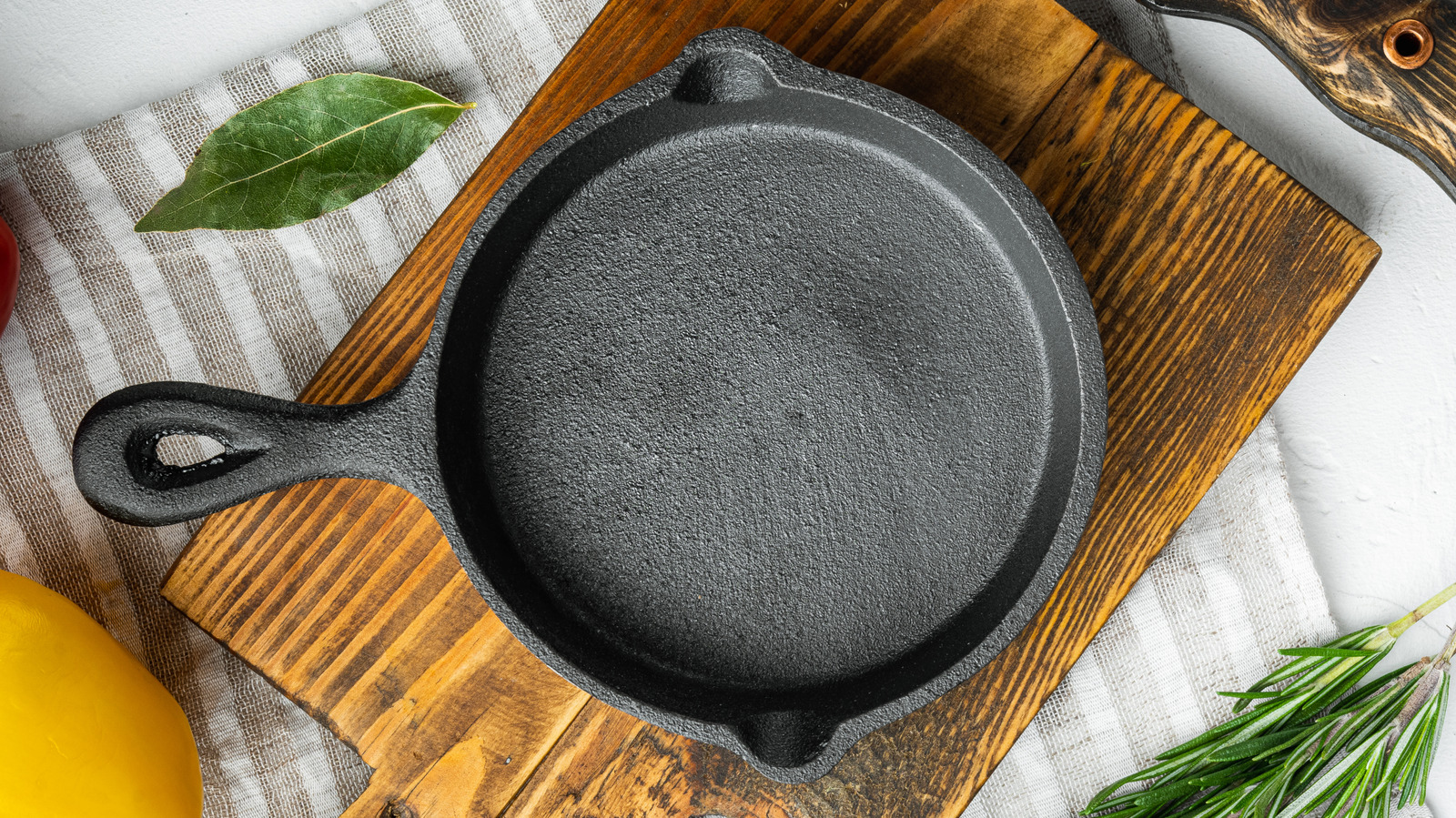
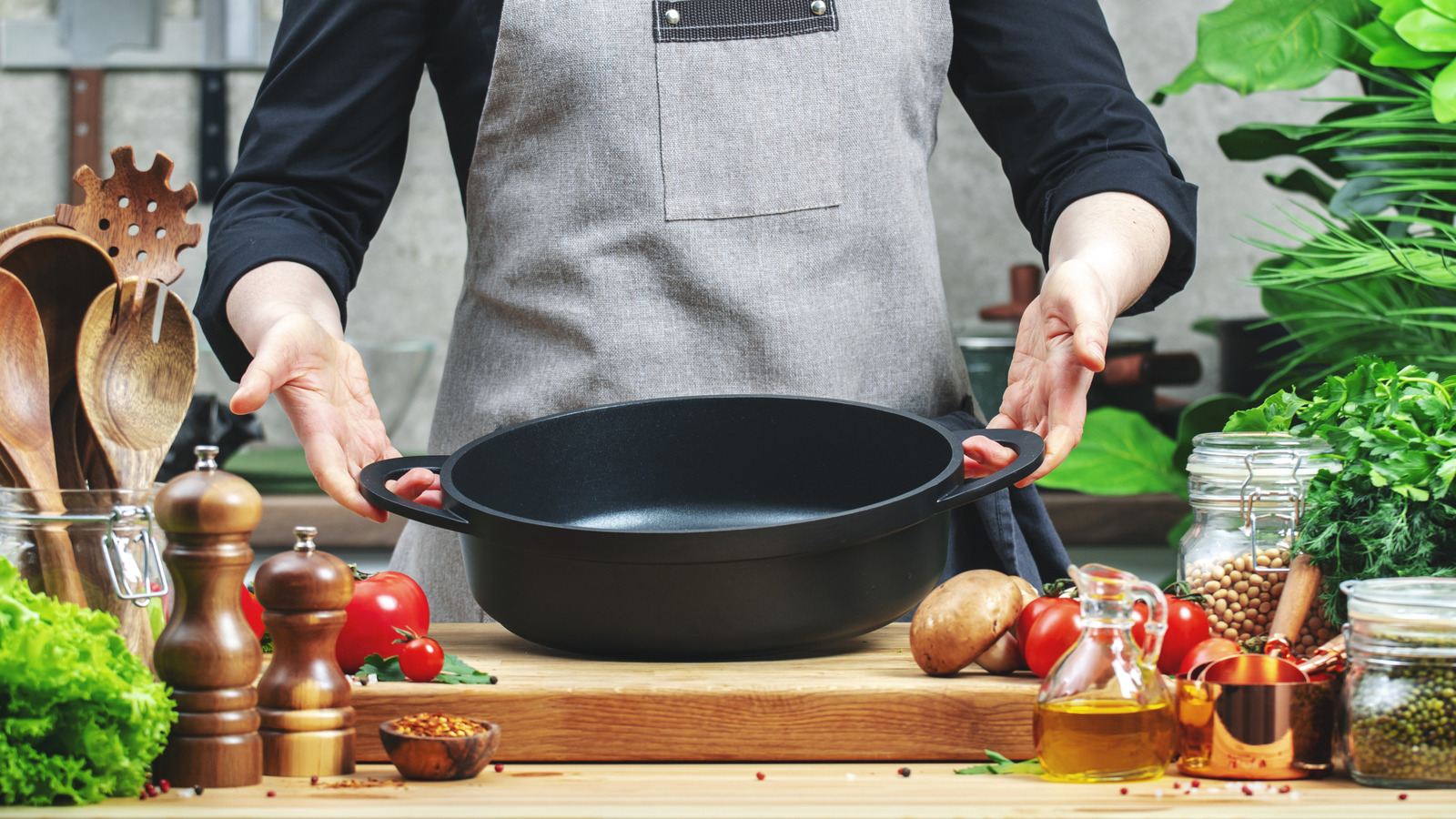
Stir-frying is all about wok hei, or wok's air' in English, which you can think of as the height of fire', or the level of heat. It's said that Chinese cooks have good wok hei if they have a true understanding of the heat of their wok and how to handle it in all situations, and a stir-fry's success is based on the quality of the cook's wok hei.
Cooking
fromTasting Table
2 months agoDon't Serve Rice Right After Cooking - Here's Why - Tasting Table
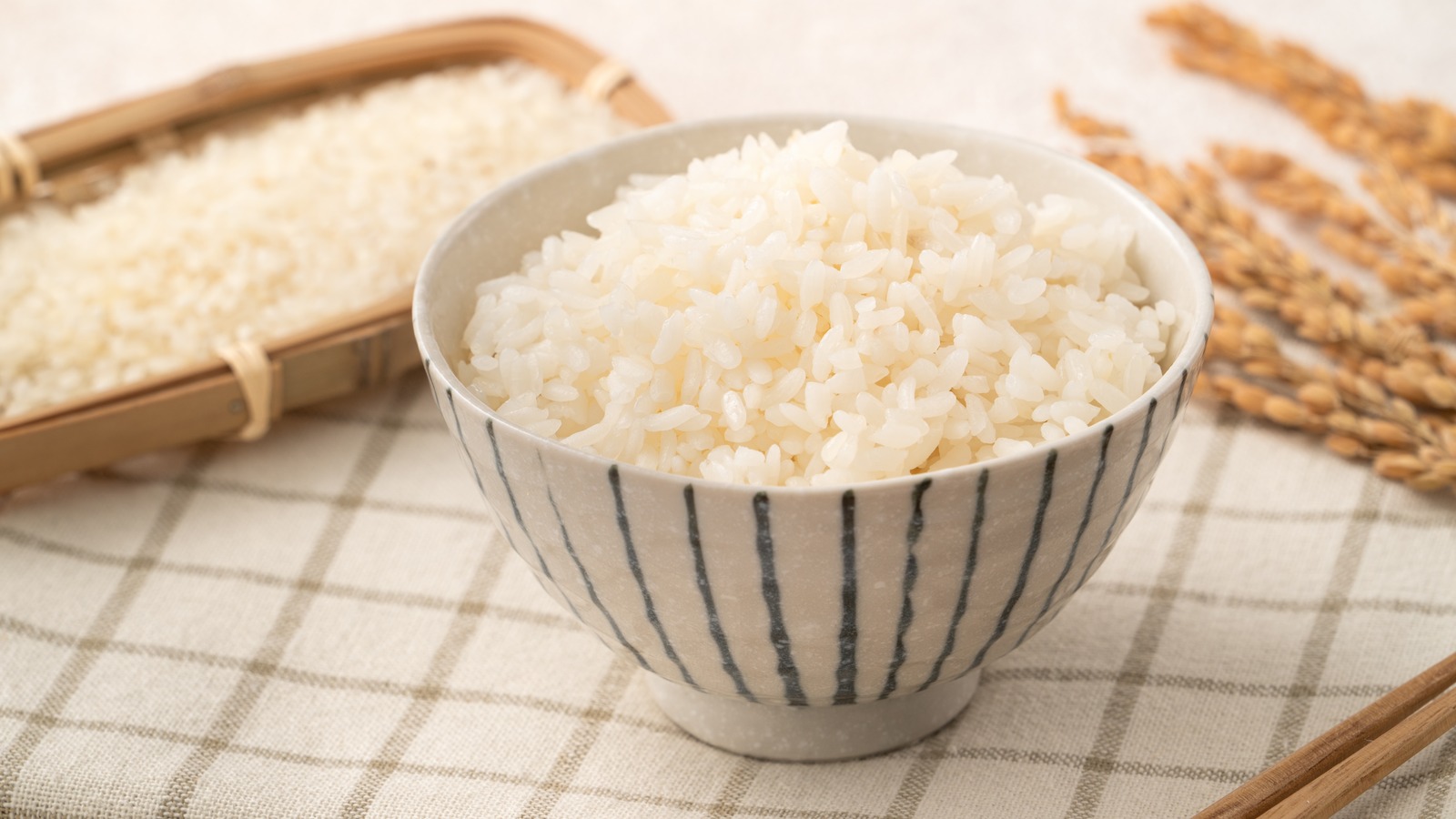
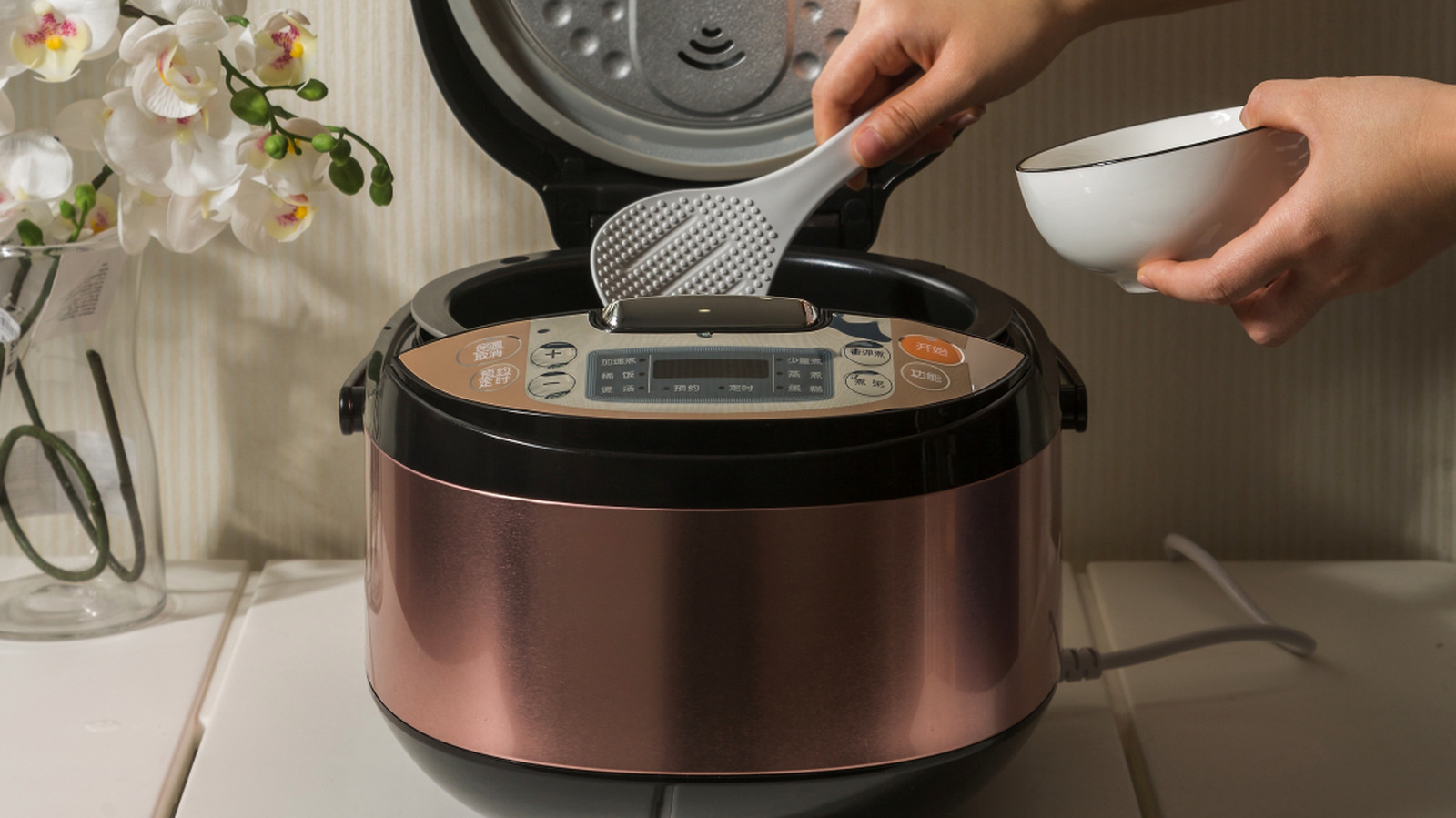
"Even just a few minutes makes a difference," Daud explains. "Resting lets the excess steam escape and gives the starches time to settle, so the rice ends up fluffy instead of wet or clumpy." Daud adds that the go-to time is 10 minutes for a standard amount of rice, but larger batches can require a longer rest. "If I'm making a bigger batch for a dinner party," she says. "I usually give the rice around 30 minutes to rest." However, when making certain "cultural dishes" like maklouba, Daud notes that she will "let it rest up to an hour or even a bit more before serving."
Cooking
fromBon Appetit
1 month ago8 Pro Chefs Share the Knives They Use in Their Restaurants
Cheesy comparisons aside, the reason chefs are responsible for their own knives boils down to subjective preferences and comfort. "I want the knife to be an extension of my arm and my hand," says Fredrik Berselius, executive chef at Aska. Since there are far too many variables that go into a knife's design-handle shape, blade shape, weight, balance, material, and so on- determining which knife is the best knife is fundamentally impossible.
Cooking
[ Load more ]