#zero-suicide
#zero-suicide
[ follow ]
#mental-health #suicide-prevention #suicide #resilience #patient-care #healthcare #mental-health-advocacy




fromBoston.com
6 days agoWu administration doubles down on diversion programs for drug users ahead of summer
The warm weather initiative began on March 30, according to a memo the Wu administration's Coordinated Response Team sent to the City Council on Monday. The CRT is an interdepartmental group that works to eliminate outdoor substance use and connect people suffering from addiction with treatment and recovery options.
Boston
fromPsychology Today
2 weeks agoWhy We Distinguish Suicide Clusters From Pacts
On February 1, 2026, a man associated with Ivaylo Kalushev received a message from him: 'Goodbye, friend, we are very tired and have no more strength.' The next day, police found the bodies of three middle-aged men at Kalushev's burnt lodge in western Bulgaria.
Russo-Ukrainian War
fromNextgov.com
2 weeks agoLawmaker looks to award grants for veteran suicide prevention AI models
The Recovery Engagement and Coordination for Health-Veteran Enhanced Treatment, or REACH VET, program identifies veterans in the top 0.1% of suicide risk by analyzing health records for specific indicators of potential self-harm.
Non-profit organizations
Mental health
fromSilicon Canals
6 days agoThe person who thrives during a crisis and falls apart during ordinary weeks isn't broken. Their entire operating system was built for emergencies, and peace registers as a system error because they never learned what competence feels like without urgency underneath it. - Silicon Canals
Crisis-thrivers are often dysregulated, struggling with normalcy after emergencies, revealing a deeper issue with their nervous system's response to stress.
Brooklyn
fromwww.theguardian.com
1 month agoI help people with psychosis off the streets. Sometimes, their minds won't let them leave
Mental health chaplains work with homeless individuals experiencing serious mental illness, navigating the complex intersection of psychiatric symptoms, delusions, and housing instability while maintaining compassion and patience.
Mental health
fromSilicon Canals
6 days agoI'm 66 and I recently understood that the reason I find it so hard to ask for help is not independence - it is the very specific and very old belief that needing something from another person is the first step toward becoming a burden, and a burden, in the house I grew up in, was the one thing nobody was allowed to be - Silicon Canals
Independence can often mask fear, leading to a reluctance to ask for help and a belief that needing assistance is a weakness.
fromPinkNews | Latest lesbian, gay, bi and trans news | LGBTQ+ news
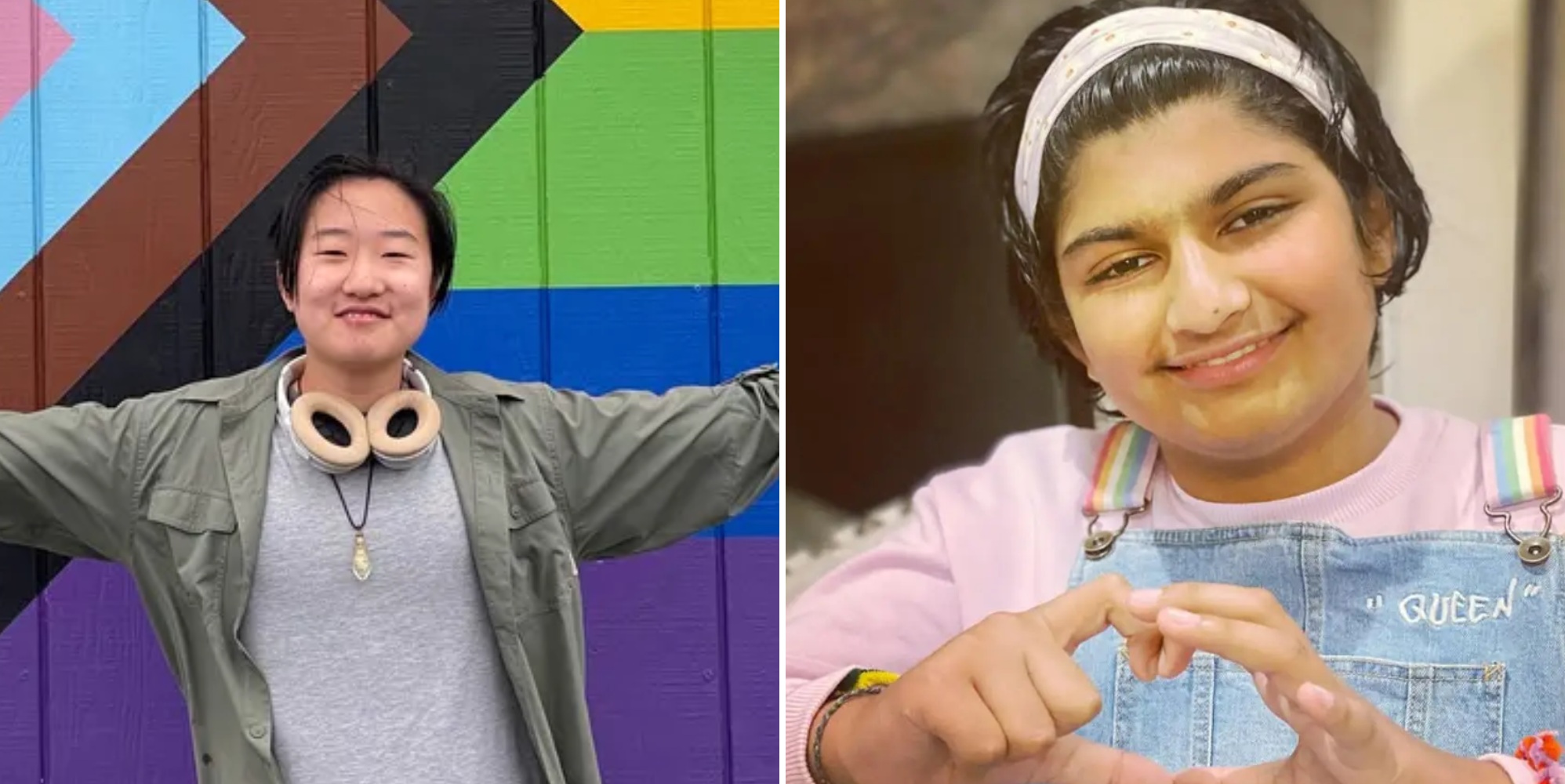
2 months agoTragic new data shows one in six children who die by suicide is LGBTQ+
New data has shown that one in six children that died by suicide in England between April 2019 and March 2025 were part of the LGBTQ+ community. Out of the 647 children that died by suicide during that time period, 107 were LGBTQ+ and 46 were transgender. The figures were obtained by QueerAF via a Freedom of Information request to the National Child Mortality Database.
LGBT
#suicide-prevention
Mental health
fromPsychology Today
1 month agoBlueprint for Getting a Suicide Barrier at a Jump Site
Successful suicide barrier advocacy requires concrete data, mental health professional credibility, bereaved family voices, medical examiner support, first responder involvement, and refutation of cost, aesthetics, and effectiveness objections.


Mental health
fromPsychology Today
1 month agoBlueprint for Getting a Suicide Barrier at a Jump Site
Successful suicide barrier advocacy requires concrete data, mental health professional credibility, bereaved family voices, medical examiner support, first responder involvement, and refutation of cost, aesthetics, and effectiveness objections.
Social justice
fromwww.mercurynews.com
1 month agoLetters: Police are the wrong people for crisis intervention
Police lack the advanced clinical training and education of counselors and are inappropriate for crisis intervention; behavioral health-led responses by clinicians and social workers are more effective and cost-effective alternatives.

Public health
fromABC7 San Francisco
1 month agoSocial workers demand UCSF improves safety after worker fatally stabbed by patient
UCSF social workers demand stronger workplace safety measures and increased staffing following a colleague's fatal stabbing, citing unaddressed safety concerns and lack of leadership response.
fromwww.amny.com
1 month agoOp-Ed | How we're fighting a leading cause of death for New Yorkers | amNewYork
By creating one of the nation's first state health departments, lawmakers and elected officials in 1901 were taking a leadership role in public health that continues to this day. Take the issue of heart health: Just last month, Governor Hochul unveiled a budget proposal that makes major investments in our fight against cardiovascular disease. Healthy hearts start with healthy diets, which is why Governor Hochul included over $100 million for nutrition programs, food banks and food pantries in the Executive Budget.
Public health
fromInside Higher Ed | Higher Education News, Events and Jobs
1 month agoYouth Suicide Rates Decline, Risks Remain
The number of suicides per 100,000 young people ages 10 to 24 declined by nearly 12 percent, from 11 to 9.7, between 2021 and 2024. The decrease was driven largely by reductions among young men, whose suicide levels fell by nearly 15 percent, while suicides among young women declined by about 2 percent.
Mental health
Mental health
fromPsychology Today
1 month agoWhy Mental Health Language Is Everywhere Now
Mental health terminology has migrated from clinical settings into everyday conversation, reducing stigma and increasing awareness, but clinical meanings shift in common speech, requiring precision for effective care and public discourse.
fromPsychology Today
2 months agoChronic Pain and Suicide: Three Scenarios, Three Solutions
Suicide is a cause of death that haunts the living in perpetuity. After a suicide event, those left behind are tormented by questions. "Could I have done something?" "What did I miss?" "How could this happen?" "Was it my fault?" Even the best answers fail to return the person lost, and natural grief is often compounded with unnecessary blame. Discussions about suicide prediction and prevention primarily focus on known risk factors such as mental illness and suicidal ideation. 1
Mental health
Mental health
fromInside Higher Ed | Higher Education News, Events and Jobs
2 months agoStudents Trust Mental Health Services-but Few Use Them
Most college students trust campus counseling but largely avoid using on-campus mental health services due to stigma, accessibility limits, and preference for off-campus care.
fromPsychology Today
2 months agoWhy Addiction Treatment Keeps Failing
For decades, addiction treatment in the United States has relied on a familiar explanation when people relapse: recovery is hard, addiction is chronic and setbacks are part of the process. That narrative is often delivered with compassion, but it can obscure a more troubling reality. Many treatment failures are not personal shortcomings. They are predictable outcomes of how recovery is currently designed.
Mental health
[ Load more ]