#cold-water-plunging
#cold-water-plunging
[ follow ]
#mental-health #stress-management #mindfulness #sleep #productivity #relaxation #work-life-balance #wellness
#sleep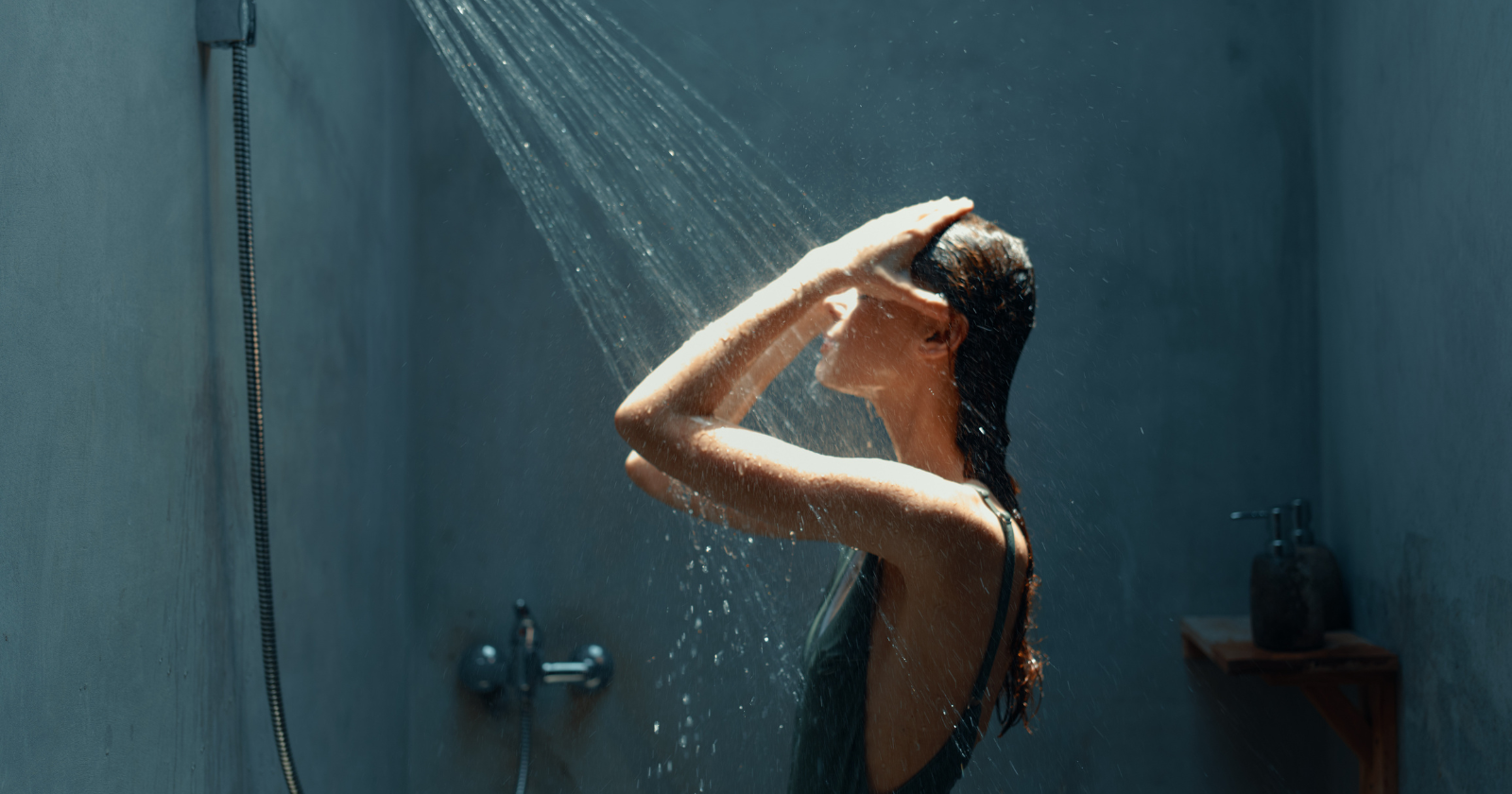

fromSilicon Canals
4 weeks agoMindfulness
Research suggests people who shower at night instead of in the morning aren't just washing off the day - they're running a neurological closing ritual that signals the nervous system the threat window has ended, and the water isn't cleaning the body, it's decommissioning a surveillance state that's been active since they opened their eyes - Silicon Canals
Mindfulness
fromSilicon Canals
4 weeks agoResearch suggests people who shower at night instead of in the morning aren't just washing off the day - they're running a neurological closing ritual that signals the nervous system the threat window has ended, and the water isn't cleaning the body, it's decommissioning a surveillance state that's been active since they opened their eyes - Silicon Canals
Night showers help signal the body to relax and switch off, contrasting with the alertness of morning routines.
#rest
Mindfulness
fromSilicon Canals
4 days agoThe underrated value of rest - Silicon Canals
Prioritizing rest can significantly enhance creativity, patience, and overall well-being, challenging the misconception that rest is for the lazy.
Mental health
fromSilicon Canals
3 days agoThere's a type of person who only feels permission to rest when they're physically sick, and the illness isn't the problem. The problem is the invisible equation they absorbed decades ago that says rest must be earned through suffering and a healthy body has no valid claim to stillness. - Silicon Canals
Sickness is often the only socially acceptable reason for rest, revealing deep-rooted beliefs about productivity and morality.
Mental health
fromSilicon Canals
3 days agoThere's a type of person who only feels permission to rest when they're physically sick, and the illness isn't the problem. The problem is the invisible equation they absorbed decades ago that says rest must be earned through suffering and a healthy body has no valid claim to stillness. - Silicon Canals
Sickness is often the only socially acceptable reason for rest, revealing deep-rooted beliefs about productivity and morality.

Mindfulness
fromYanko Design - Modern Industrial Design News
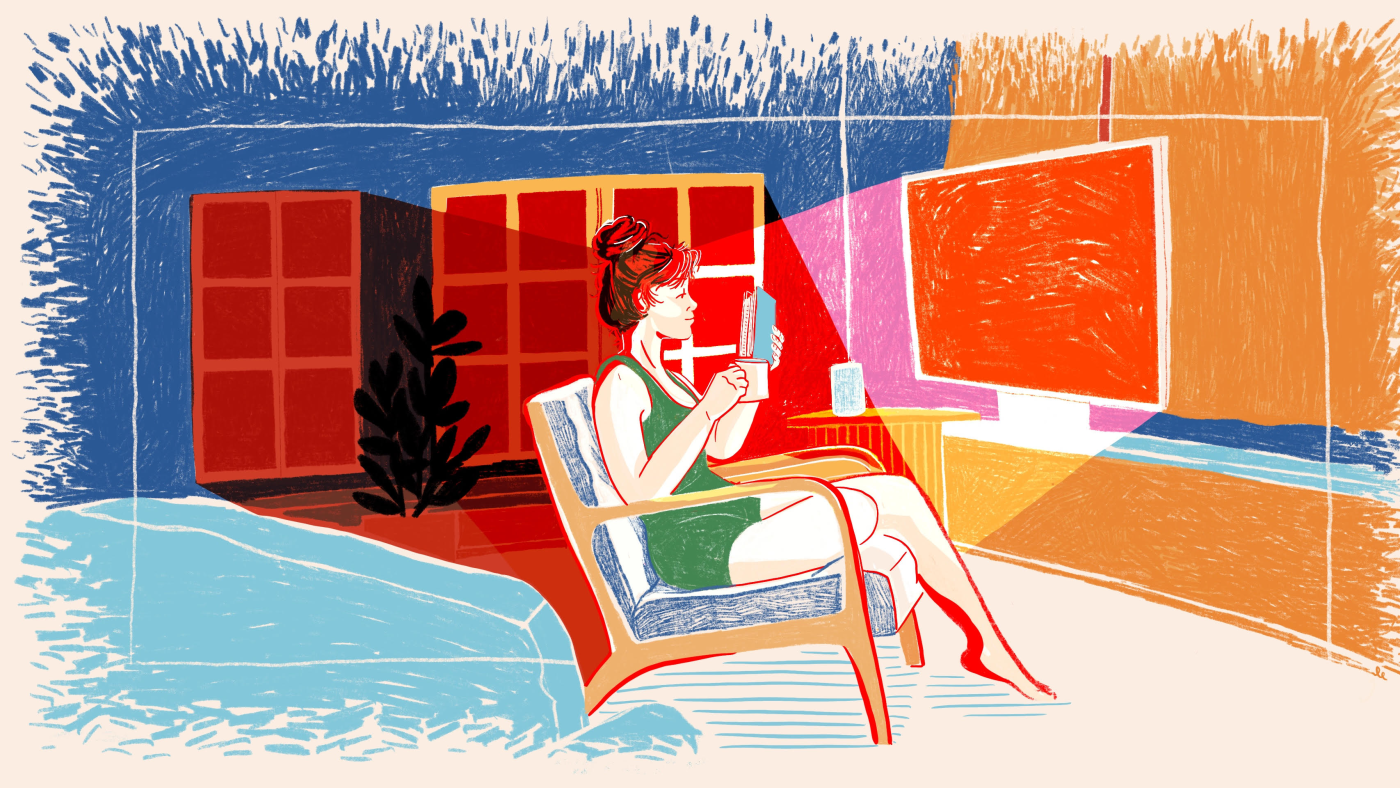
5 days agoFlow meditation assistive wearables customize your zen routine in real-time for deeper immersion - Yanko Design
Meditation can be enhanced through innovative wearable devices that monitor physiological responses to optimize the experience.
Medicine
fromSilicon Canals
6 days agoThe cruelest part of being exhausted for no reason is that you start to distrust yourself. If the bloodwork is fine and the sleep is adequate and the schedule isn't punishing, then the only remaining explanation is that something is wrong with how you're built. And living inside that suspicion is its own kind of tired. - Silicon Canals
Exhaustion without a medical explanation leads to self-blame and societal dismissal, creating a unique struggle for those affected.

fromAlternative Medicine Magazine
2 weeks agoWhat You Do After Training Matters More Than You Think
After a tough workout, your body enters a state of stress: muscle fibers are damaged, energy stores are depleted, and hydration levels drop. This is a critical moment. If your body gets the right nutrients, it starts rebuilding immediately. If not, recovery slows down, and so does progress.
Alternative medicine

fromwww.npr.org
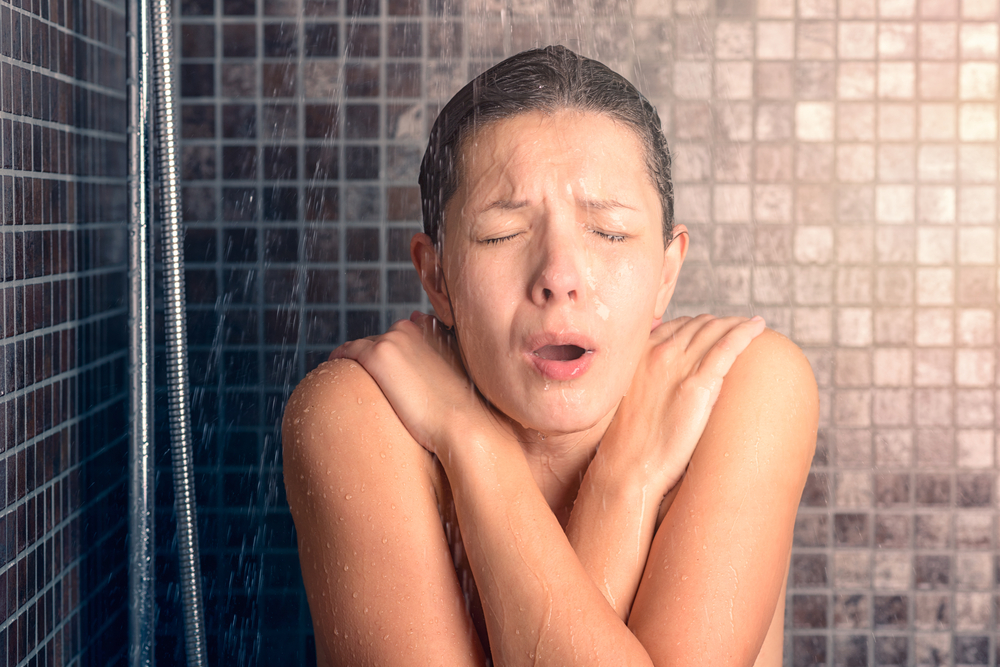
1 month agoTaking the heat. Sauna's popular and there may be health benefits too
Sauna challenges the body in ways that are similar to exercise, researchers say. Confronted with the sudden increase in heat, your cardiovascular system is put to the test—blood vessels dilate, heart rate increases and blood gets pushed to your skin, where it can be cooled more easily by sweat.
Health
Mental health
fromwww.theguardian.com
1 month agoIt has changed my life': How a dose of nature is treating mental illness
Dose of Nature prescribes outdoor time as mental health treatment, achieving 64% recovery rates compared to NHS talking therapies' 50%, with nature exposure providing serotonin boosts and immune system benefits through phytoncides.
Mindfulness
fromPsychology Today
1 month agoYour Brain Needs the Outdoors More Than You Think
Human brains evolved outdoors and require natural environments to function optimally; modern indoor lifestyles cause mental fatigue that nature exposure restores through soft fascination and circadian rhythm regulation.
fromwww.theguardian.com
2 months agoHow to stay warm while exercising outdoors: 16 expert tips for running, hiking and swimming
There's a glorious smugness that can only be experienced by exercising outdoors in winter conditions. The fresh air, the endorphins, the reduced risk of heart disease they're all nice bonuses, but nothing beats that knowing nod from another rain-drenched runner, or the horrified faces of nearby dog walkers as you stride confidently into the sea for a winter dip.
Running
fromTasting Table
2 months agoThis Is What Happens To Your Body When You Drink Hot Water Before Bed - Tasting Table
Have you ever struggled to find the perfect drink just before bed? Something like coffee or another caffeinated drink is usually out of the question. Likewise, you don't want a sugary drink if you just brushed your teeth. Cold water, and even room-temperature water, might be the standard, but you should consider the benefits of hot water if you've never tried it before. It can benefit you in more ways than you'd think.
Wellness
fromCN Traveller
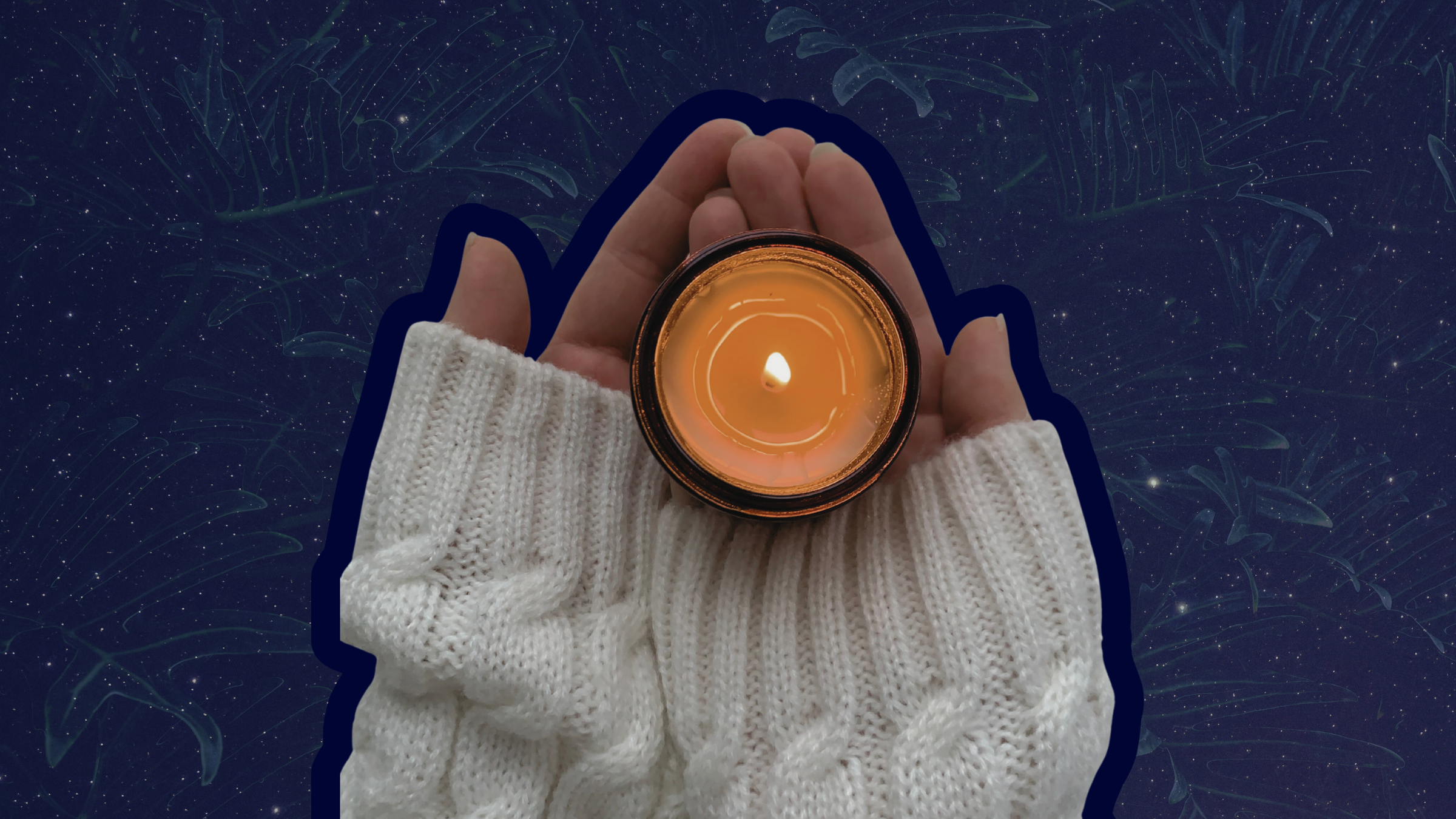
2 months agoWhat is a "dark retreat" and how did it become 2026's most radical wellness trend?
If you are exhausted and yearn to rest, like nearly everyone I know, you may be interested in what's arguably the most radical wellness trend of 2026 - an ancient practice called "dark retreat." This powerful experience, touted by celebrities as the latest way to achieve self-realisation and peace, involves no drugs (unlike, say, ayahuasca), no intense physical work, and no strict diet - just staying in absolute darkness in a comfortable room for 24 hours a day, for several days.
Wellness
Wellness
fromSilicon Canals
2 months agoIf you wake up exhausted even after 8 hours of sleep, your body might be trying to tell you something important - Silicon Canals
Eight hours of sleep does not guarantee restoration; sleep quality, stress-related hormone activity, environmental factors, and undiagnosed sleep disorders determine true rest.
fromYoga Journal
2 months agoI Tried Floating in a Sensory Deprivation Tank. I Have Many Thoughts.
The idea of floating in a sensory deprivation tank has always appealed to me. I am a huge fan of fancy spa sessions and most things woo-woo, and floating-a service that invites you to submerge your body in super salty water in the dark, ditching your senses in favor of an anti-gravity experience-sounded like the ultimate meeting of the two. Spa-ish mindfulness! Good for my skin and my mind! Sign me up.
Mindfulness
Wellness
fromwww.theguardian.com
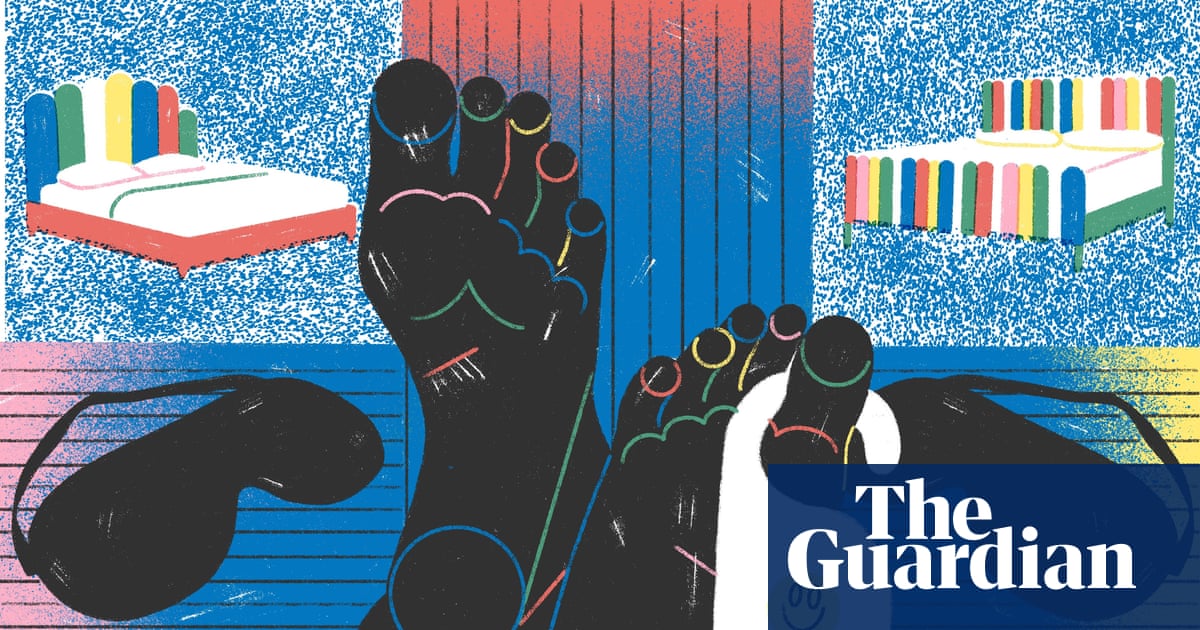
2 months agoThe most rejuvenating sleep of my life': 12 products our writers rely on for rest each night
Well-designed sleep products—comfortable earplugs, pillows, masks, white-noise machines, and wearable blankets—can significantly improve sleep quality, especially for travelers and light sleepers.
fromPsychology Today
2 months agoHow Meditation Could Help Solve the Healthcare Crisis
Healthcare spending in the United States continues its upward climb, approaching $5 trillion annually in 2023. Employer-sponsored family plans now average $27,000 per year, placing mounting pressure on households and businesses. Yet despite this spending, the country's health outcomes remain far from world-leading. The latest OECD data show U.S. per-person spending is roughly twice the OECD average, with Switzerland and Germany trailing behind as the next highest spenders.
Mental health
fromwww.theguardian.com
2 months agoDark showering: is this the very best way to wash?
Why would you do that? It's a way to remove distraction, calm your nervous system and practise mindfulness. And get clean. Yes, you also get clean. But this is more about finding those small, intentional moments that release you from the cares of your day. It sounds like an accident waiting to happen. You don't have to shower in complete darkness just in dim light, even by candlelight.
Mindfulness
Mindfulness
fromwww.theguardian.com
1 month agoAll you need is a chair and a view': could daily dusking' make us healthier and happier?
Dusking, a Dutch twilight observation ritual, involves watching darkness descend without artificial light, reviving a nearly forgotten practice now spreading to other countries.
fromPsychology Today
2 months agoExercise Works as Well as Medication and Therapy for Depression
Depression remains one of the world's leading causes of disability, affecting more than 280 million people globally. Antidepressant medications and psychological therapy are the go-to treatments. But medications can be expensive and lead to side effects, and therapy is not accessible to everyone. Now, an updated systematic review published this month in the Cochrane Database of Systematic Reviews finds exercise is equally effective at reducing symptoms of depression compared to medicine or talk therapy.
Mental health
fromSilicon Canals
2 months agoThe simple free habit that quietly upgrades your brain, heart, and sleep - Silicon Canals
When I first read that, I was skeptical. But after trying it myself and digging deeper into the studies, the mechanisms started making sense. When we actively look for things to appreciate, we're essentially rewiring our brain's default mode. Instead of scanning for threats and problems (which our brains love to do), we're training it to notice the good stuff. It's like changing the channel from a disaster documentary to something that doesn't spike your cortisol.
Mindfulness
fromPsychology Today
2 months agoFour Strategies That Improve Pain and Athletic Performance
You feel an unpleasant sensation - like a sinking feeling of anxiety in your stomach as the game begins, and you think, "I'm anxious. Here we go again. I'm about to blow it." You feel your pain increasing, and the thoughts churn: "Great. I'll probably miss a whole week of work." Imagined catastrophes fill your mind. Manage these thoughts with the 3 C's: Catch it, Check it, and Change it.
Mindfulness
[ Load more ]