#content-creator-gear
#content-creator-gear
[ follow ]
#content-creation #social-media #adobe #advertising #youtube #creator-economy #dji #osmo-pocket-4 #video-marketing

#social-media

Media industry
fromTechCrunch
3 days agoSaySo is a new short-form video app that aims to restore users' trust in news | TechCrunch
SaySo is a new app that curates news from vetted creators to combat misinformation and enhance user trust.
Social media marketing
fromLondon Business News | Londonlovesbusiness.com
3 weeks agoSeven tools creators use to kickstart their online presence - London Business News | Londonlovesbusiness.com
Building an online presence requires effective tools and strategies to gain traction on social media platforms.
Social media marketing
fromLondon Business News | Londonlovesbusiness.com
3 weeks agoSeven tools creators use to kickstart their online presence - London Business News | Londonlovesbusiness.com
Building an online presence requires effective tools and strategies to gain traction on social media platforms.

fromwww.nytimes.com
3 days agoHow Technology Has Transformed Cinematography
The small, lightweight, inexpensive camcorder was a great liberator for filmmaking. Not only did it mark a significant leap in accessibility, it also made it easier for filmmakers to achieve the kind of raw, immediate visual language that had been established by directors like Spike Jonze in Video Days (1991).
Photography










fromPetaPixel
2 weeks agoThe Secrets Behind a Successful Photography Business
Running a photography business can be incredible fun, offering unique experiences and opportunities to meet diverse people. However, it requires significant dedication and effort, often demanding extra hours beyond a typical workweek.
Photography

Business
fromLondon Business News | Londonlovesbusiness.com
1 month agoEnterprise-grade video production: Why Seedance 2.0 is the game-changer - London Business News | Londonlovesbusiness.com
Seedance 2.0 enables enterprise-grade scalable, consistent, cost-effective professional video production across regions and languages.
Podcast
fromFast Company
1 month agoThe surge of video podcasts raises an awkward question for the industry: Why do we still call them 'podcasts'?
The definition of 'podcast' has expanded from asynchronous talk radio to any episodic audio or video content with people speaking, making the original term increasingly obsolete as consumption shifts toward video-based formats.
fromeLearning Industry
1 month agoHow To Remove Background Noise From Video: Best Practices For Professional Content
When professionals talk about how to remove background noise from video, they are really talking about improving the audio track of a video so the speaker's voice is clearer, more consistent, and easier to understand. Background noise refers to any unwanted sound that competes with the main voice, like air conditioning hum, office chatter, keyboard typing, traffic, or the low hiss created by recording equipment and compression. In video production, background noise removal is about reducing distractions so the listener can focus on the message.
Film

Artificial intelligence
fromSocial Media Examiner
2 months agoAI Video Made Easy: How to Create High Quality Content That Grows Your Business : Social Media Examiner
AI video tools enable marketers to create professional, avatar-based and repurposed videos without production skills, dramatically scaling output while saving time and money.
fromMuse by Clios | Discover the latest creative marketing and advertising news. Muse by Clio is the premier news site covering creativity in advertising and beyond.
1 month agoThe Rise of Creators as Production Partners | Muse by Clios
Modern creators often operate with capabilities that rival small production teams: filming, editing, motion graphics, sound design, trend fluency and real-time iteration informed by performance data. Many can concept, shoot and deliver platform-ready assets in days, sometimes hours. This is not scrappy content. It is platform-native creative engineered for feeds where authenticity, speed and relevance outperform polished but distant brand messages.
Marketing
fromTechCrunch
2 months agoAmazon to begin testing AI tools for film and TV production next month | TechCrunch
Albert Cheng, who heads the AI Studios initiative, emphasized that the goal is to support creative teams, not to replace them. The focus is on improving efficiency and reducing costs while ensuring that intellectual property is protected and AI-generated content isn't absorbed into other AI models. One example used is Amazon's "House of David" series, which featured 350 AI-generated shots in season two.
Artificial intelligence
Gadgets
fromYanko Design - Modern Industrial Design News
1 month agoEZCast Just Turned Every Phone Into a Professional Camera Monitor - Yanko Design
EZCast's CamCast CT-1 is a compact wireless HDMI transmitter that streams 1080p 60fps video to up to four iOS or Android devices simultaneously over 5GHz Wi-Fi, bridging the gap between basic camera monitoring and expensive professional systems.
fromDigiday
2 months agoInside Goalhanger's shift from podcast producer to screen studio
On YouTube, The Rest is History podcast draws roughly around 500,000 viewers, who stick around for an average of about 48 minutes. That's close to the length of a traditional hour-long show and even longer than the podcast's strong audio average of around 40 minutes.. For the production team, seeing that level of engagement, especially on TV screens, was a turning point. People weren't just listening along to podcasts. They're settling in to watch now too.
Media industry
fromEngadget
2 months agoAdobe unveils new AI-powered video editing tools for Premiere
In Premiere, the company's video-editing software, it has unveiled a new AI-powered Object Mask feature that lets you easily pick and track persons or objects moving through your video clips. You simply have to hover over that object and click to generate a mask overlay in seconds. While the mask is supposed to be accurate from the start, you can adjust and resize it as needed. Adobe says the feature uses its own AI model for the feature and that the processing happens on-device.
Gadgets
fromGSMArena.com
2 months agovivo is working on a vlogging camera to compete with the DJI Osmo Pocket line
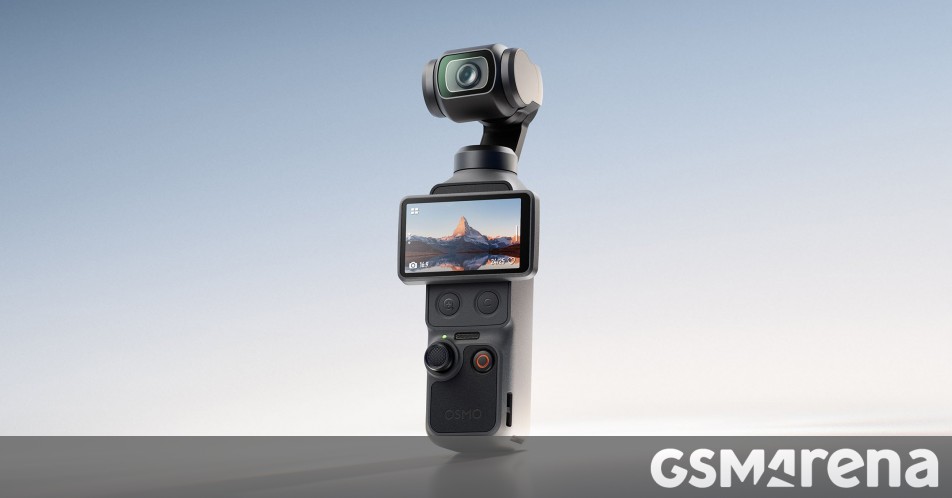
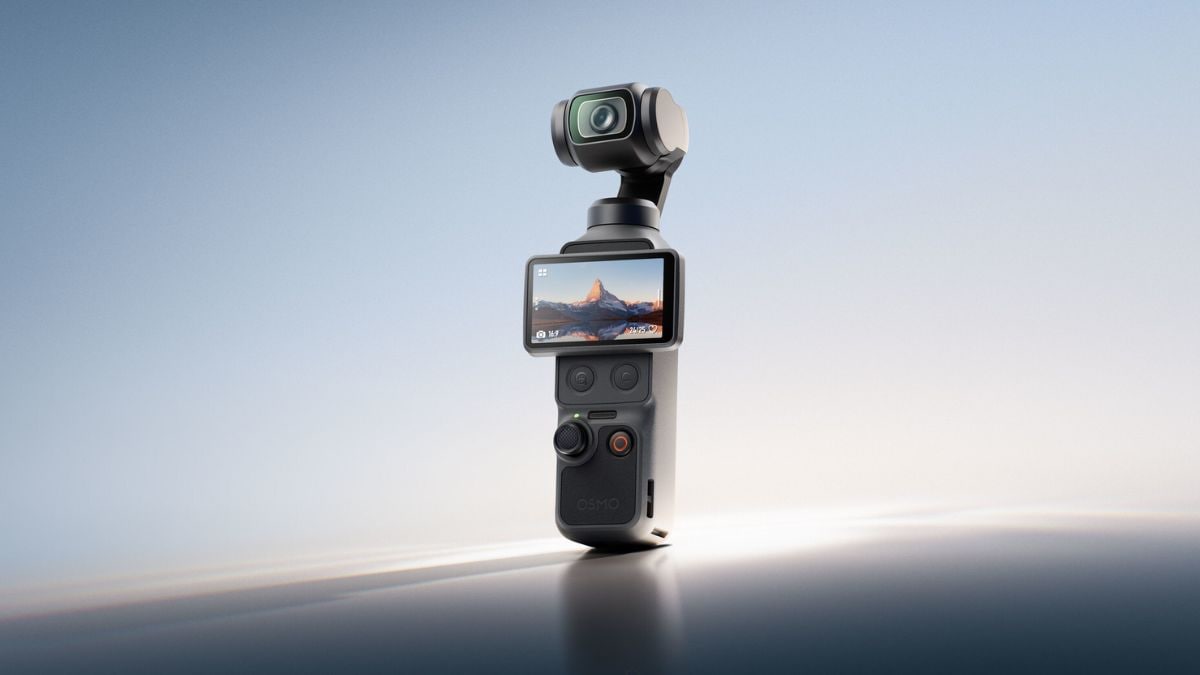
DJI's Osmo Pocket 3, launched back in 2023, has been an incredible hit with vloggers and YouTubers, thanks to its good video recording quality, gimbal stabilization, and pocketable form factor. DJI is expected to come out with a highly anticipated successor any day now, but in the meantime it looks like it's getting some new competition. vivo has confirmed to Chinese media outlets that it is working on a vlogging camera of its own.
Gadgets
[ Load more ]