#regional-meetings
#regional-meetings
[ follow ]
#affordable-housing #data-centers #economic-development #leadership #community-engagement #new-york-city
Alternative transportation
fromStreetsblog USA
4 days agoFlorida Town Gives New Residents Free Golf Carts to Replace Their Cars - Streetsblog USA
Babcock Ranch incentivizes residents to drive less by offering free golf carts with new home purchases, promoting a community focused on alternative transportation.
New York City
fromwww.amny.com
4 days agoPublic festivals and more bathrooms: The City Council seeks to score big economic goals with the FIFA World Cup | amNewYork
City Council legislation aims to prepare NYC for the 2026 FIFA World Cup, focusing on small businesses, public amenities, and tourism management.
fromIrish Independent
4 days ago'It's like a circus' - inside the chaotic six-hour council meeting to find more land for new homes
"We're all over the place here - this meeting should be suspended. We should get our ducks in a row and come back here and do this properly. I mean it's like a circus - you're saying one thing, and then you're going back. You're kind of changing your answers."
London politics
fromwww.businessinsider.com
6 days agoI moved to a small Midwestern city for a job. Although I miss my fast-paced life on the East Coast, I'm surprisingly happy.
Growing up, I expected to live the fast-paced life of a performer. I'm a Jersey girl with a New York City spirit. My dreams were set on being a principal actor on Broadway.
NYC music
London startup
fromComputerWeekly.com
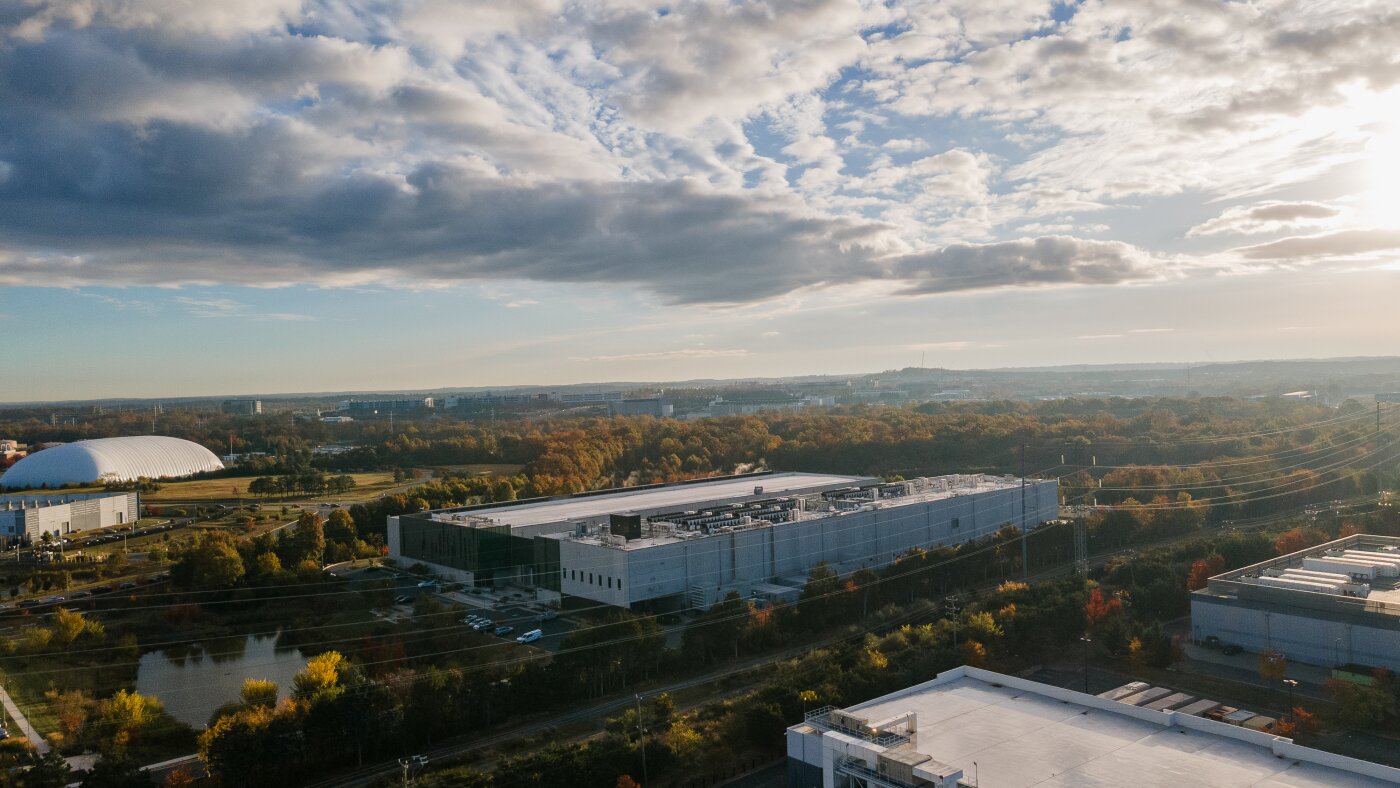
1 week agoDatacentre developers tout benefits to local communities, but do they deliver? | Computer Weekly
Datacentre developments are causing challenges for local businesses, raising concerns about energy consumption and community impact despite potential local benefits.
East Bay real estate
fromwww.berkeleyside.org
6 days agoTired of frivolous' landmark attempts, Berkeley council members want to raise bar for petitions
Berkeley City Council is considering raising the petition signature threshold for landmark designation to address concerns over blocking housing development.
fromPython Software Foundation Blog
6 days agoPyCon US 2026: Why we're asking you to think about your hotel reservation
For many years, PyCon US has relied on hotel booking commissions to help pay for our conference space. This helps us keep the event tickets affordable and to continue offering Travel Grants to community members who might not otherwise be able to attend PyCon US.
Berlin
Fundraising
fromNonprofit Quarterly | Civic News. Empowering Nonprofits. Advancing Justice.
6 days agoBridging Funders to the Front Lines: Pluralism and Greater Philanthropic Opportunity | Nonprofit Quarterly | Civic News. Empowering Nonprofits. Advancing Justice.
Movement-rooted philanthropic intermediaries are essential for addressing future challenges in the nonprofit sector and advancing equity.
fromBusline News
1 week agoMessage From 2026 UMA EXPO: Fast-Moving Policy Environment Requires Education & Determination - Busline News
"We're watching action, reaction, and counterreaction almost daily, and the policy environment is moving incredibly fast," noted Glenn Every, emphasizing the urgency of staying informed.
Alternative transportation
Online Community Development
fromInside Higher Ed | Higher Education News, Events and Jobs
2 weeks agoA Town-Gown Partnership Focused on Climate Resilience
Agnes Scott College collaborates with Decatur to address climate change through a joint Climate Resilience Plan, focusing on sustainability and community engagement.
fromThe Art Newspaper - International art news and events
1 month agoReimagining communities: inside the Hong Kong International Cultural Summit
Communities make museums and museums make communities. Part of the establishment of M+ was a public consultation where people were asked what kind of museums they wanted. The recommendation was not to build lots of little museums, but to create a big museum that was cross-disciplinary, unburdened by labels like "modern" or "contemporary". It was to be a museum plus more, and that was how we became M+.
Arts
Relationships
fromPortland Monthly
1 month agoFrom the Editor: Building Community Isn't Always Fun. Do It Anyway.
Proximity-based community organizing builds solidarity across differences through sustained engagement and shared material goals, fostering understanding that transcends initial disagreements.
fromwww.bbc.com
4 weeks agoCampaigners celebrate after new town plans dropped
Campaigner Aysha Hawcutt stated that residents were 'not anti-homes', but believed the Adlington plan was 'the wrong proposal in the wrong place'. She expressed pride in the community's resilience against the development threats.
London politics
fromArchDaily
1 month agoMobility Justice: Urban Equity in an Era of Innovation
Every city contains two transportation systems. One is the visible network of roads, rail lines, sidewalks, and bus routes mapped in planning documents. The other is the invisible geography of privilege and exclusion embedded within it: the neighborhoods that received highways instead of parks, the communities whose bus routes were cut, the sidewalks that abruptly end at the edge of a district.
Alternative transportation
Philosophy
fromWarpweftandway
1 month agoTwo Collaborative Learning () Events This Week
The 四海为学 Collaborative Learning Project hosts two free public events: Louise Edwards discussing childhood and gender in China on March 19, and Peter Hershock exploring AI and agency from a Buddhist perspective on March 20.
fromEntrepreneur
2 months agoHow to Win Big With Public-Sector Partners
Understanding the difference in purpose Unlike private businesses, which exist to make a profit, public institutions are designed to create impact - especially social and economic outcomes that benefit everyone, not just paying customers. A public agency doesn't measure its success in revenue or margins, but in how much it improves lives, builds equity and maintains public trust. This doesn't mean budgets and spending don't matter - they absolutely do - but money is not the goal. It's the tool.
World politics
fromFast Company
2 months agoWhy inclusion is the new standard for economic growth
In places where inclusion is part of the infrastructure of their economy-supply chains, procurement processes, capital access, or business ownership-people thrive. Inclusive economies create more resilience by expanding the base of potential business owners who can build, own, innovate, and hire. They allow more opportunities for homeownership and investing in the longevity of communities. As our economy becomes increasingly stratified and volatile, we need as much resiliency as we can get.
Social justice
Portland
fromPortland Mercury
1 month agoMayor's Roundtable Aims to Reinvigorate Central City, With or Without Key Stakeholders
Portland's Central City Roundtable, a public-private partnership formed from Governor Kotek's task force recommendations, aims to revitalize downtown through increased foot traffic, office workers, housing development, and enhanced daytime services.
Education
fromArchDaily
1 month agoWhen the School Becomes the City: Community-Centered Projects in the Global South
School architecture functions as a catalyst for social transformation by creating multifunctional civic spaces that integrate education, culture, sports, and community engagement within urban territories.
US politics
fromNonprofit Quarterly | Civic News. Empowering Nonprofits. Advancing Justice.
2 months agoDemocracy Dies in the Homeowners Association | Nonprofit Quarterly | Civic News. Empowering Nonprofits. Advancing Justice.
Renters often lack voting rights in HOA governance, leaving them subject to private rules, fines, and decisions without representation.
fromMission Local
2 months agoMission Local welcomes three new members to board of directors
Jeanne Carstensen is an award-winning journalist whose work has appeared in The New York Times, Foreign Policy, The World, The Nation, Salon, Nautilus, and The Global Post, among other outlets. She previously served as managing editor of Salon and The Bay Citizen, which produced the Bay Area pages of The New York Times. Her book, A Greek Tragedy: One Day, A Deadly Shipwreck, and the Human Cost of the Refugee Crisis, was published by Simon & Schuster/One Signal Publishers in March 2025.
San Francisco
New York City
fromInc
1 month ago140 Cities in Maine, L.A.'s Olympic Committee, and NYC: The Urban Tool That's About to Change Everything
MIT researchers created the first complete pedestrian activity model for New York City, revealing movement patterns and crash vulnerabilities, applicable to any U.S. city and enabling better infrastructure funding allocation.
fromBusiness Matters
1 month agoThe impact of road signs on economic development
When routes are well organized, there are clear directional signs, and speed limits become reasonable. The early installation of warning signs allows transport companies to plan deliveries more accurately and avoid delays. For businesses, time is money. When a truck carrying goods does not spend hours detouring due to an unclear traffic scheme or stuck in traffic where it could have been avoided thanks to competent traffic management, fuel costs, driver wages, and vehicle maintenance costs are reduced.
Alternative transportation
[ Load more ]