Health
fromwww.businessinsider.com
15 hours ago4 healthy aging habits that a longevity doctor follows most days, including strength training
Preventive habits, especially prioritizing sleep, are crucial for optimizing health and longevity.
The global prevalence of metabolic dysfunction-associated steatotic liver disease (MASLD) has surged to 1.3 billion people, marking a 143% increase over the past three decades. By 2050, projections indicate that this number could rise to 1.8 billion, primarily due to rising obesity and blood sugar levels.
Research increasingly demonstrates that healthy nutrition improves mental health, and an entirely new subspecialty has formed to support this. Nutritional psychiatry is expanding rapidly, with research growing 15-fold from 2000 to 2024, reflecting the increasing acceptance of diet's role in mental health.
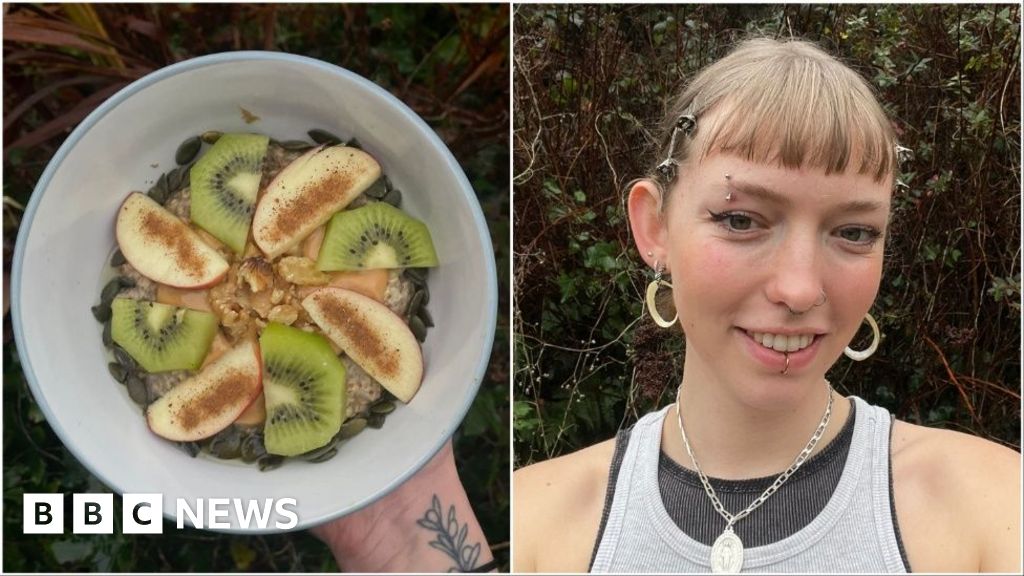
Living abroad drastically changed my eating habits. I lost 60 pounds the first year, with the support of an herbalist and other professionals, and have since shed an additional 40 pounds.
These tiny packages pack a nutritional punch-so much so that the advisory committee for the 2025 U.S. Dietary Guidelines recommended upping the daily serving size of legumes and promoting them as a protein source over meat and seafood. Navy beans, for example, are especially fiber-dense, and lentils are protein powerhouses.
The Dietary Guidelines for Americans aim to translate the most up-to-date nutrition science into practical advice for the public as well as to guide federal policy for programs such as school lunches. But the newest version of the guidelines, released on Jan. 7, 2026, seems to be spurring more confusion than clarity about what people should be eating. The latest dietary guidelines, published on Jan. 7, 2026, have received mixed reviews from nutrition experts.
This study is really good news for those who follow a vegetarian diet because they have a lower risk of five cancer types, some of which are very prevalent in the population. While being vegetarian appeared to be protective overall, the scientists also found that those who follow a vegetarian diet had nearly double the risk of the most common type of cancer of the oesophagus, known as squamous cell carcinoma, compared with meat eaters.
I grew up in a Mexican household where food was our love language - but there was also stigma and very little guidance around diabetes. When my aunt, and later my mom, were diagnosed, it took time to understand what healthy eating could look like for them. That's why this partnership means so much to me. Our culture and our food are not the problem - they're part of the solution.
One theory is that by slowing the rate of biological ageing, it may be possible to prevent or mitigate age-related illness, meaning people have more years of good health. A study carried out by researchers in the US and including funding from the confectionery manufacturer Mars suggests a daily multivitamin could help slow some markers of biological ageing – although what that means in terms of health remains unclear.
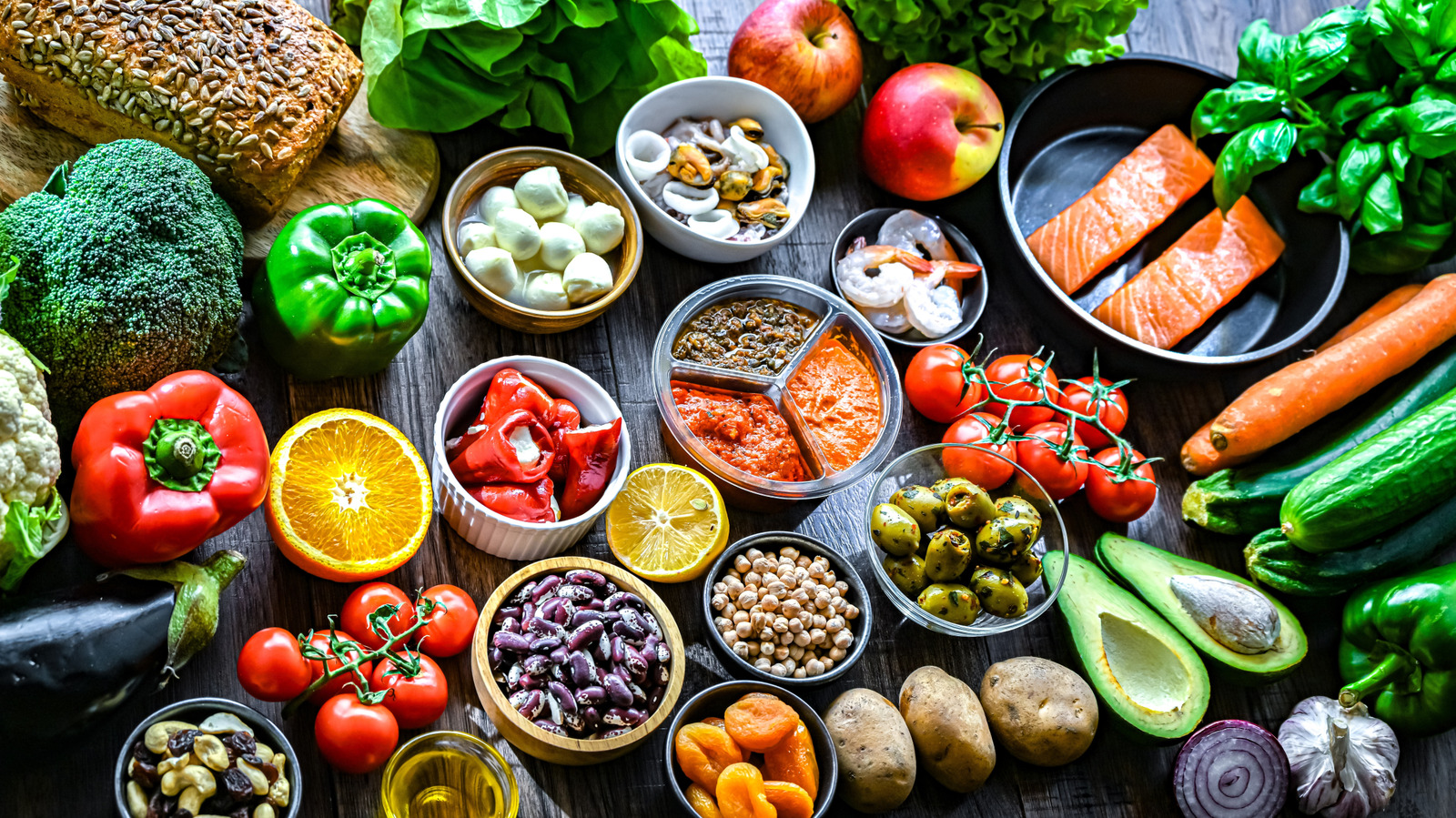
Diet culture norms have led to a multibillion-dollar industry promoting diets that each come with their own set of rules, with each claiming it's the only way to be healthy or lose weight. When access to nutrition information is at an all-time high online, people are often left digging through conflicting information when trying to figure out what to eat or what a healthy diet look likes.
Although it's always been a staple around the world, tinned fish has really been having a moment in the spotlight for the past couple of years in the U.S. Home-grown brands like Fish Wife are all over social media and have colorful, enticing packaging that's so much more exciting than basic round, silver tins. And many European brands are all the rage, too.
By following more than 100,000 people in the U.K. for years, researchers found that people whose food choices scored high in any one of five diet categories tended to live longer than people who scored the lowest. Specifically, the team found that even after adjusting for confounding factorssuch as whether people smoked, how much exercise they took and what their education and ethnicity wasstudy participants who tended to eat according to any one of the five diets were 18 to 24 percent less likely to die of any cause. For women, that roughly translated into an extra 1.5 to 2.3 years of life. And for men, it added about 1.9 to three years.