#food-prints
#food-prints
[ follow ]
#sustainability #cooking #gardening #recipes #cooking-tips #architecture #environmental-impact #consumer-behavior
fromwww.businessinsider.com
13 hours agoI tried 3 celebrity chefs' recipes for overnight oats. The best one was easy to make yet felt very extravagant.
Hall's oats felt like a parfait with a lovely mix of textures. The presentation was nice, too. Drummond's overnight oats were good, but Fuller's impressed me the most and looked amazing.
Everyday cooking



London food
fromLondon Business News | Londonlovesbusiness.com
1 day agoFresh bakery near me in Burnt Oak: Why simple coffee and grab-and-go still win - London Business News | Londonlovesbusiness.com
Bakery usage has shifted towards convenience, with customers favoring quick stops and familiar products over variety.
Music production
fromFood & Beverage Magazine
4 days agoCoffee for a Cause: From "Outer Space" to Your Morning Brew - Food & Beverage Magazine
Young NYC participants collaborated with Fred Schneider of The B-52's to create a coffee line supporting local nonprofits, inspired by their song 'Outer Space.'

Online marketing
fromFood & Beverage Magazine
5 days agoElevate Your Foodservice Game: Innovative Social Media Marketing Strategies - Food & Beverage Magazine
Foodservice marketing must evolve with digital strategies, focusing on audience engagement through social media and innovative content creation.
fromTasting Table
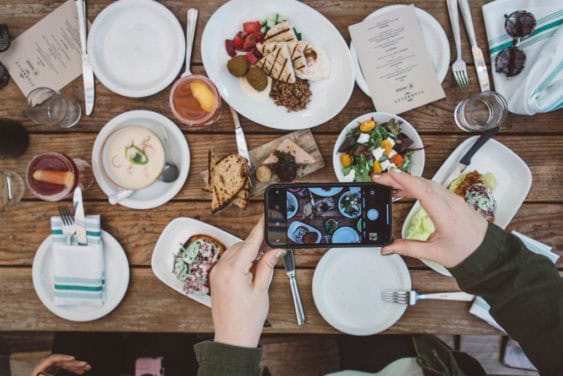
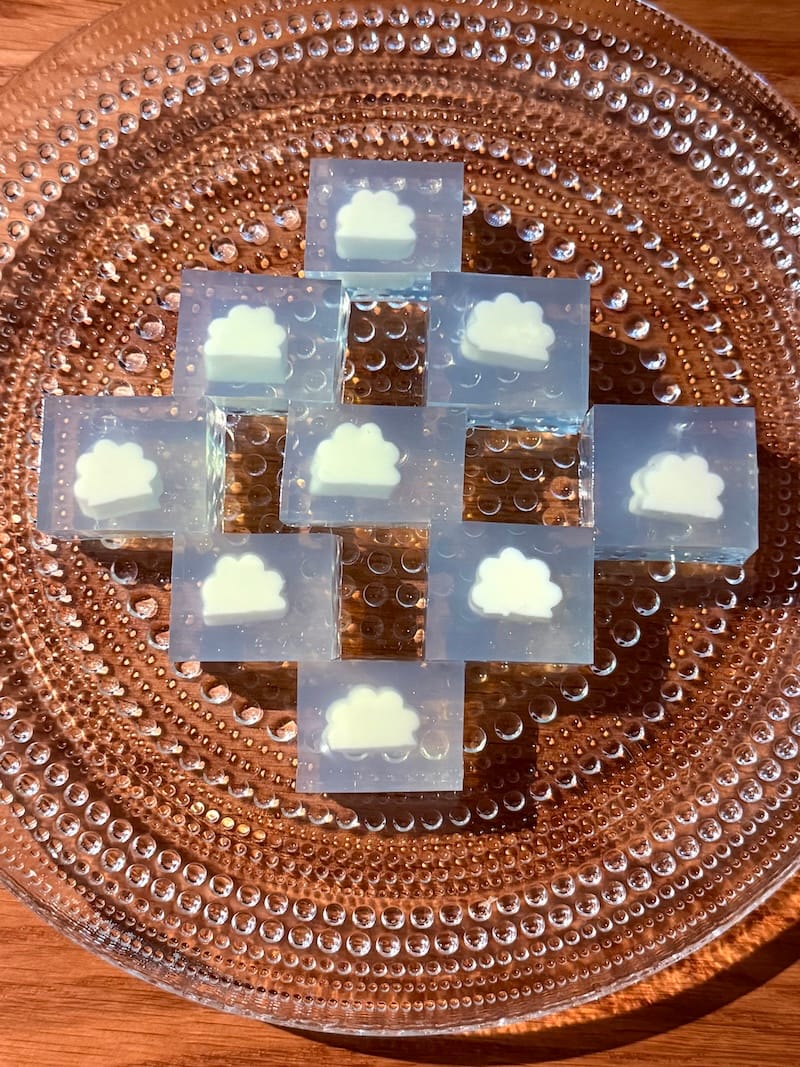
4 days agoFor Cheaper Gas, Look For Stations That Serve Fresh Food - Tasting Table
Gasoline doesn't have a particularly high profit margin, which is partly why most gas stations double as convenience stores or offer fresh food. If chains like Buc-ee's and Sheetz can make more money by selling food, they can afford to lower their margins on gasoline.
Food & drink
fromThe Mercury News
4 days agoLongtime Singaporean restaurant returns to Menlo Park after facing eviction
"What we didn't expect was the response - customers were coming by, messaging us, and sharing stories about what the restaurant meant to them. It made us realize this wasn't just a place to eat - it had become part of people's routines and memories."
East Bay food
fromFood & Beverage Magazine
10 hours agoChef Robotics: Transforming Food Production with AI
Chef Robotics has recently reached a remarkable milestone by completing 100 million servings in production, underscoring the company's commitment to innovation and the importance of automation in food manufacturing.
Agriculture
fromEater
1 day agoThese 6 Iconic Restaurant Artworks Are the Stars of the Dining Room
The painting in question was gifted to the Inn's late founder Helmuth Deetjen by the late, celebrated local artist George Choley. This particular Choley painting had been in the same place since the 1980s, undisturbed, and a symbol of continued historic preservation.
Dining
fromMetro Silicon Valley | Silicon Valley's Leading Weekly
1 week agoFresha in San Jose | Metro Silicon Valley | Silicon Valley's Leading Weekly
Fresha, born Frescia Belmar, is nominally a jazz bassist, but her artistry transcends the form, moving effortlessly between jazz, rock, fusion, and R&B.
Music production
fromwww.theguardian.com
1 day agoChef Jose Andres warns of multi-year world famine from Iran war
Jose Andres emphasizes the urgency of addressing the fertilizer supply crisis, stating, 'When fertilizers don't arrive in time for key planting windows, yields can fall in the following harvest cycle.' He highlights the severe consequences for poorer countries, noting, 'In places like Haiti, they don't serve you a kilo of rice, they serve you one ounce at a time.'
Agriculture
fromScary Mommy
3 days agoWhat's The Average Grocery Bill For A Family Of Four In 2026? Parents Weigh In
We generally average about $250 a week on food and a Costco trip every six to eight weeks that hits between $500 and $600. We've been shopping primarily at Aldi's & Trader Joe's because we go through so much fruit. A year ago, that $250 a week would actually last close to two weeks.
Everyday cooking
fromThe Art Newspaper - International art news and events
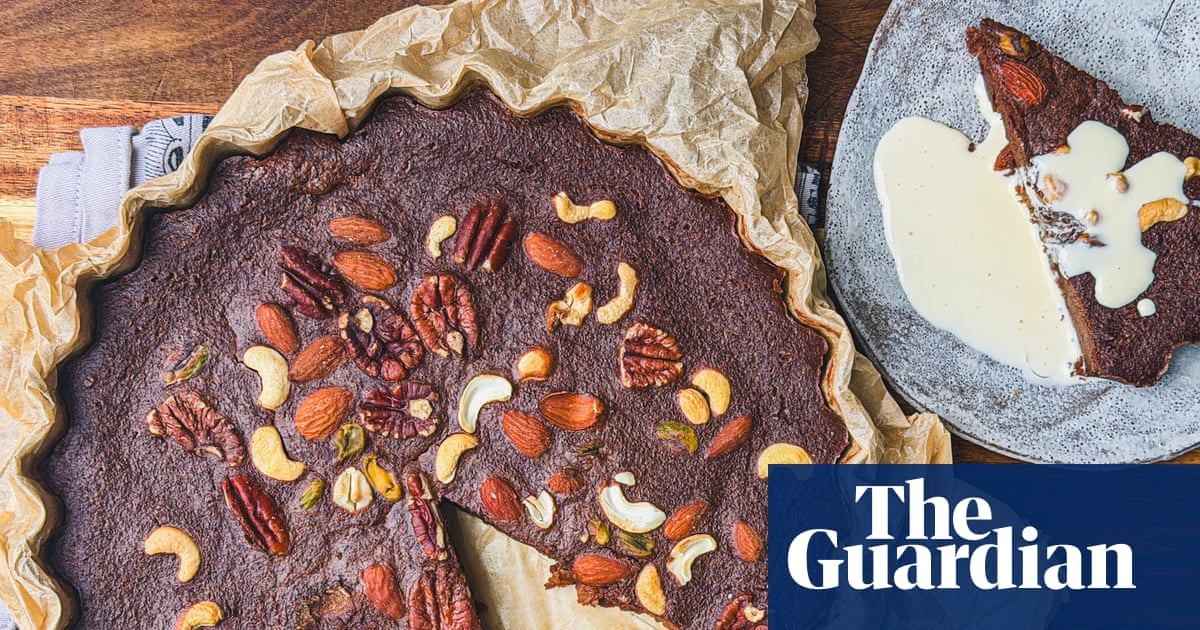
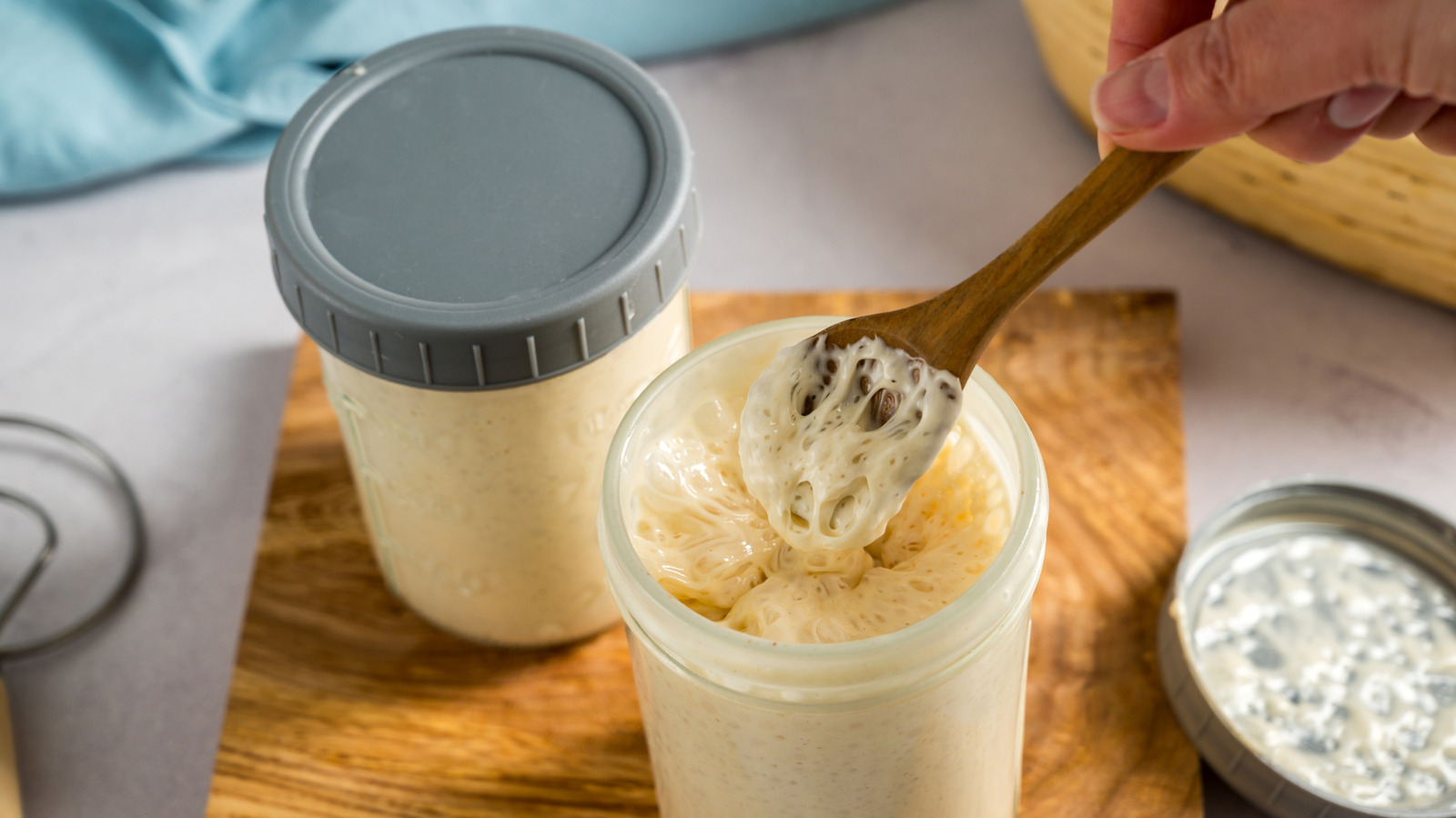
1 month agoArt collective Cooking Sections' food projects are helping save the planet
Since the duo got together as fellow students at Goldsmiths Centre for Research Architecture in 2013, they have been using the production and consumption of food as the focus for numerous long-term, site-specific projects that address how we should live-and eat in particular-in the face of climate change. As they put it: "Food is both deeply connected to the environment and to ecology but at the same time is also intersectional: every living organism on this planet is invested and preoccupied with processes of metabolism, ingestion and the acquisition of nutrients."
Arts
fromFood & Beverage Magazine
1 month agoCulinary Innovations and Retail Strategies for 2026
These leadership changes are not just about new faces; they signify a shift towards culinary creativity that prioritizes sustainability, local sourcing, and unique flavor profiles. As industry leaders, these chefs are setting the stage for a culinary renaissance that will engage diners and elevate their dining experiences.
Food & drink
fromwww.theguardian.com
2 months agoHumanity's favourite food': how to end the livestock industry but keep eating meat
For someone aiming to end the global livestock industry, Bruce Friedrich begins his new book called Meat in disarming fashion: I'm not here to tell anyone what to eat. You won't find vegetarian or vegan recipes in this book, and you won't find a single sentence attempting to convince you to eat differently. This book isn't about policing your plate.
Environment
fromBon Appetit
1 month agoHomeward Bound
The expense, return on investment, and volume of investors needed to make it a reality did not make sense. I thought, 'maybe it's time to do something new.' The amount of money you need to run a restaurant in Brooklyn or Manhattan at this point is so crazy. If you fail, the loss is massive. Here, we were able to do a major renovation, we have a 100 bottle wine list, and we can use the ingredients we want and serve them at a decent price point because our overhead is not as bad.
NYC food
fromTasting Table
2 months ago10 Food Trends You Can Expect To See In 2026 - Tasting Table
Food trends are changing and evolving constantly, with yesterday's textures, flavors, and ingredients moving aside or inspiring the ones we expect to see in 2026. We expect the upcoming year to be influenced by health trends, as well as politics, and the need for comfort in our food offerings. People's ever-expanding palates and health needs are also colliding with their budgets, but that doesn't mean they plan to sacrifice their food experiences.
Food & drink
[ Load more ]