#modified-domestic-demand
#modified-domestic-demand
[ follow ]
#inflation #federal-reserve #housing-market #energy-prices #mortgage-rates #interest-rates #cpi #consumer-spending

fromwww.aljazeera.com
6 hours agoEnergy prices rise despite Jones Act suspension by Trump
Shipping costs have increased by more than 10 percent in the past month due to the US-Israel war on Iran. The 60-day waiver for the Jones Act aimed to lower energy costs but has had little impact on oil prices, which continue to rise amid the ongoing conflict.
World news
fromTearsheet
17 hours agoConsumer banking is back in focus - and looks nothing like 2019 - Tearsheet
Leading US banks are not just going digital; they are realizing that digital savings and loans alone do not ensure sustained engagement or profitability. These services must connect to the banks' core strengths: trust, scale, and long-term financial relationships.
Business

#housing-market
Real estate
fromwww.housingwire.com
17 hours agoWhat 10 years of data reveals about 2026 housing market signals
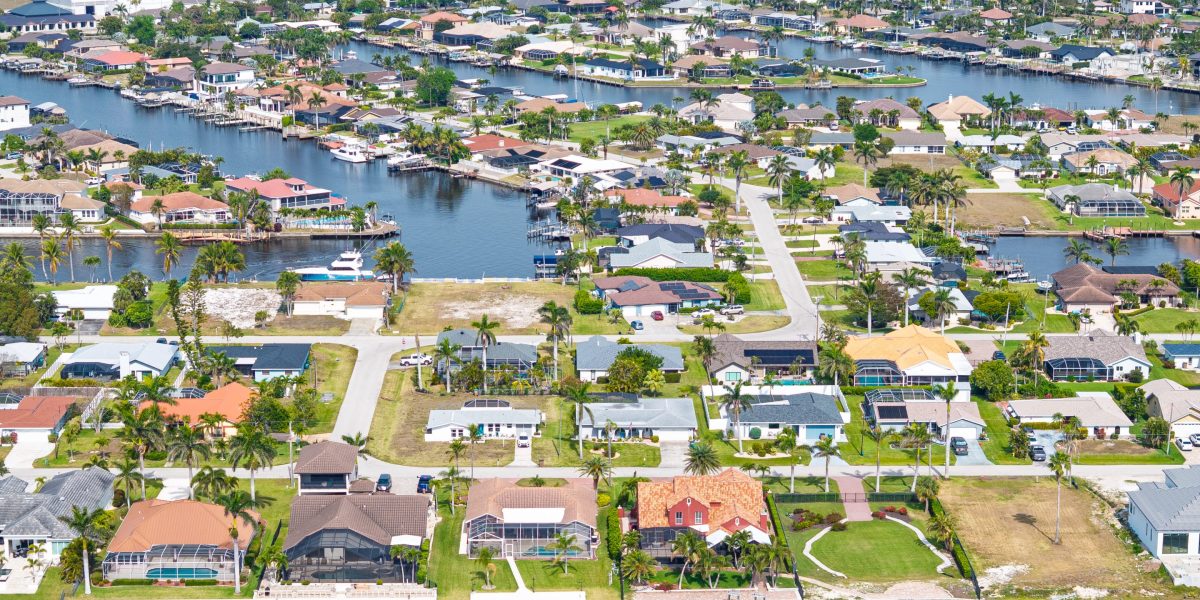
Housing cycles follow a recognizable sequence of demand, pricing behavior, and buyer response, leading to market resets and recovery.

Real estate
fromFortune
5 days agoThe housing market has been frozen for 3 years. Here's why this spring could finally change that | Fortune
The U.S. housing market shows early signs of recovery as first-time buyers return and affordability improves.
SF real estate
fromFortune
2 days agoThe 'affordability economy' has created a housing market nobody predicted: Prices collapsing in the Sun Belt, soaring in the Rust Belt | Fortune
U.S. housing market is experiencing a significant decline in prices after a post-pandemic boom, with projections for continued decreases.
#dollar-index
World politics
fromLondon Business News | Londonlovesbusiness.com
20 hours agoDollar rebounds as US Hormuz blockade revives inflation concerns and lifts yields - London Business News | Londonlovesbusiness.com
The dollar index rose due to escalating geopolitical tensions in the Middle East and concerns over inflation.

World politics
fromLondon Business News | Londonlovesbusiness.com
20 hours agoDollar rebounds as US Hormuz blockade revives inflation concerns and lifts yields - London Business News | Londonlovesbusiness.com
The dollar index rose due to escalating geopolitical tensions in the Middle East and concerns over inflation.

fromIndependent
3 days ago'It has paid for itself, many times over' - nine smart buys that will save you hundreds of euro in the long run
When planning our budgets, we tend to focus on cutting costs. Yet, sometimes a little strategic spending can help to save money in the long term, by reducing our regular expenses and replacing repeat purchases of single-use items.
Retirement
Europe news
fromLondon Business News | Londonlovesbusiness.com
6 days agoGlobal inflation stable but energy and food pressures build - London Business News | Londonlovesbusiness.com
Year-on-year inflation across the OECD remained steady at 3.4% in February 2026, with varying trends among member countries.

Artificial intelligence
fromFortune
1 week ago'Inflationary surge': Fed economists warn AI hype is overheating the economy whether or not the technology ever delivers | Fortune
AI optimism may hinder productivity and contribute to short-term inflation as households and businesses react to perceived future gains.
Cryptocurrency
fromnews.bitcoin.com
13 hours agoAmerican Bankers Association Warns White House Is Underestimating Stablecoin Yield Risks to Lending and Deposit Stability
Yield-bearing stablecoins threaten traditional banking by increasing deposit outflows and raising concerns over lending capacity and financial stability.






fromwww.npr.org
6 days agoDrive slower, go electric, don't drive at all? Americans weigh options for saving gas
The key to getting the most miles out of each gallon is driving efficiently. That means smooth acceleration, soft braking and slowing down. Cars tend to be the most fuel efficient when driven at about 50 miles per hour.
US news
fromwww.mediaite.com
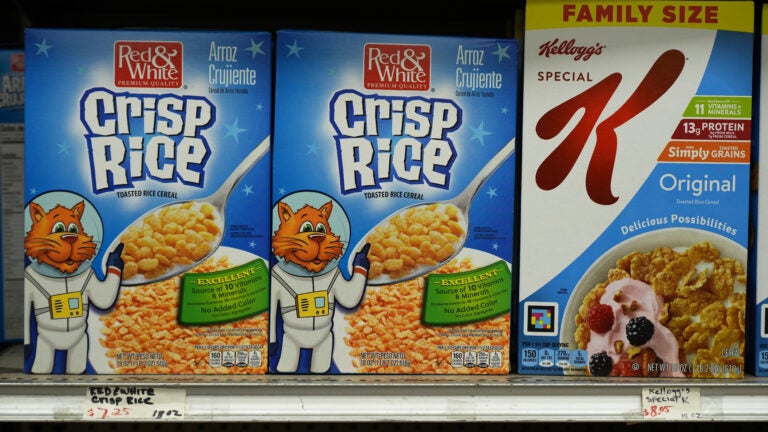
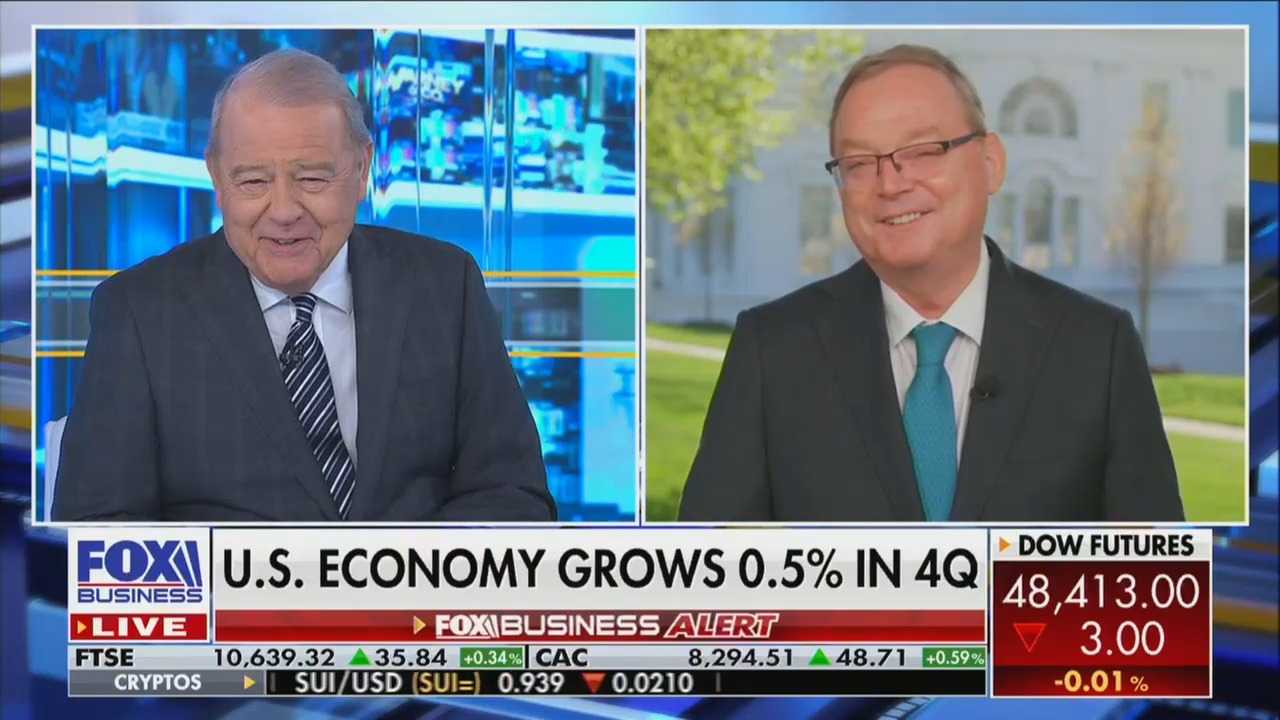
2 weeks agoBad News All Around!' Fox Business Host Stunned By Highly Inflationary' Prices in Total Bummer of an Economic Analysis
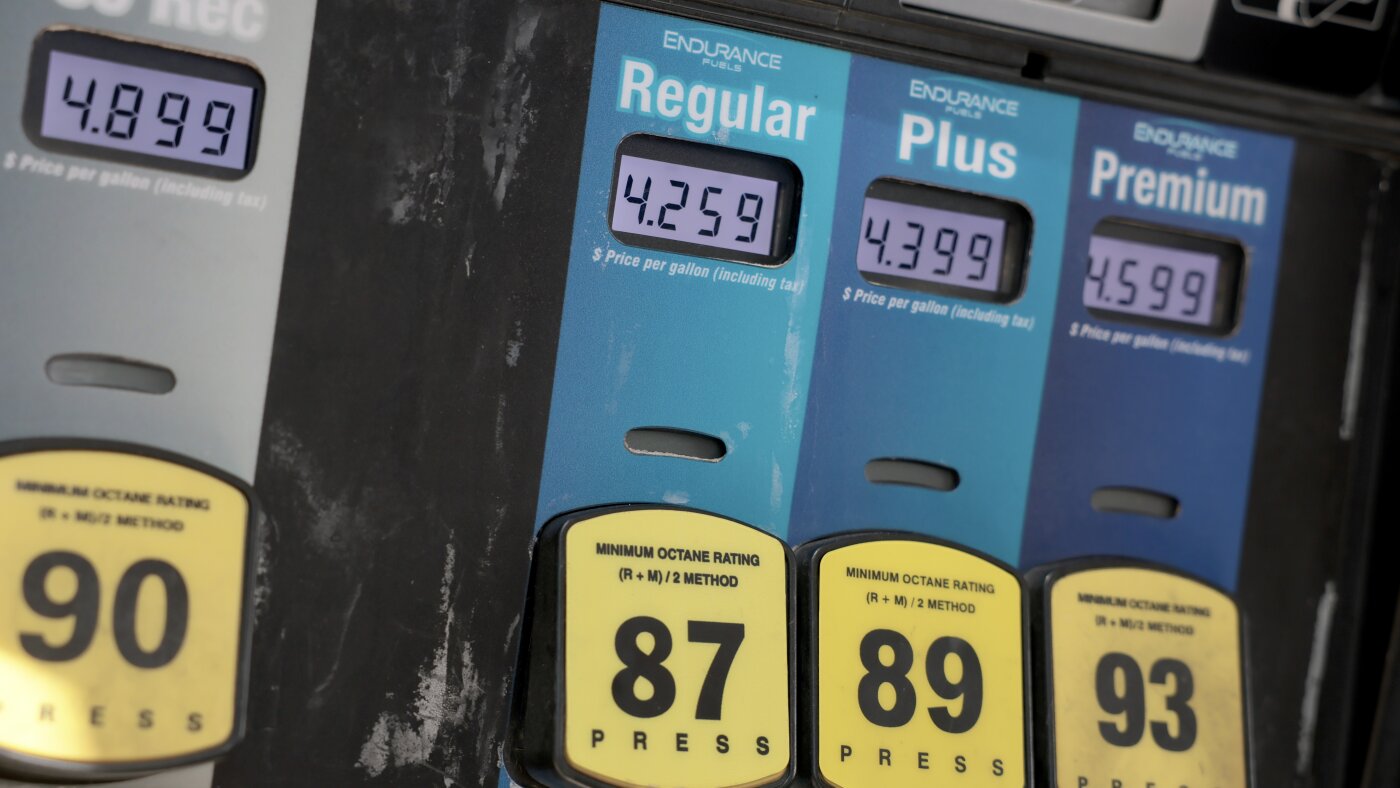
High energy prices are kryptonite for the housing market. Affordability, especially for those first-time home buyers, is now an elusive dream until oil prices come down and interest rates come down.
SF real estate
fromwww.aljazeera.com
4 days agoIMF warns of looming inflation crisis on back of US-Israel war on Iran
The conflict has driven up the price of oil and natural gas; damaged oil refineries, tanker terminals and other energy infrastructure; disrupted shipments of fertiliser that the world's farmers depend on; and damaged the confidence of businesses and consumers.
World news
fromwww.aljazeera.com
3 weeks agoUS Fed keeps interest rates steady amid economic, geopolitical uncertainty
The Committee seeks to achieve maximum employment and inflation at the rate of 2 percent over the longer run. Uncertainty about the economic outlook remains elevated. The implications of developments in the Middle East for the US economy are uncertain, the central bank said in a statement announcing its policy decision and referring to its Federal Open Market Committee.
US politics
fromFortune
6 days agoTop economist Mark Zandi says the indicator that has called every recession since WWII just signaled we're already in one | Fortune
"It has nailed every recession since WWII without falsely predicting a downturn. If it is triggered, it may take a while for the Business Cycle Dating Committee of the National Bureau of Economic Research to confirm it, but we are already in a recession."
US Elections
US politics
fromFast Company
2 months agoInflation fears in the U.S. are running high, especially for this demographic, a survey shows
Asian Americans, Pacific Islanders and Native Hawaiians show greater anxiety about costs and prioritize government action on inflation and living expenses than U.S. adults overall.
fromFast Company
2 months agoConsumer confidence in the U.S. economy falls to lowest level since 2014
The Conference Board said Tuesday that its consumer confidence index cratered 9.7 points to 84.5 in January, falling below even the lowest readings during the COVID-19 pandemic. A measure of Americans' short-term expectations for their income, business conditions and the job market tumbled 9.5 points to 65.1, well below 80, the marker that can signal a recession ahead. It's the 12th consecutive month that reading has come in under 80. Consumers' assessments of their current economic situation slid by 9.9 points to 113.7.
US news
US news
fromFortune
2 months agoEconomy is marginally improving, says the Fed, but only because rich consumers are splurging on luxury items and holidays | Fortune
U.S. economic activity rose slightly to modestly across most Federal Reserve Districts, driven by higher-income spending while lower- and middle-income consumers pulled back.
fromLondon Business News | Londonlovesbusiness.com
1 month agoUS dollar near monthly high ahead of PCE and GDP data releases - London Business News | Londonlovesbusiness.com
The US dollar was relatively stable on Friday, trading close to a one-month high and positioning for a weekly gain that reverses the prior week's decline. The move has been reinforced by a broad rise in treasury yields during the last few days, reflecting stronger labour data and Federal Reserve minutes that highlighted a committee still debating the appropriate pace of policy adjustment.
US news
US news
fromLondon Business News | Londonlovesbusiness.com
2 months agoUS inflation undershoots at 2.6%, Trump can call off the dogs - London Business News | Londonlovesbusiness.com
US core inflation eased to 2.6% in December, below consensus; housing rose 0.4%, annual inflation steady at 2.7%, easing pressure on policy.
[ Load more ]