#audio-guides
#audio-guides
[ follow ]
#google-maps #apple-maps #advertising #augmented-reality #virtual-reality #immersion #ai #san-francisco
UK politics
fromThe Art Newspaper - International art news and events
18 hours agoEnglish museums should only charge tourists if digital ID checks in place, UK politician says
Digital ID checks are necessary before considering entrance fees for national museums in England, according to a politician's proposal.
UX design
fromLondon Business News | Londonlovesbusiness.com
1 day agoPhenomenon Studio: AI-Driven UI/UX Innovations Defining the 2026 Design Evolution - London Business News | Londonlovesbusiness.com
AI is now essential in UI/UX design, enabling anticipatory interfaces that enhance user experience and drive business success.
fromdesignboom | architecture & design magazine
2 days agolook back on olympus perspective playground: a traveling series of room-sized dreamworlds
The Olympus Perspective Playground operates as a fully built system, where walls, lighting rigs, circulation paths, and signage are developed together with each installation, creating a continuous spatial script.
Berlin
fromTime Out New York
1 week agoEdge is getting a wild immersive makeover this summer
The entire indoor journey, from entry to elevator to the 100th floor, has been reimagined as a multi-sensory, immersive environment. The overhaul comes via a collaboration between experiential design firm Journey, multimedia studio Moment Factory and NYC-based design outfit SOFTlab.
NYC music
fromwww.theguardian.com
5 days agoMetas AI glasses and the dawn of wearable tech - podcast
Meta's AI-powered glasses are designed to enhance personal presence, allowing users to engage more fully with their surroundings while offering features that could assist those with vision impairments or hearing loss.
Wearables



Arts
fromThe Art Newspaper - International art news and events
1 month agoNew book shows why physical maps have an important role to play in our digital world
A cartography professor discovered 96 historically significant maps in a forgotten university archive, revealing cartography's vital role in preserving sociopolitical memory and demonstrating maps' importance beyond navigation.
frominsideevs.com
1 month agoGoogle Maps Is Getting 'The Most Significant Update' In Over A Decade
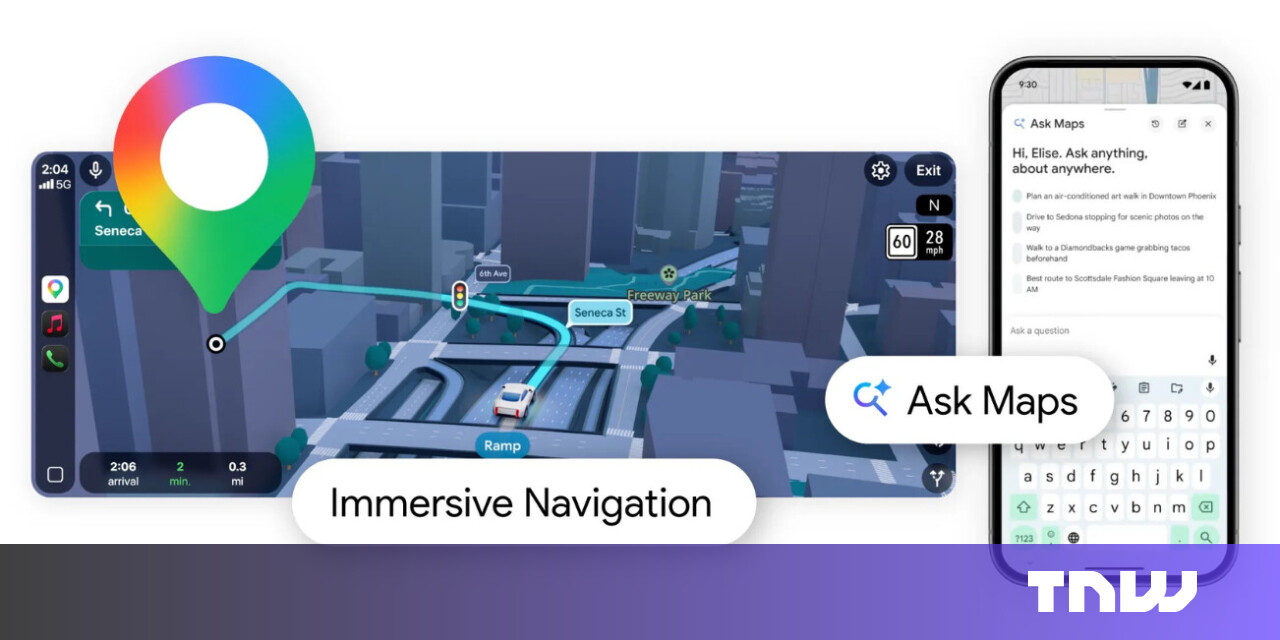
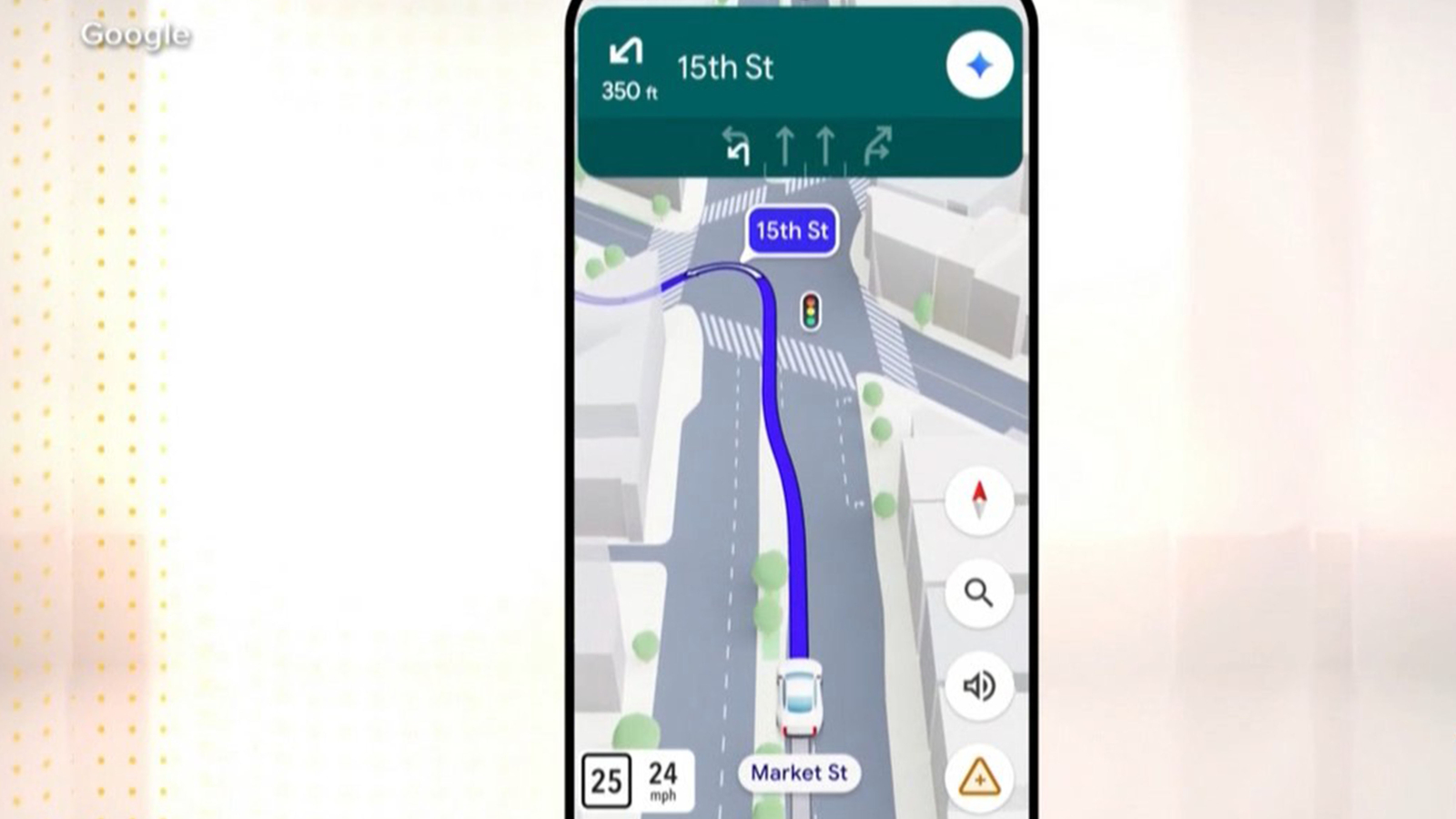
The new Immersive Navigation mode introduces a detailed 3D map that includes buildings, overpasses, crosswalks, traffic lanes, traffic lights, and stop signs. Google bills this new mode as being the most significant update in over a decade to the app's driving experience. According to the American IT giant, the changes should help drivers stay focused and informed on the road, with Maps giving fresh, real-world information and natural directions.
Gadgets
E-Commerce
fromLondon Business News | Londonlovesbusiness.com
1 month agoHow music technology is changing the modern retail store - London Business News | Londonlovesbusiness.com
Physical retail stores are transforming into experience-driven spaces where strategic audio systems and environmental design significantly influence customer behavior and brand perception.
Travel
fromThe Mercury News
1 month agoImmerse yourself in Vegas: High-tech attractions take a trip to the next level
Las Vegas offers immersive experiences across entertainment, dining, and technology, with attractions like Area 15 and Interstellar Arc representing cutting-edge virtual reality destinations that transform traditional tourism.
fromFrenchly
1 month agoThe Best Art Apps for Exploring France - Frenchly
CultureClic is one of the most comprehensive French art apps available. Designed as a mobile-first discovery tool, it maps out more than 1,350 museums across France and highlights hundreds of geolocated artworks, photographs, and historical engravings. The app is particularly strong in Paris but also features content in cities like Bordeaux, Lyon, Marseille, and Avignon. What sets CultureClic apart is its use of augmented reality, allowing users to visualize artworks and historical documents in context.
France news
fromTime Out New York
2 months agoDumbo just launched an AI concierge that will answer all your neighborhood questions
If you've ever wandered through Dumbo wondering where to grab a last-minute art class, find a cozy snow-day activity or track down a hyper-specific bakery, the Brooklyn waterfront neighborhood now has a new digital helper ready to answer. The Dumbo Business Improvement District has officially rolled out Dumbo Concierge, an AI-powered neighborhood guide designed to help locals, office workers and visitors navigate one of New York City's busiest creative hubs.
Brooklyn



fromBig Think
1 month agoFrom myth to machine: The technological evolution of storytelling
I wanted to write a book about how the smartphone changed the world, but the more I researched, the clearer it became that phones were actually the latest step in this evolution of storytelling technology that stretches all the way back to prehistoric times.
Books
fromMail Online
1 month agoUK holidaymakers can't switch off their mobile phones
Walking along sandy beaches and exploring a completely different culture is a perfect way to escape the realities of home. Despite jetting off abroad to get away from the troubles in their lives - from work to family drama - many Brits struggle to turn off their phone on holiday. Most UK holidaymakers, 88 per cent, say they want to switch off their mobile while away - intending to disconnect from the world.
Wellness
#travel-technology
Roam Research
fromFast Company
1 month agoLonely Planet turns its iconic guidebooks into a next-gen travel app
Lonely Planet launches a mobile app integrating its guidebook expertise with smartphone features like itinerary planning, location saving, and curated local recommendations without sponsored content.

Roam Research
fromFast Company
1 month agoLonely Planet turns its iconic guidebooks into a next-gen travel app
Lonely Planet launches a mobile app integrating its guidebook expertise with smartphone features like itinerary planning, location saving, and curated local recommendations without sponsored content.


fromMedium
2 months agoWhy Does Using AI Feel Like Cheating when It's Actually Like Google Maps?
AI, like Google Maps, provides the "prediction" of the best route, but the "judgement" of the destination remains with the driver (Author x Gemini) Yet when it comes to using AI for decisions, I see people paralysed by exactly these fears. This ranges from choosing what to study to planning a career move to even planning an article. "Is this cheating?" "Will I lose my critical thinking skills?" or "Am I even thinking for myself anymore?"
Artificial intelligence
Mobile UX
fromBusiness Insider
2 months agoIt's become impossible to visit Disney without a smartphone. I'm not nearly as sad about it as I thought I'd be.
Smartphones have become essential for Disneyland and Disney World visits because the Disney app handles hotel check-in, park entry, line-skipping, and food ordering.
fromZDNET
1 month ago41 hidden Google Maps settings and features every power user should know
After writing about Google Maps for nearly 15 years, I've learned firsthand that it's packed with hidden settings, menus, and toggles. Many help you fine-tune the app to your liking, while others unlock new features you probably didn't know existed.
Roam Research
[ Load more ]