#salad-chain
#salad-chain
[ follow ]
fromTasting Table
19 hours agoFor Cheaper Gas, Look For Stations That Serve Fresh Food - Tasting Table
Gasoline doesn't have a particularly high profit margin, which is partly why most gas stations double as convenience stores or offer fresh food. If chains like Buc-ee's and Sheetz can make more money by selling food, they can afford to lower their margins on gasoline.
Food & drink
fromScary Mommy
47 minutes agoWhat's The Average Grocery Bill For A Family Of Four In 2026? Parents Weigh In
We generally average about $250 a week on food and a Costco trip every six to eight weeks that hits between $500 and $600. We've been shopping primarily at Aldi's & Trader Joe's because we go through so much fruit. A year ago, that $250 a week would actually last close to two weeks.
Everyday cooking

fromSFGATE
1 day ago102 years ago, a California teenager changed American food history
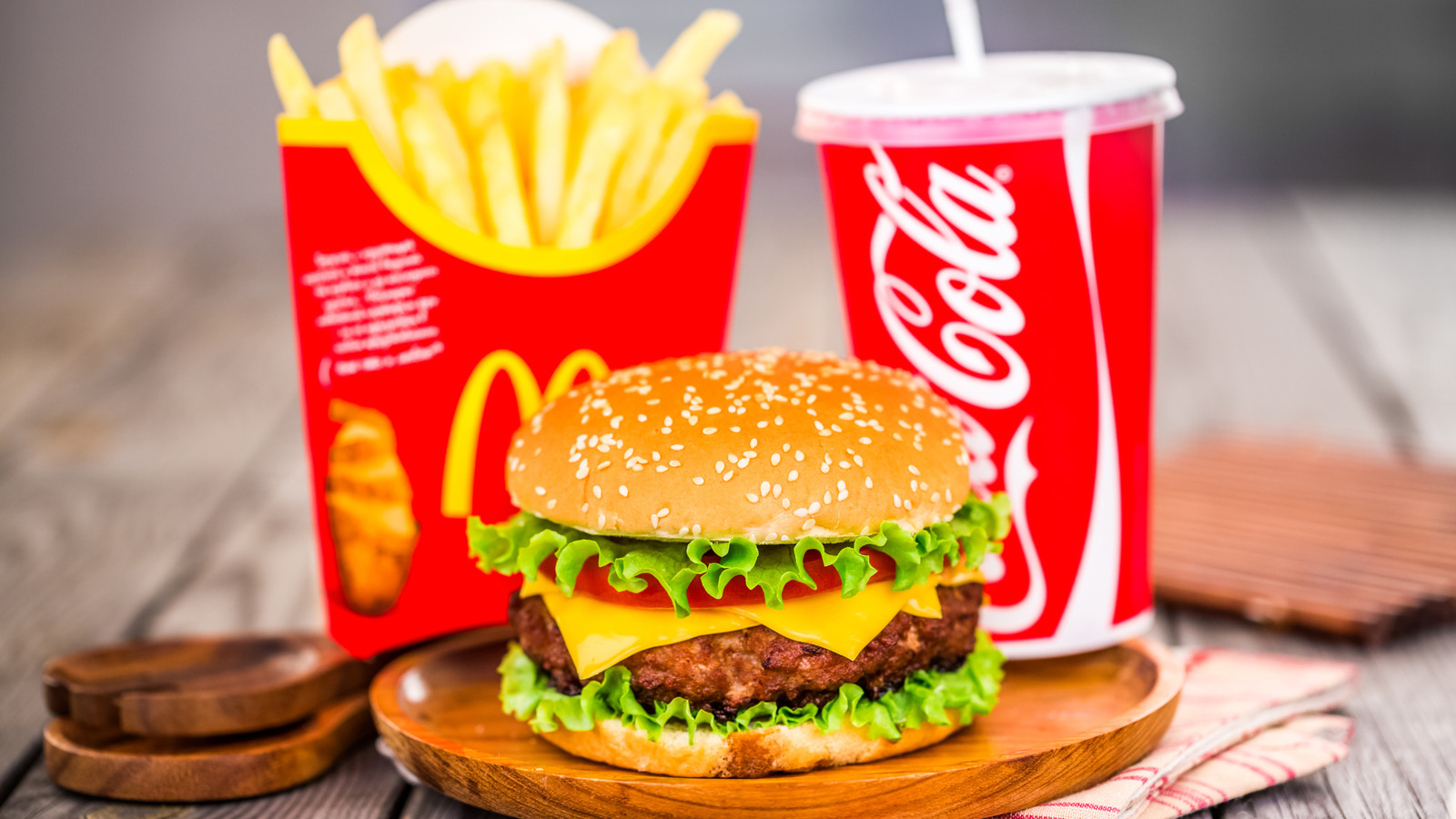
In 1924, Lionel Sternberger, at just 16 years old, first put cheese on a hamburger and served it to a customer at the Rite Spot in Pasadena. This simple act changed the course of American food history, leading to the creation of the cheeseburger, a dish that billions of people have enjoyed since.
LA food
fromThe Mercury News
1 day agoLongtime Singaporean restaurant returns to Menlo Park after facing eviction
"What we didn't expect was the response - customers were coming by, messaging us, and sharing stories about what the restaurant meant to them. It made us realize this wasn't just a place to eat - it had become part of people's routines and memories."
East Bay food
fromwww.thelocal.se
9 hours agoWhy are Swedes suddenly obsessed with pink milk?
It's only been on the shelves for a week, so we were surprised by the huge hype. It's not every day milk gets rock star treatment. We're really happy, of course, we believed in the product, but we weren't expecting this super demand. It sold out faster than we could say 'pink'.
Berlin food
Online marketing
fromEntrepreneur
6 days agoMost Restaurants Are Missing Out on the Platform That Brings Customers In - Here's What a Google Strategist Recommends
YouTube serves as a powerful discovery engine for restaurants, enhancing audience reach and customer loyalty through diverse content formats.
fromMetro Silicon Valley | Silicon Valley's Leading Weekly
6 days agoFresha in San Jose | Metro Silicon Valley | Silicon Valley's Leading Weekly
Fresha, born Frescia Belmar, is nominally a jazz bassist, but her artistry transcends the form, moving effortlessly between jazz, rock, fusion, and R&B.
Music production
fromThe Mercury News
2 hours agoSunnyvale: Owners of Dish Dash mark 25th anniversary with plans for a 7th restaurant
Ibrahim reflected on their journey, stating, 'We took a leap of faith. We didn't know if this place was going to make it.' Their decision was influenced by friends who wanted a Middle Eastern restaurant in Silicon Valley.
Food & drink

fromFood & Beverage Magazine
1 day agoA Female-Fronted Legacy at Frieda's Branded Produce Has Become a Timeless Strategy for Success - Food & Beverage Magazine
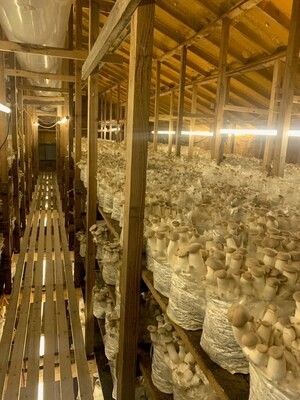
Frieda's Branded Produce took off, and fresh produce changed forever. Caplan's early decision to go against the grain laid the foundation of non-negotiables that still guide how Frieda's operates.
Silicon Valley food
fromTasting Table
2 months agoWhat Happens To Leftovers At 10 Chain Restaurants - Tasting Table
Food waste in America is a significant and persistent problem that often goes unnoticed. According to a 2010 USDA study, 30-40% of our country's entire food supply winds up in landfills each year - almost 70 million tons. That's about $161 billion worth of food, meaning the average family's food waste totals around $3,000 a year. And while an enormous portion of our food supply is simply thrown away, roughly 48 million Americans - including one in five children - experience food insecurity.
Food & drink
[ Load more ]