Productivity
fromFast Company
12 hours agoThe productivity question AI forces us to ask
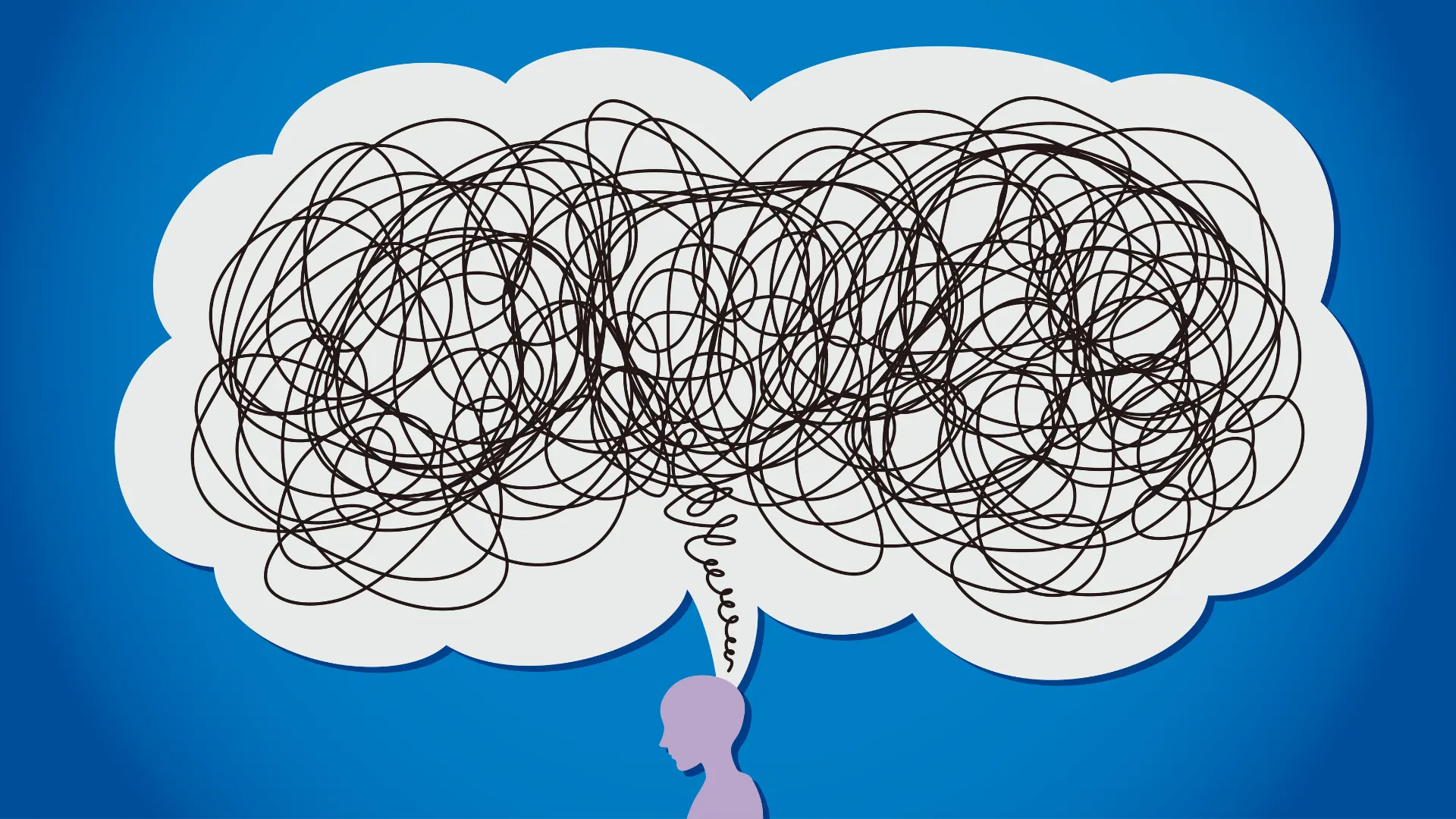
Productivity tools increase capabilities but also raise expectations, leading to a cycle of anxiety and an overwhelming pace of work.
We're deeply saddened by the passing of a member of our team, and our thoughts and deepest sympathies are with their loved ones during this difficult time. We've been in touch with his family and have provided resources to support them.
The Federation of Malaysian Business Associations stated that a blanket work-from-home policy could cost the Klang Valley hundreds of millions of ringgit a month, emphasizing that these losses are expected to be 1.9x to 2.9x higher than the projected savings of widespread work-from-home arrangements.
"For the first time, a rigid office attendance mandate has been broken and replaced with a more sensible, flexible approach based on what actually works," General Secretary Fran Heathcote said. "This has been a long campaign and reaching a deal members could accept reflects the determination of PCS members at ONS, the hard work of their reps and the value of trade unionism."
Getting that perfect work-life balance is important for people. They believe it will reduce stress. The truth is: it won't. Stress has nothing to do with this. There is an illusion that these two worlds, business and personal, are separate. But they aren't. You can't separate work from life. Know why? Every single business is a personal life. You don't stop being human the moment you step into your office.
While some workers are being mandated to return to the office, a growing majority of workers now say they want to "microshift" their workday. Unlike hybrid or remote schedules, in which you work remotely some or all of the time, microshifting is about making small adjustments to your start times, breaks and hours rather than adhering to a rigid nine-to-five schedule.
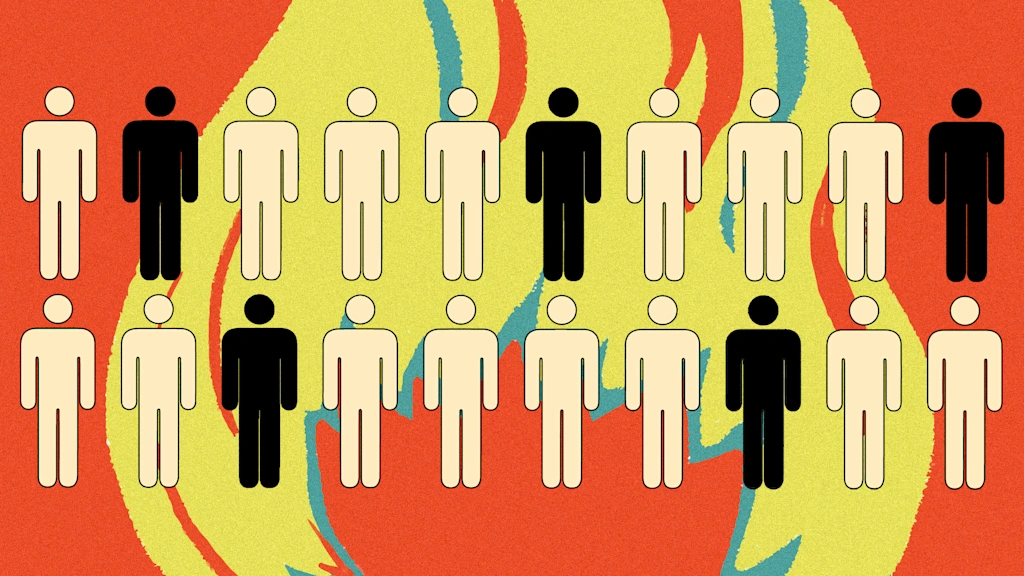
Resume Builder reported last October that 30% of companies will eliminate remote work in 2026. According to a survey of business leaders by Vena Solutions , a private financial software company, 83% of CEOs globally anticipate a return to full-time office work in 2027. But what if there's a better way to frame this conversation? What if the focus shifts away from where employees are working to when employees are working?
The union is great, don't get me wrong, but one side effect of having it is that there are massive, sometimes arbitrary and annoyingly vague, lines around what I can and cannot do in my role. This wouldn't necessarily be a problem, if most of the time the things I'm not allowed to do are required to be done by managers. Managers who are overworked, undertrained, and underpaid, and so don't have the time or brain space to address things I bring to them.