#instagram-reaction
#instagram-reaction
[ follow ]
#social-media #marketing #influencer-marketing #digital-marketing #engagement #meta #instagram #advertising



Artificial intelligence
fromSocial Media Examiner
18 hours agoAdvanced AI Deep Research: Uncover Insights Your Competitors Are Missing : Social Media Examiner
AI deep research mode can significantly reduce analysis time for marketers by synthesizing vast amounts of information into actionable insights.


#artificial-intelligence
Business intelligence
fromFairbanks Daily News-Miner
4 days agoWhy AI Search Matters for Clients. How Brands Can Gain More Visibility, More Trust, and Better Conversion With the Right Strategy
AI Search is crucial for business growth, impacting customer acquisition, brand trust, and visibility in a digital landscape.
Online marketing
fromFood & Beverage Magazine
2 days agoElevate Your Foodservice Game: Innovative Social Media Marketing Strategies - Food & Beverage Magazine
Foodservice marketing must evolve with digital strategies, focusing on audience engagement through social media and innovative content creation.
Social media marketing
fromLondon Business News | Londonlovesbusiness.com
5 days agoSocial media management best practices - A guide by Huta Digital OU - London Business News | Londonlovesbusiness.com
Effective social media management is essential for companies to engage customers and enhance brand perception.
fromwww.socialmediatoday.com
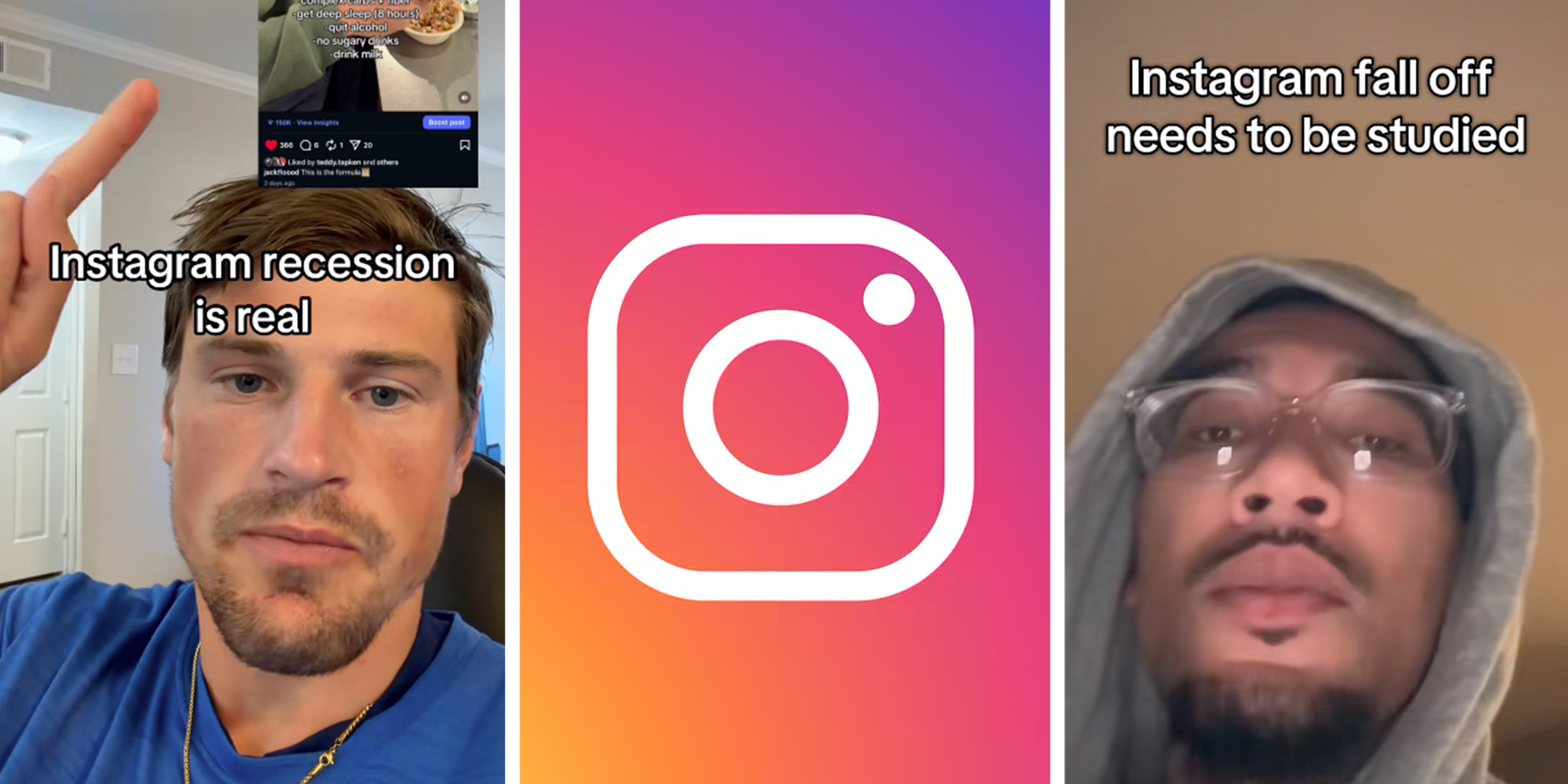
1 month agoCreators express frustration with Instagram's latest AI experiment
Instagram has been developing this option for some time, facilitating in-stream shopping with auto-generated shopping tags that identify the item in a post. The more recent addition of AI tagging has enhanced this, adding similar product matches that can be displayed when a user taps the Shop the Look button on a post.
E-Commerce
fromLondon Business News | Londonlovesbusiness.com
2 months agoWhat Instagram hides in plain sight about following behaviour - London Business News | Londonlovesbusiness.com
One of the first places users notice gaps in visibility is Instagram Stories. The platform tells you who viewed a story, but it does not tell you who wanted to look without being noticed. That absence shapes behaviour. People avoid checking stories to prevent awkward signals, misunderstandings, or emotional reactions. How Instagram obscures story viewing and follower context Tools like the insta story viewer by FollowSpy exist
UX design
fromThedrum
1 month agoWhy your social content should make people curious
It's our job to be translators of science so people understand what's happening and why it's so important. It's a global ocean. Just because something's happening in one place, doesn't mean it's not going to have an effect elsewhere in the world.
Social media marketing
Social media marketing
fromwww.socialmediatoday.com
1 month agoInstagram opens up content scheduling to all users
Instagram expanded creator tools to all public accounts, including insights dashboard, content scheduling, and trending audio access, with additional features unlocking at specific follower thresholds.
fromForbes
1 month agoStories: The Ultimate Social Media Algorithm Hack
While the main feed is built for discovery and curated content, stories are built for connection. For local businesses like bakeries, cafes and restaurants, this distinction isn't just a technicality; it is a direct line to the consumer's daily routine.
Social media marketing
fromThe Drum
2 months agoWhy marketers should capitalize on Pinterest influencers
As the latest social media IPO, Pinterest is making headlines, and I've long been a fan of the platform for many reasons. For one, Pinterest operates in a unique social space. It's the place I go when I'm looking for inspiration, whether it's designing my apartment, or planning an event. On Pinterest I have a buyer's mindset, and with a captive audience looking to purchase, Pinterest has an opportunity to grow as a social commerce platform.
Social media marketing
fromTech Times
2 months agoHow Social Media Algorithms Work to Rank Content and Boost Your Online Reach
Instagram's social media algorithm explained works through multi-stage filtering that gathers posts from followed accounts, scores roughly 500 posts using machine learning predictions, and ranks them according to expected engagement. Content ranking favors Reels most heavily, followed by carousels and Stories, while saves count three times more than likes in determining reach. Key signals include watch time, where videos retaining viewers for at least 70% of duration rank twice as high.
Social media marketing
[ Load more ]