Careers
fromFast Company
1 day ago4 myths about AI in hiring, debunked
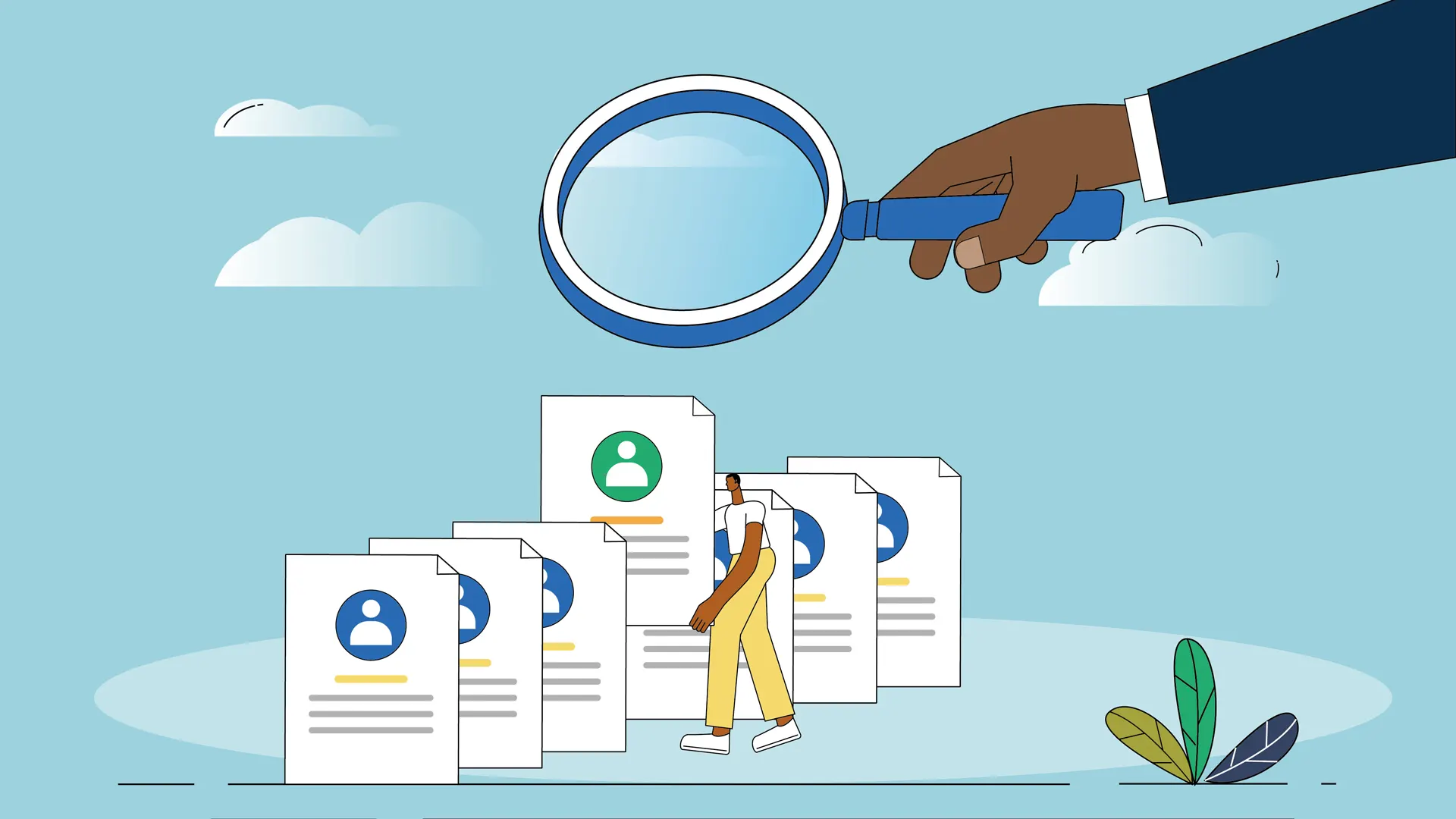
AI in hiring can reduce bias compared to human recruiters, challenging common misconceptions about its fairness.
The 2026 Agent Migration Report found that while agent turnover remained relatively stable in 2025, a firm's greatest challenge to capturing high-value agents on the move is the inability of a human recruiter to maintain consistent and personalized contact with the prospective agents over a long-period of time.
Headhunters? More like breadhunters: On top of career coaching and résumé building, reverse-recruiting agencies often take the keys and apply to dozens of jobs on an applicant's behalf. In exchange, these startups can charge monthly fees north of $1,000 and/or take a cut of their clients' salaries once they find a job, per WSJ. A conventional recruiter told WSJ that he's somewhat uneasy about people handing reverse recruiters their LinkedIn or Workday logins, as well as the idea of charging job seekers.
How can you drive value through this technology? Does deployment mean you need to look at your processes and business model? What is AI going to cost? What benefits will you create? How do you make sure you're making the right choices and decisions?
Hiring in 2026 won't look much like hiring even two years ago. If you don't pay attention, you will get left behind. I was a retained search consultant for 25-plus years. I've written executive and board résumés for the last 10 years. I've never seen so much change in candidate sourcing happen so quickly. CEO priorities and expectations have shifted. AI is reshaping how candidates get surfaced. Résumé sameness has skyrocketed. Candidate shortlist cycles have accelerated.