Productivity
fromPsychology Today
5 hours agoThe Habit You Don't Realize Is Hurting Your Productivity
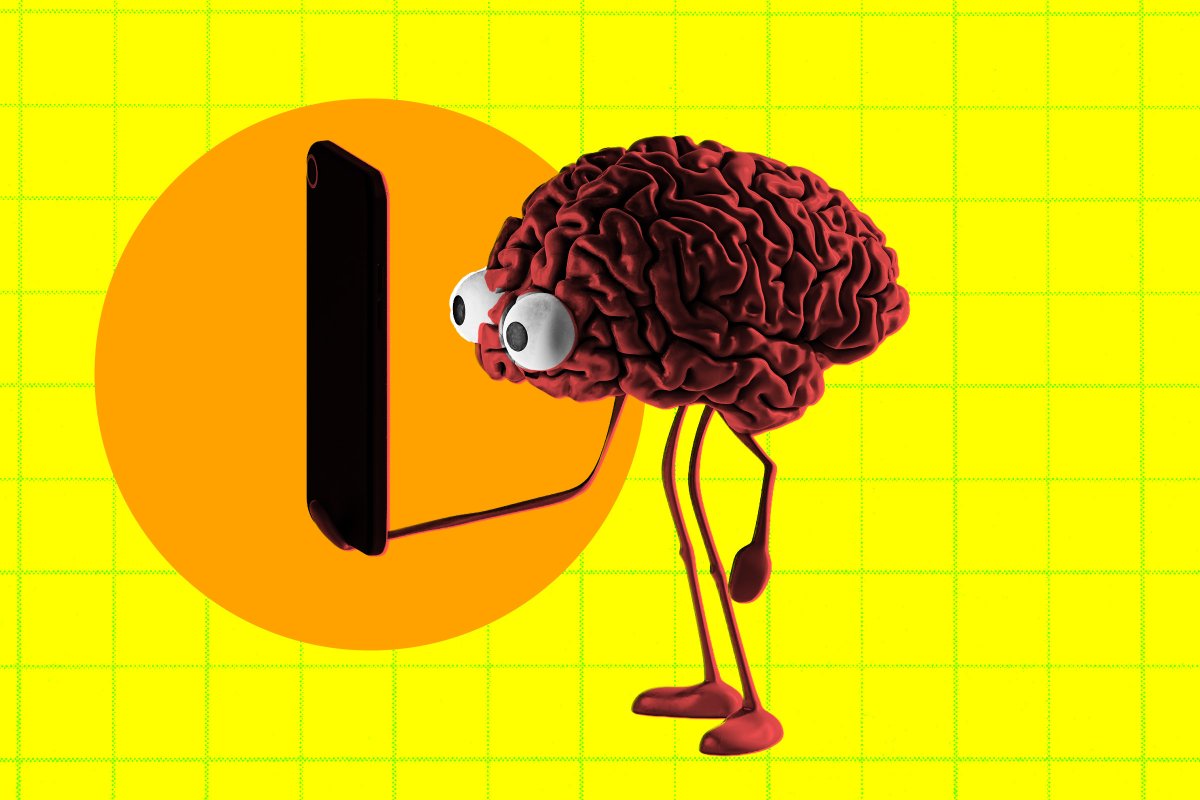
The human brain cannot multitask; it switches tasks, leading to attention residue that hampers productivity.
The Yerkes-Dodson Law, first described in 1908, suggests that our performance improves with physiological or mental arousal-but only up to a point. Picture a bell curve: Too little arousal ( boredom, fatigue), and we underperform. Too much arousal ( anxiety, panic), and performance drops. Somewhere in the middle is our "zone of optimal arousal," where we're alert, focused, and effective (Yerkes & Dodson, 1908).
Think of your creativity like a high-performance garden: If you focus only on the visible harvest (outputs) and never allow the soil to lie fallow (liminal space) or the bees to roam freely (play), the ground eventually becomes depleted. Boredom is the signal that the soil needs replenishing, ensuring that your next season of work is a flourish rather than a struggle.